Understanding quantity Addition Worksheets for Ages 5-6
20 filtered results
-
From - To
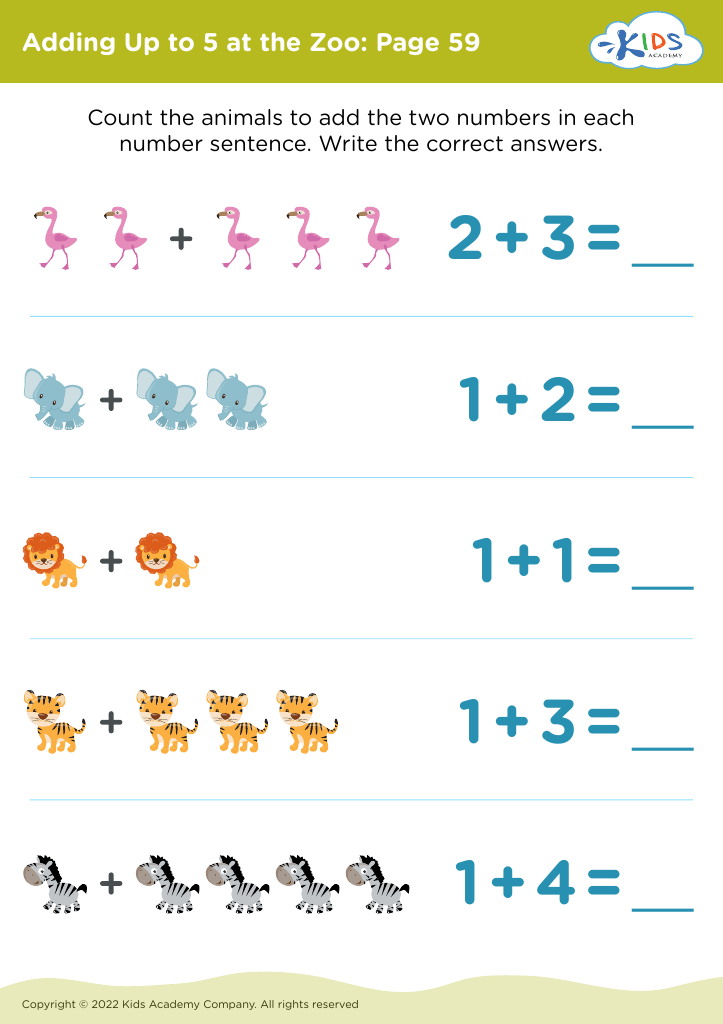
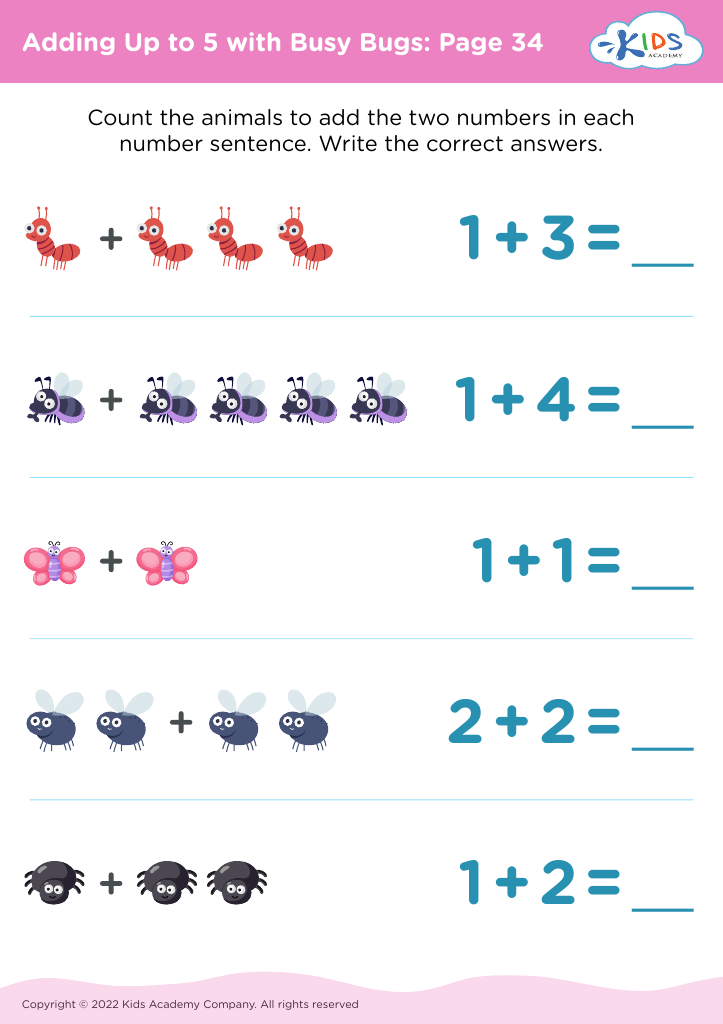
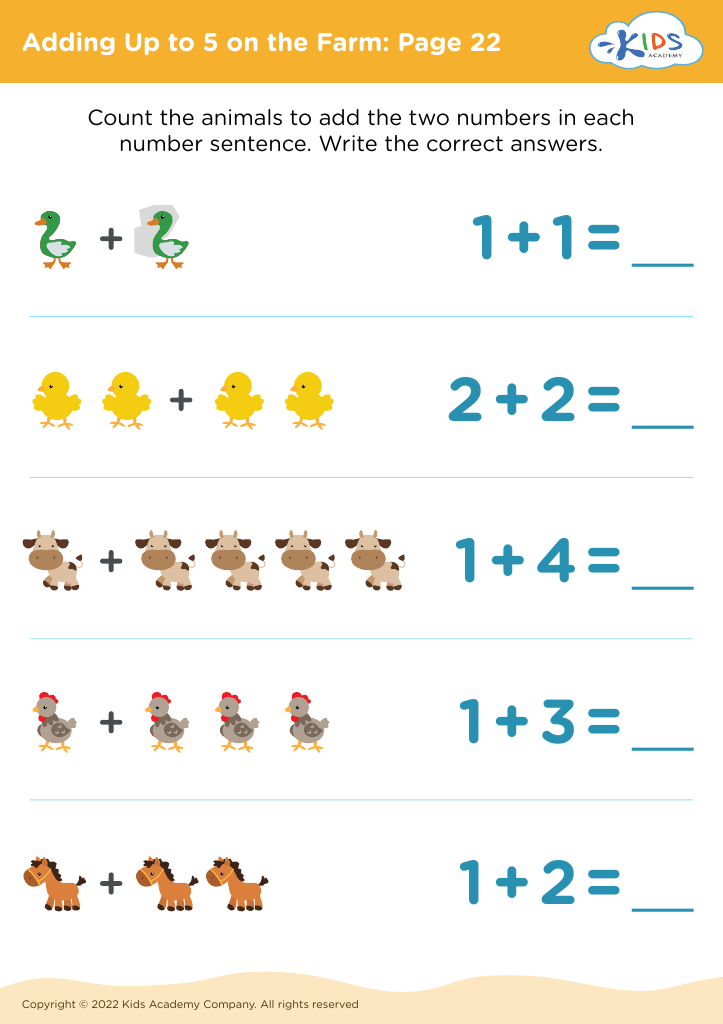
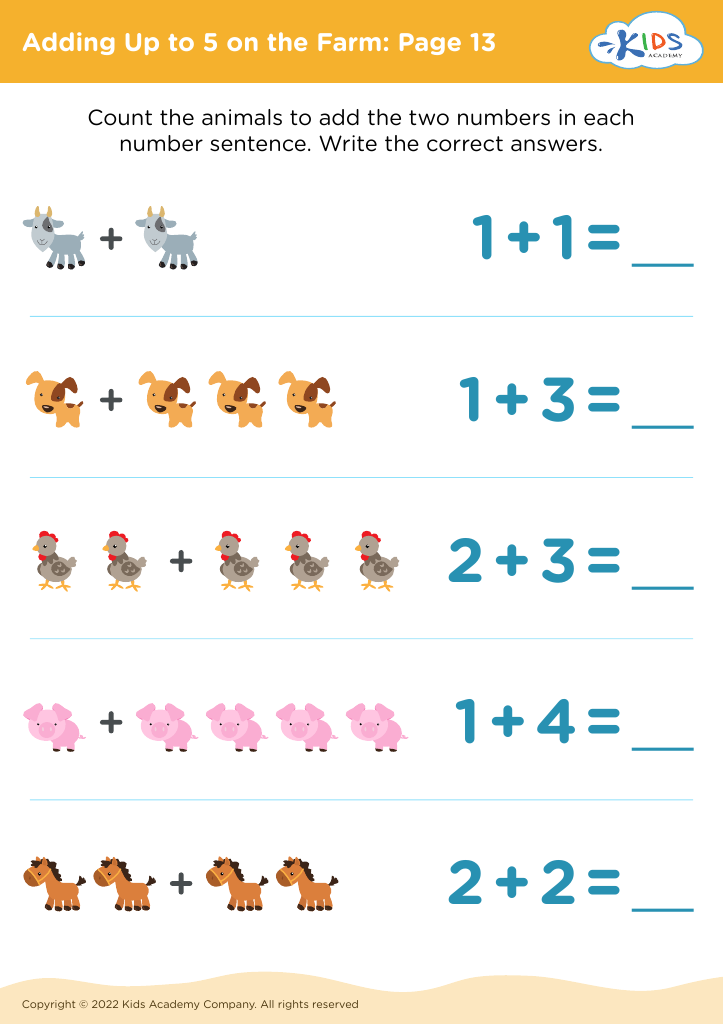
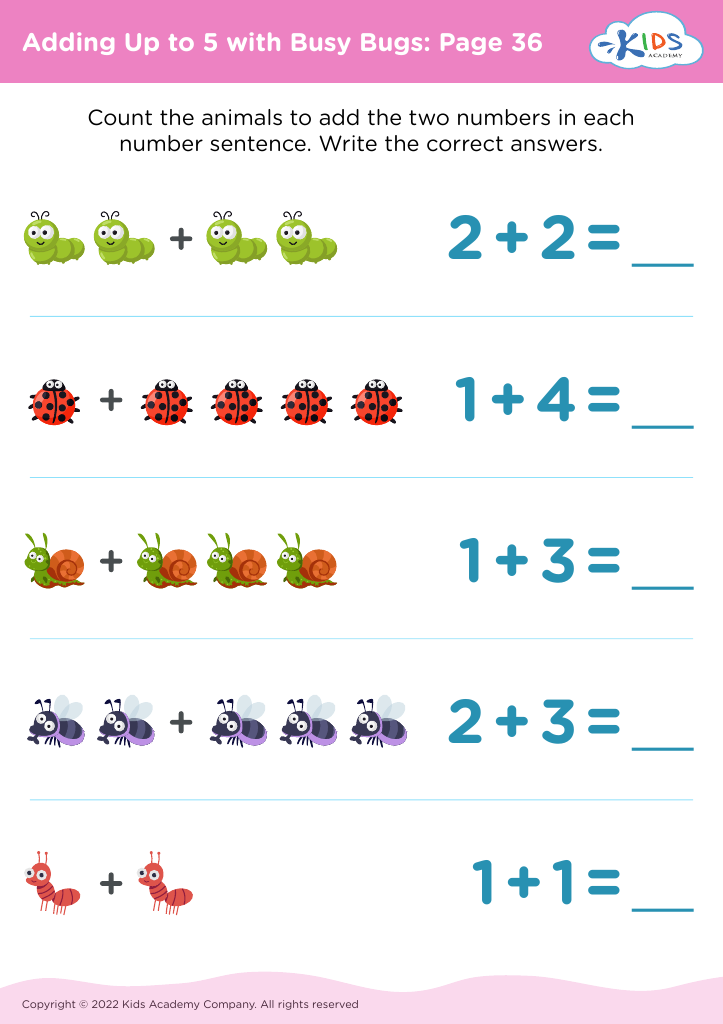
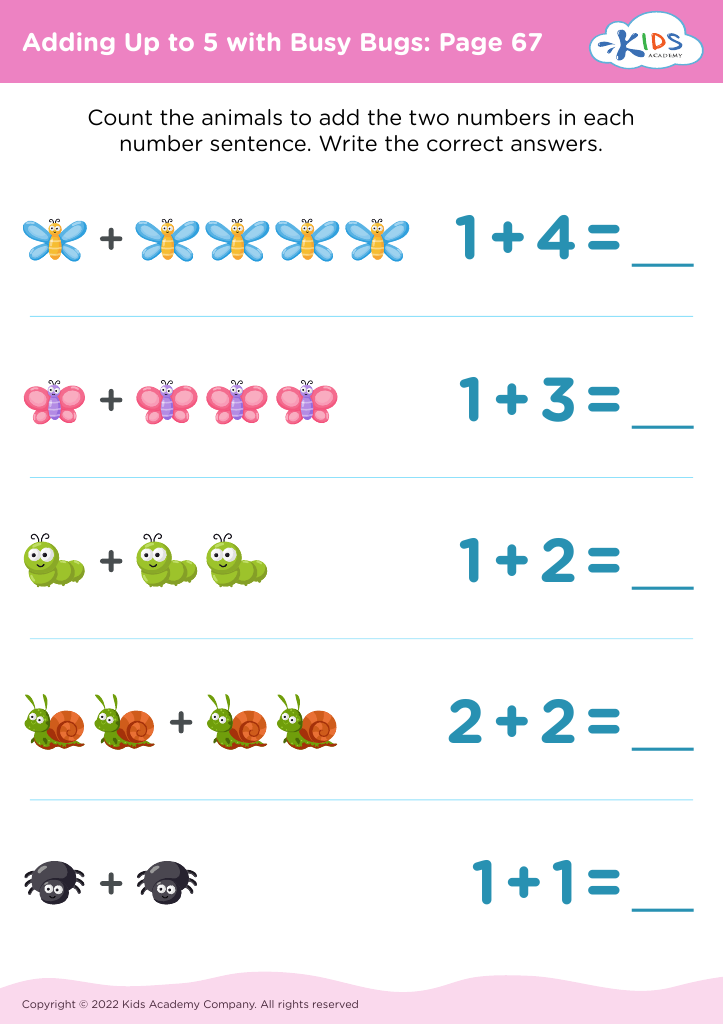
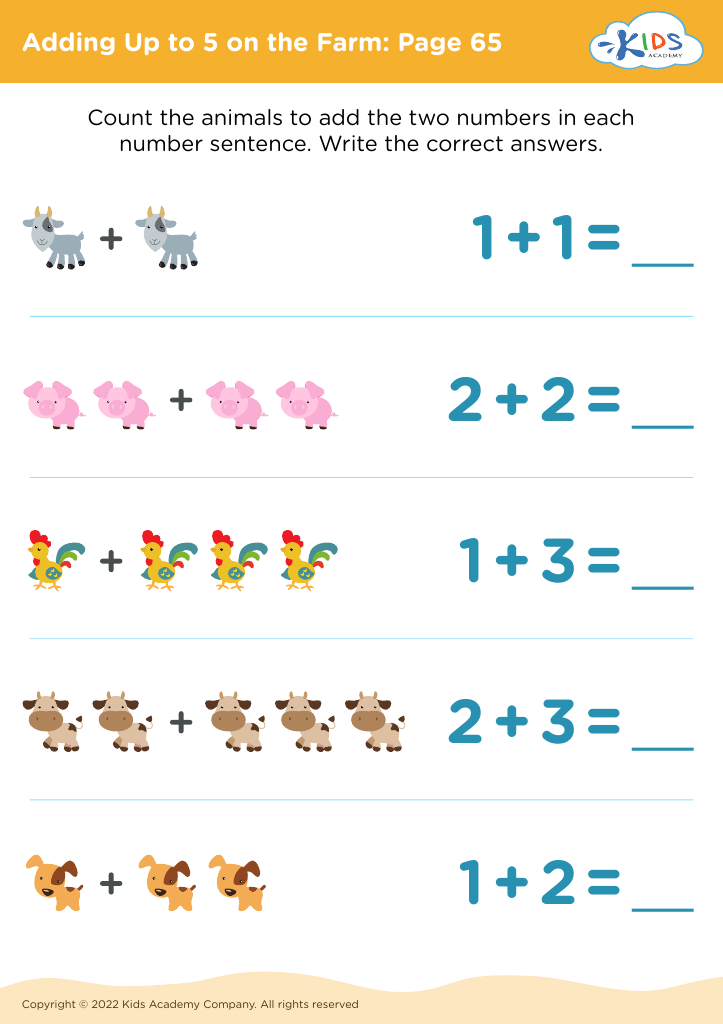
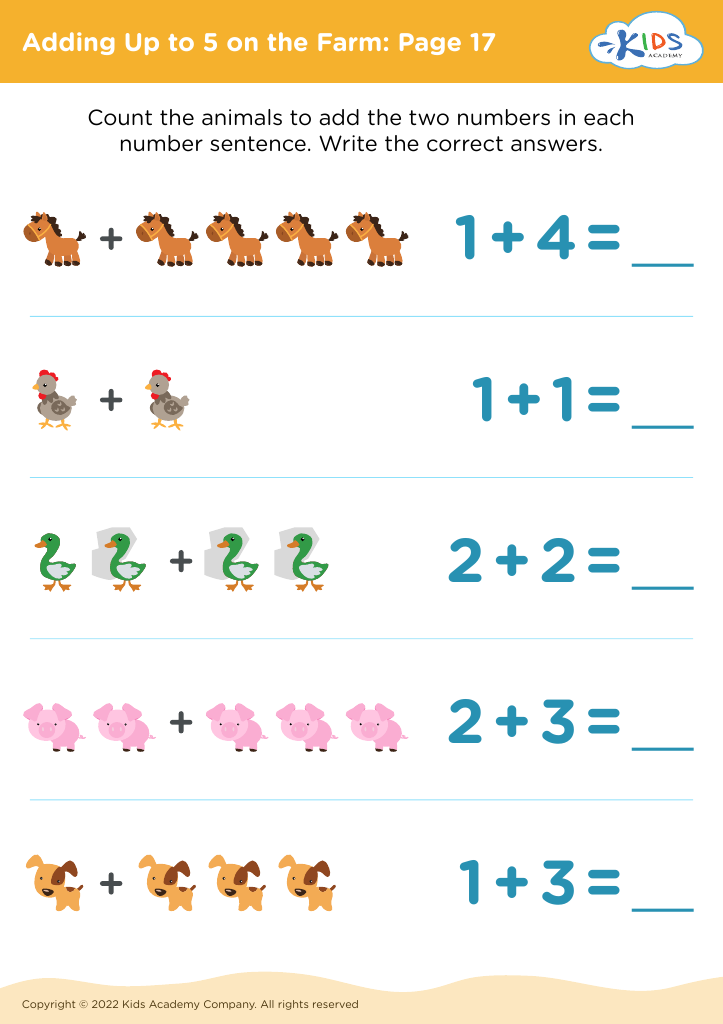
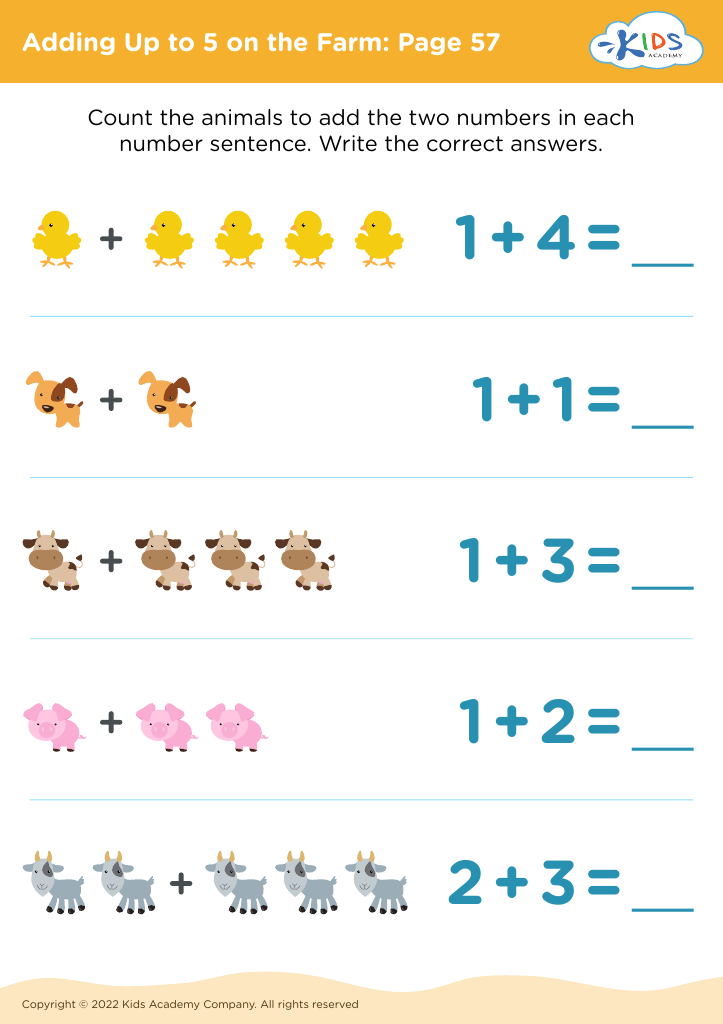
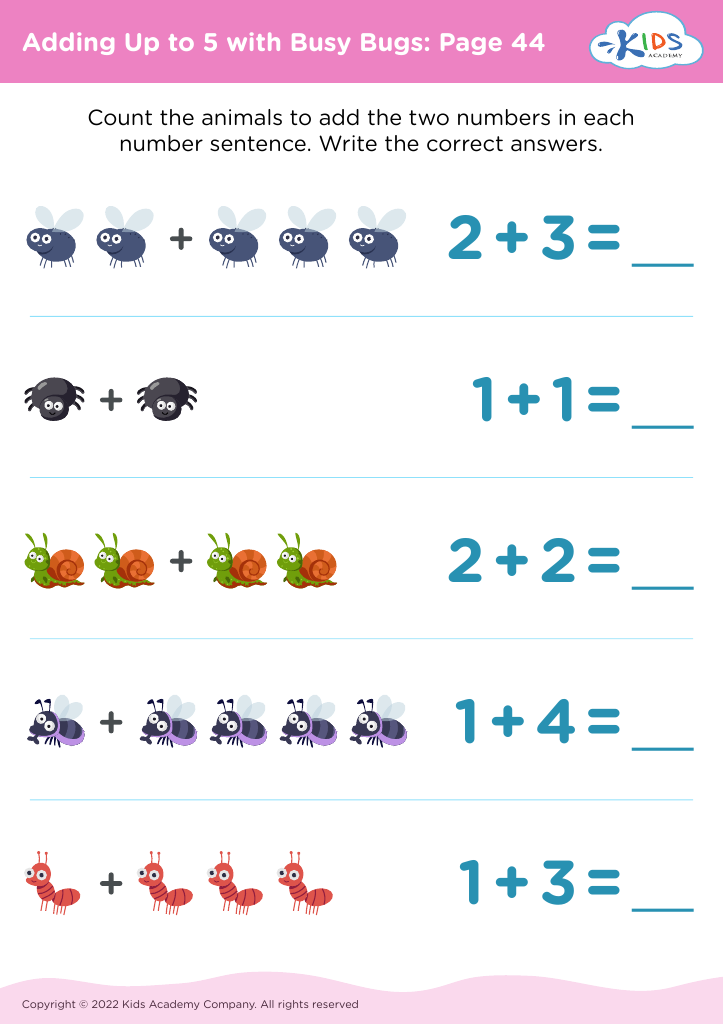
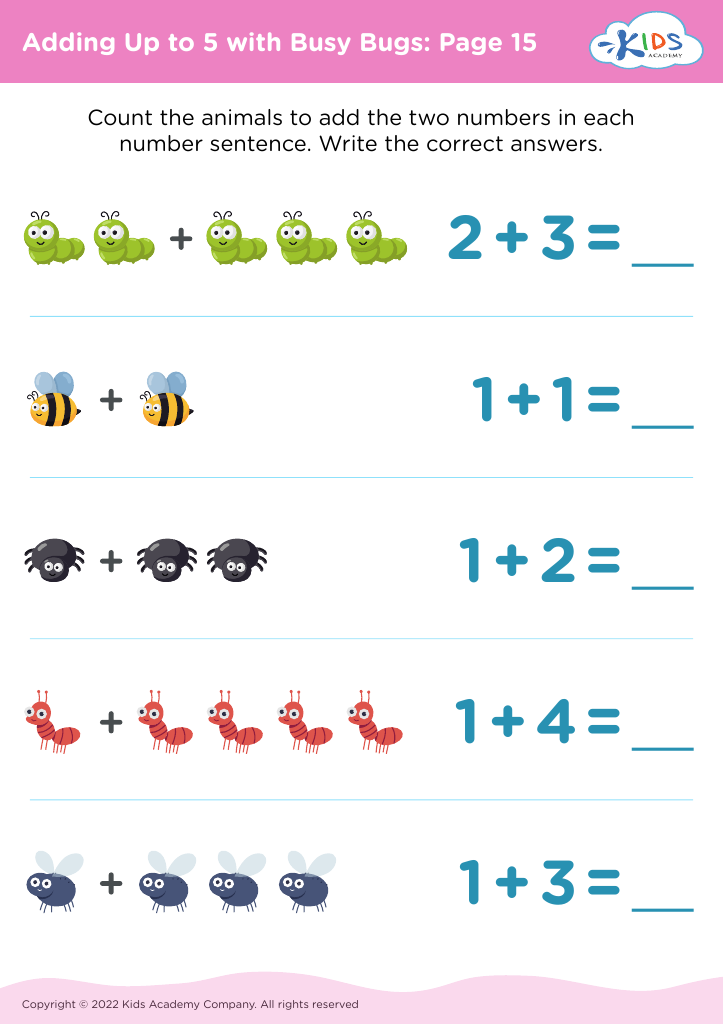
Discover the importance of understanding quantity through our engaging addition worksheets designed for children aged 5-6. These resources provide a playful approach to early math concepts, helping young learners grasp the fundamentals of counting and addition. Our worksheets encourage children to visualize quantities, offering practical exercises that foster critical thinking and problem-solving skills. By using relatable illustrations and hands-on activities, students will develop a solid mathematical foundation while enjoying the learning process. Perfect for home or classroom settings, our understanding quantity addition worksheets make math fun and effective, setting the stage for successful future learning in mathematics. Explore our collection today!
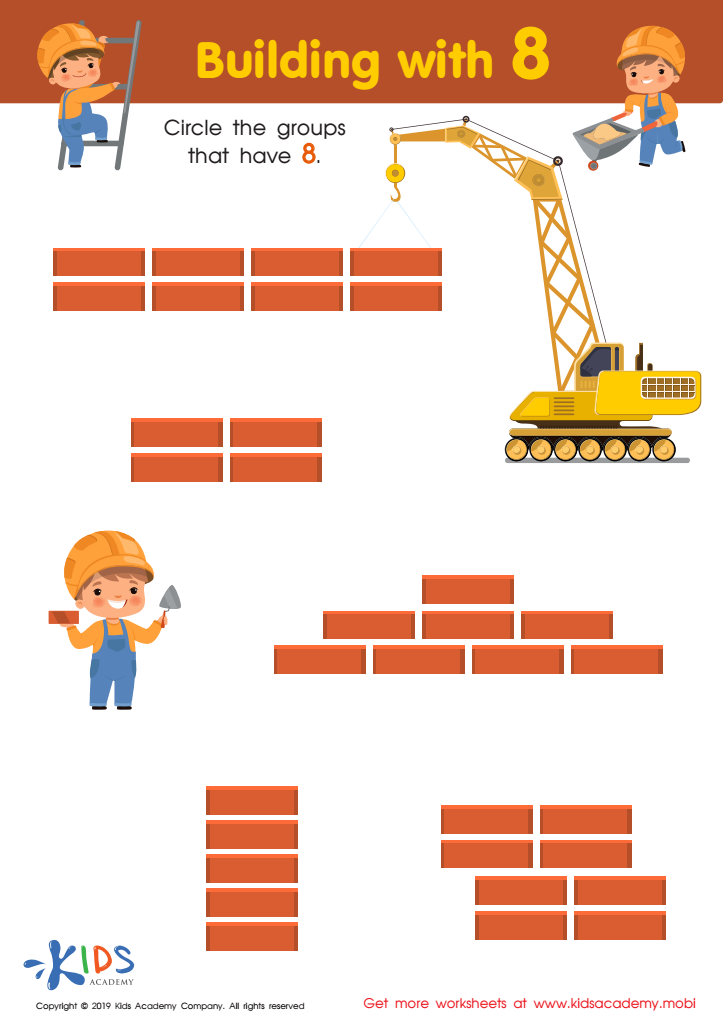
Building with 8 Worksheet
 Assign to My Students
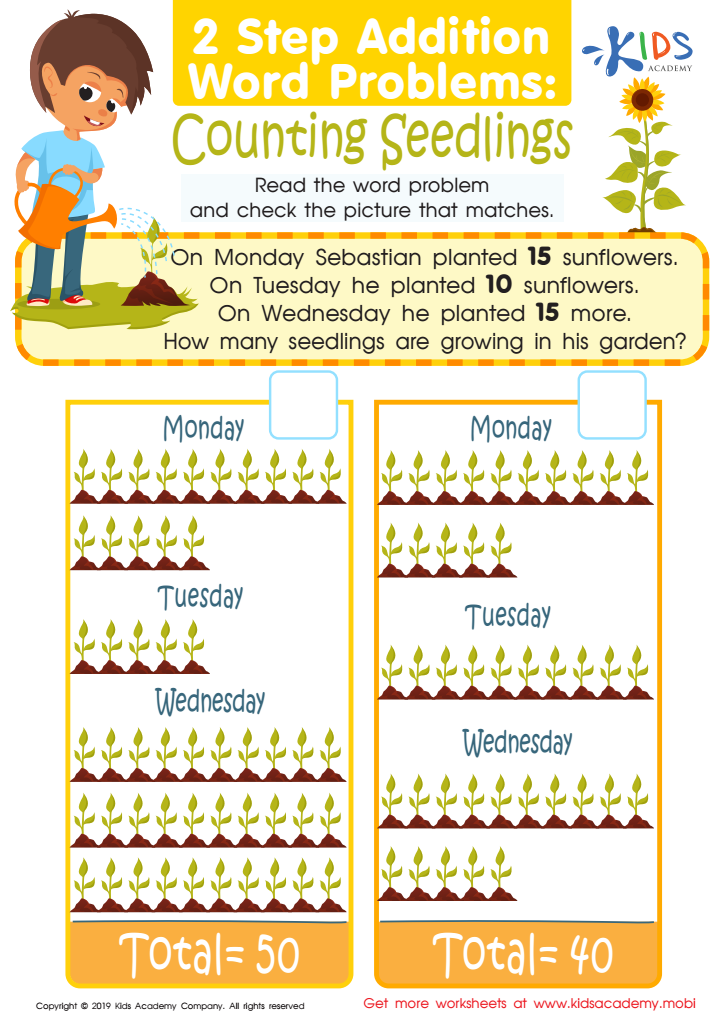
Counting Seedlings Worksheet
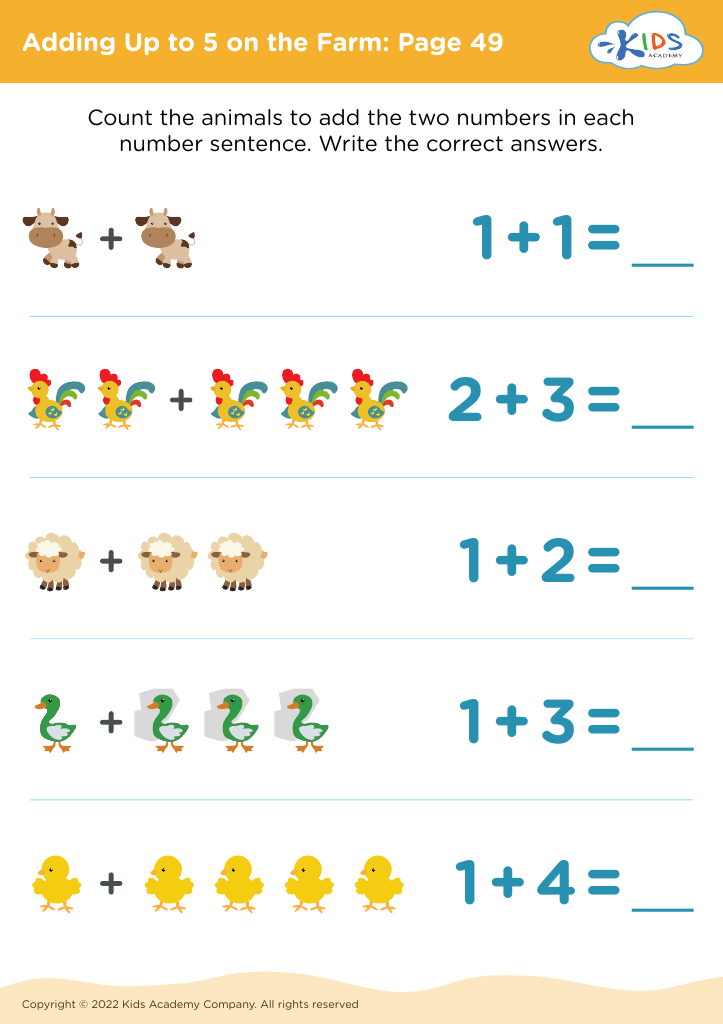
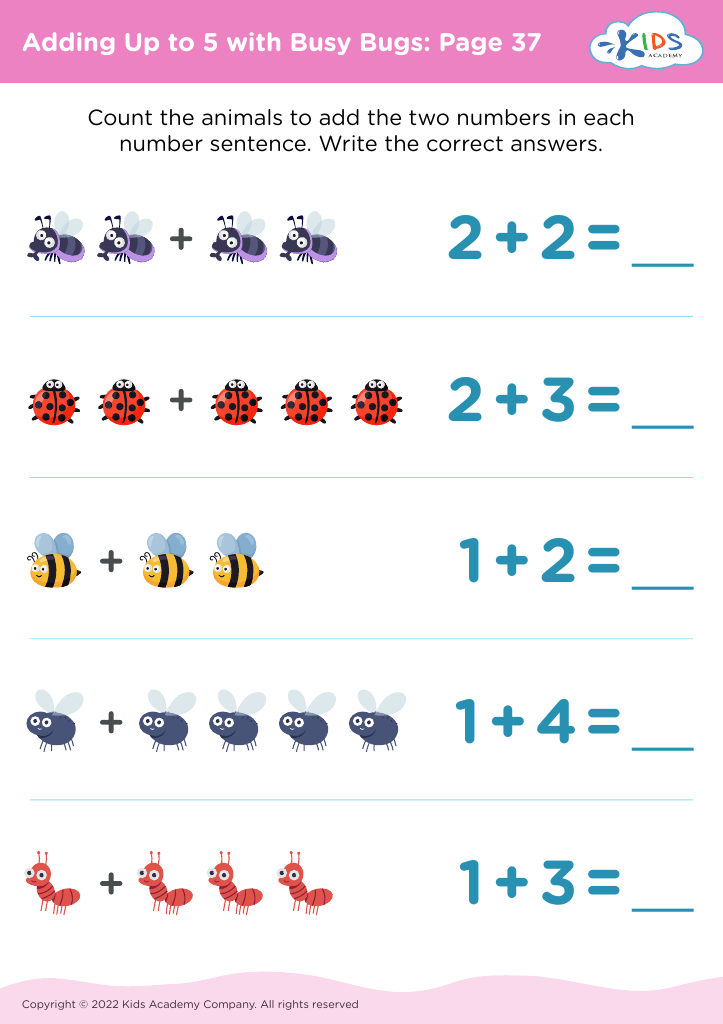
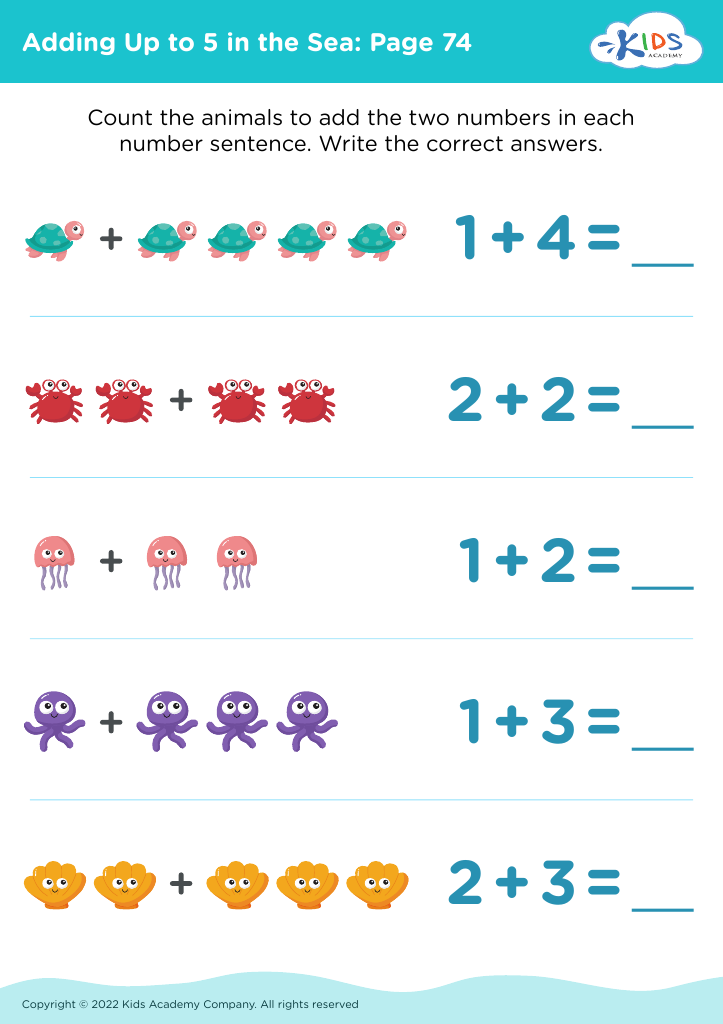
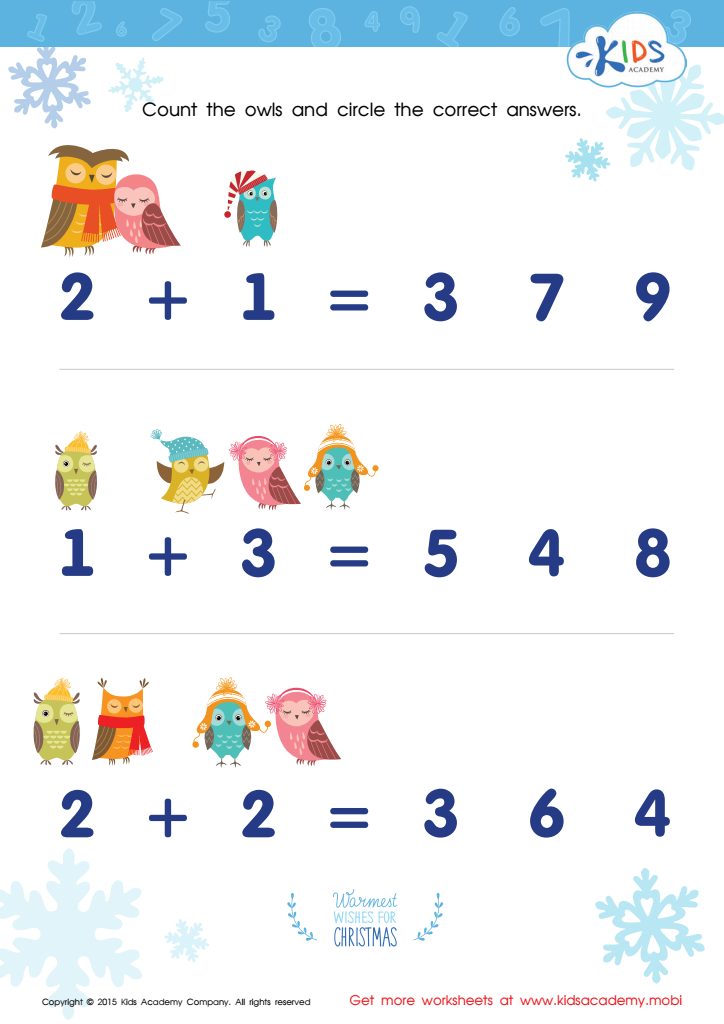
Count Little Owls Worksheet




.jpg)



Understanding quantity and addition is crucial for children aged 5-6 as it lays the foundation for their mathematical development and overall cognitive growth. At this age, children are naturally curious and eager to explore their environment. Introducing concepts of quantity and addition nurtures their curiosity, aiding in comprehension of numbers and fostering problem-solving skills.
Moreover, grasping the concept of addition encourages children to recognize patterns and relationships in numbers, enhancing their analytical thinking from an early age. This skill not only supports mathematical learning but also translates to real-world applications, such as managing resources and making decisions based on numerical information, which they will use throughout their lives.
Engaging with quantity and addition also fosters emotional and social development, as it often involves collaborative learning experiences. Working together on math problems promotes teamwork and communication skills.
For parents and teachers, emphasizing these foundational skills can significantly reduce future learning gaps in mathematics, preparing children for more advanced concepts in subsequent grades. Overall, understanding quantity and addition is essential for cognitive, emotional, and social growth, making it a vital focus in early childhood education.








