Filters

87 filtered results

Clear all filters
Favorites
With answer key
Interactive

87 filtered results

Difficulty Level

Grade


Check out this FREE Trial Lesson on Addition for age 5-6!

X

Favorites
With answer key
Interactive
  • 5-6
  • Visual Learning
  • Addition
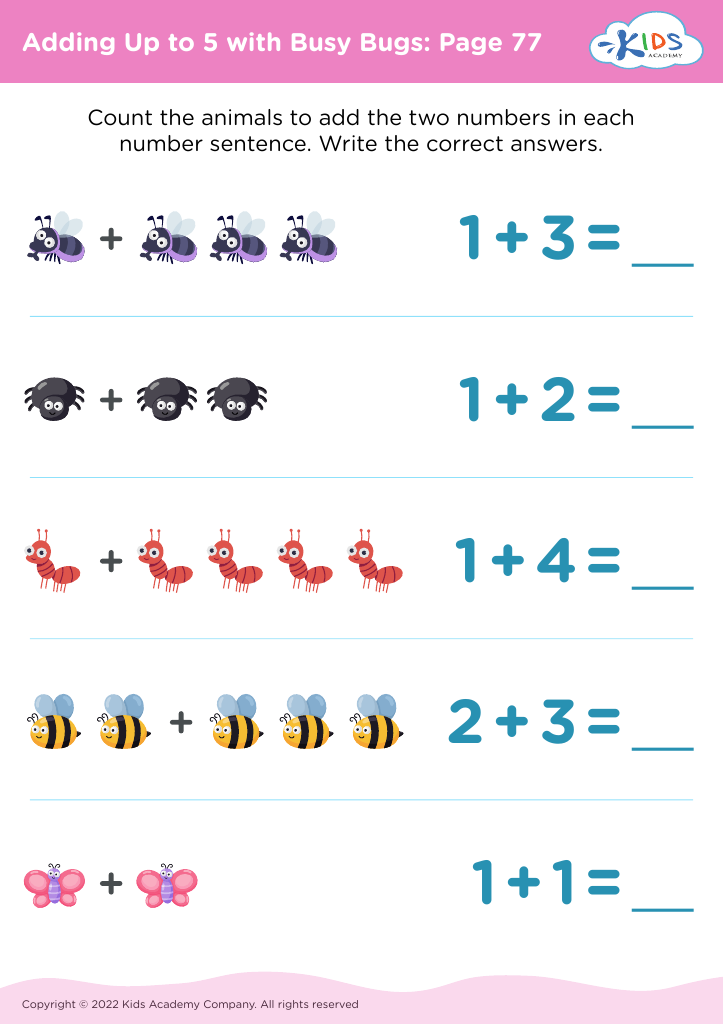
Adding Up to 5 with Busy Bugs: Page 77
Worksheet
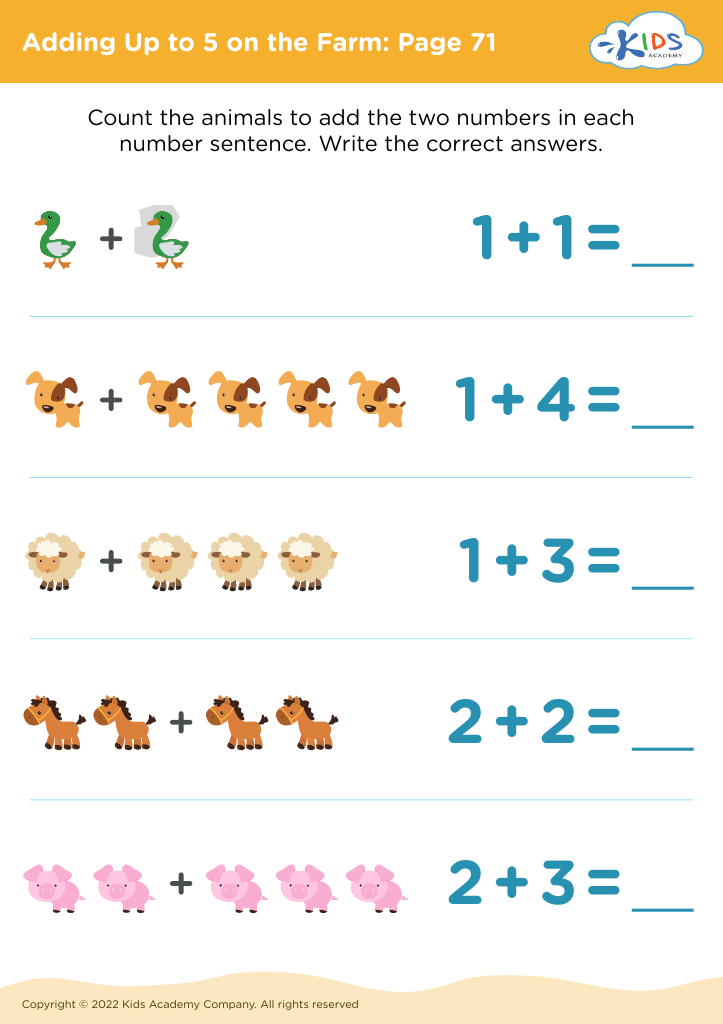
Adding Up to 5 on the Farm: Page 71
Worksheet
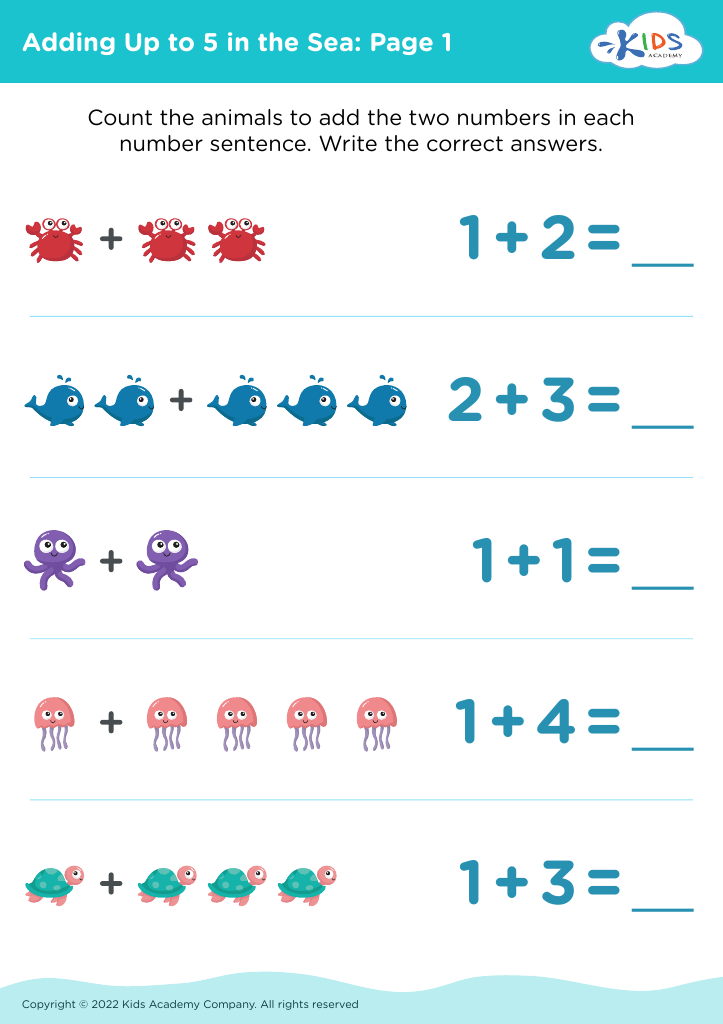
Adding Up to 5 in the Sea: Page 1

Adding Up to 5 in the Sea: Page 1

Adding Up to 5 in the Sea: Page 1
Worksheet
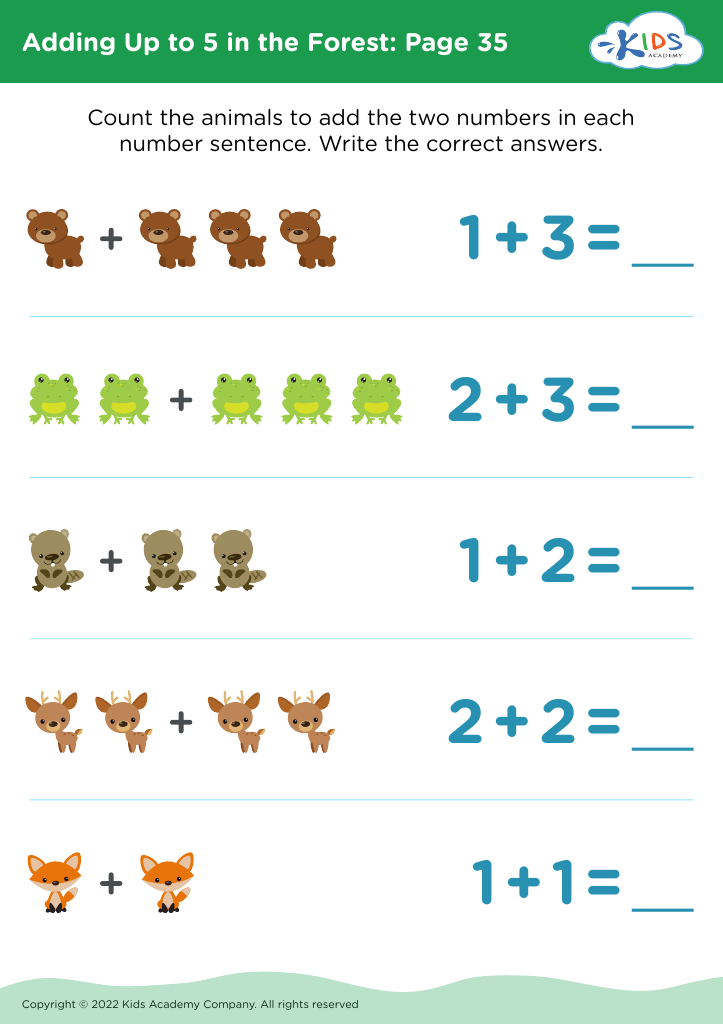
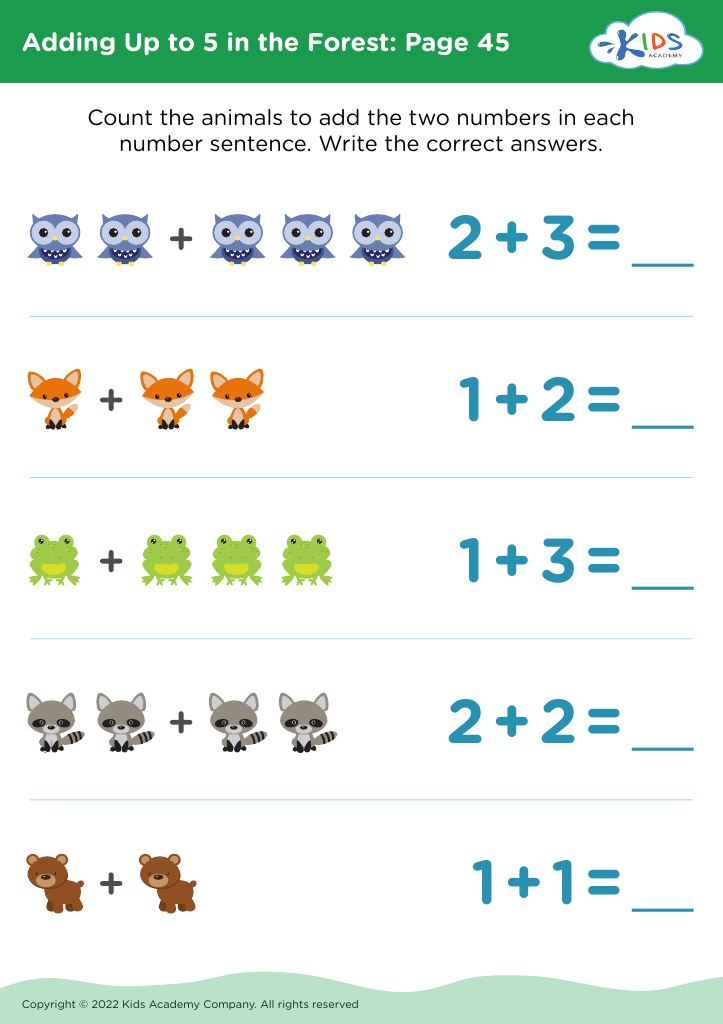
Adding Up to 5 in the Forest: Page 35
Worksheet
Adding Up to 5 in the Forest: Page 45
Worksheet
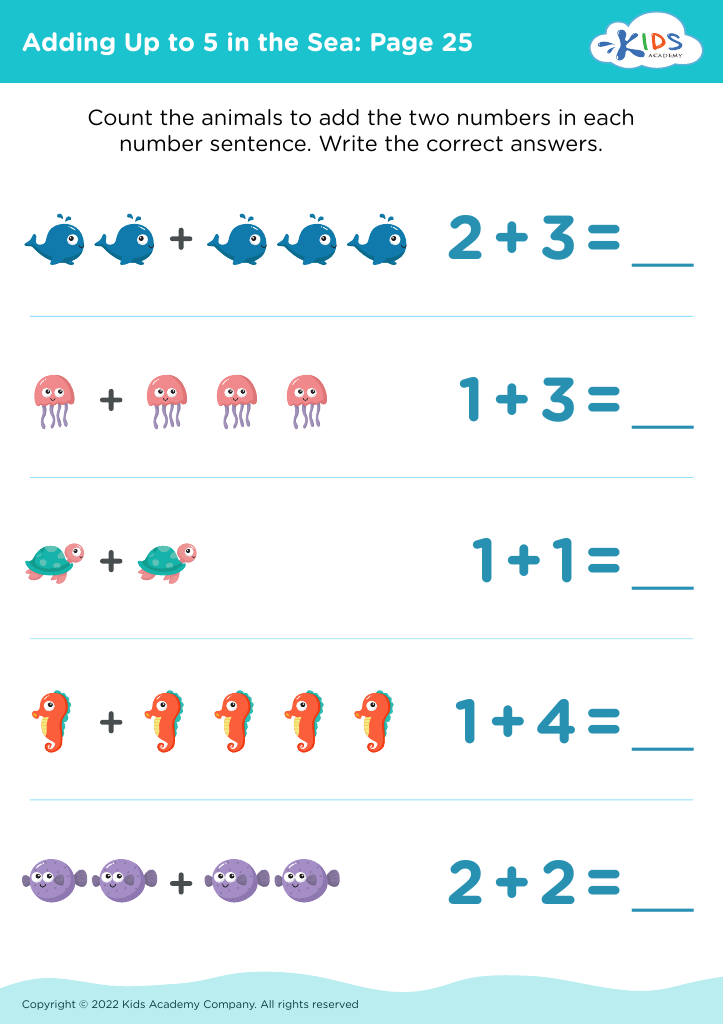
Adding Up to 5 in the Sea: Page 25
Worksheet
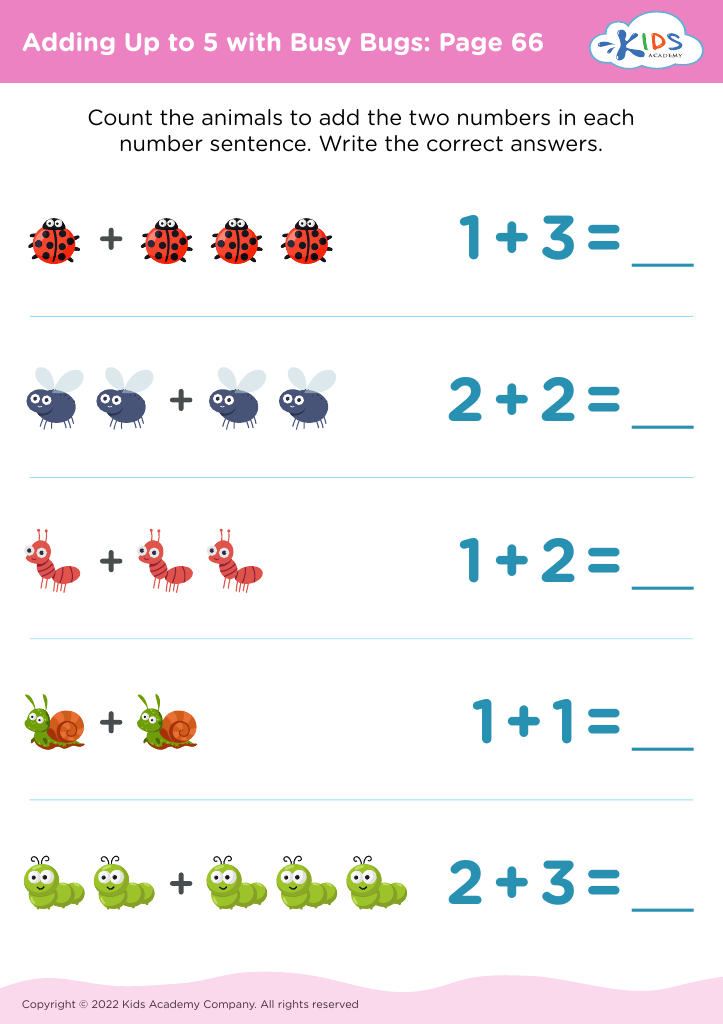
Adding Up to 5 with Busy Bugs: Page 66
Worksheet
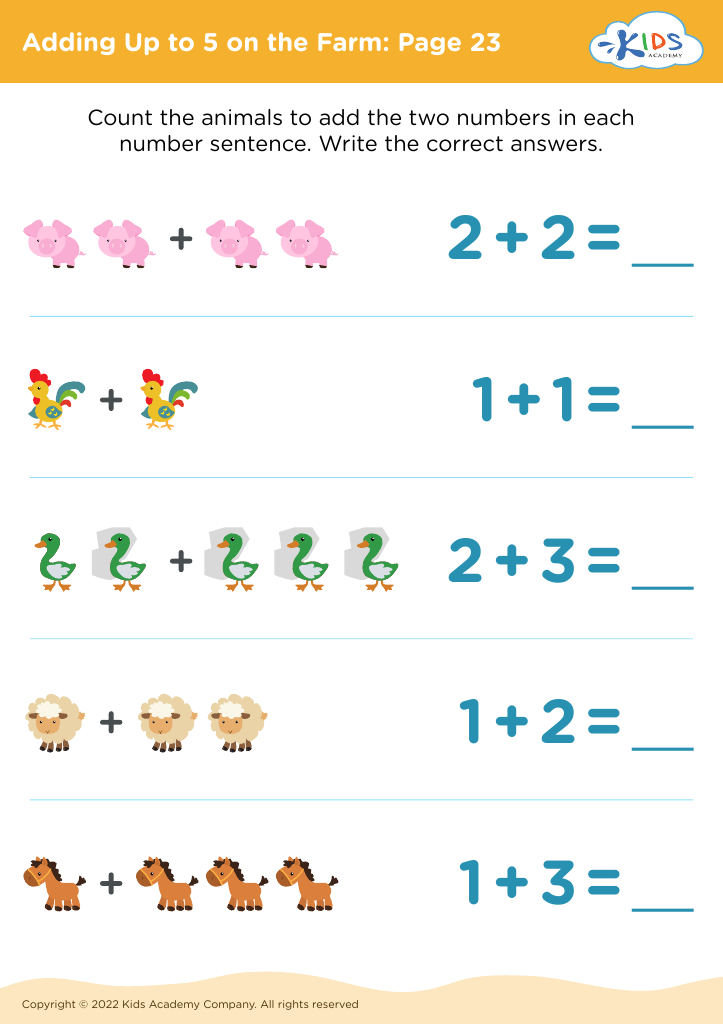
Adding Up to 5 on the Farm: Page 23
Worksheet
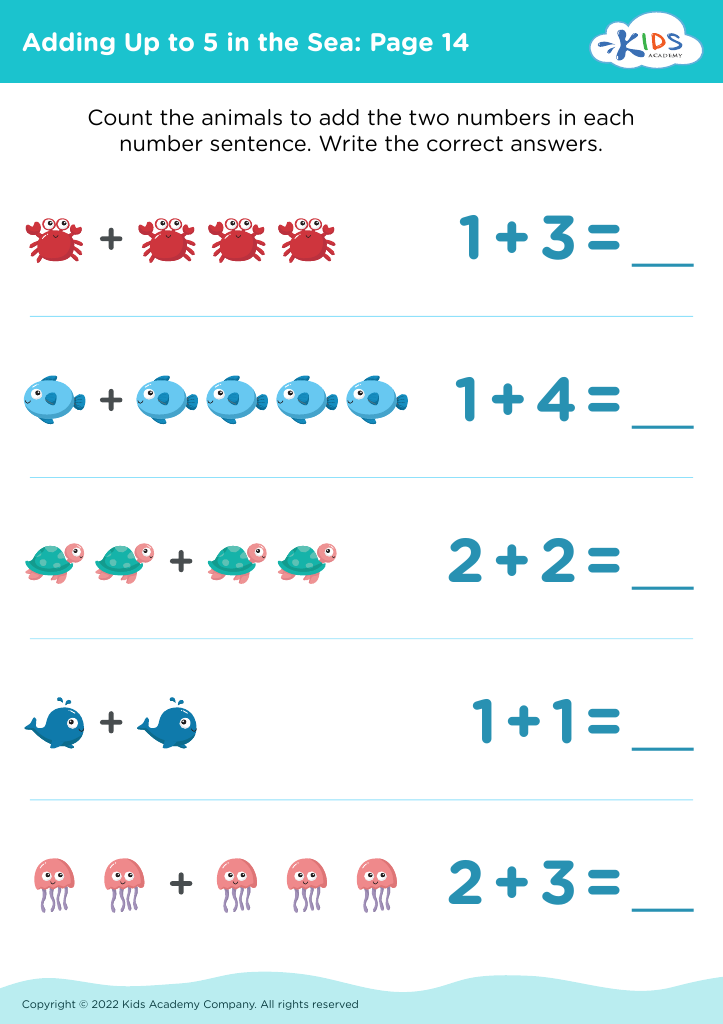
Adding Up to 5 in the Sea: Page 14
Worksheet
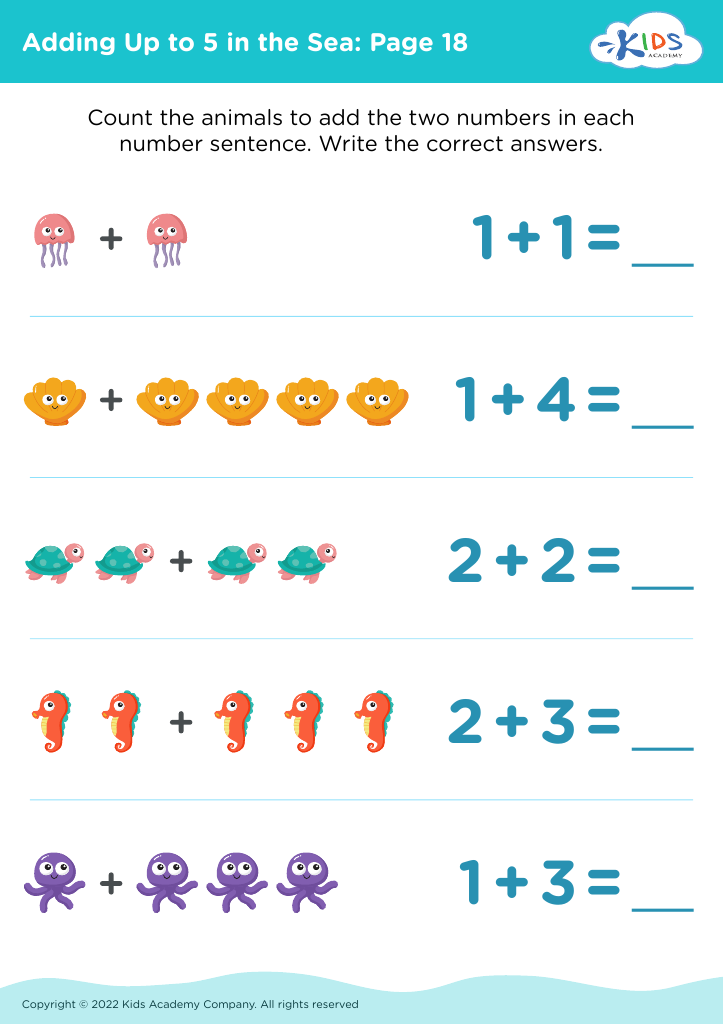
Adding Up to 5 in the Sea: Page 18
Worksheet
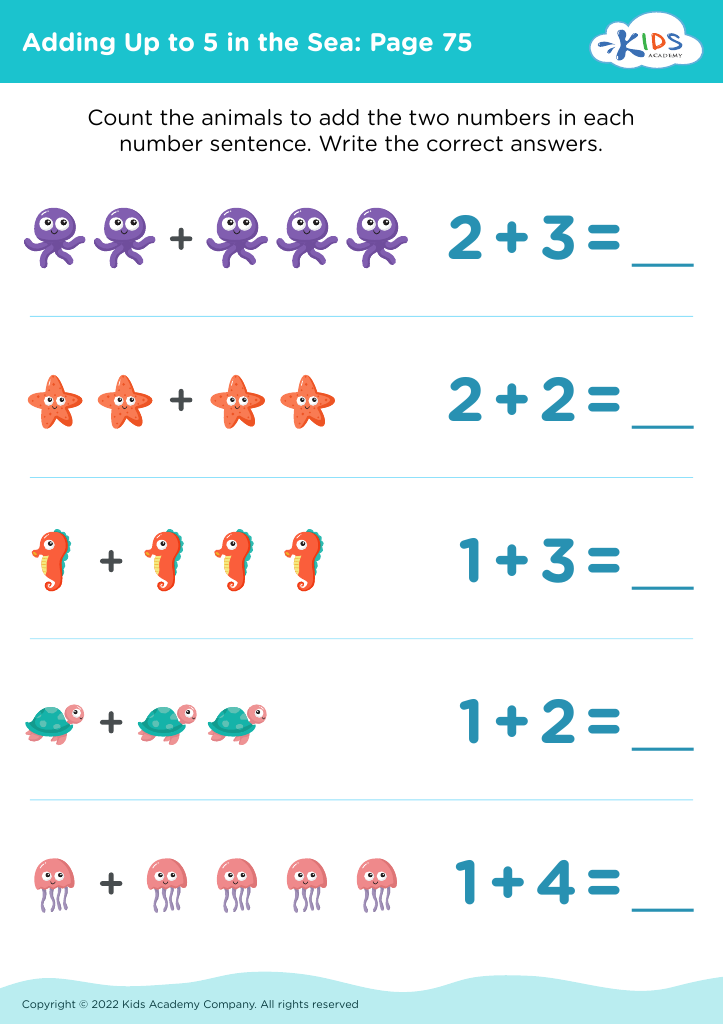
Adding Up to 5 in the Sea: Page 75
Worksheet
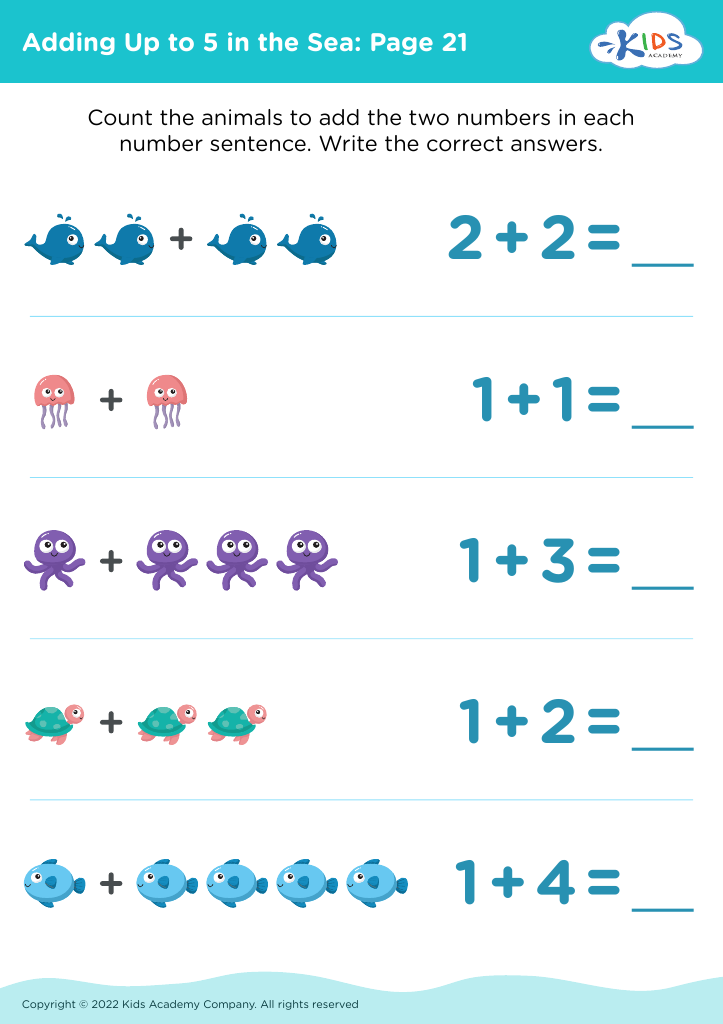
Adding Up to 5 in the Sea: Page 21
Worksheet
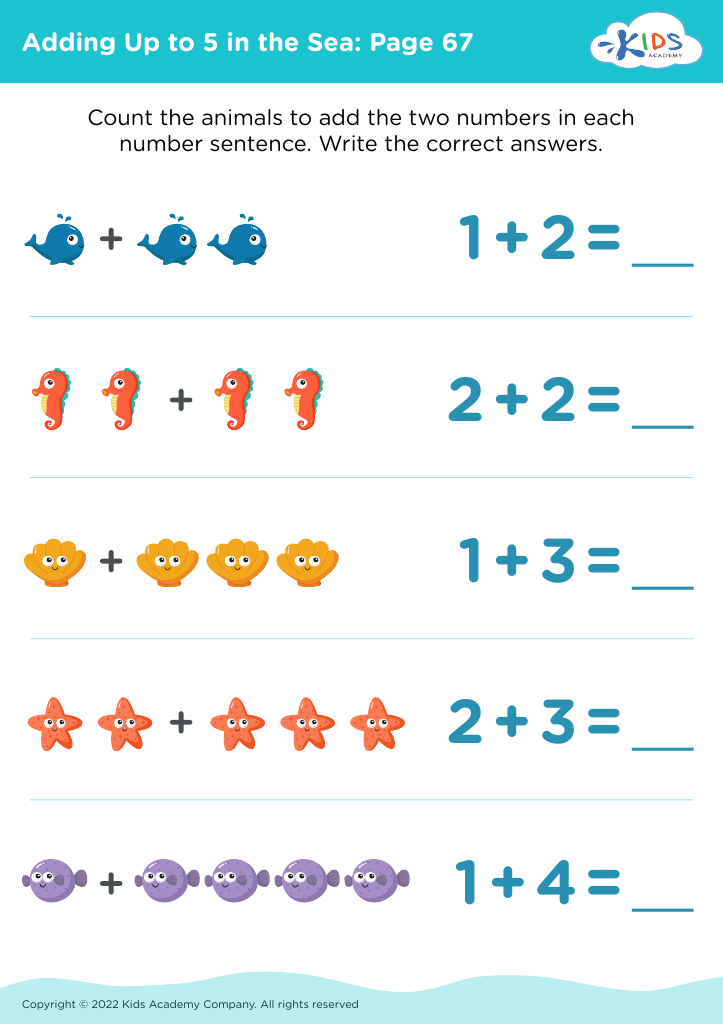
Adding Up to 5 in the Sea: Page 67
Worksheet
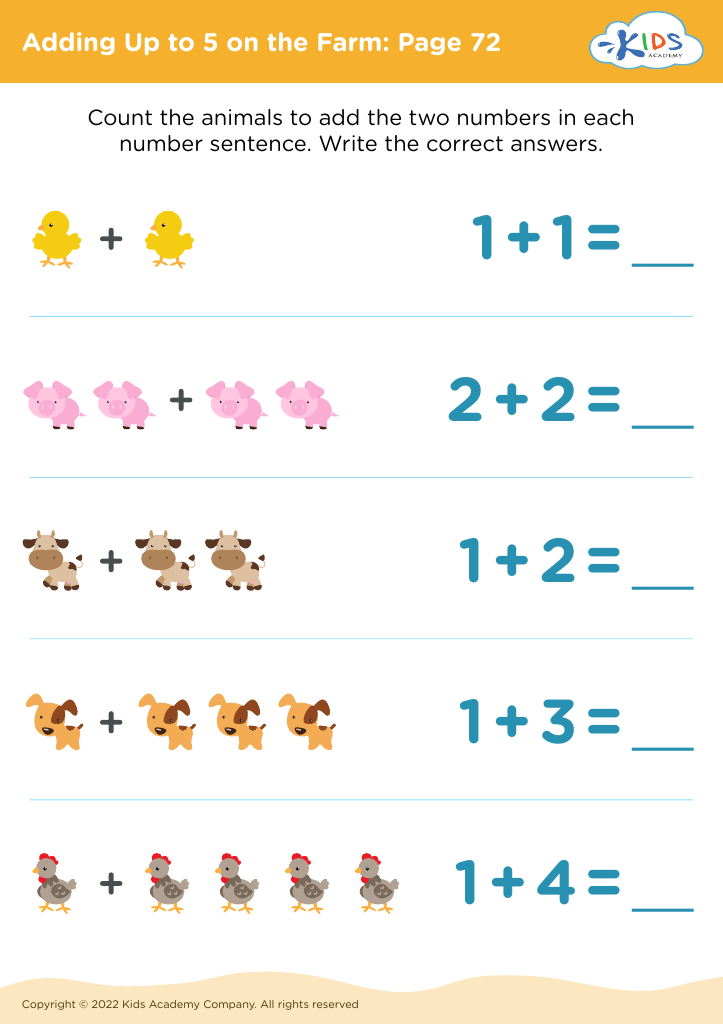
Adding Up to 5 on the Farm: Page 72
Worksheet
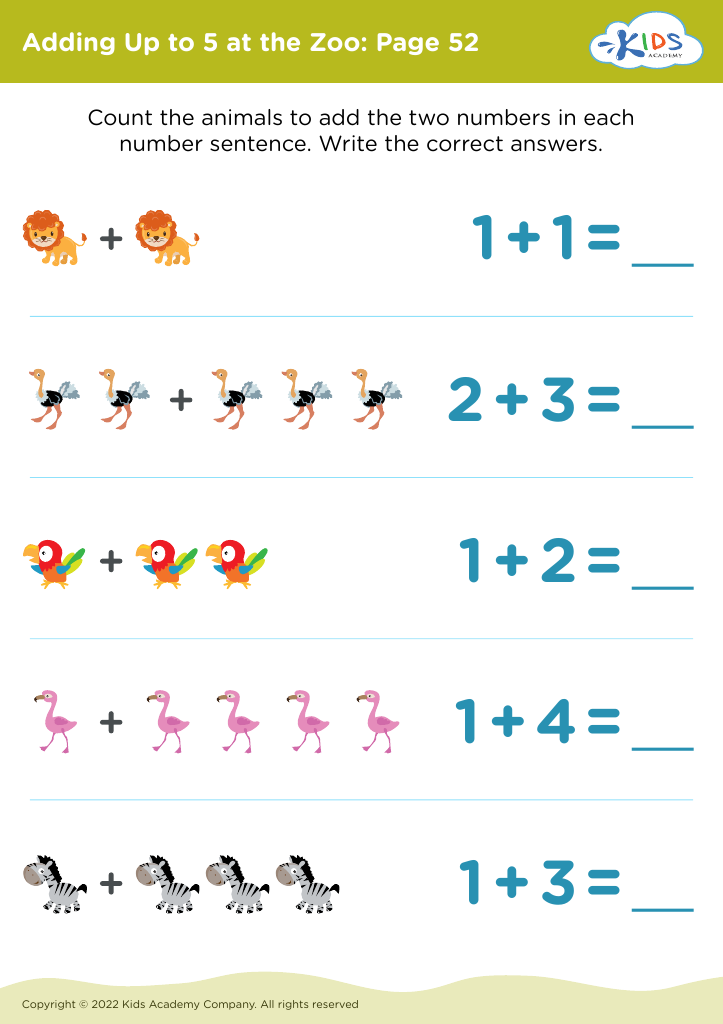
Adding Up to 5 at the Zoo: Page 52
Worksheet
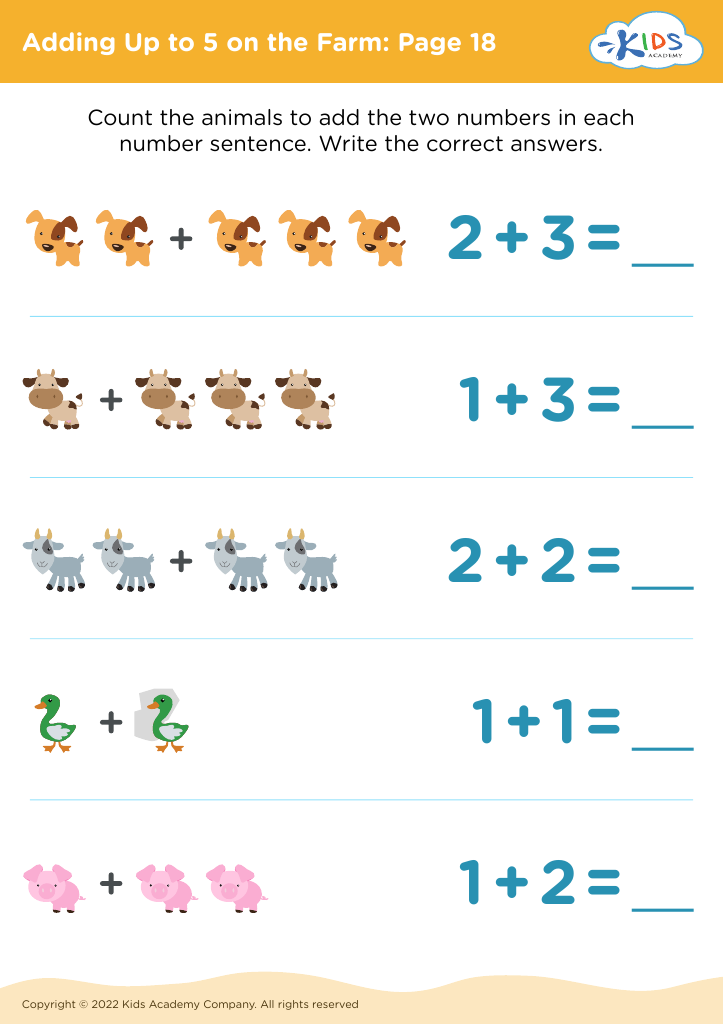
Adding Up to 5 on the Farm: Page 18
Worksheet
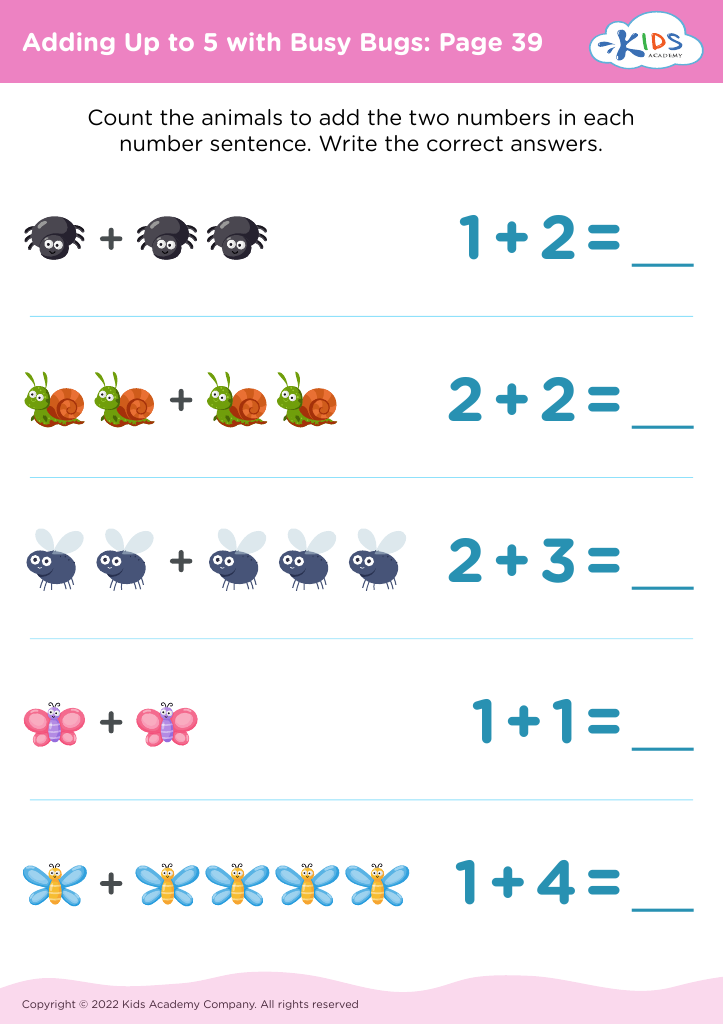
Adding Up to 5 with Busy Bugs: Page 39
Worksheet
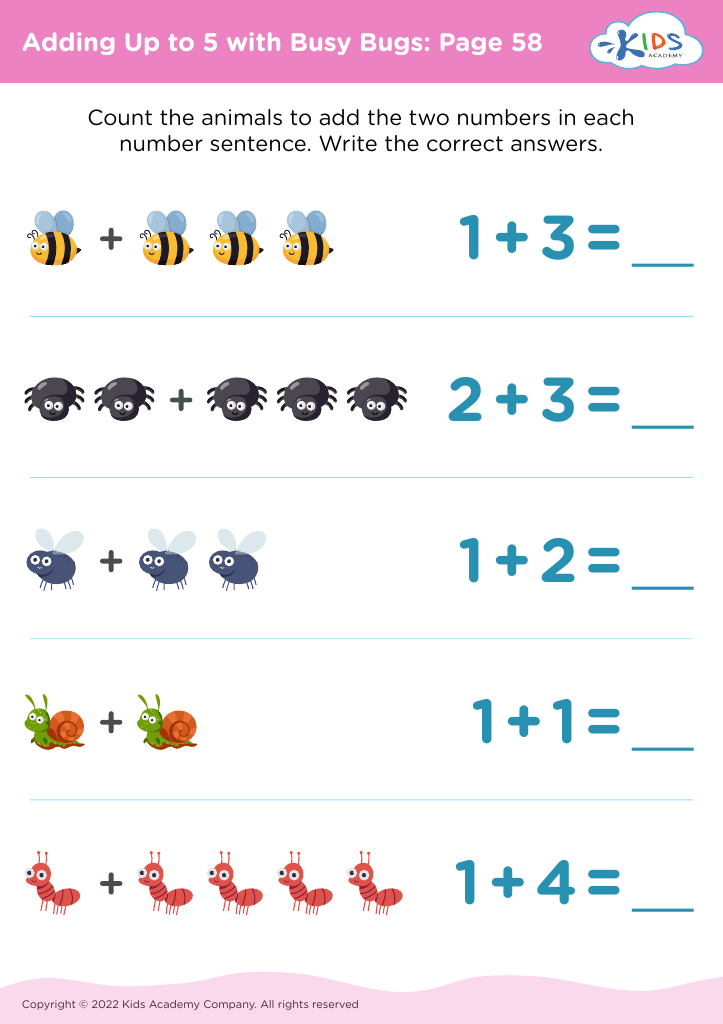
Adding Up to 5 with Busy Bugs: Page 58
Worksheet
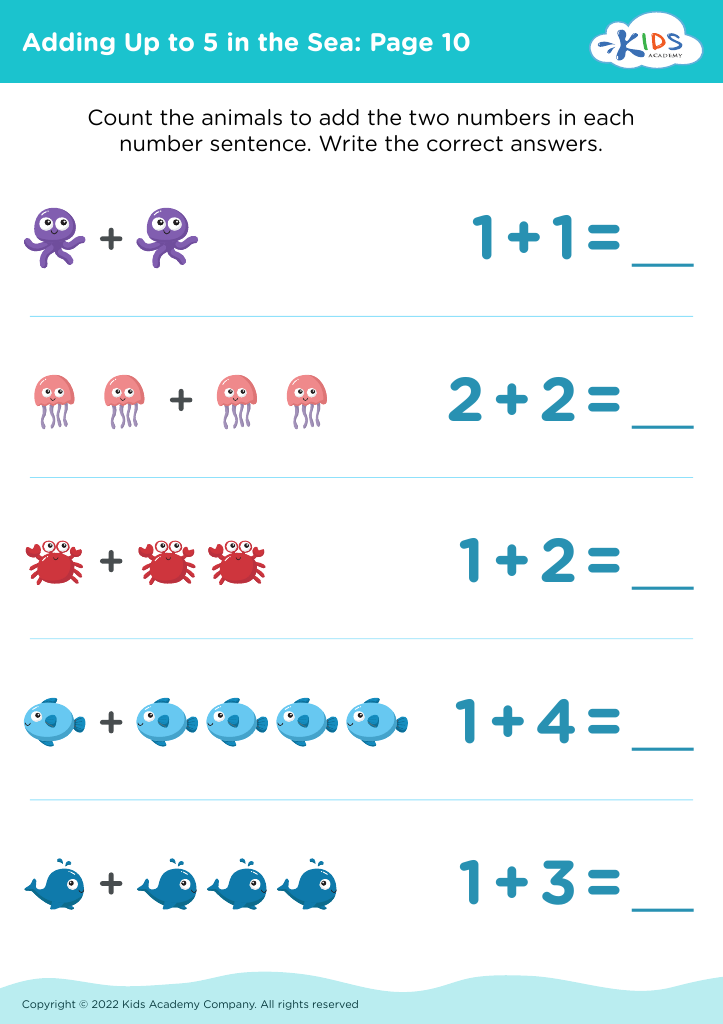
Adding Up to 5 in the Sea: Page 10
Worksheet
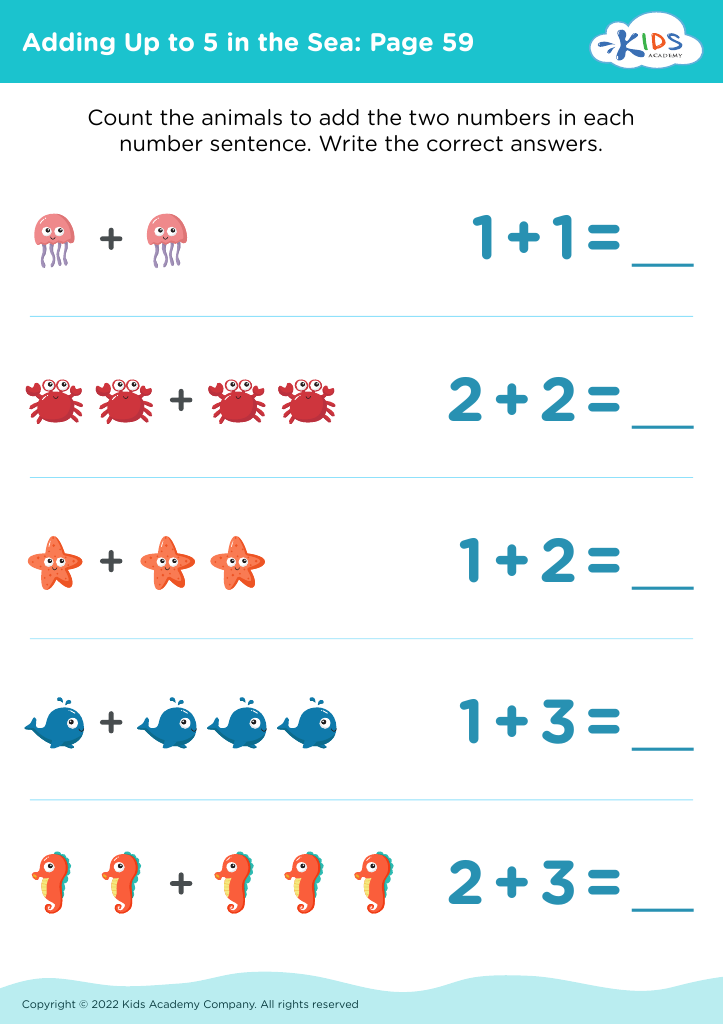
Adding Up to 5 in the Sea: Page 59
Worksheet
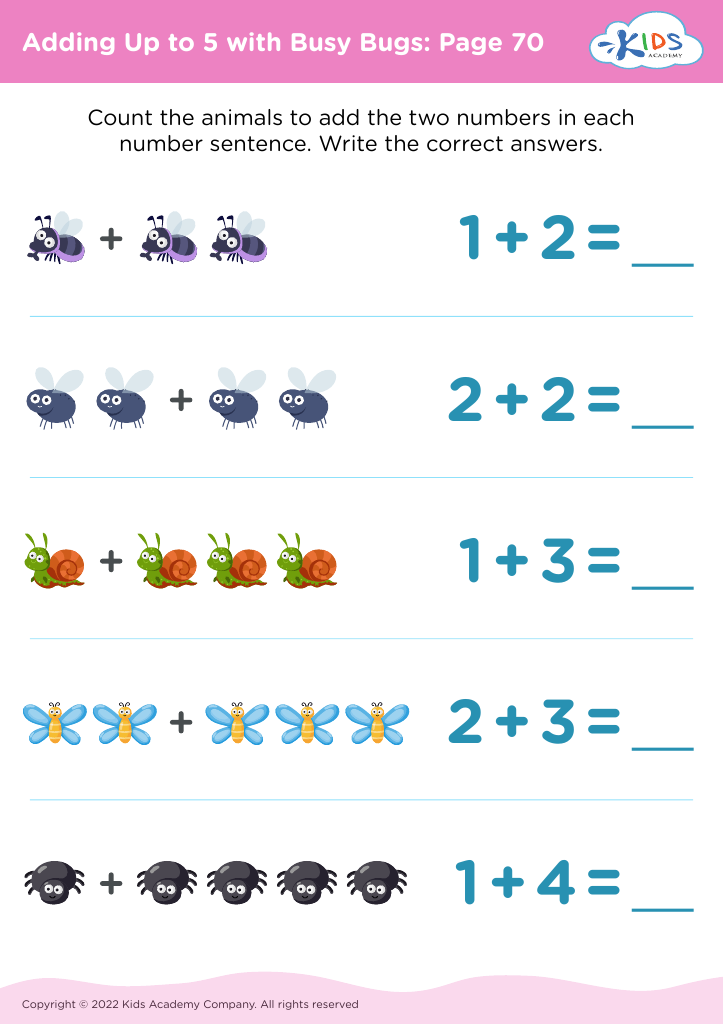
Adding Up to 5 with Busy Bugs: Page 70
Worksheet
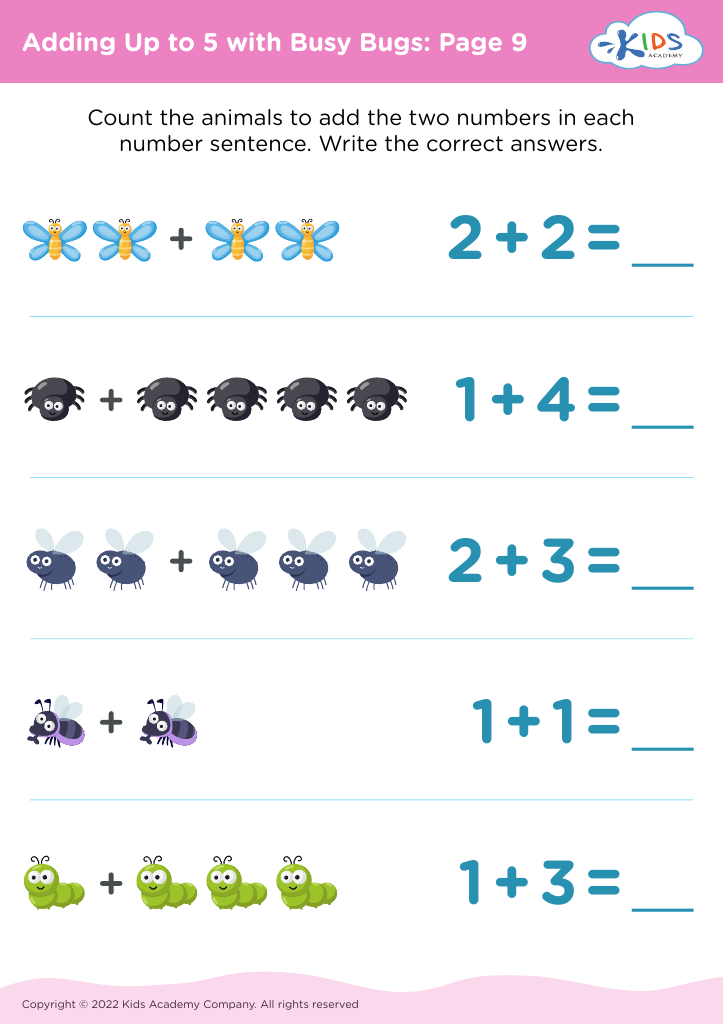
Adding Up to 5 with Busy Bugs: Page 9
Worksheet
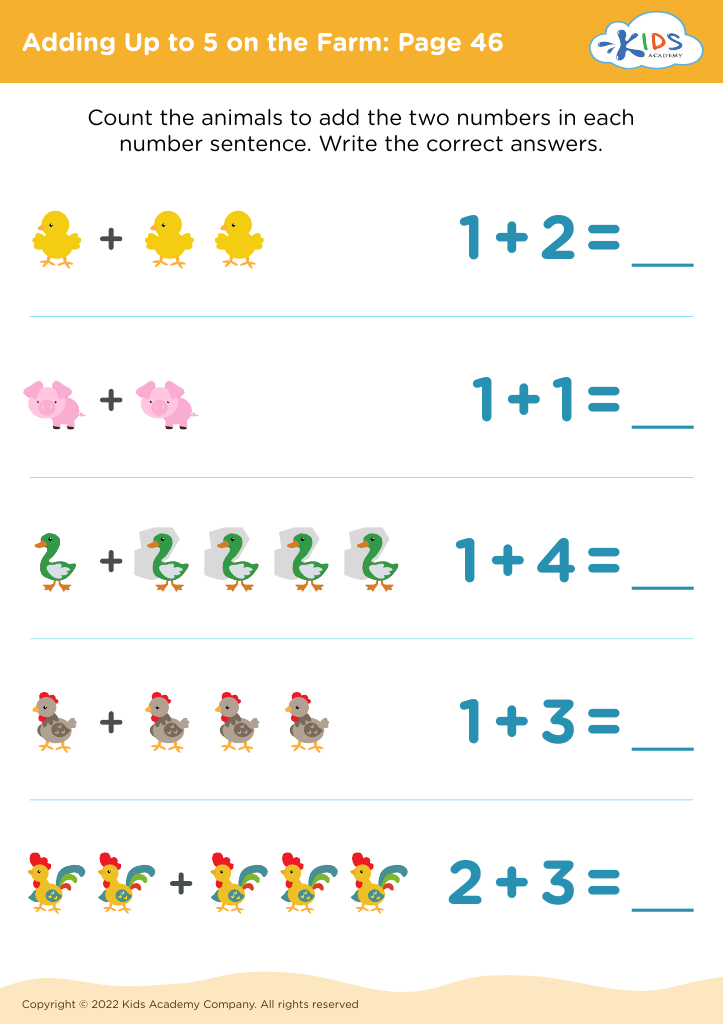
Adding Up to 5 on the Farm: Page 46
Worksheet
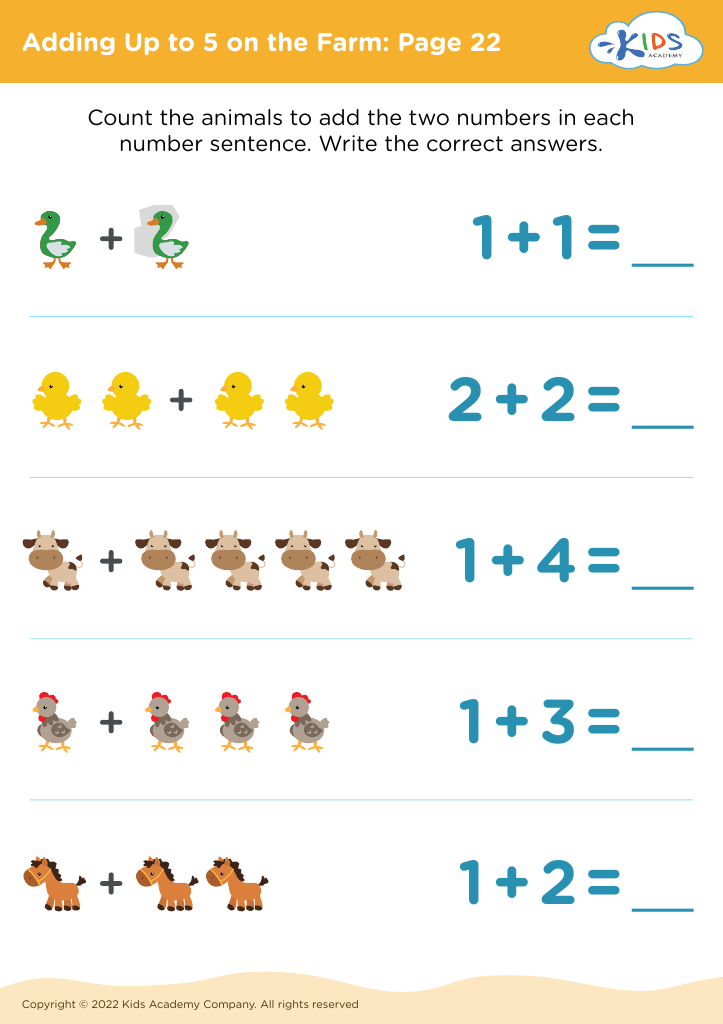
Adding Up to 5 on the Farm: Page 22
Worksheet


Parents or teachers should care about visual learning addition for children aged 5-6 because it harnesses the natural developmental strengths of young learners. At this age, children's thinking is concrete, meaning they best understand things they can see and manipulate. Visual learning strategies make abstract concepts, like addition, more relatable by using objects, pictures, and symbols that kids can physically handle or vividly imagine.

Using visual aids such as number lines, counters, and ten frames helps children grasp the principles of addition by providing tangible illustrations of abstract numerical relationships. These tools allow kids to see what happens when numbers are combined, reinforcing their understanding through sight and interaction. Visual learning also caters to multiple learning styles, ensuring that all students have an inclusive learning experience.

Moreover, engaging in visual learning builds critical foundational skills in mathematics, fostering early number sense and problem-solving abilities. These skills are crucial for future academic success, promoting confidence and reducing math-related anxiety from an early age. Encouraging visual learning makes math fun and accessible, igniting a lifelong interest in the subject.

In summary, visual learning catalyzes comprehension, engagement, and enthusiasm for math in young children, laying down a strong educational foundation that benefits their overall cognitive development and future academic pursuits.