Number Recognition Comparing Numbers Worksheets for Ages 5-6
5 filtered results
-
From - To
Looking for effective ways to enhance your child's number skills? Our "Number Recognition Comparing Numbers Worksheets for Ages 5-6" are designed to make learning fun and engaging. These worksheets blend vibrant visuals with interactive tasks to help young learners understand number values and differences. Perfect for kindergarten students, they foster critical thinking, improve counting skills, and build a solid math foundation. Our worksheets are easy to print and provide a variety of exercises that develop number recognition and comparison abilities. Give your child the confidence they need in math with our expertly crafted resources!
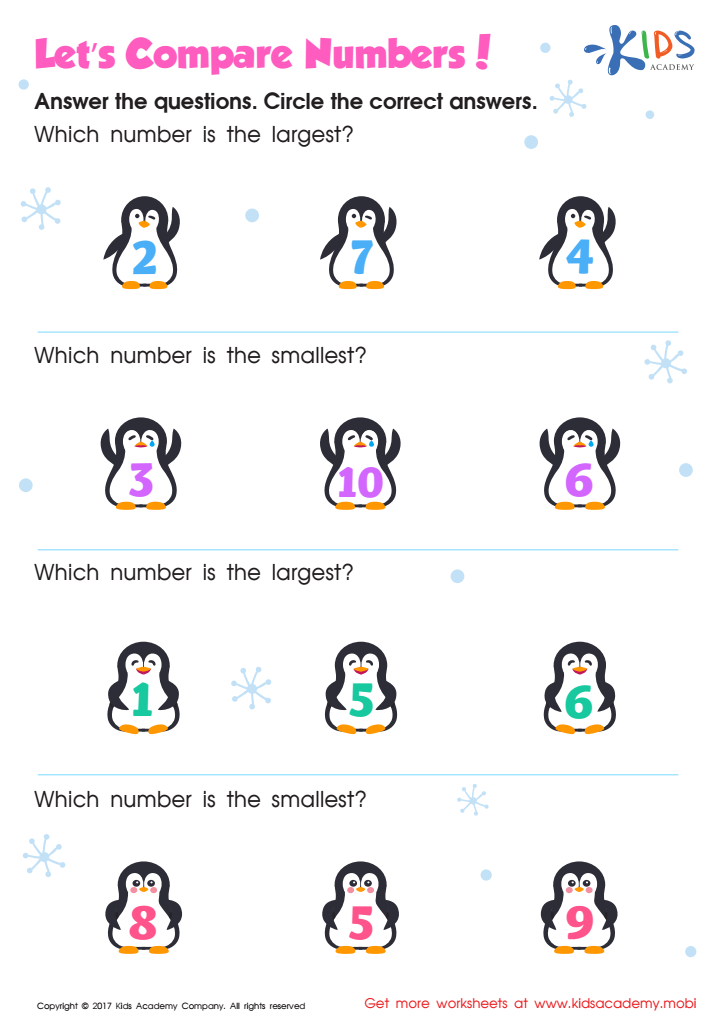
Comparing Numbers 1–10 Worksheet Kindergarten
 Assign to My Students
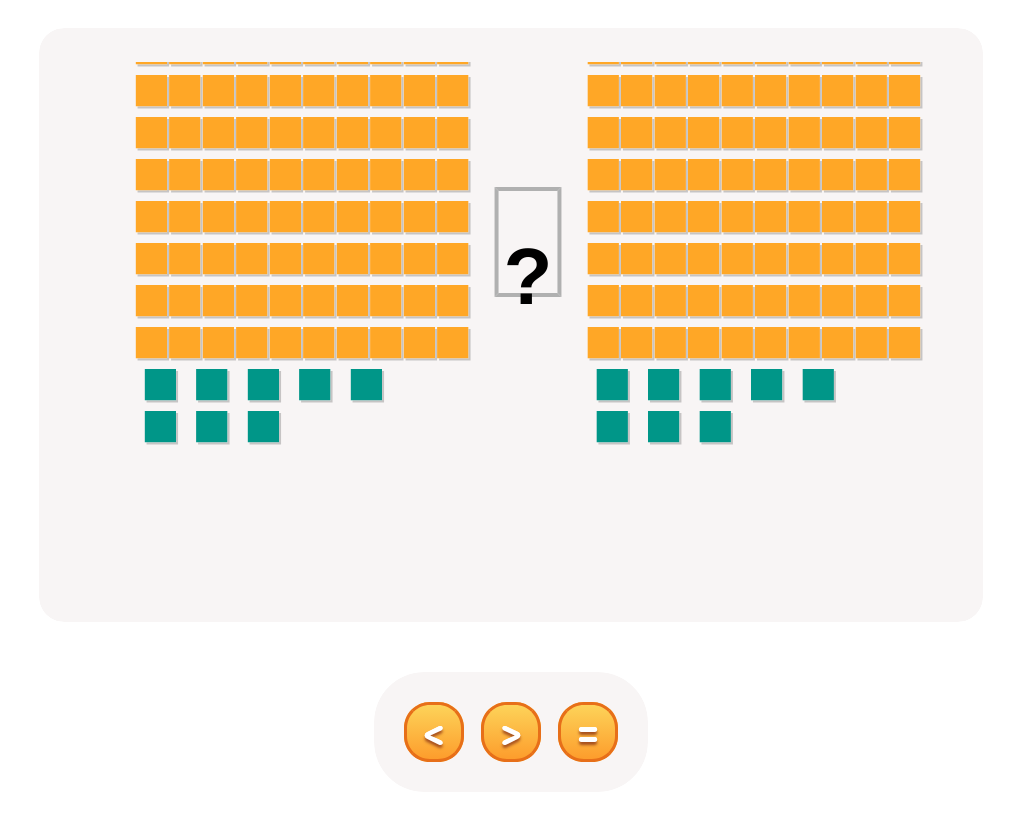

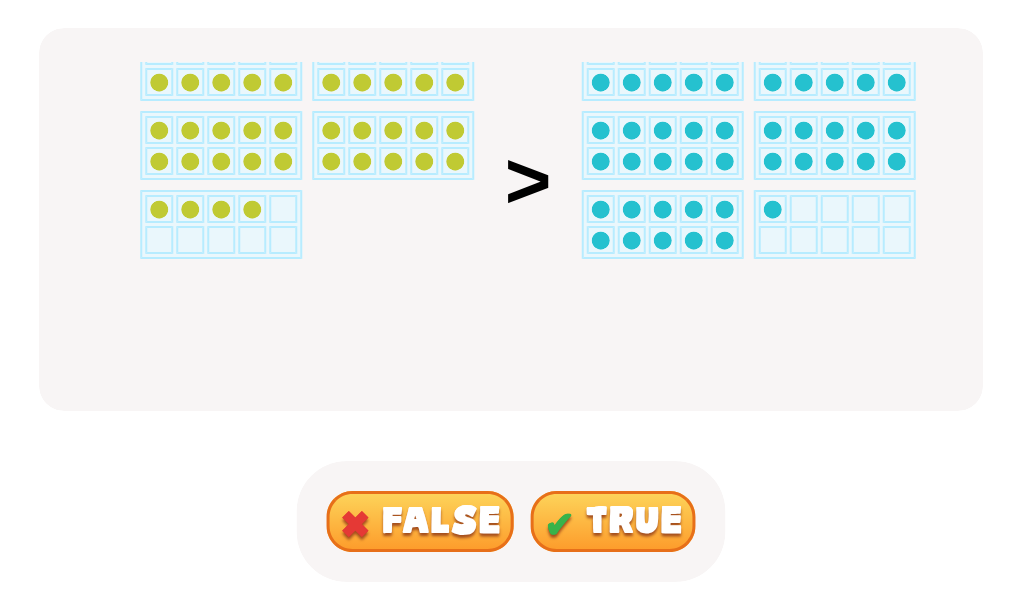
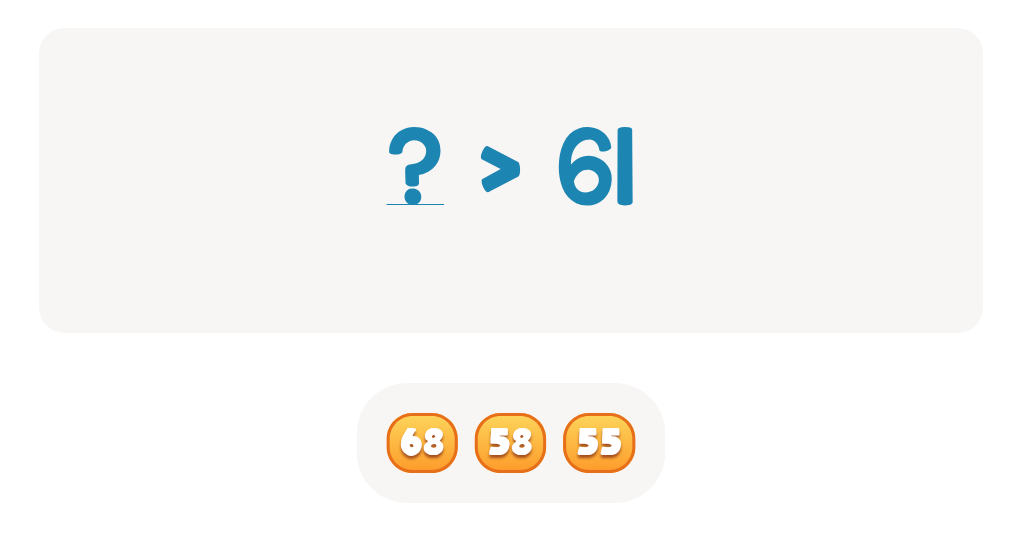
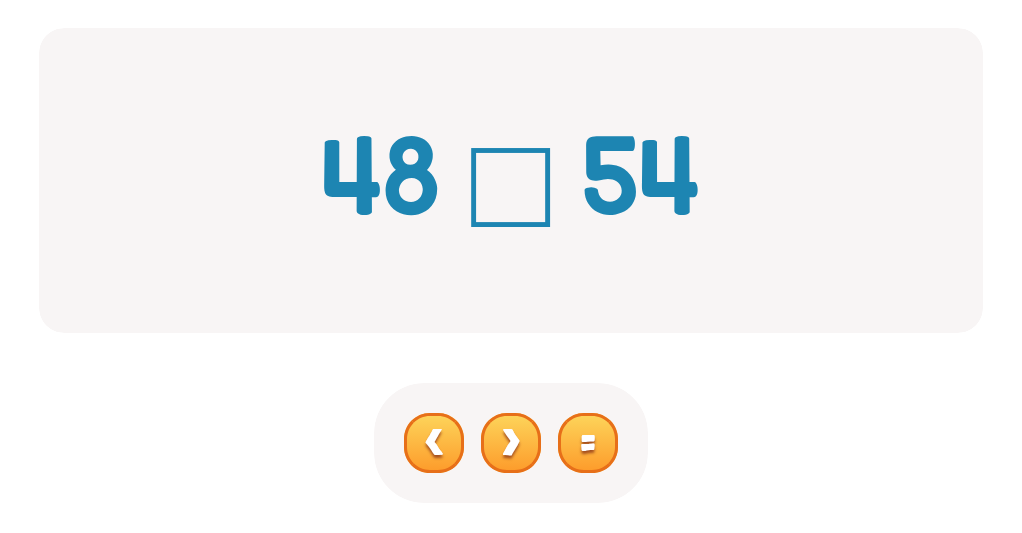
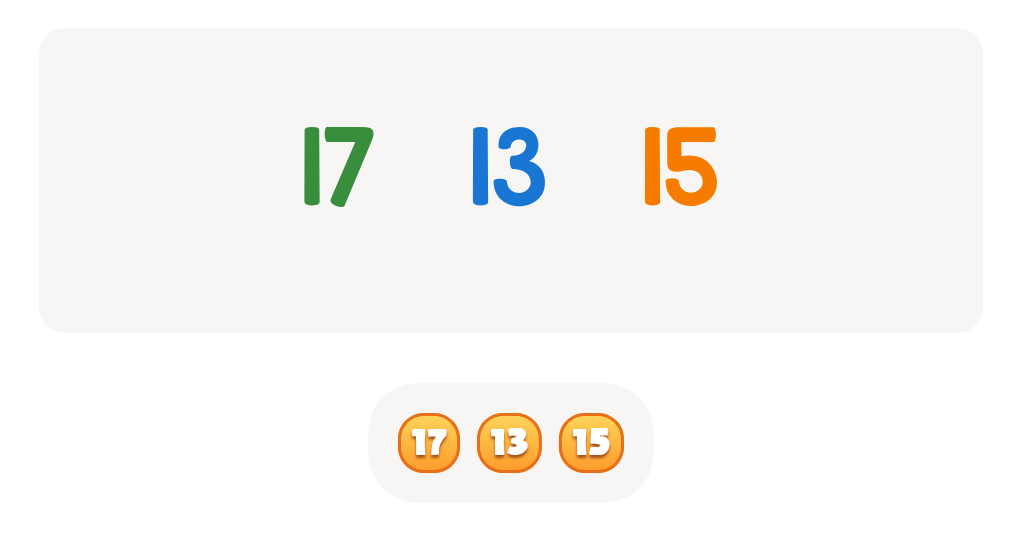
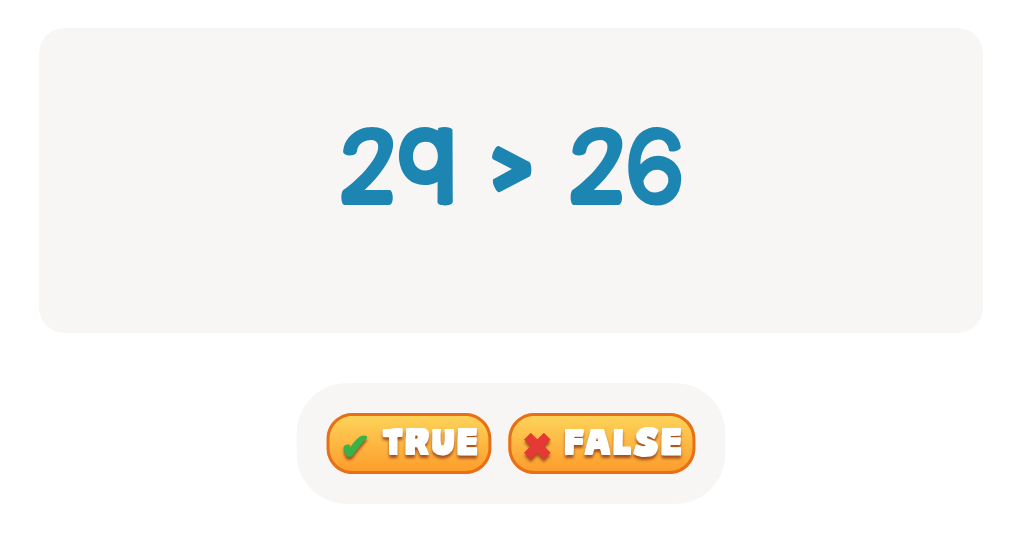
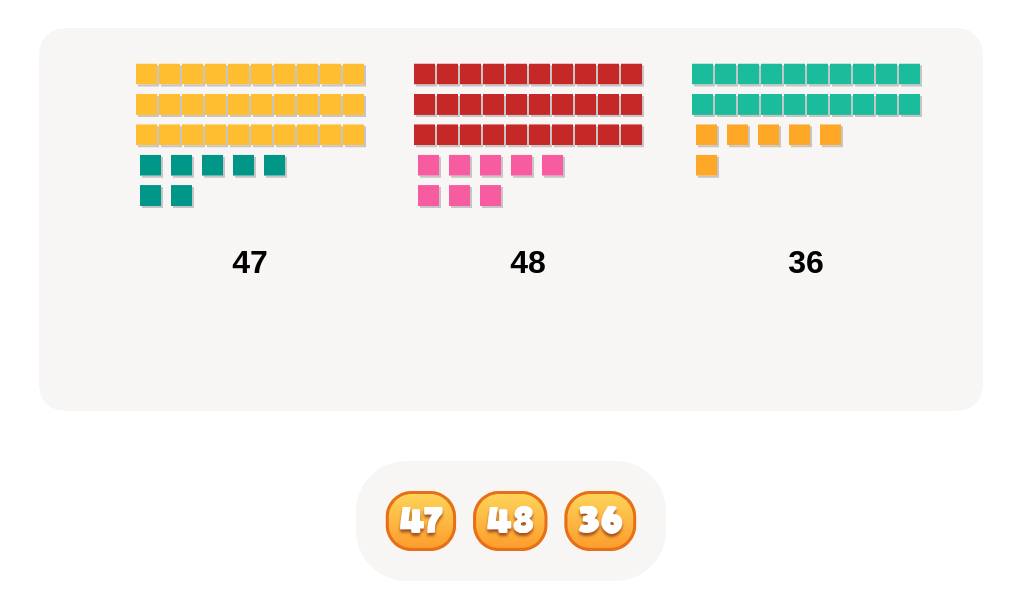
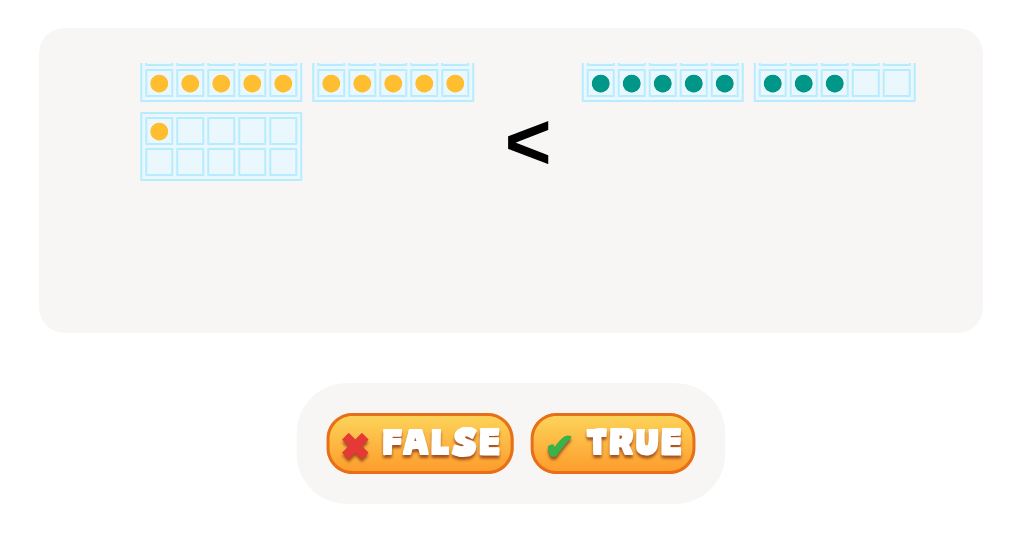
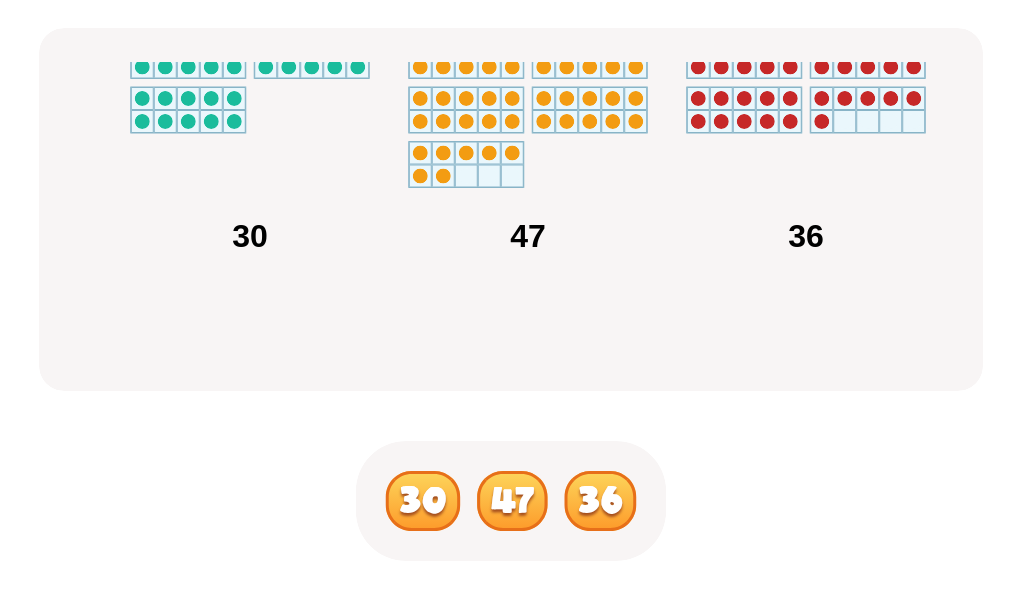
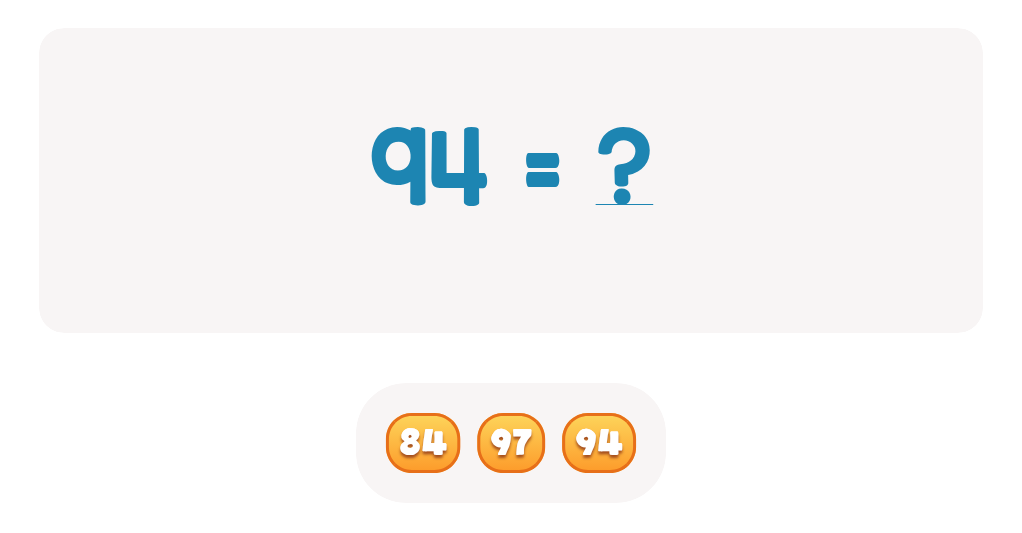
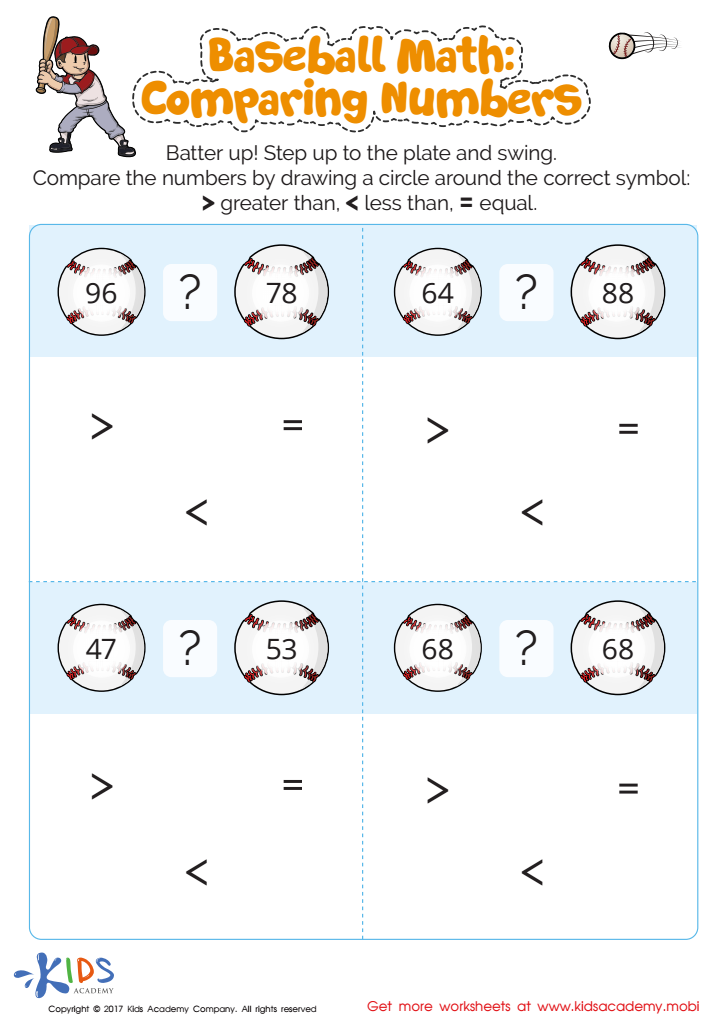
Compare Numbers Printable
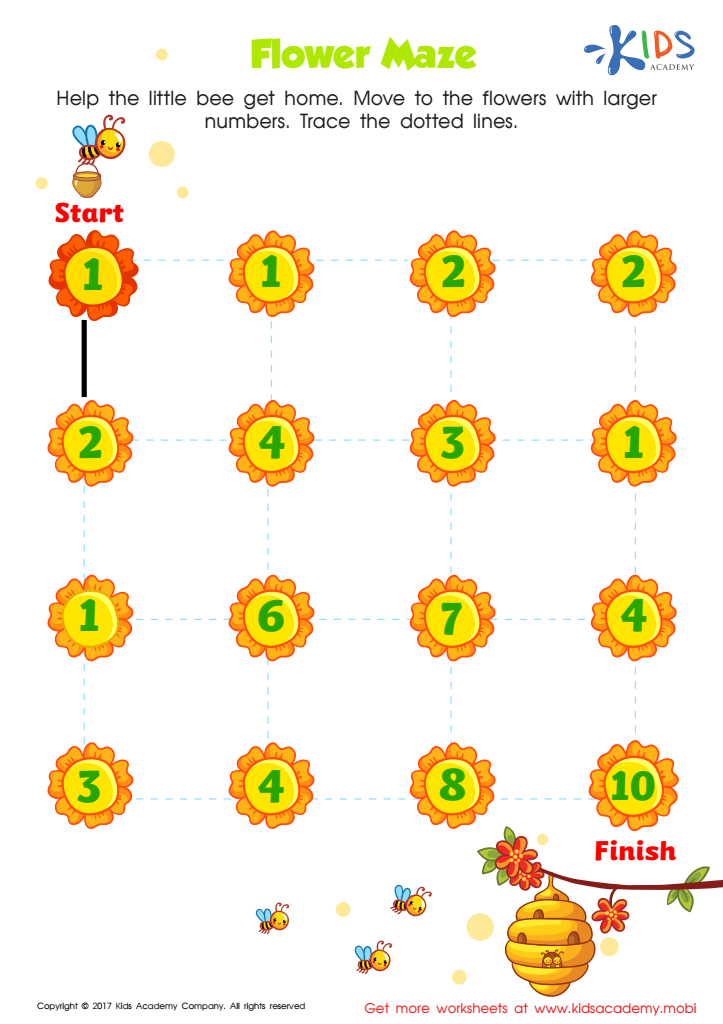
Number Maze For Kindergarten Printable
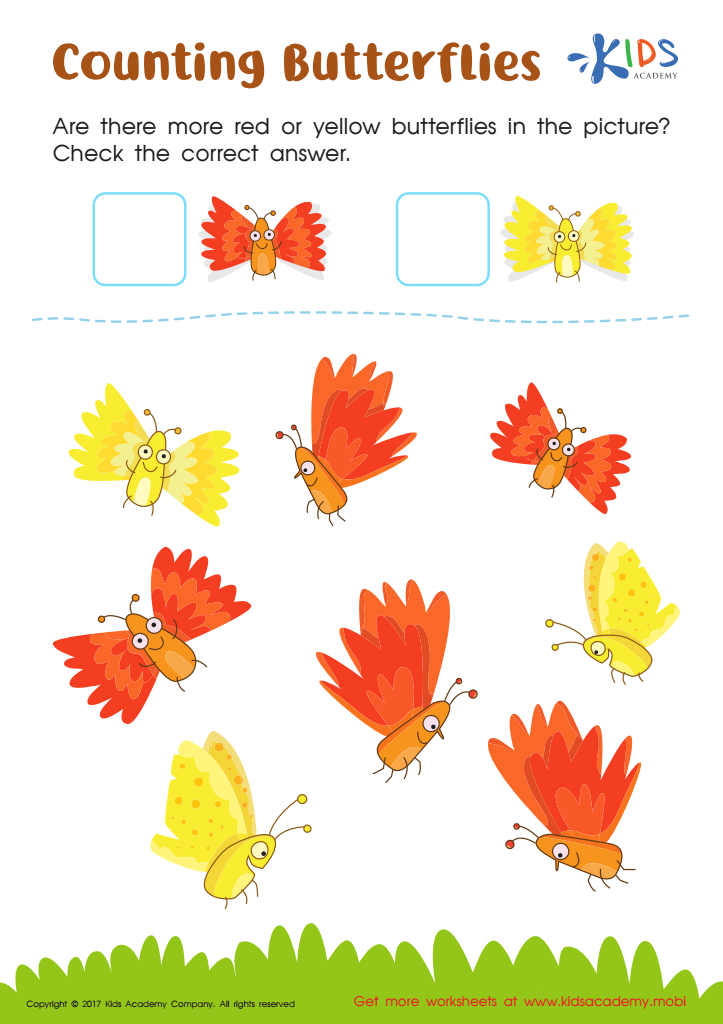
Counting Butterflies Worksheet
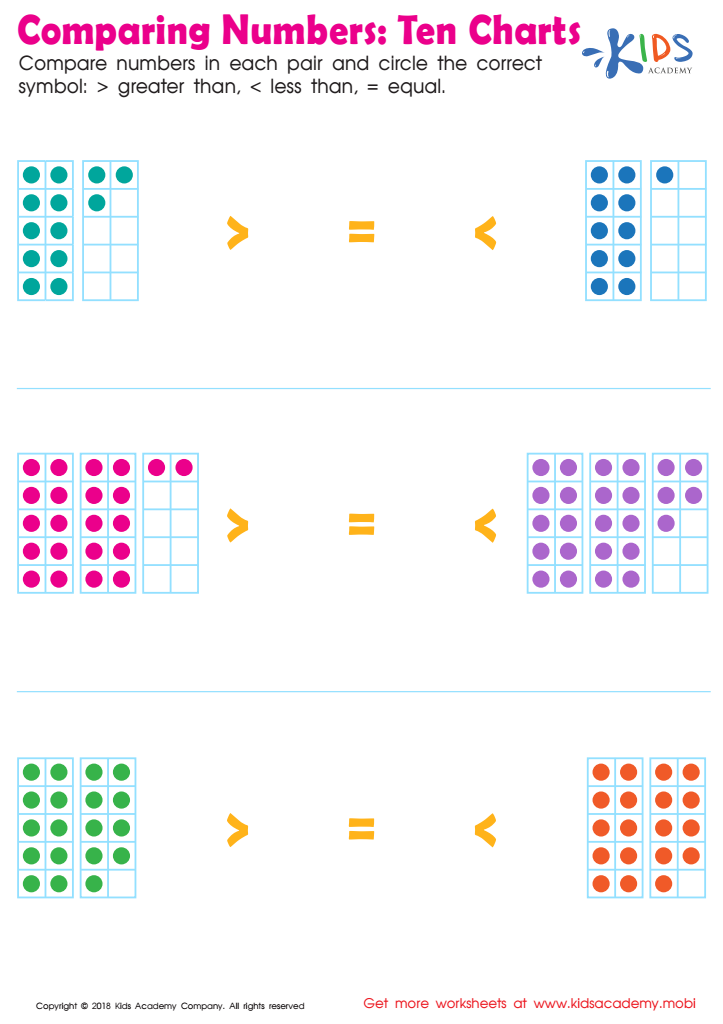
Ten Charts Worksheet








Number recognition and the ability to compare numbers are foundational skills for children aged 5-6. During these early years, children develop critical cognitive abilities that set the stage for future mathematical understanding.
Firstly, number recognition helps children identify and name numbers, which is essential for counting, sequencing, and performing basic arithmetic operations. Without a clear grasp of number symbols, children may struggle with more complex mathematical tasks in later years.
Secondly, comparing numbers involves understanding numerical value and relationships between quantities, such as knowing that 5 is greater than 3 or 2 is less than 4. This skill promotes logical thinking and problem-solving abilities, as children learn to quantify comparisons and make decisions based on numerical data.
Both of these skills are directly connected to everyday activities, like measuring ingredients in a recipe or comparing prices while shopping. Fostering strong number recognition and comparing abilities also significantly boosts children's confidence and positivity towards mathematics, encouraging engagement and curiosity in further learning.
Overall, these skills are indispensable for academic achievement and practical life experiences. By focusing on number recognition and comparison, parents and teachers provide a robust mathematical foundation that supports children’s overall cognitive development and readiness for future educational challenges.