Critical Thinking Numbers Worksheets for Ages 5-6
5 filtered results
-
From - To
Unlock your child's potential with our Critical Thinking Numbers Worksheets designed specifically for children aged 5-6! These engaging worksheets foster essential cognitive skills through exciting number activities, such as puzzles, patterns, and logic games. Tailored for young learners, they encourage creativity and problem-solving, helping children understand mathematical concepts in a fun way. Our worksheets promote critical thinking while enhancing counting, number recognition, and basic arithmetic skills. Discover a treasure trove of interactive challenges that capture your child's imagination and lay a strong foundation for their future learning. Boost your child's confidence in math with these essential resources that combine learning and play!
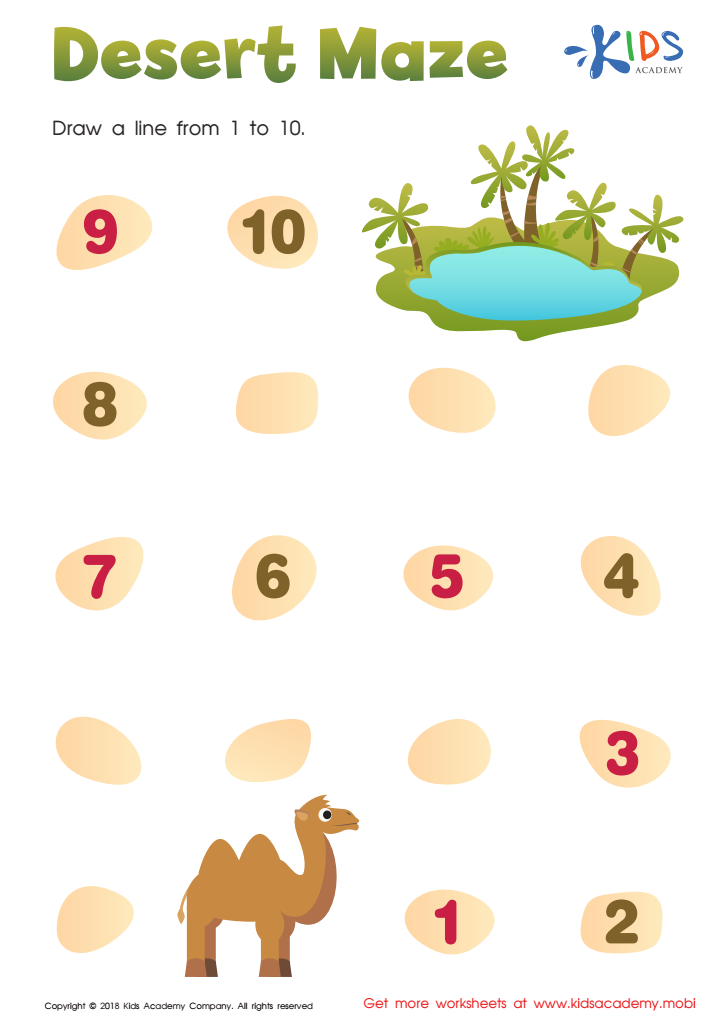
Desert Maze Worksheet
 Assign to My Students
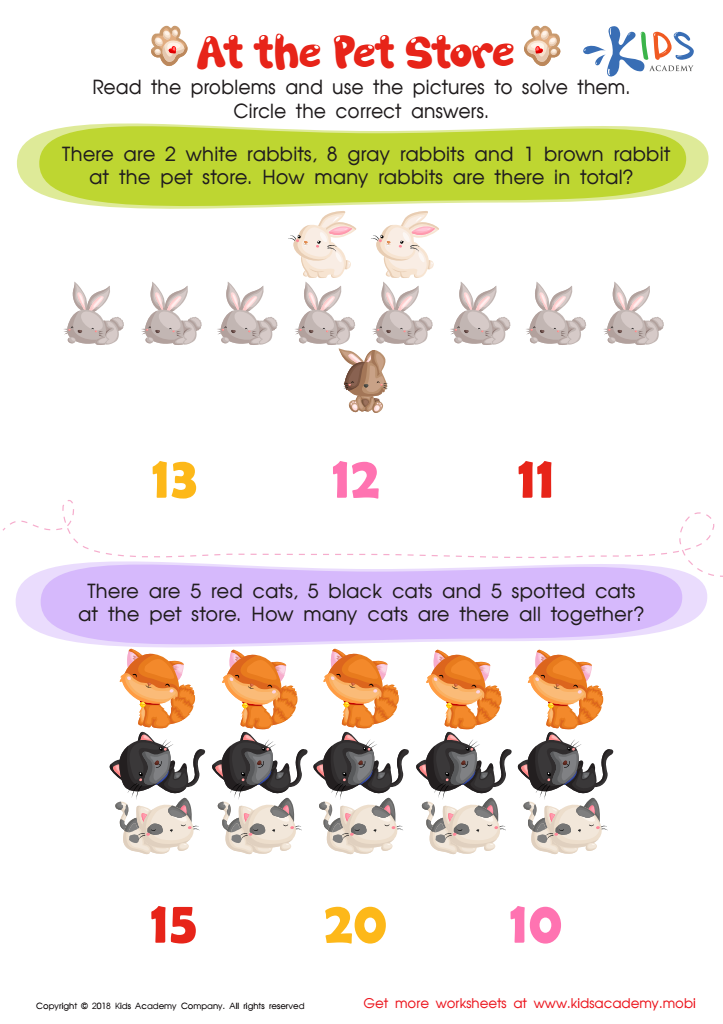
At the Pet Store Word Problems Worksheet
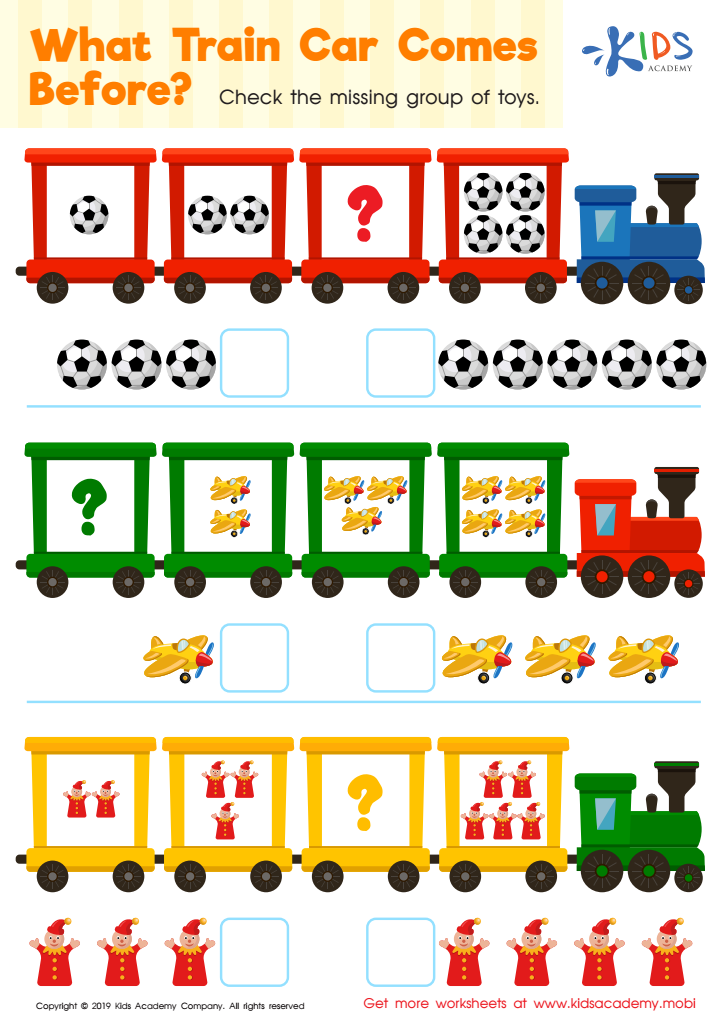
What Train Car Comes Before? Worksheet
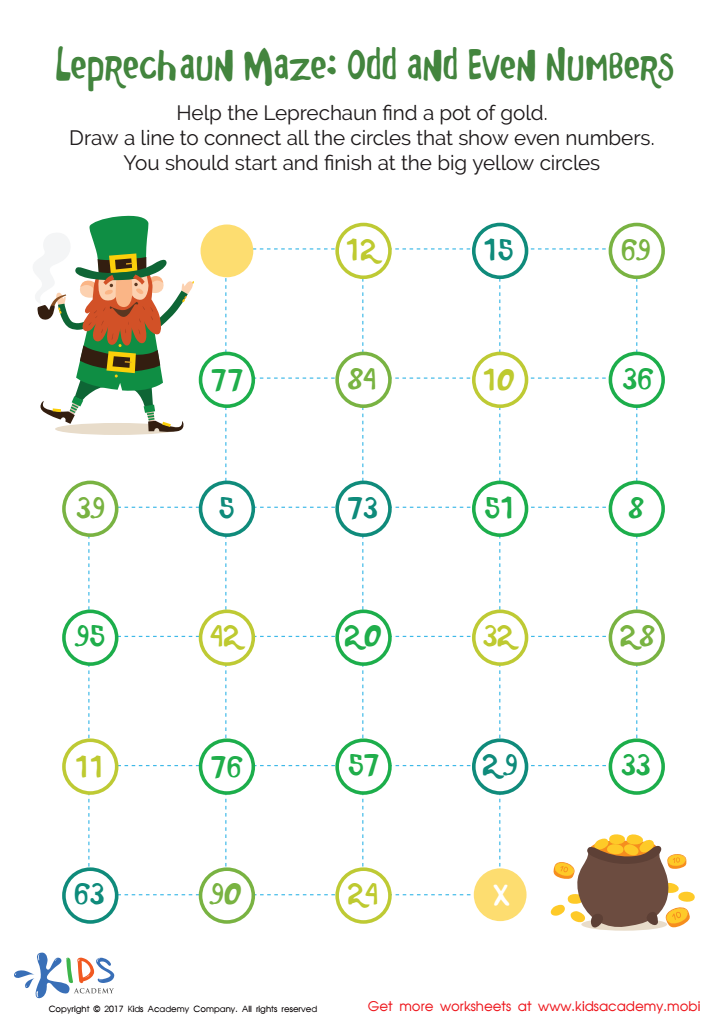
Leprechaun Maze Printable
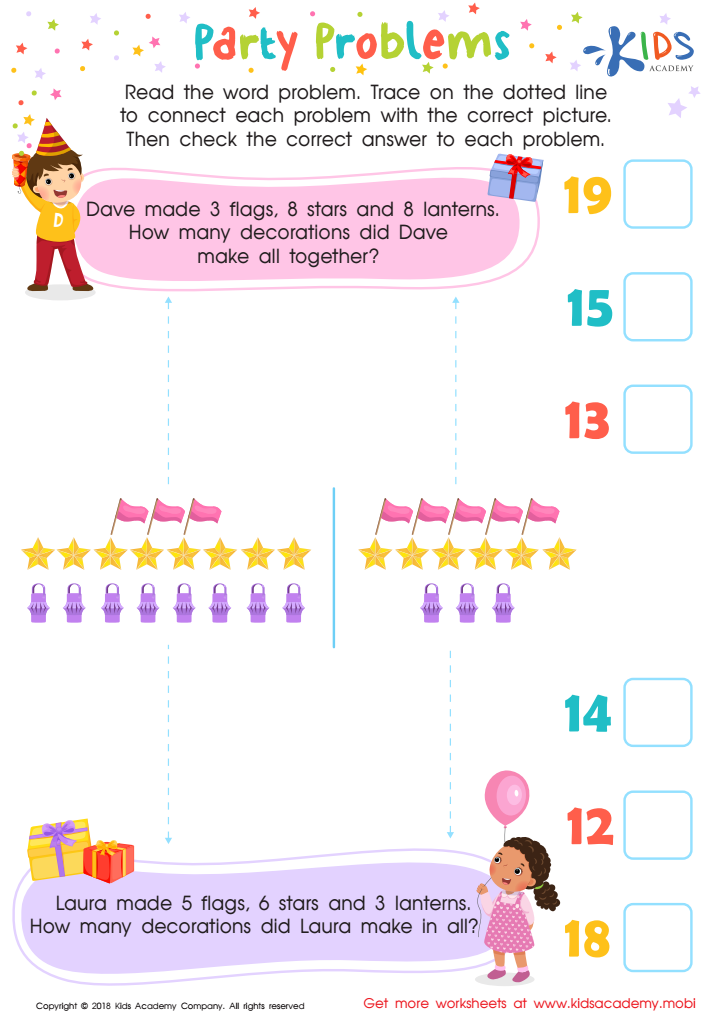
Party Problems Worksheet






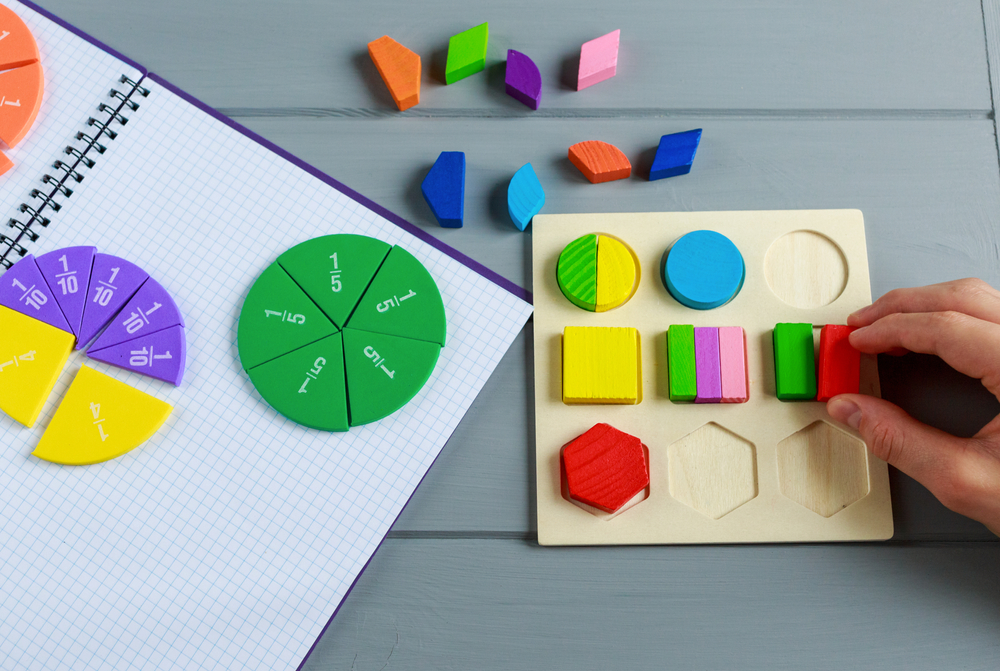

Critical thinking is a fundamental skill that lays the foundation for lifelong learning, making its development crucial for young children, particularly those aged 5-6. At this stage, children's brains are highly impressionable, and fostering critical thinking helps them become more adept problem solvers and decision-makers.
Engaging in critical thinking activities encourages kids to analyze, evaluate, and create ideas rather than simply memorizing facts. When parents and teachers introduce "Critical Thinking Numbers," they equip children with essential skills such as reasoning, pattern recognition, and logical thought. For instance, by asking children to solve simple mathematical problems through exploration and discussion, they learn to articulate their thought processes, making them more confident in their abilities.
Moreover, integrating critical thinking into early education can enhance children's creativity and self-esteem, promoting curiosity and encouraging them to ask questions. These skills are transferable across subjects, fostering holistic development. Ultimately, nurturing critical thinking in young learners not only prepares them for academic success but also equips them with the tools necessary to navigate real-world challenges, ensuring they grow into engaged, informed citizens. Therefore, parents and teachers play a vital role in cultivating these skills early on.








