Basic Addition Math Worksheets for Ages 5-6 - Page 2
46 filtered results
-
From - To
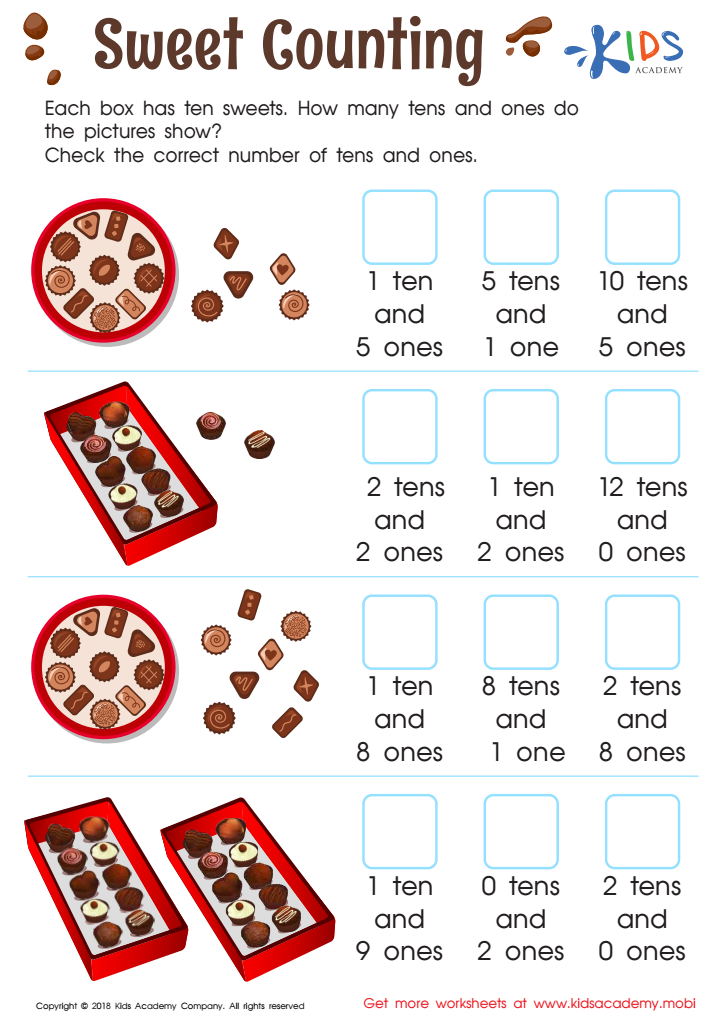
Sweet Counting - Part 2 Worksheet
 Assign to My Students
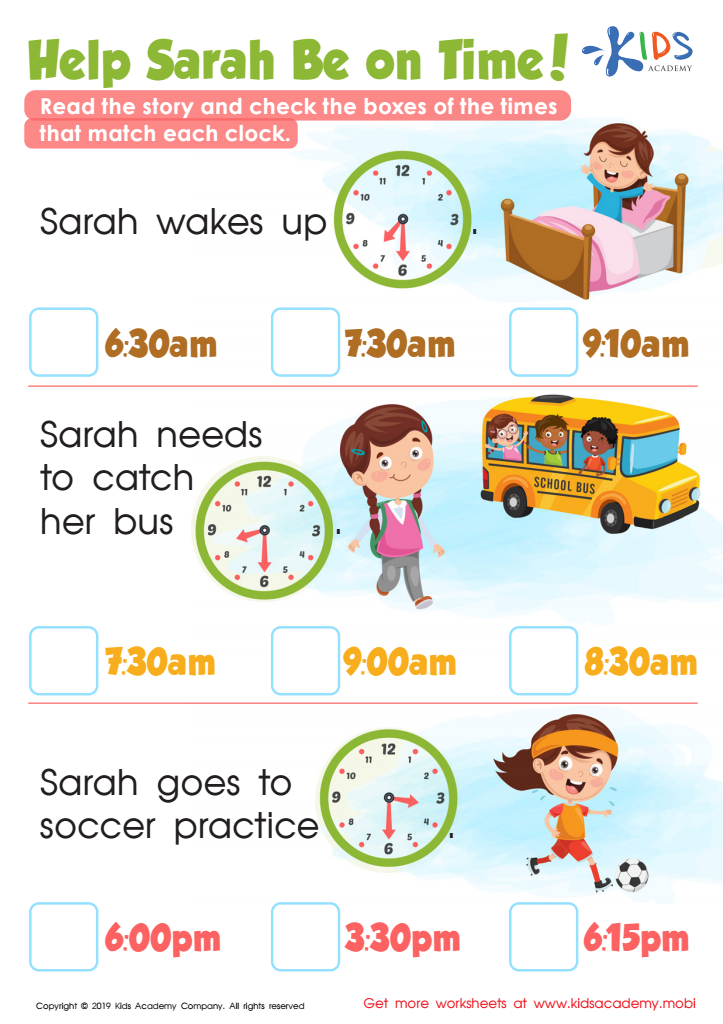
Help Sarah Be on Time! Worksheet
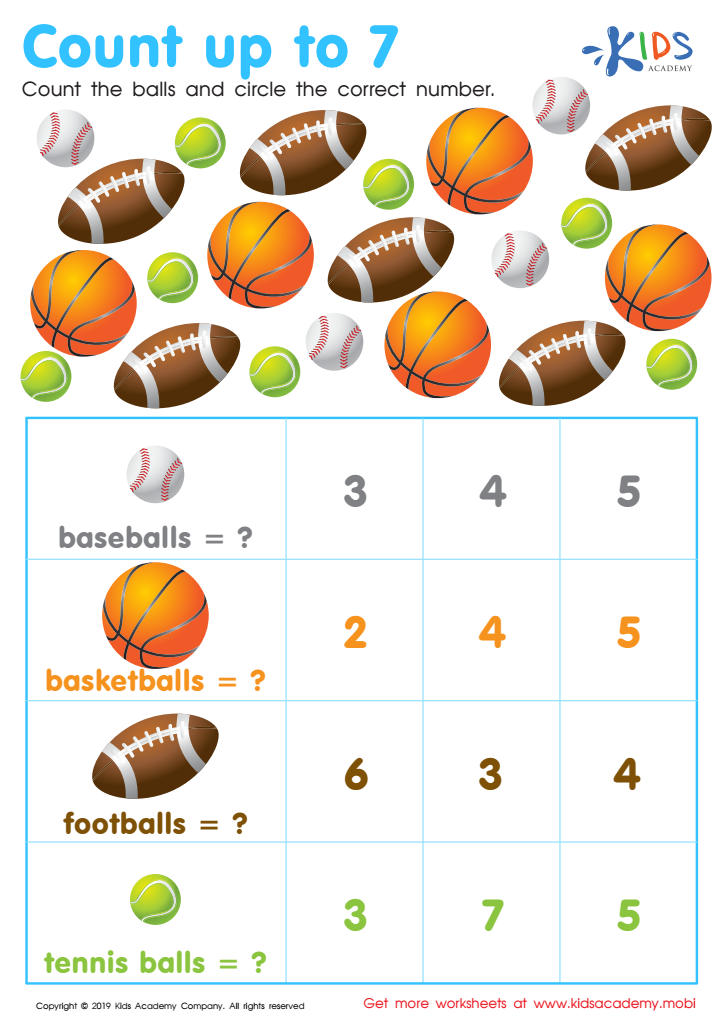
Count up to 7 Worksheet
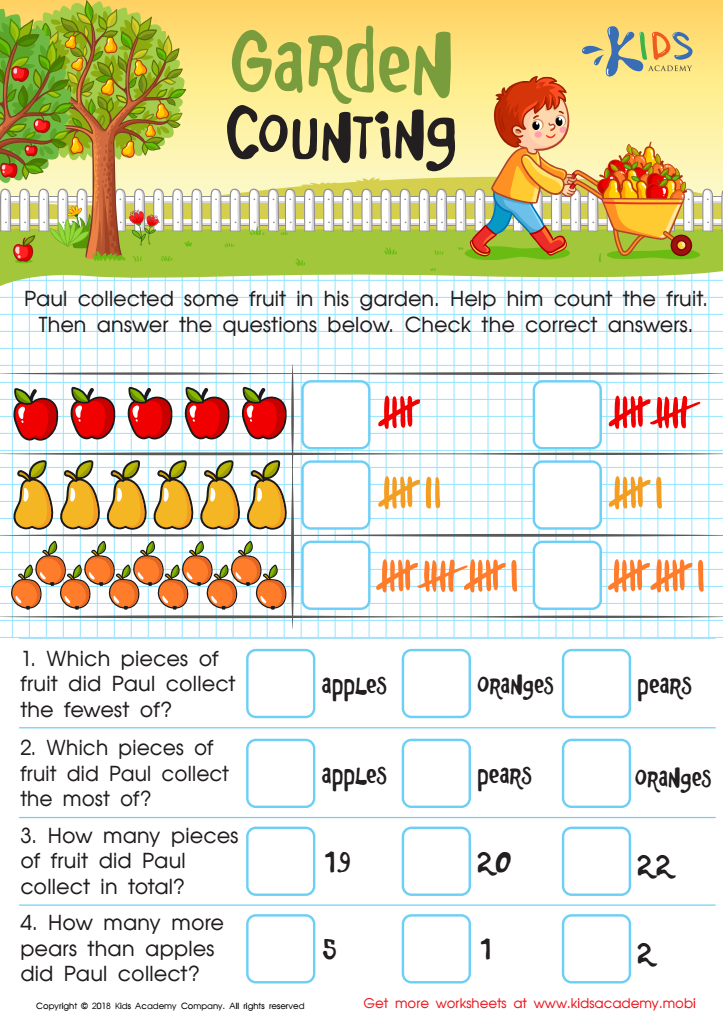
Garden Counting Worksheet
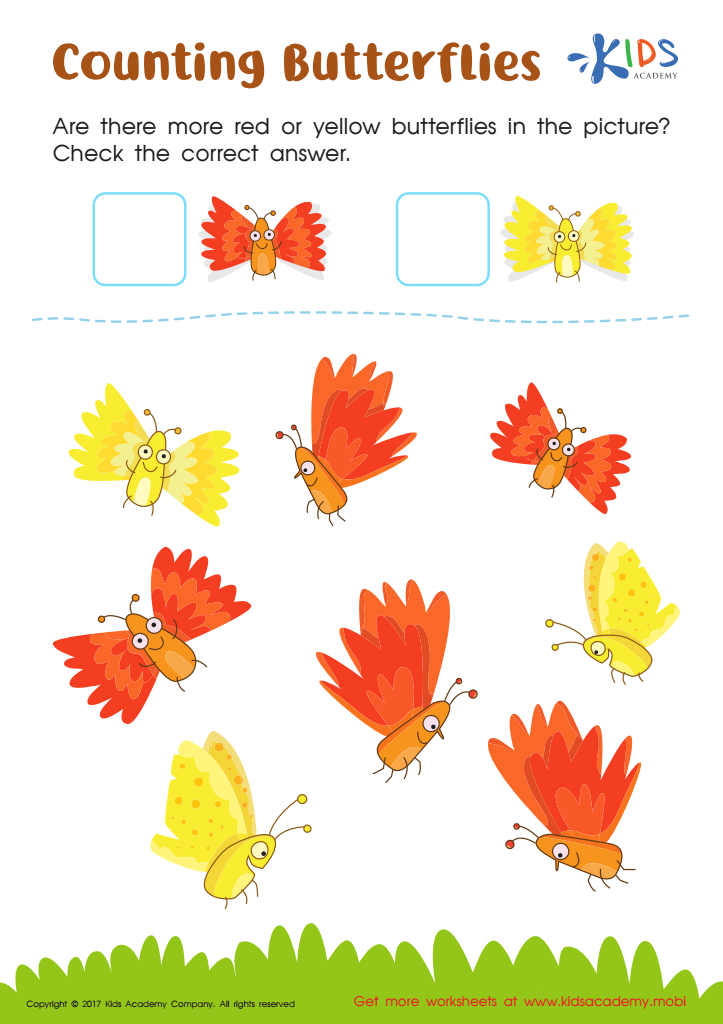
Counting Butterflies Worksheet
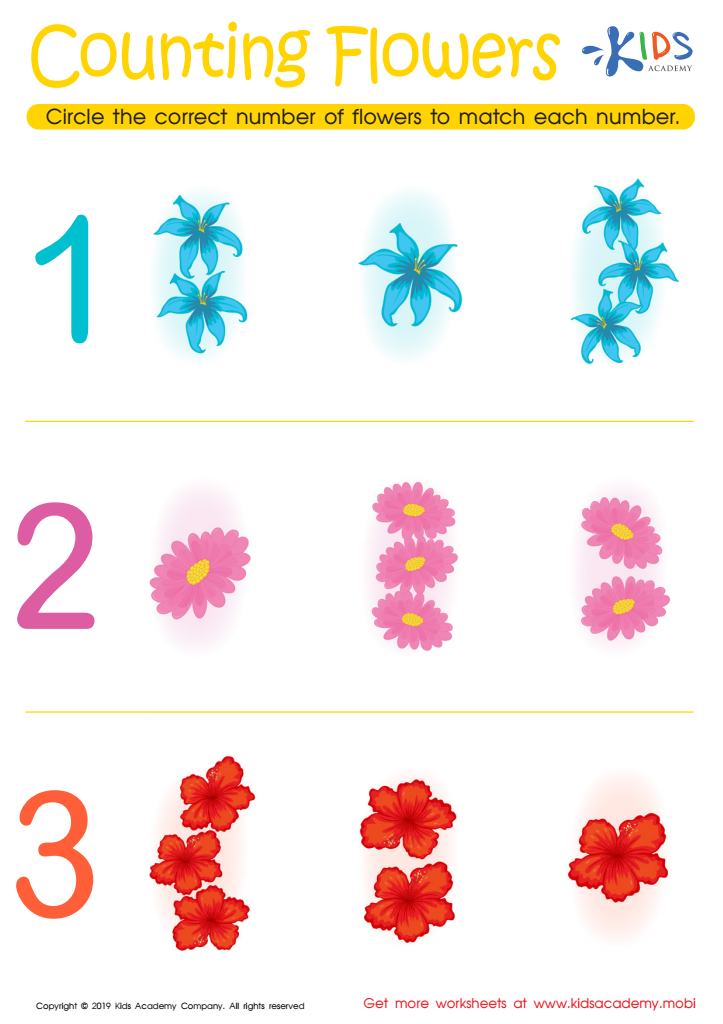
Counting Flowers Worksheet
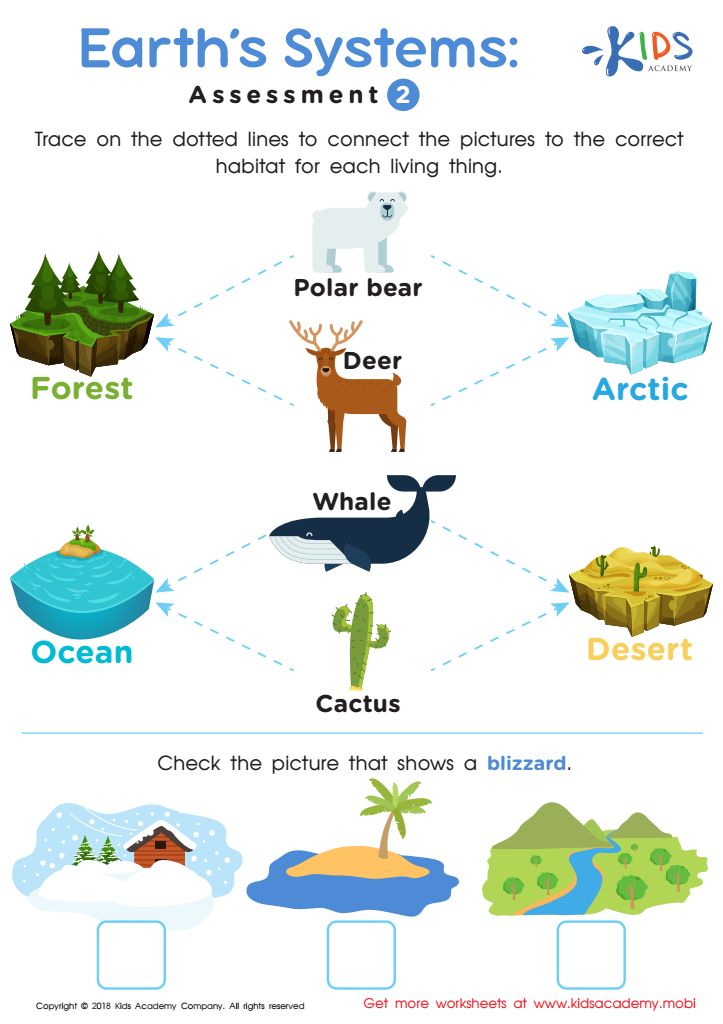
Earth's Systems: Assessment 2
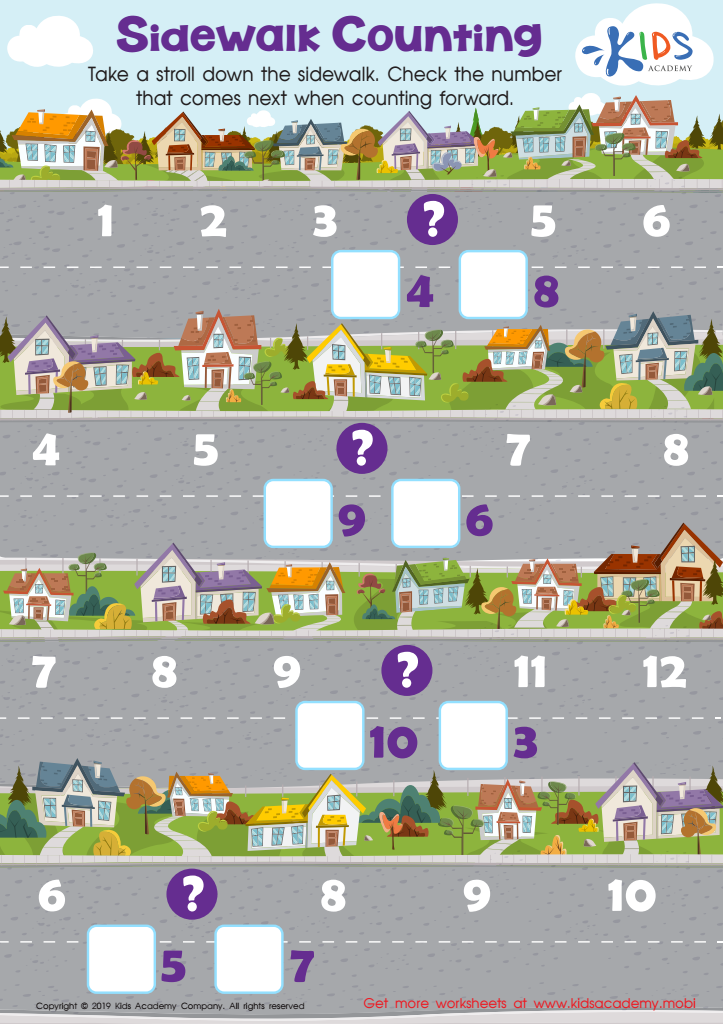
Sidewalk Counting Worksheet
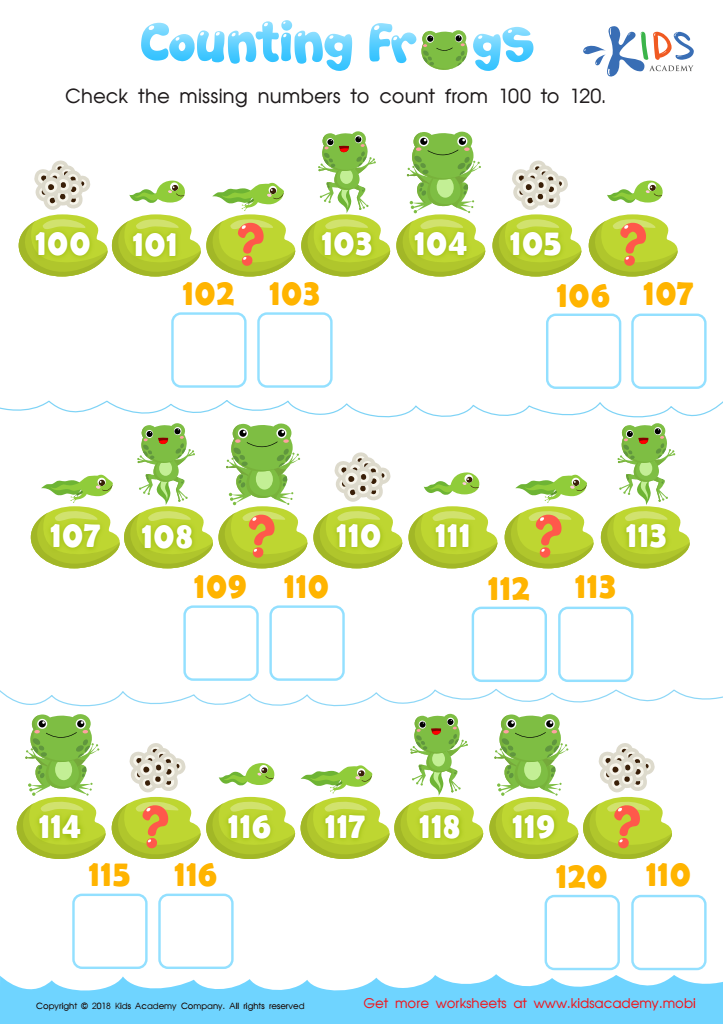
Counting Frogs Worksheet
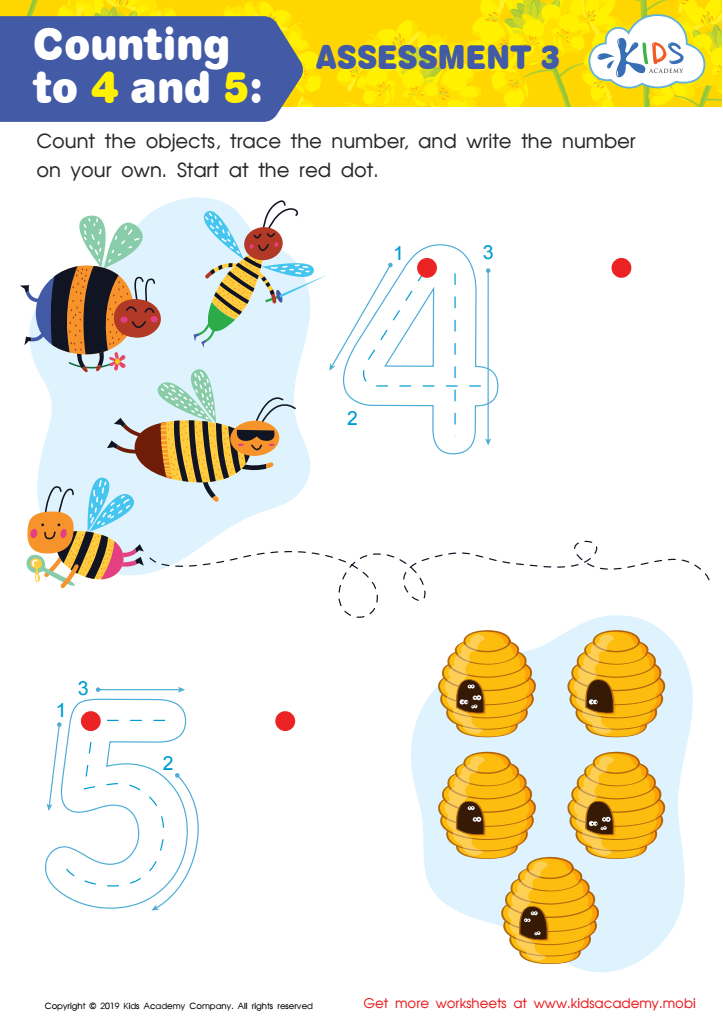
Counting to 4 and 5: Assessment 3 Worksheet
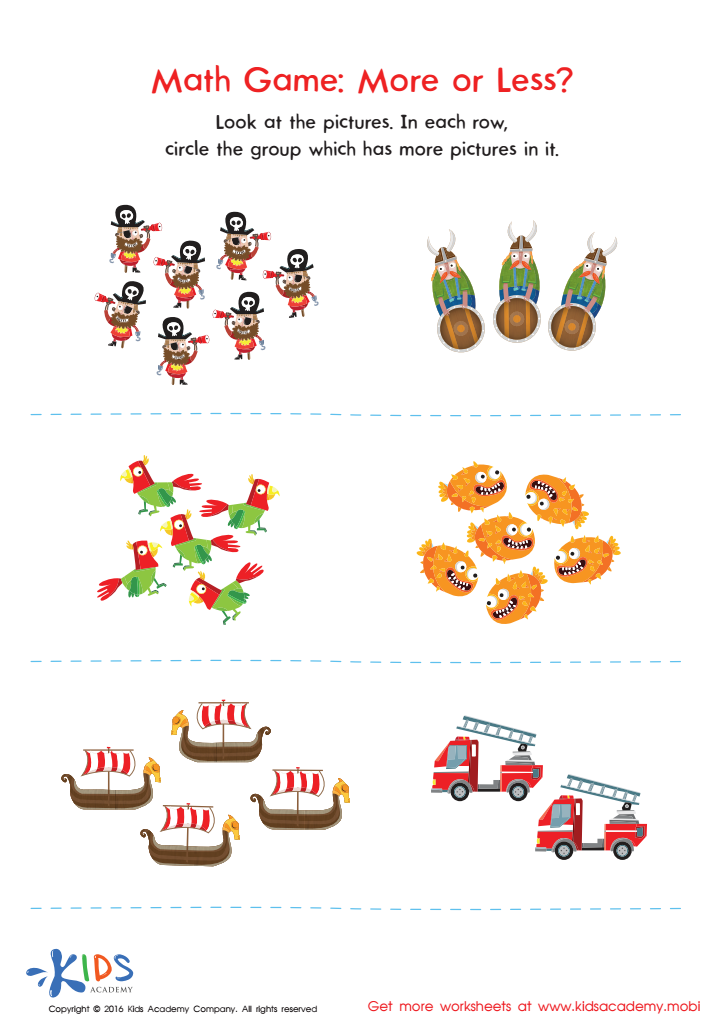
More or Less Worksheet
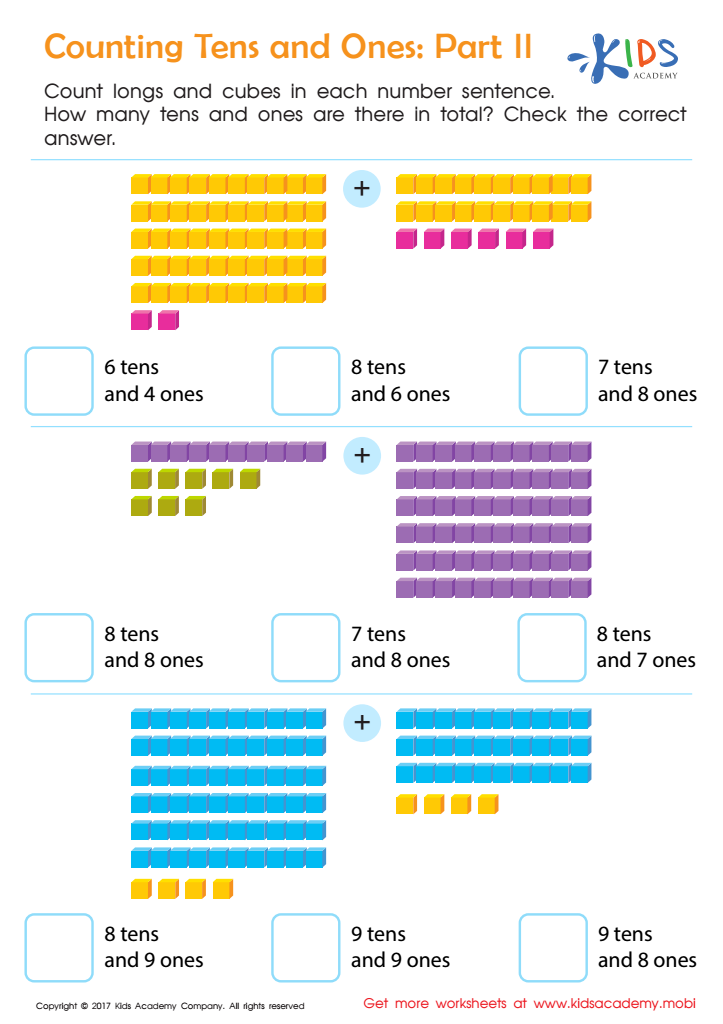
Counting Tens and Ones: Part 2 Worksheet
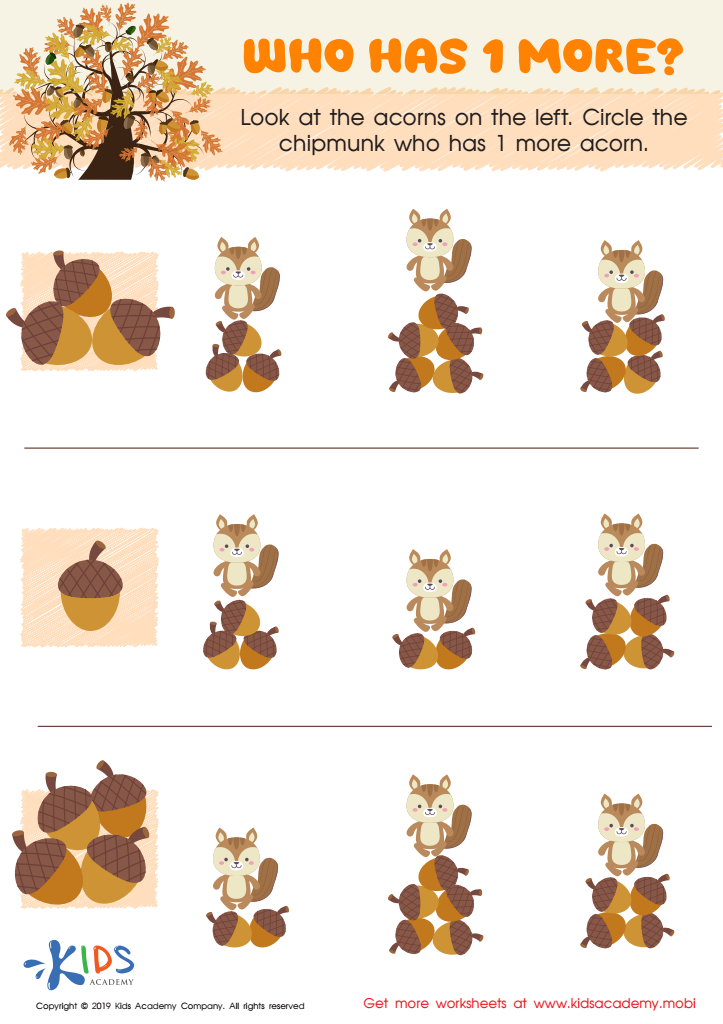
Who Has 1 More? Worksheet
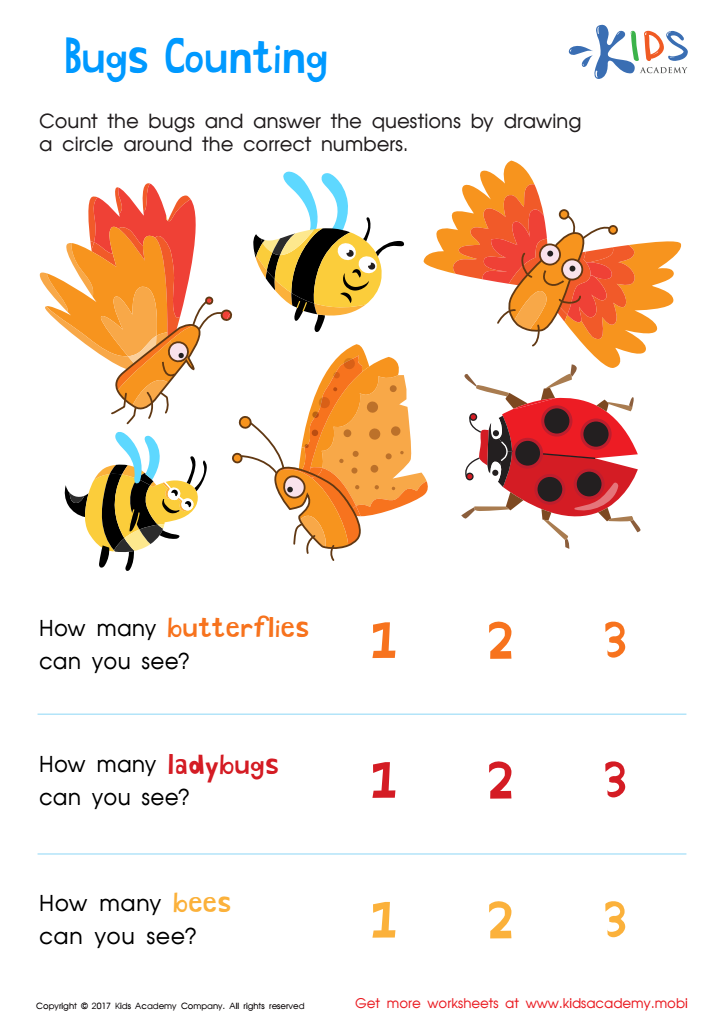
Bugs Counting Worksheet
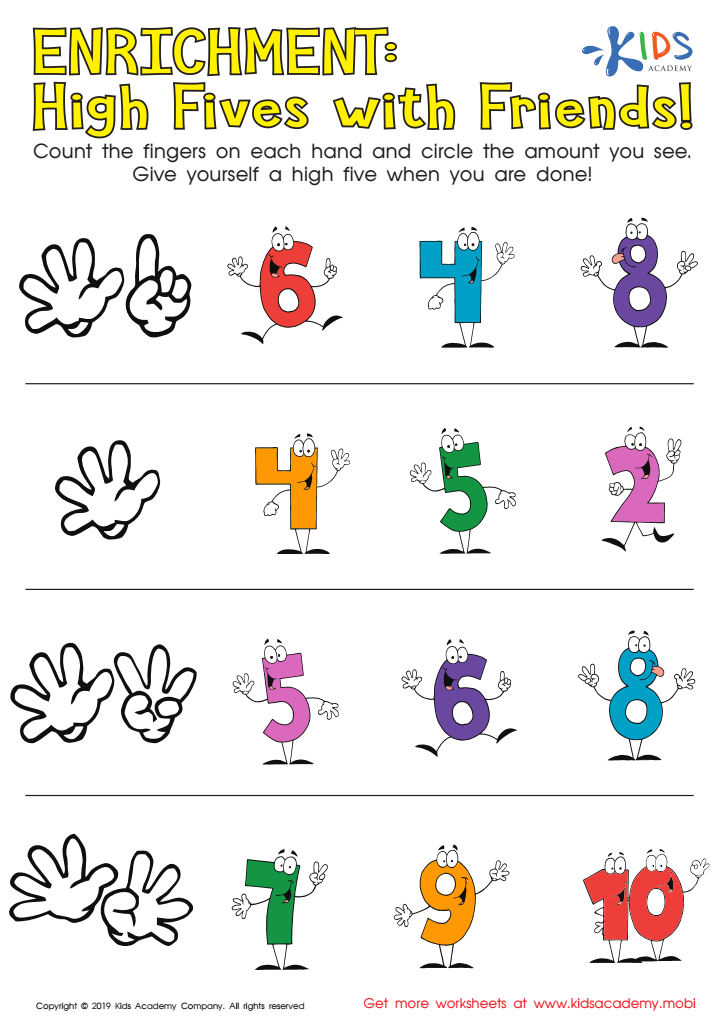
Enrichment: High Fives with Friends! Worksheet
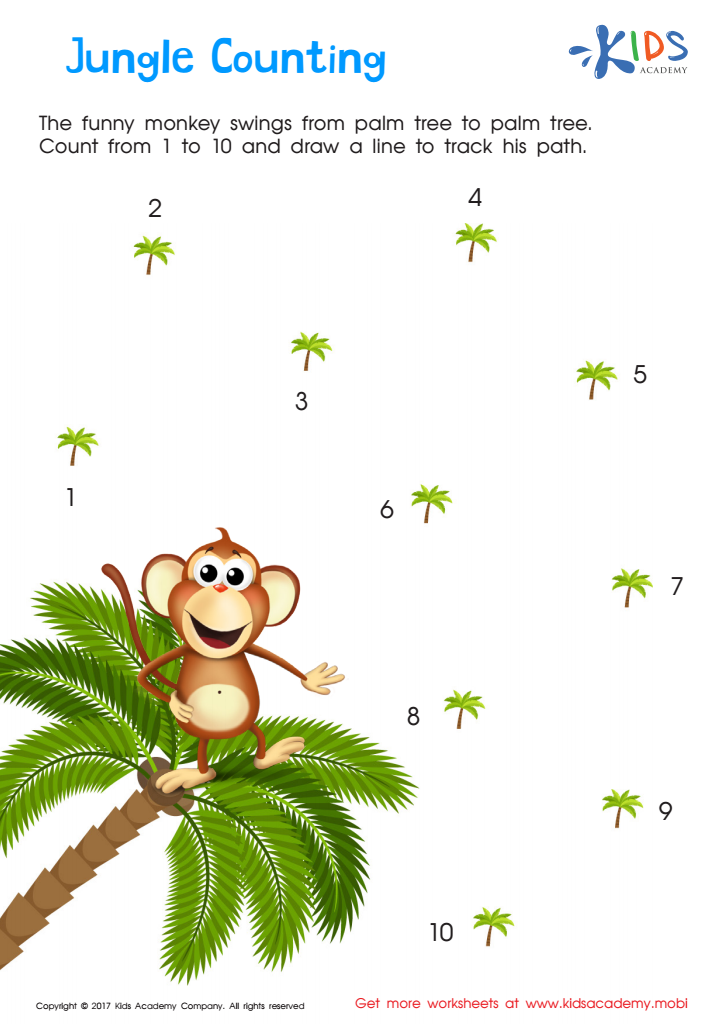
Jungle Counting Connect Dots Worksheet
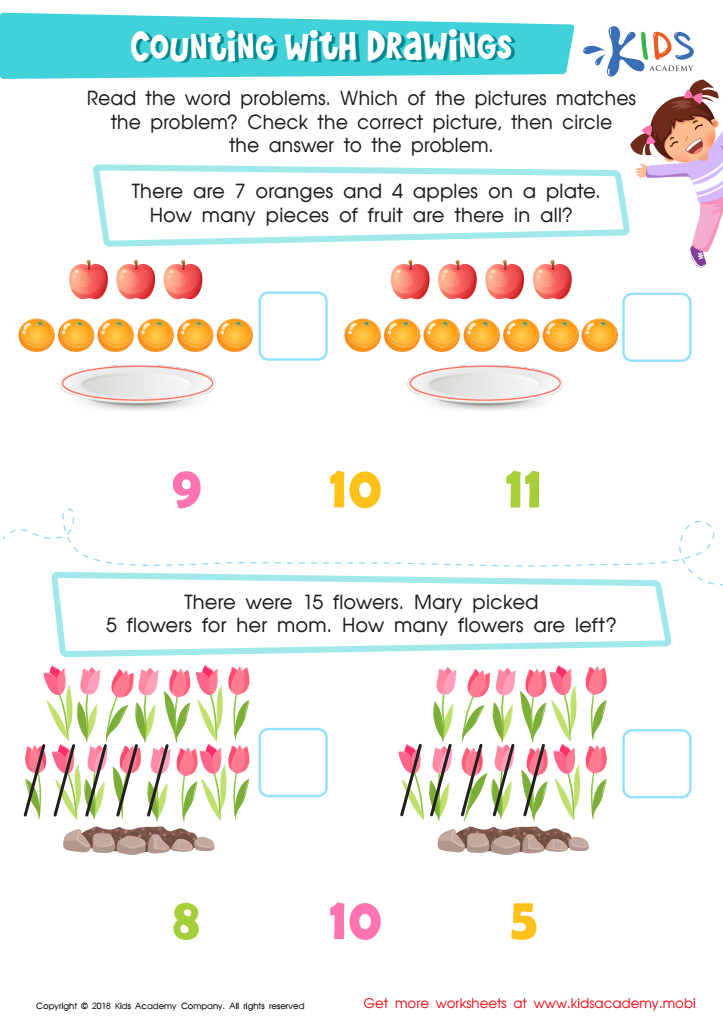
Counting with Drawings:Fruits & Flowers Worksheet
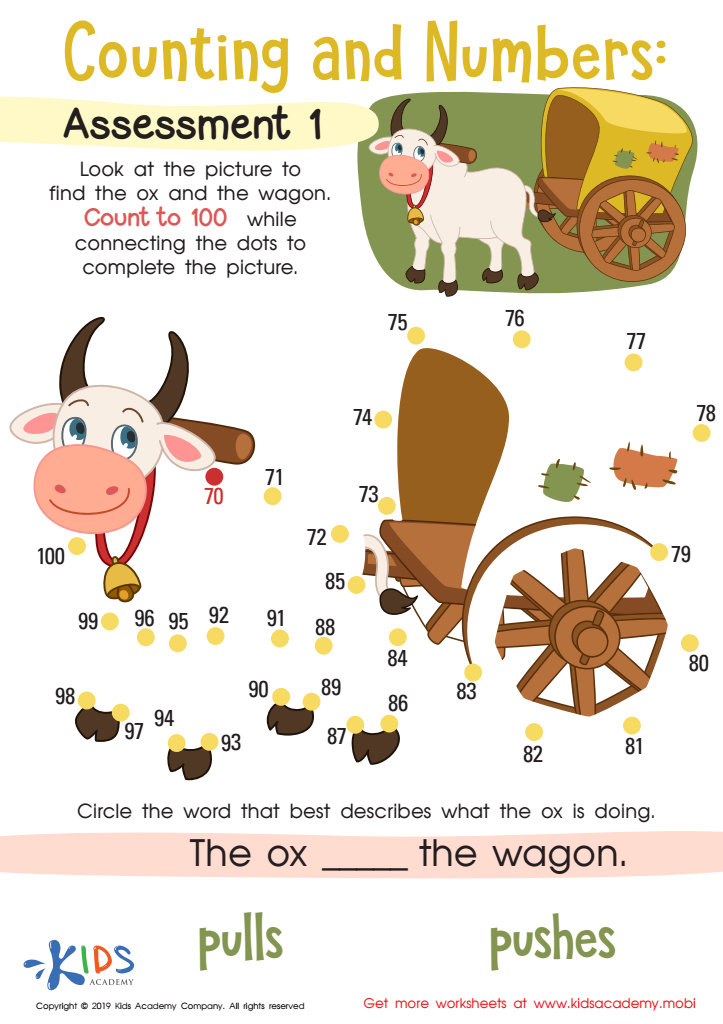
Counting and Numbers: Assessment 1 Worksheet
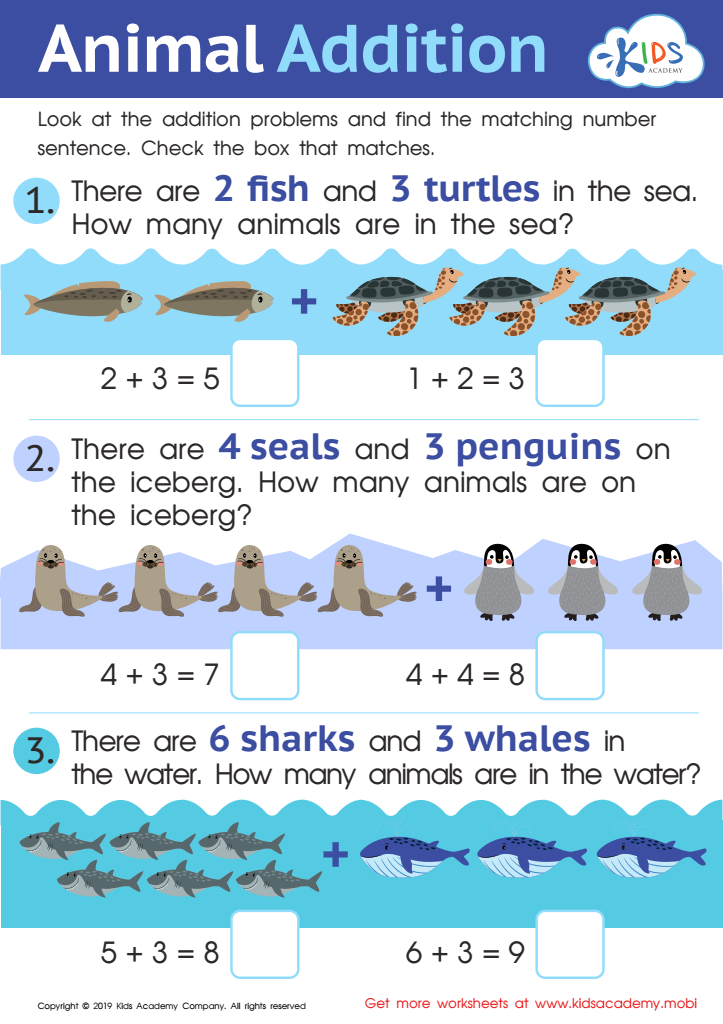
Animal Addition Worksheet
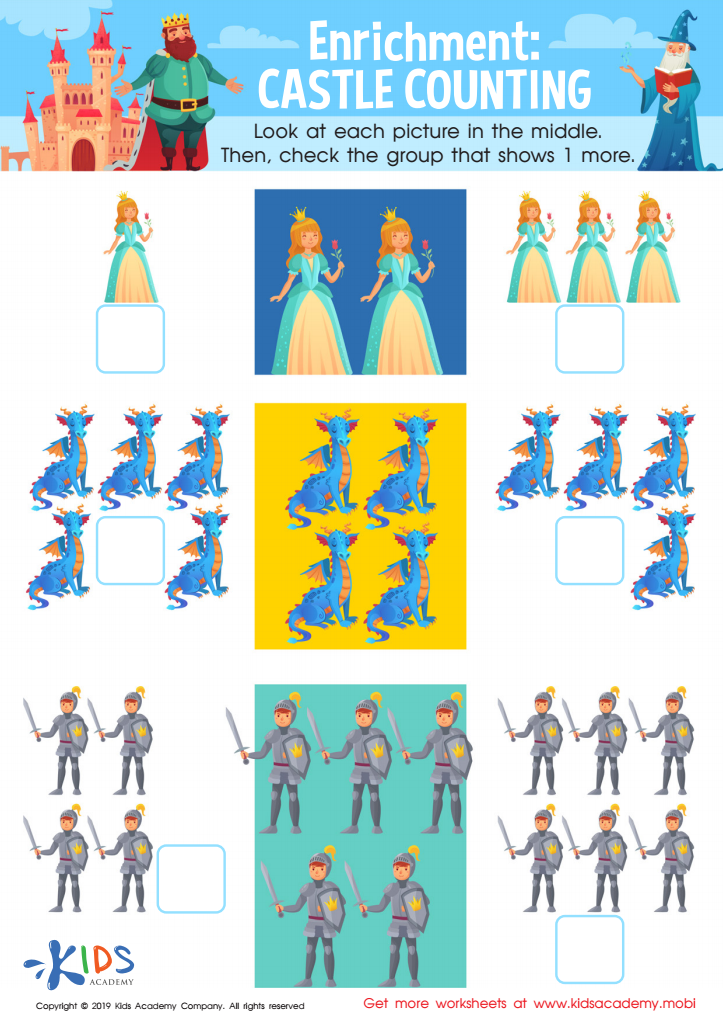
Enrichment: Castle Counting Worksheet
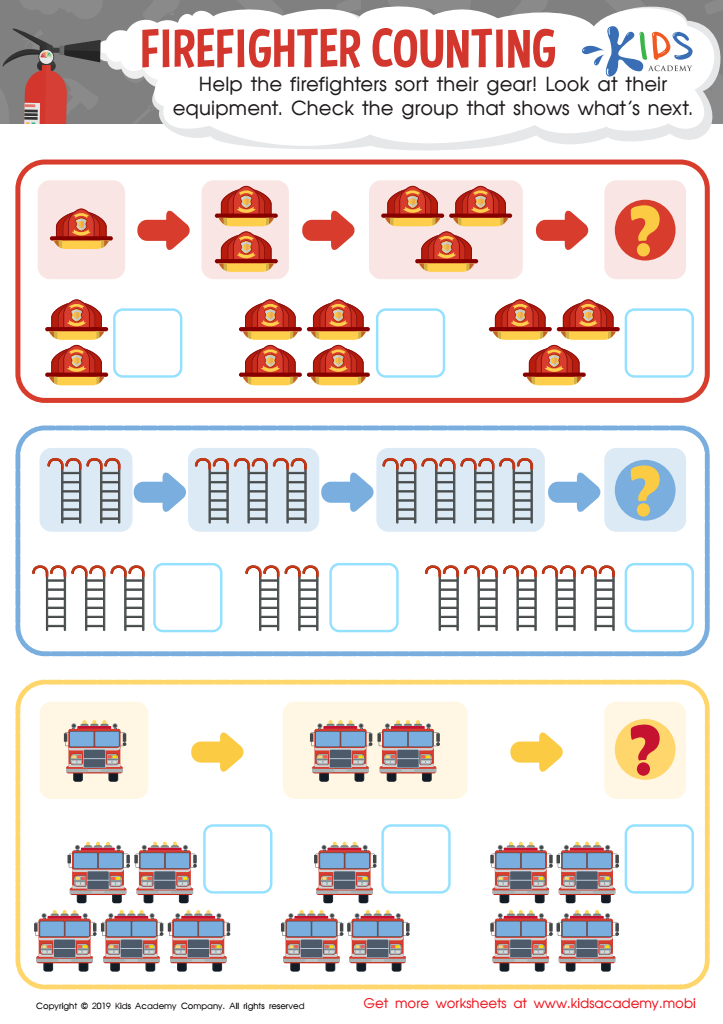
Firefighter Counting Worksheet
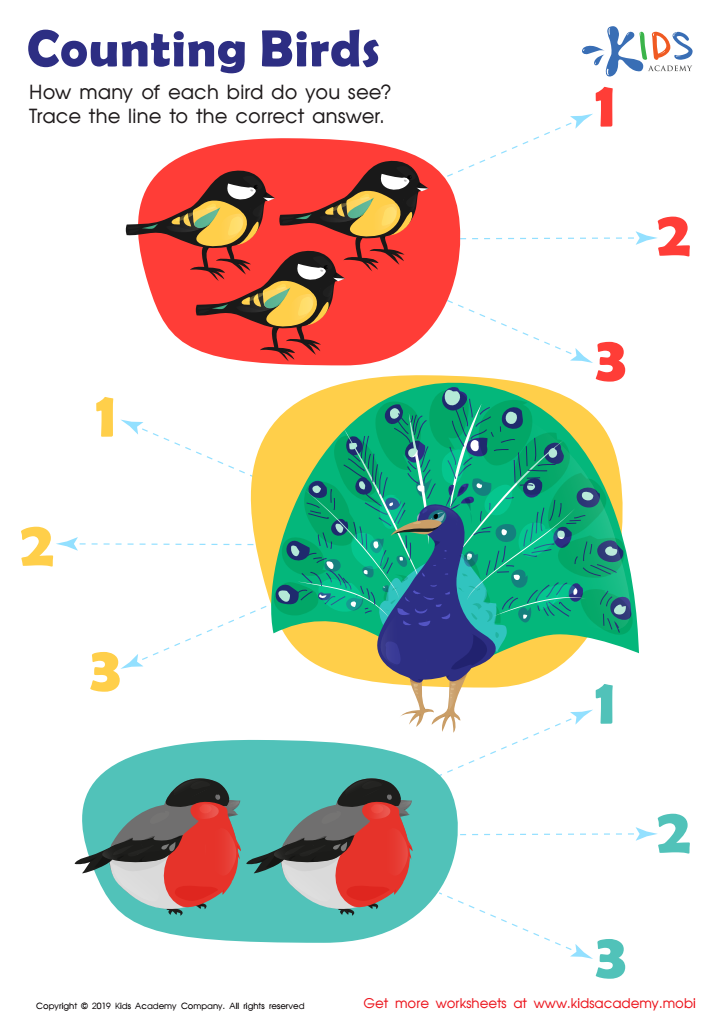
Counting Birds Worksheet








Parents and teachers should care about basic addition math for children aged 5-6 because it serves as the foundation for later mathematical understanding and problem-solving skills. At this age, children are naturally curious and capable of grasping new concepts, making it an ideal time to introduce them to fundamental mathematical operations.
Basic addition helps children develop critical thinking and analytical skills. It fosters logical reasoning, as kids learn to manipulate numbers and understand relationships between them. These skills are not only vital in math but also transferable to various subjects and real-life situations, such as budgeting or time management.
Additionally, mastering addition boosts children's confidence and enthusiasm for learning. Successfully solving simple math problems can instill a sense of accomplishment, motivating them to tackle more complex tasks in the future. Furthermore, working on basic addition promotes the enhancement of fine motor skills through hands-on activities and games, turning learning into an engaging experience.
Ultimately, by prioritizing basic addition, parents and teachers support children's cognitive development, lay the groundwork for future academic success, and help cultivate a positive attitude toward learning, setting children on a path toward lifelong inquiry and achievement.








