Basic Math understanding Math Worksheets for Ages 5-6
10 filtered results
-
From - To
Discover a variety of engaging Basic Math Worksheets for ages 5-6 that foster foundational math understanding! Our thoughtfully designed resources make learning fun, covering essential skills such as number recognition, counting, addition, and subtraction. These worksheets combine colorful illustrations and interactive activities to keep young learners motivated and excited about math. Tailored for early childhood education, our materials encourage practice and boost confidence in essential math concepts. Perfect for home or classroom use, these worksheets are an excellent tool for teachers and parents alike, promoting a strong mathematical foundation necessary for future learning. Explore our collection today and watch your child's math skills flourish!
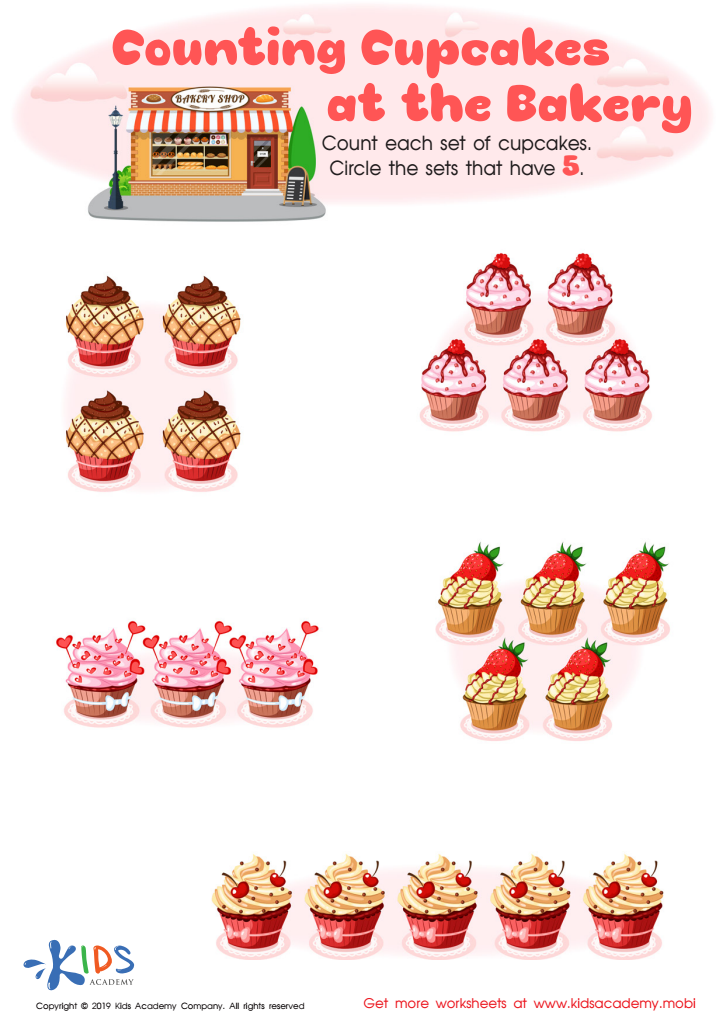
Counting Cupcakes Worksheet
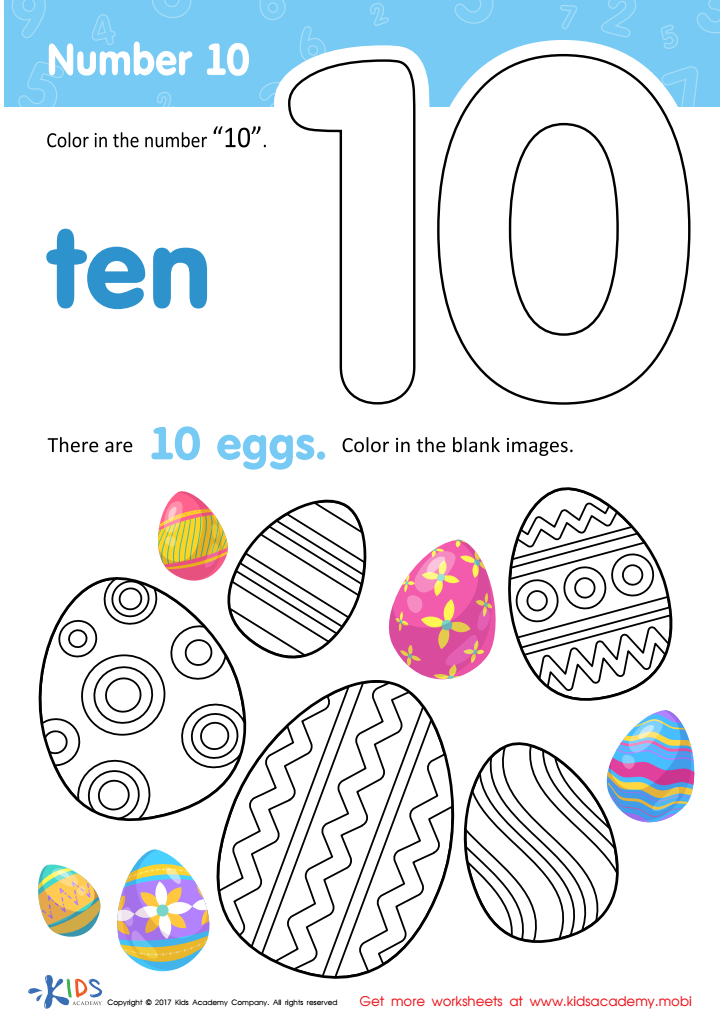
Number 10 Printable
 Assign to My Students
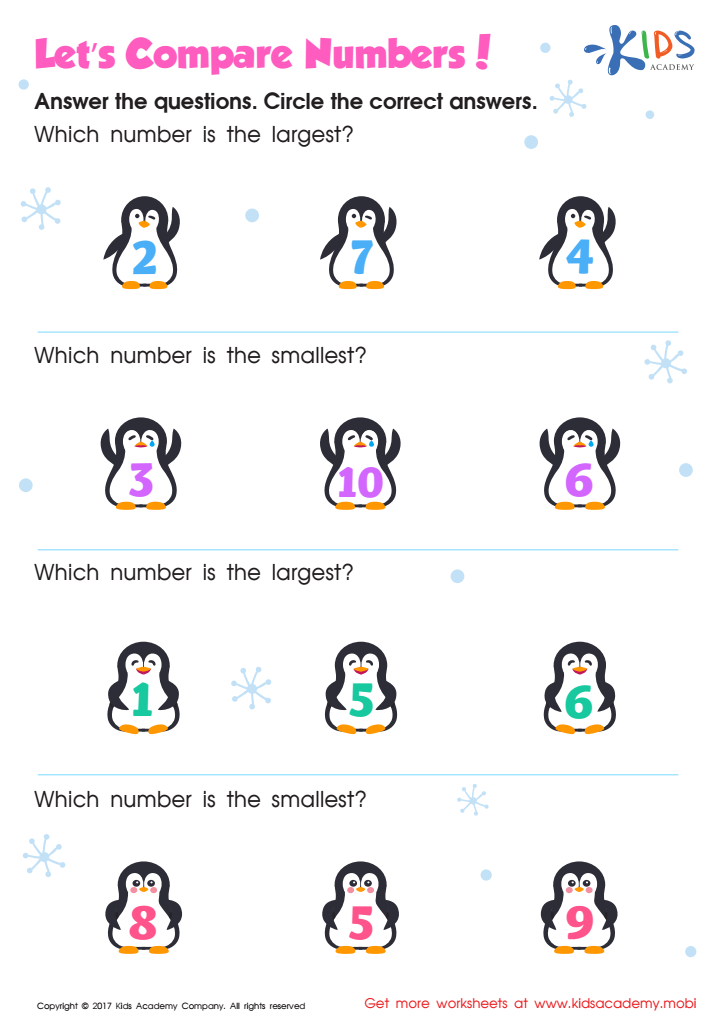
Comparing Numbers 1–10 Worksheet Kindergarten
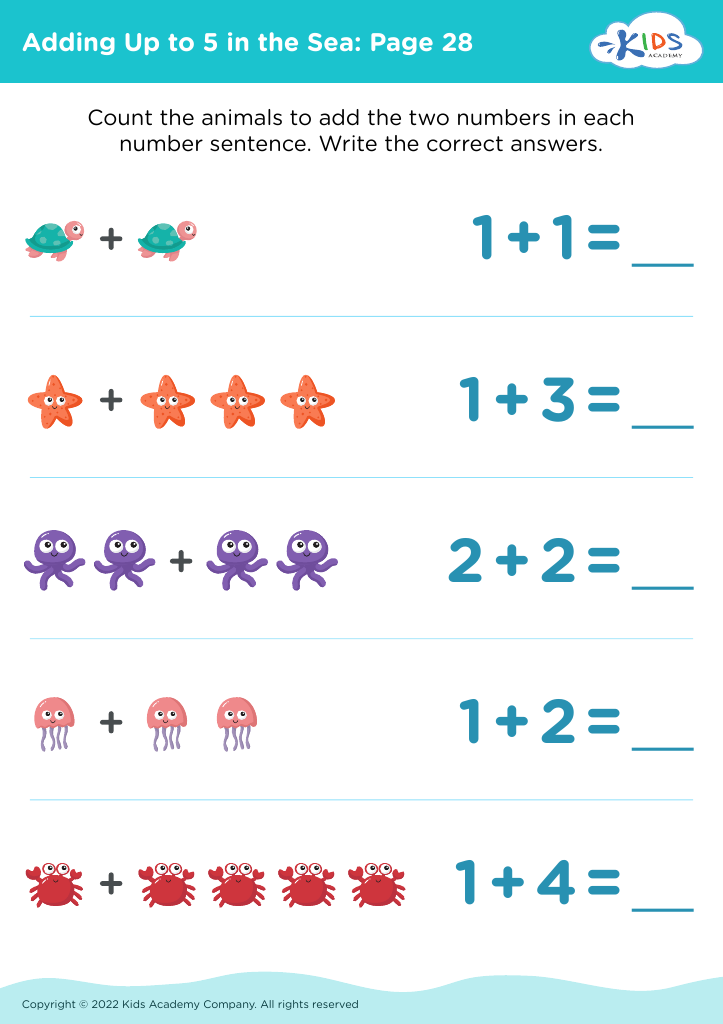
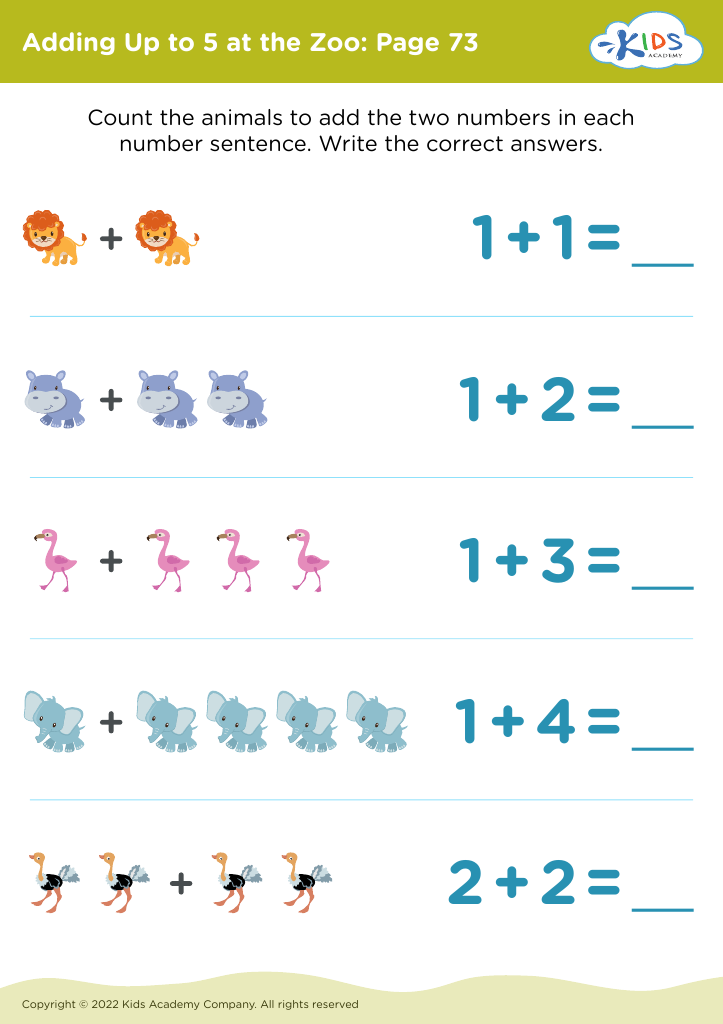
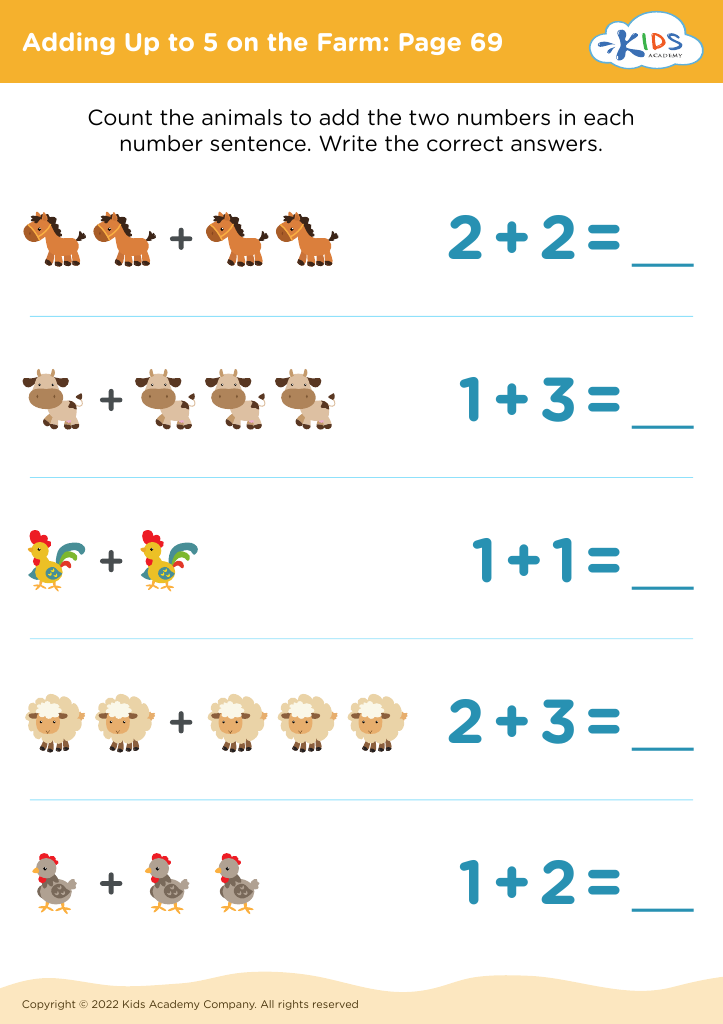
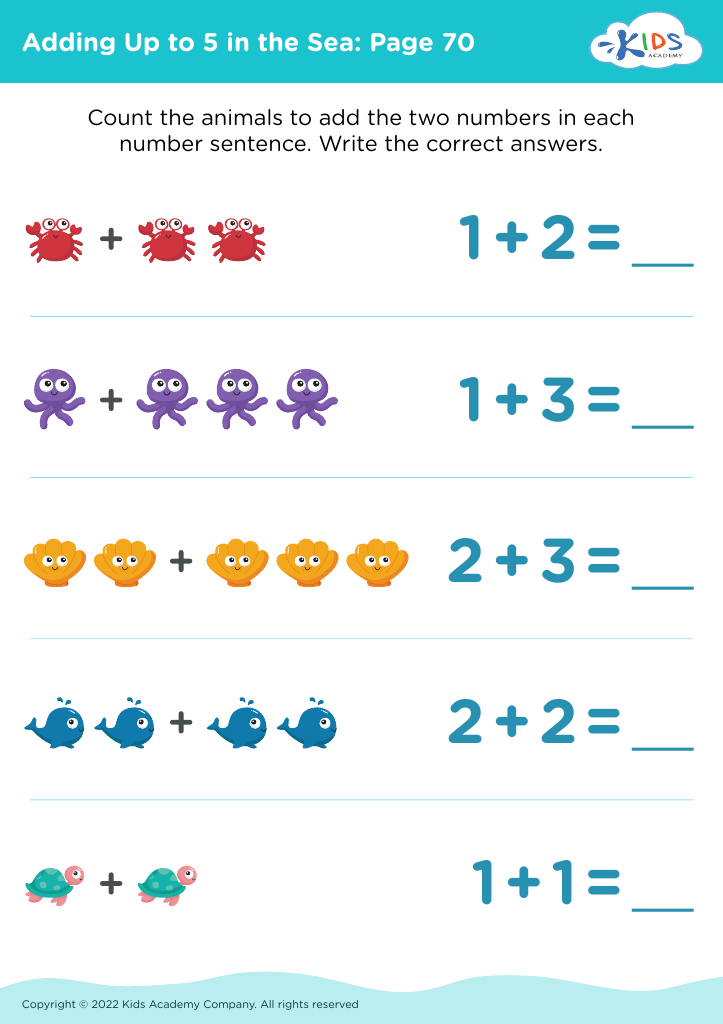
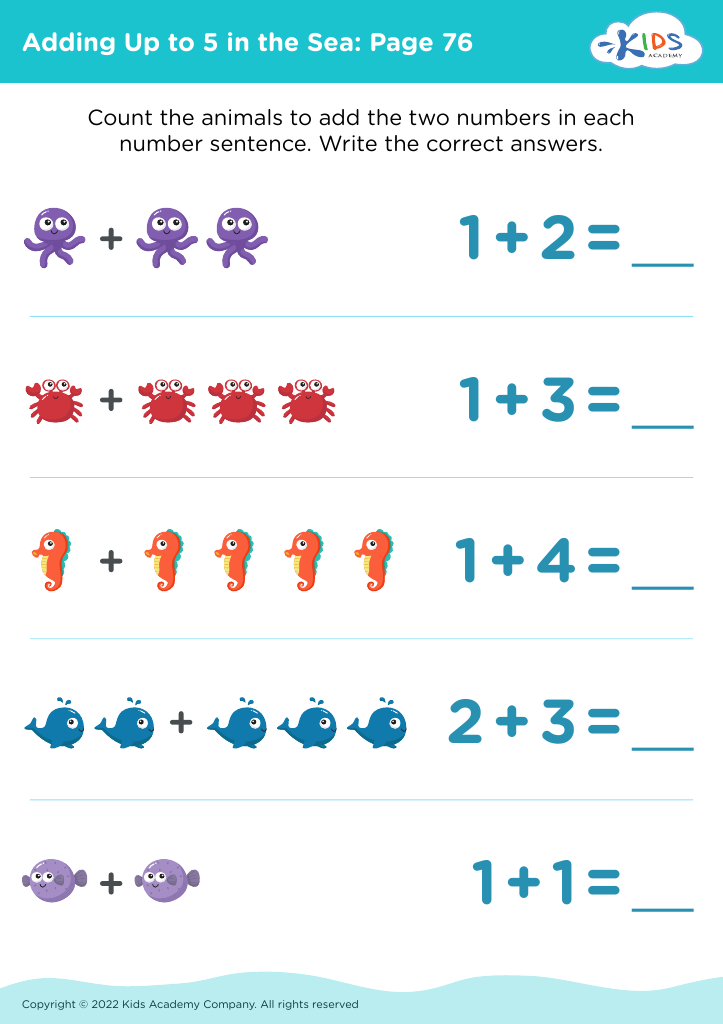
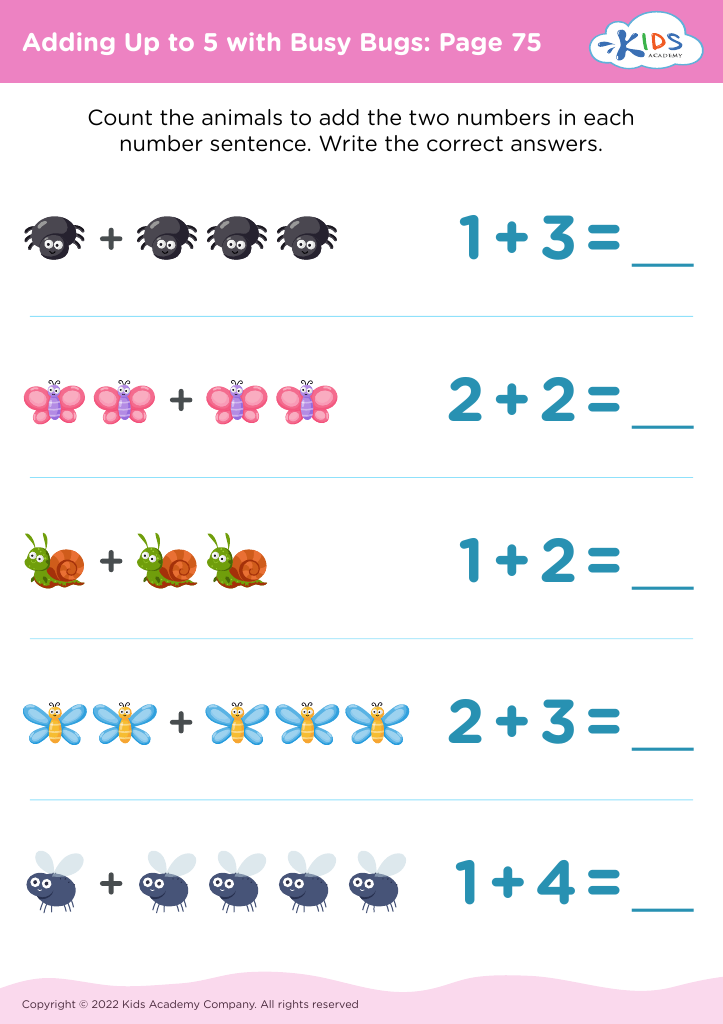
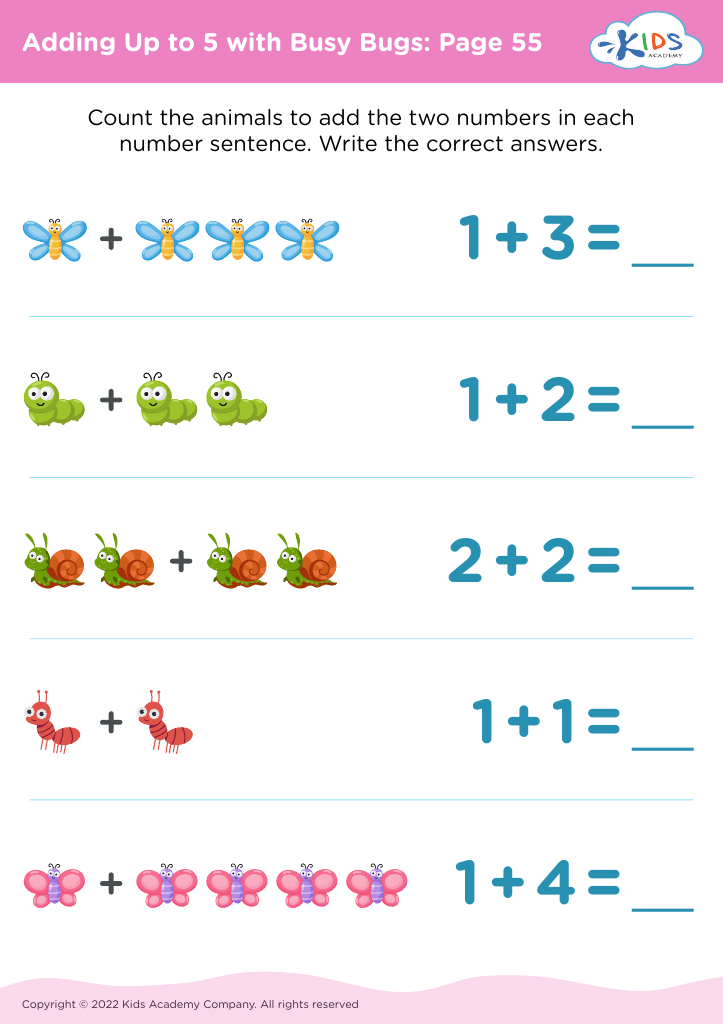








Understanding basic math is crucial for children aged 5-6, as it lays the foundation for their future academic success and everyday problem-solving skills. At this developmental stage, children are naturally curious and eager to explore concepts related to numbers, patterns, and relationships. By fostering a strong grasp of basic math, parents and teachers equip children with essential skills such as counting, addition, and subtraction, which are necessary for higher-level math in later grades.
Moreover, early math comprehension enhances critical thinking and cognitive flexibility. Engaging activities like counting objects, sorting shapes, and recognizing numbers help improve children’s ability to categorize information and solve problems creatively. These foundational skills also boost a child's confidence, promoting a positive attitude toward learning.
In addition, strong math skills contribute to everyday life situations such as budgeting, telling time, and measuring, reinforcing the practicality of mathematics. When parents and teachers value and support math learning, they not only nurture children's academic abilities but also prepare them for real-world challenges. Ultimately, cultivating a solid understanding of basic math is instrumental in developing well-rounded, confident, and capable individuals.








