Developing fine motor skills Math Worksheets for Ages 5-6
3 filtered results
-
From - To
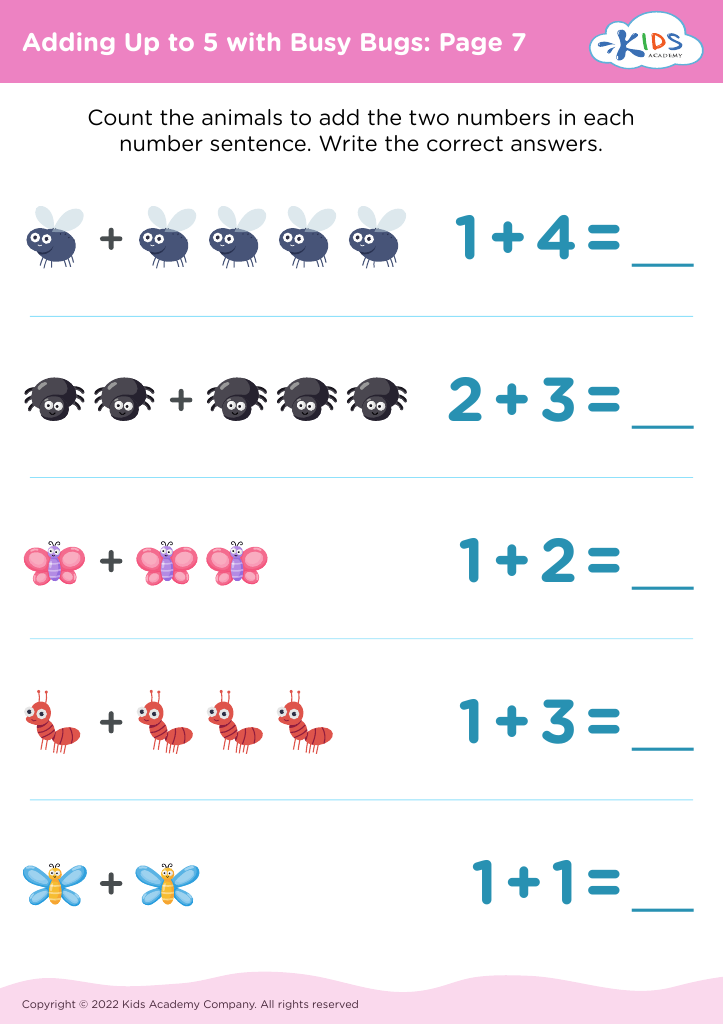
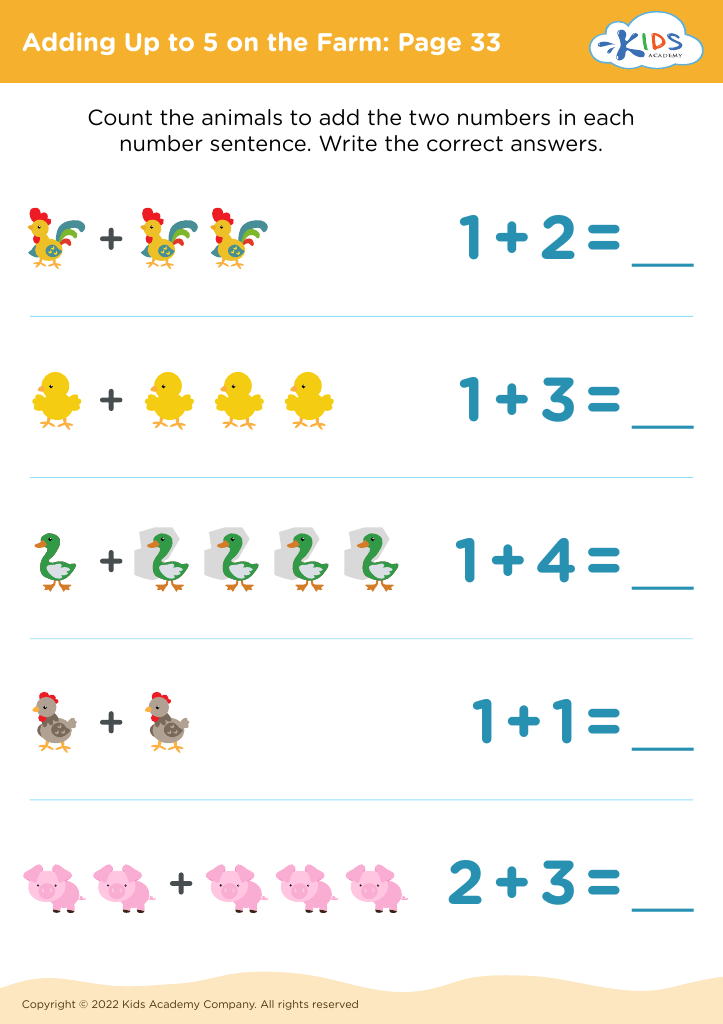
Enhance your child's fine motor skills with our engaging math worksheets designed for ages 5-6! These worksheets seamlessly combine essential mathematical concepts with fun activities that require precision and coordination. Children will enjoy tracing, cutting, and coloring while practicing basic counting, addition, and shape recognition. Our resources provide a hands-on approach to learning, helping young learners develop their grip, coordination, and attention to detail. By fostering fine motor skills through math-related tasks, we prepare children for future academic success. Explore our collection and watch your little ones thrive while building confidence in their math abilities! Perfect for home or classroom use!
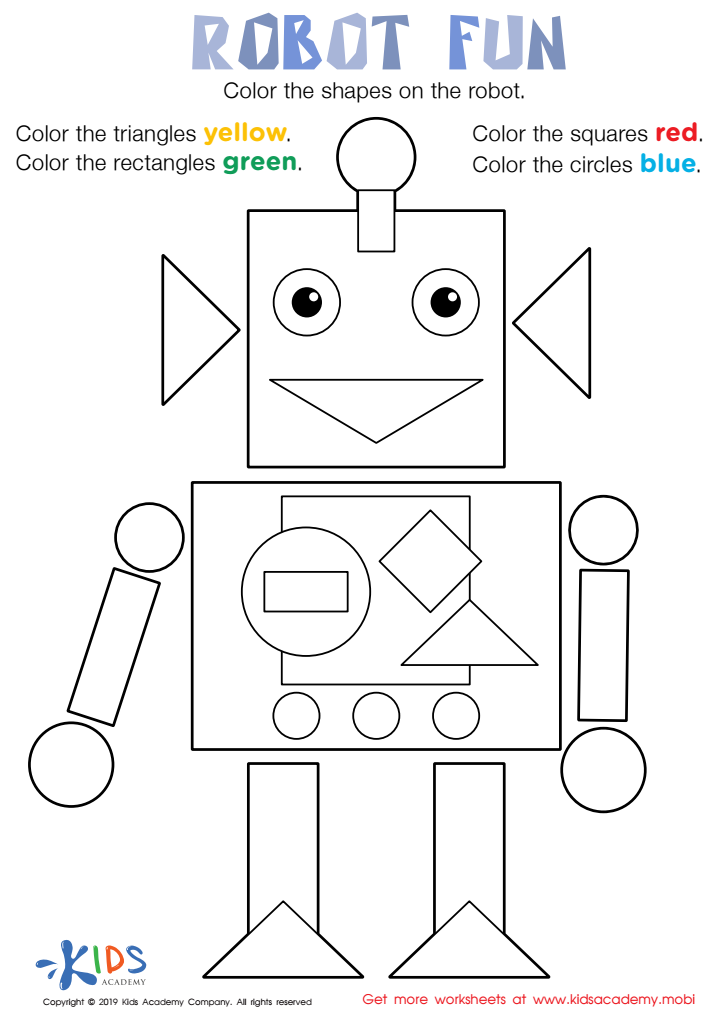
Robot Fun Worksheet
 Assign to My Students








Developing fine motor skills in children aged 5-6 is crucial for various reasons, particularly in relation to math. Fine motor skills involve the coordination of small muscles in the hands and fingers, which are essential for writing, drawing, and manipulating objects like beads or puzzles. These skills play a significant role in a child’s ability to grasp mathematical concepts.
Firstly, tasks such as counting objects, organizing them, and drawing shapes require precise hand-eye coordination and dexterity. Improved fine motor skills enable children to interact more effectively with math-related materials like counters, blocks, or journals, facilitating a hands-on learning approach that enhances comprehension.
Moreover, fine motor development supports academic confidence. As children become proficient with their motor skills, they experience success in completing math activities, reducing frustration and building a positive attitude toward learning. This emotional aspect can significantly influence their ongoing interest in mathematics.
Lastly, engaging fine motor activities aligns with the growth of cognitive skills. As children practice these skills, they are simultaneously refining their ability to focus, improve spatial awareness, and enhance problem-solving capabilities. By investing in fine motor skill development, parents and teachers set a strong foundation for a child’s mathematical understanding and overall academic journey.








