
Enhancing fine motor skills Math Worksheets for Ages 5-6
3 filtered results
Difficulty Level
Grade
Age
-
From - To
Subject
Activity
Standards
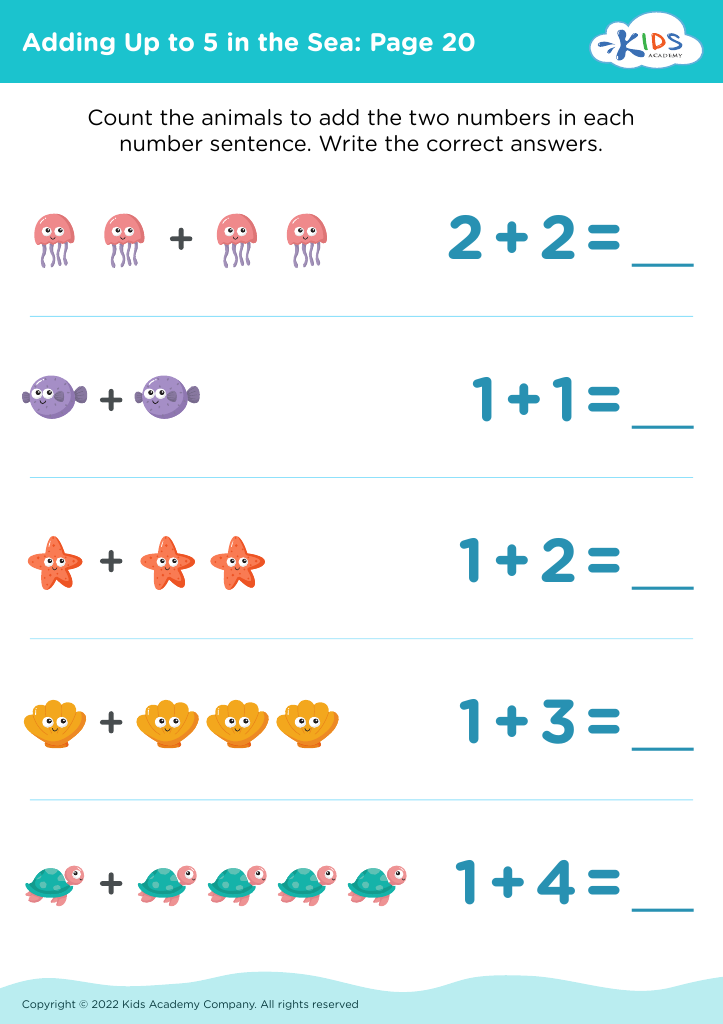
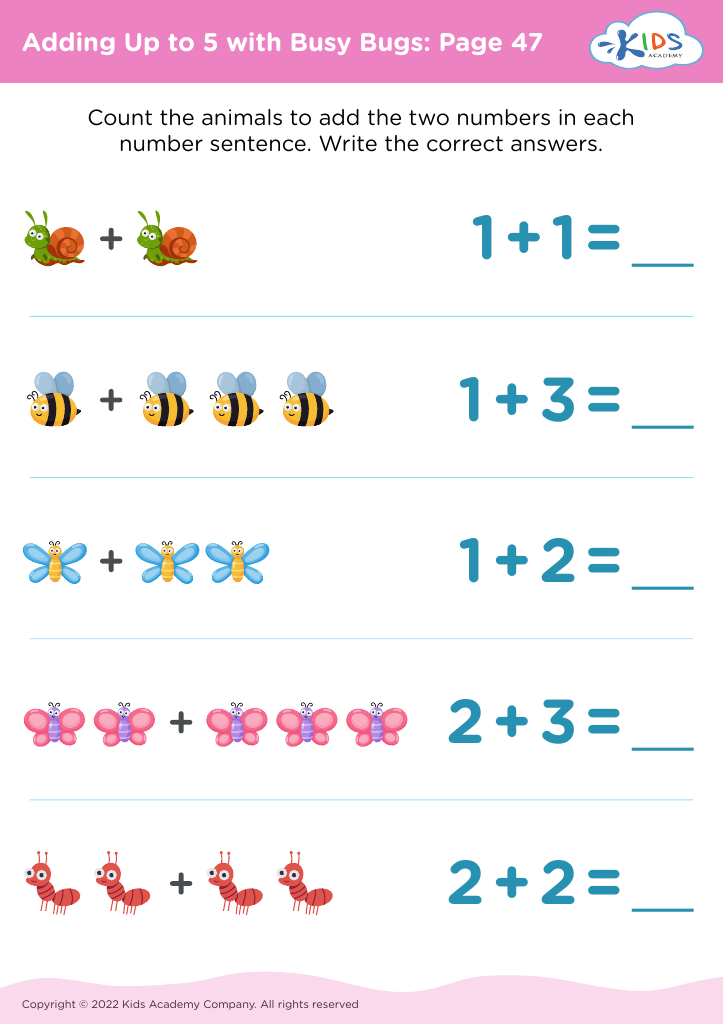
Boosting fine motor skills in young learners is essential for their overall development, and our "Enhancing Fine Motor Skills Math Worksheets for Ages 5-6" do just that! Tailored for early students, these printable worksheets make math engaging and fun while promoting coordination and control. Activities include tracing numbers, filling in patterns, and connecting dots, each designed to strengthen hand-eye coordination and dexterity. Perfect for at-home learning or in the classroom, these resources not only reinforce basic math concepts but also encourage creativity and focus. Help your child build a strong foundation in both math and fine motor skills today!
Favorites
With answer key
Interactive
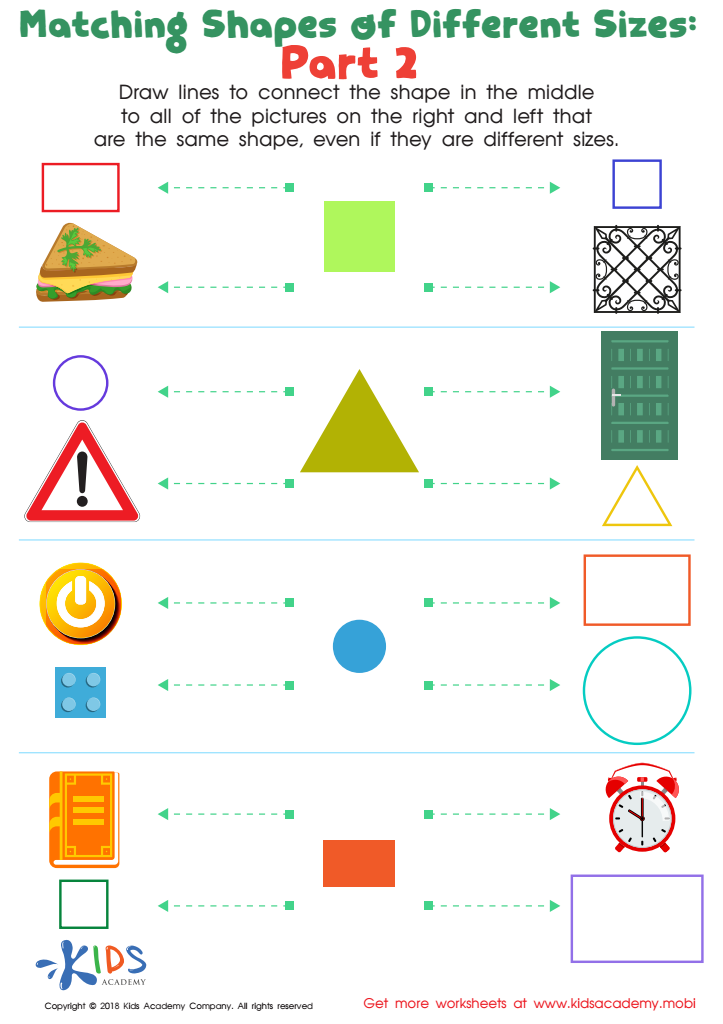
Geometry: Part 2 Worksheet
Third grade geometry gets a challenge with this free worksheet. Kids match shapes to everyday objects like sandwiches, alarm clocks and books for a better understanding of geometry in their lives. Printable pdf is included.
 Assign to My Students
Geometry: Part 2 Worksheet
Worksheet
Join Kids Academy for Free
Who is primarily going to use this learning content?







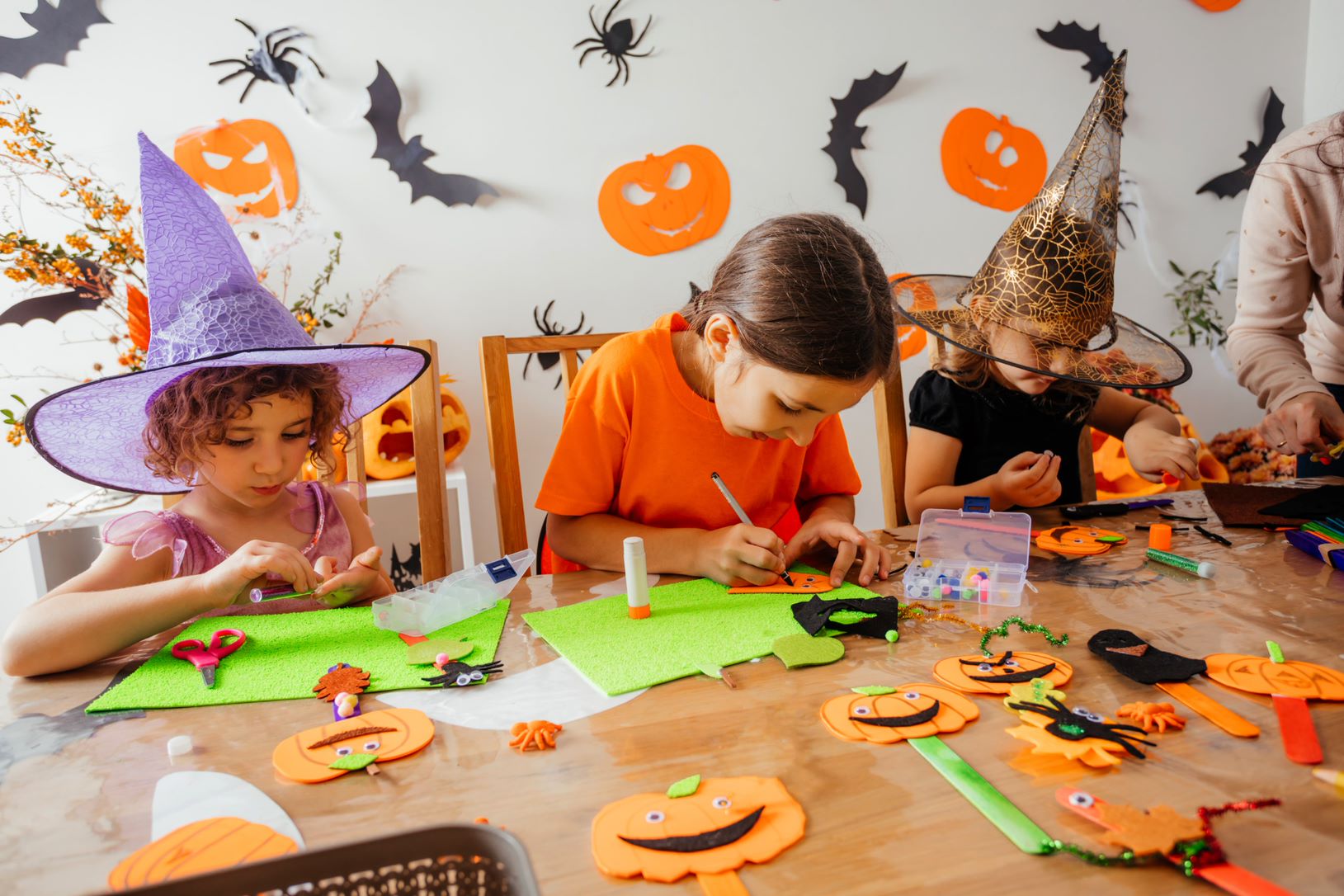
Enhancing fine motor skills in children aged 5-6 is crucial for their overall development, particularly in relation to math. Fine motor skills involve the coordination of small muscles in the hands and fingers, which are necessary for tasks such as writing, drawing, and manipulating objects. These skills directly impact a child's ability to engage with mathematical concepts, particularly in early childhood.
When children can easily grasp and manipulate tools—like pencils, scissors, and counters—they become more confident in their mathematical abilities. Mastery of basic fine motor skills facilitates the development of numerical literacy, allowing children to organize materials, create graphs, or solve problems hands-on. For example, using small objects for counting helps build a tangible understanding of numbers and quantities.
Additionally, activities that strengthen fine motor skills—such as coloring, cutting, and threading—can also enhance concentration, patience, and perseverance. These attributes are valuable not only in math but in all areas of learning.
Teachers and parents play a vital role in providing experiences that refine these skills, paving the way for robust mathematical reasoning. By integrating fine motor practice into math activities, they can set children up for future academic success and give them a strong foundation in problem-solving techniques.








