
Underwater animal identification Math Worksheets for Ages 5-6
3 filtered results
Difficulty Level
Grade
Age
-
From - To
Subject
Activity
Standards
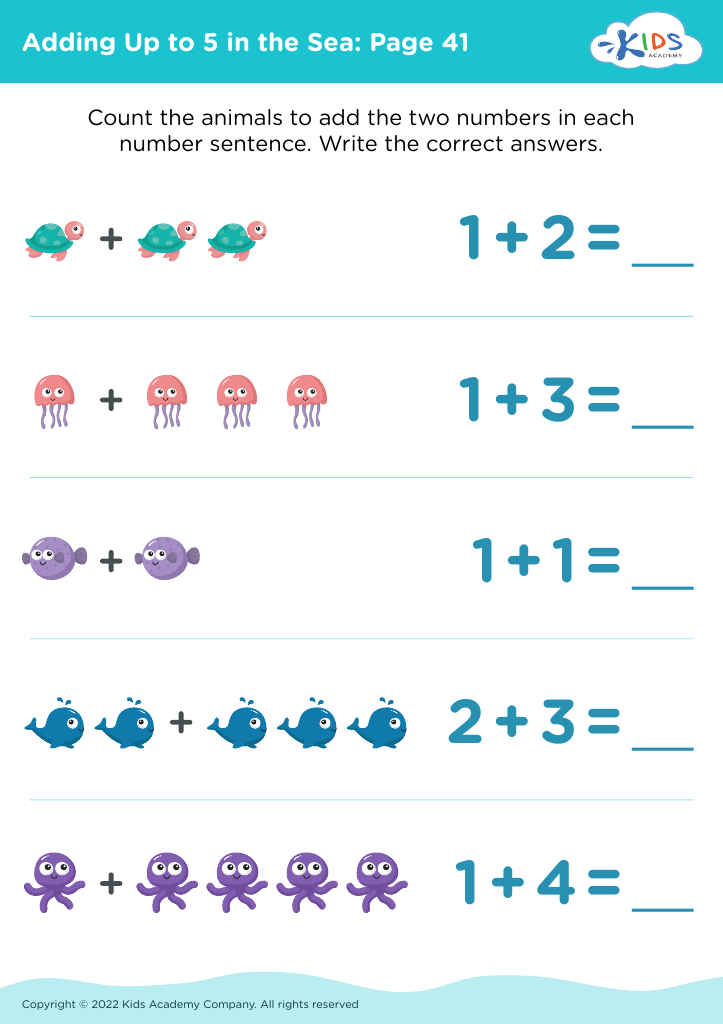
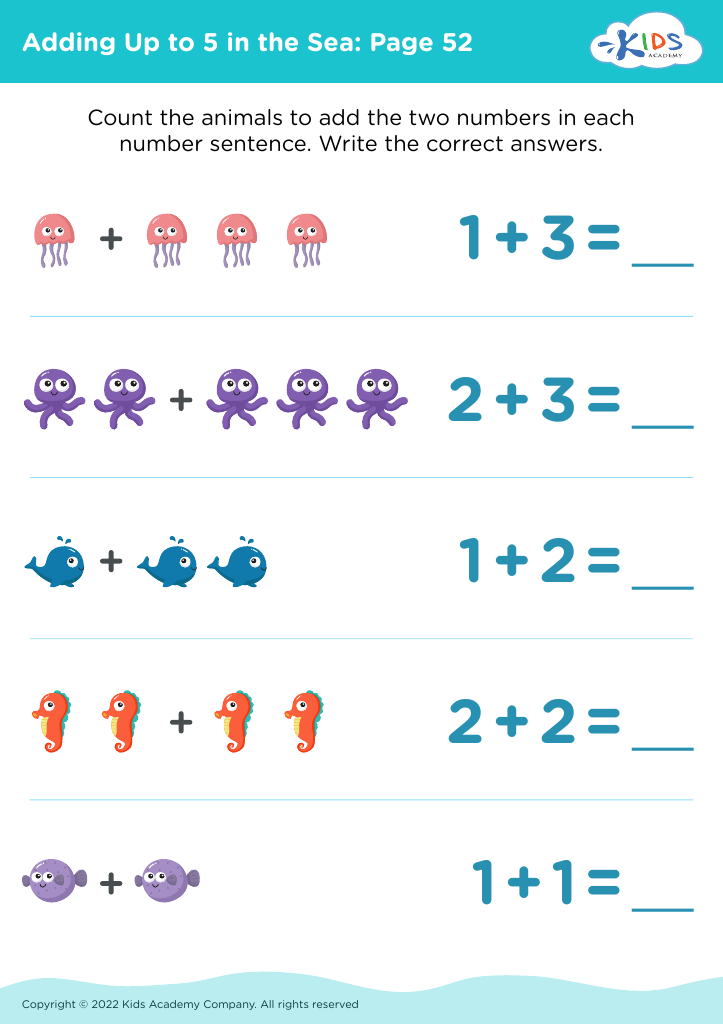
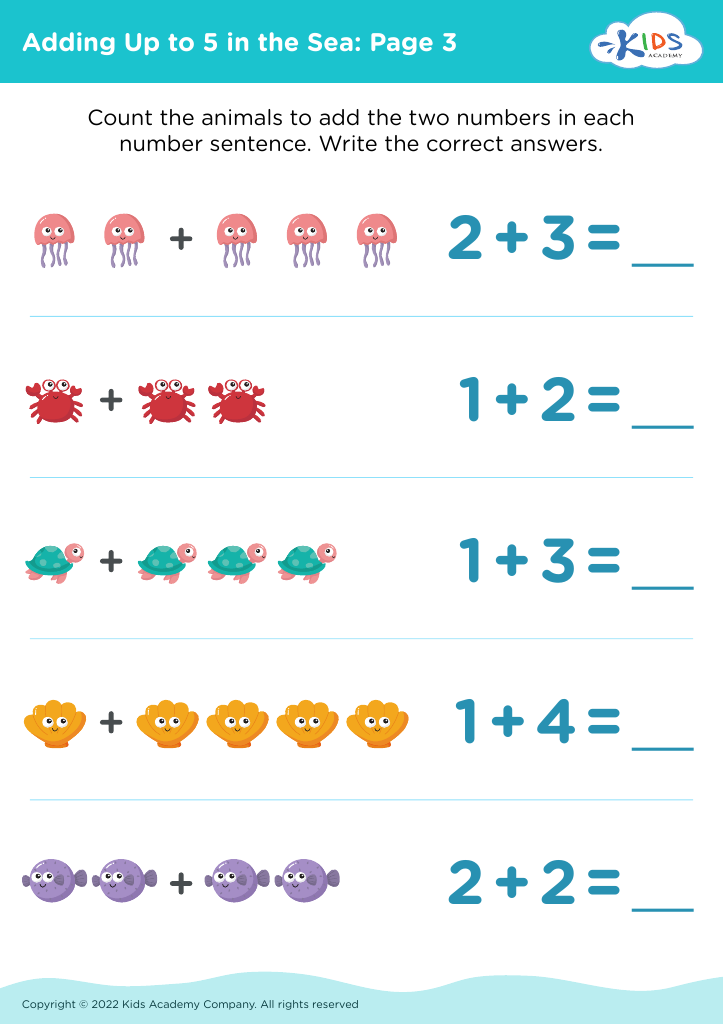
Dive into fun with our Underwater Animal Identification Math Worksheets designed specifically for ages 5-6! These engaging worksheets combine math skills with marine life exploration, helping young learners identify fascinating underwater animals while practicing essential counting, addition, and subtraction techniques. Each worksheet features vibrant illustrations and simple activities that encourage curiosity and promote learning. Ideal for home or classroom use, our worksheets foster a love for math and marine biology, enriching both cognitive and observational skills in early learners. Make underwater adventures an integral part of your child's educational journey with these captivating resources that ignite imagination and inspire discovery!
Favorites
With answer key
Interactive
Join Kids Academy for Free
Who is primarily going to use this learning content?



%20(1).jpg)


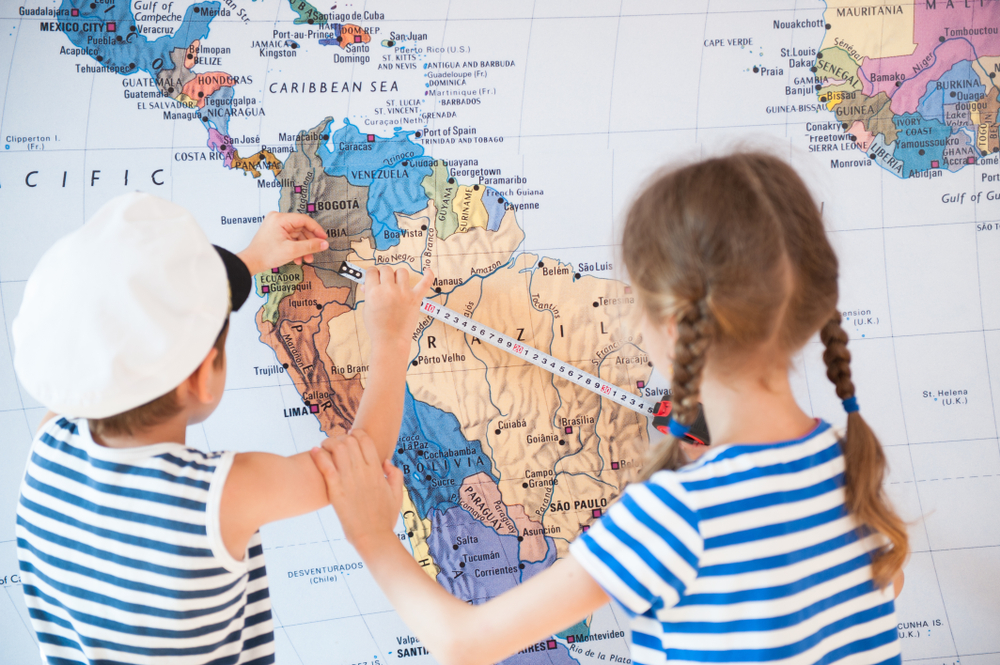

Parents and teachers should care about underwater animal identification math for ages 5-6 because it enhances children’s learning through engaging, hands-on activities that combine science and mathematics. At this developmental stage, children are naturally curious about the world around them, and underwater animals can ignite that curiosity. Identifying various underwater animals—like fish, turtles, and starfish—while integrating math concepts such as counting, sorting, and patterns, fosters both critical thinking skills and environmental awareness.
By incorporating mathematical activities into animal identification, children develop foundational math skills in an enjoyable context. For instance, counting the number of fins or comparing the sizes of different fish enables them to visualize and concretize abstract math concepts. Moreover, such interdisciplinary learning cultivates observational skills and scientific literacy from an early age.
Additionally, exploring underwater ecosystems can promote discussions about conservation and the importance of biodiversity, helping children understand their role in protecting these environments. As these subjects are intertwined, children are more likely to retain the information and apply it in real-world contexts. Ultimately, this multi-faceted approach makes learning fun and relevant, encouraging lifelong learners and responsible future stewards of the planet.








