
Visual learning reinforcement Math Worksheets for Ages 5-6
7 filtered results
Difficulty Level
Grade
Age
-
From - To
Subject
Activity
Standards
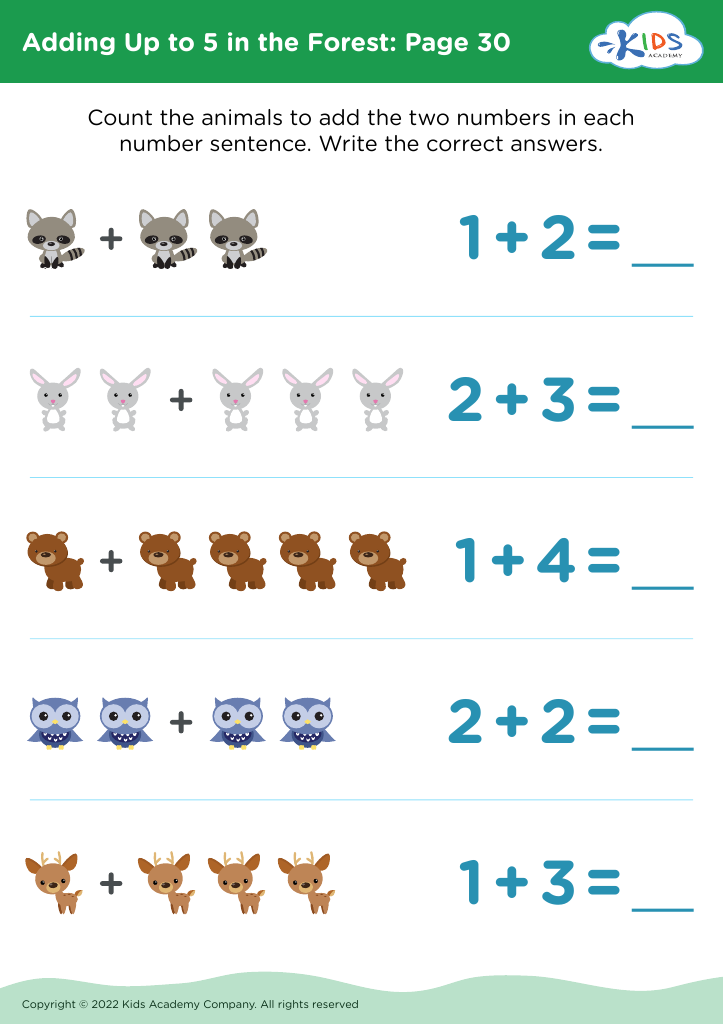
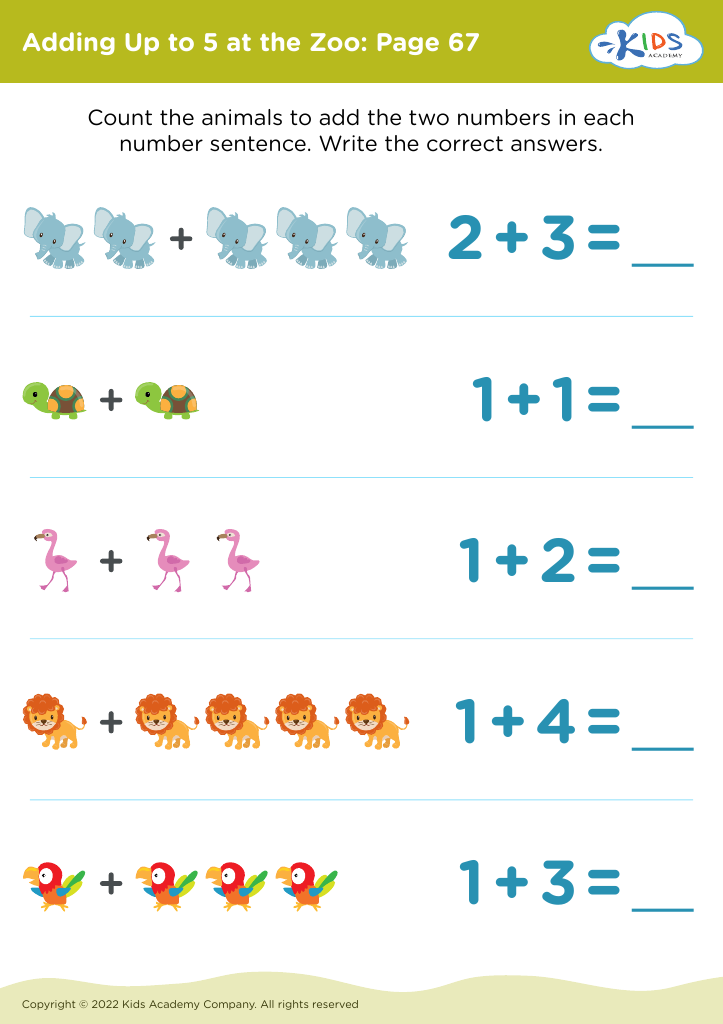
Explore our engaging Visual Learning Reinforcement Math Worksheets designed specifically for children aged 5-6. These worksheets are perfect for fostering early math skills through visual aids, enhancing comprehension and retention. Young learners will enjoy vibrant colors and interactive activities that make learning fun and effective. Our carefully crafted exercises focus on essential concepts such as counting, addition, and shapes, helping to lay a strong foundation for future math success. Each worksheet is printable and tailored to meet the developmental needs of young learners, ensuring a stimulating educational experience. Empower your child’s learning journey today with our innovative visual math resources!
Favorites
With answer key
Interactive
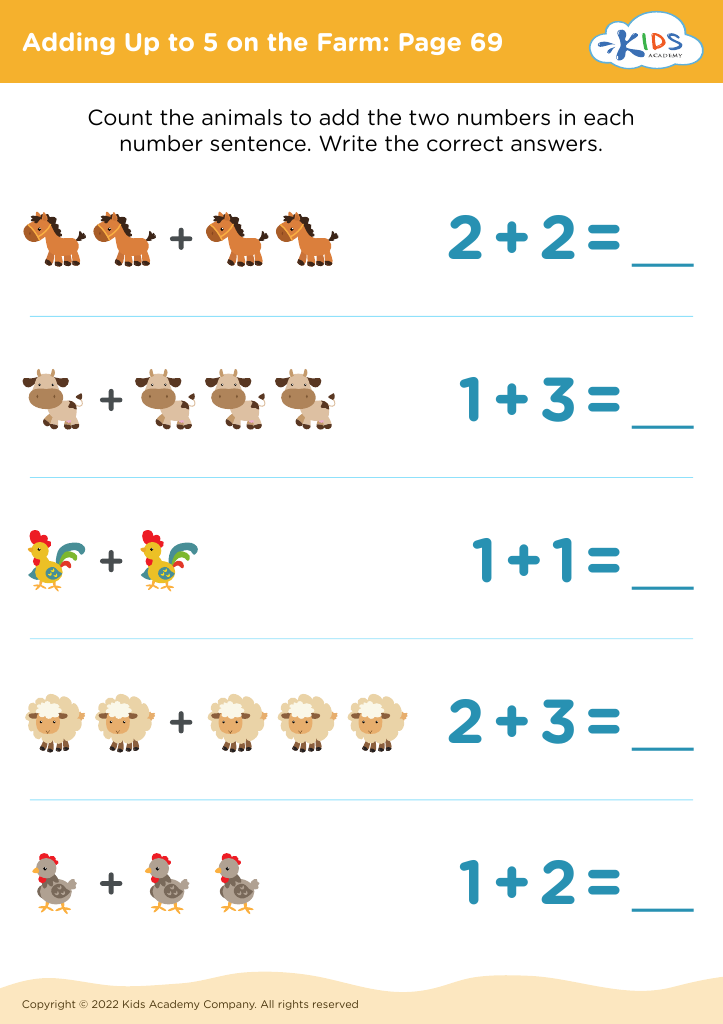
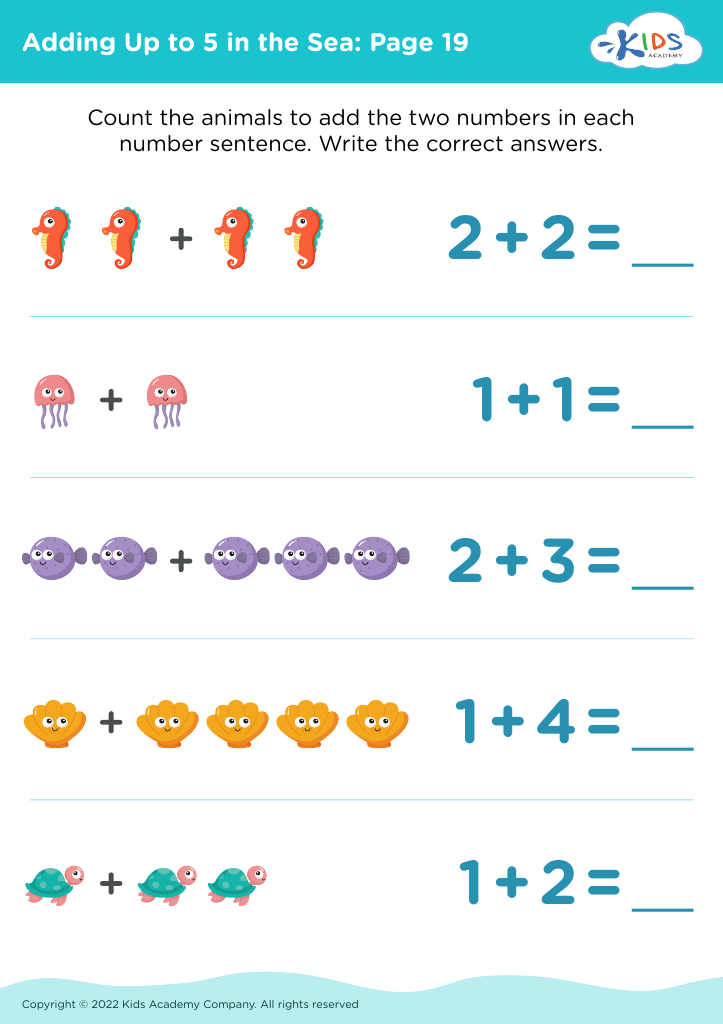
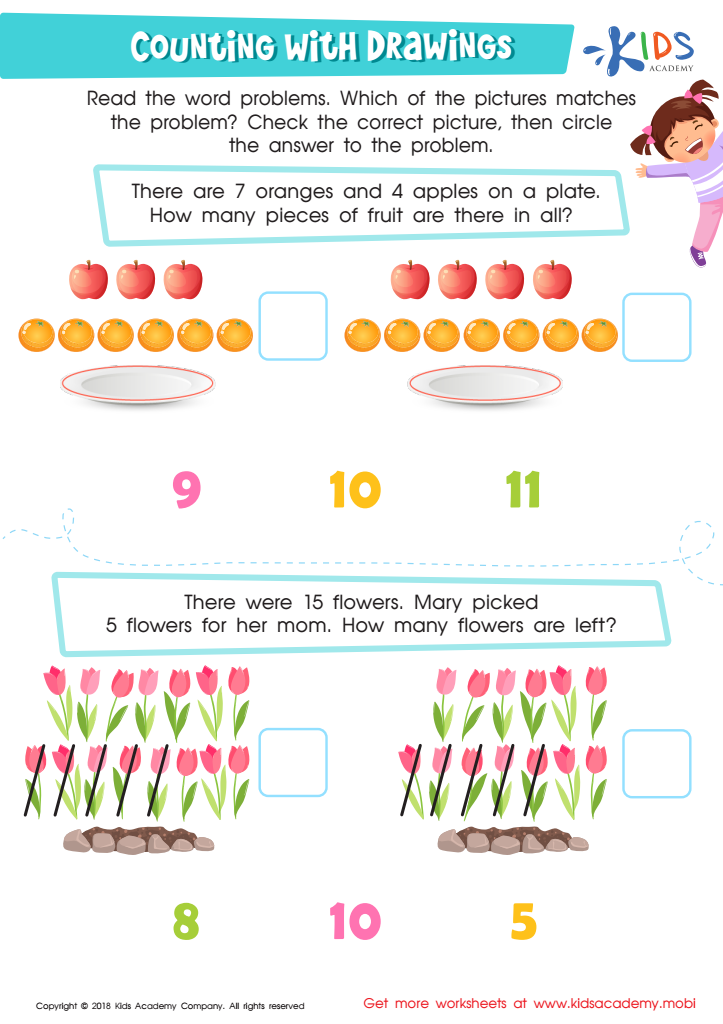
Counting with Drawings: Fruits & Chocolates Worksheet
Learning basic addition and subtraction has never been easier with this free worksheet! Young mathematicians can sort & count to get the right sum or difference for each problem. Plus, they'll practice fine motor skills by circling the correct answer. An ideal way to help kids build important visual recognition and discernment skills.
 Assign to My Students
Counting with Drawings: Fruits & Chocolates Worksheet
Worksheet
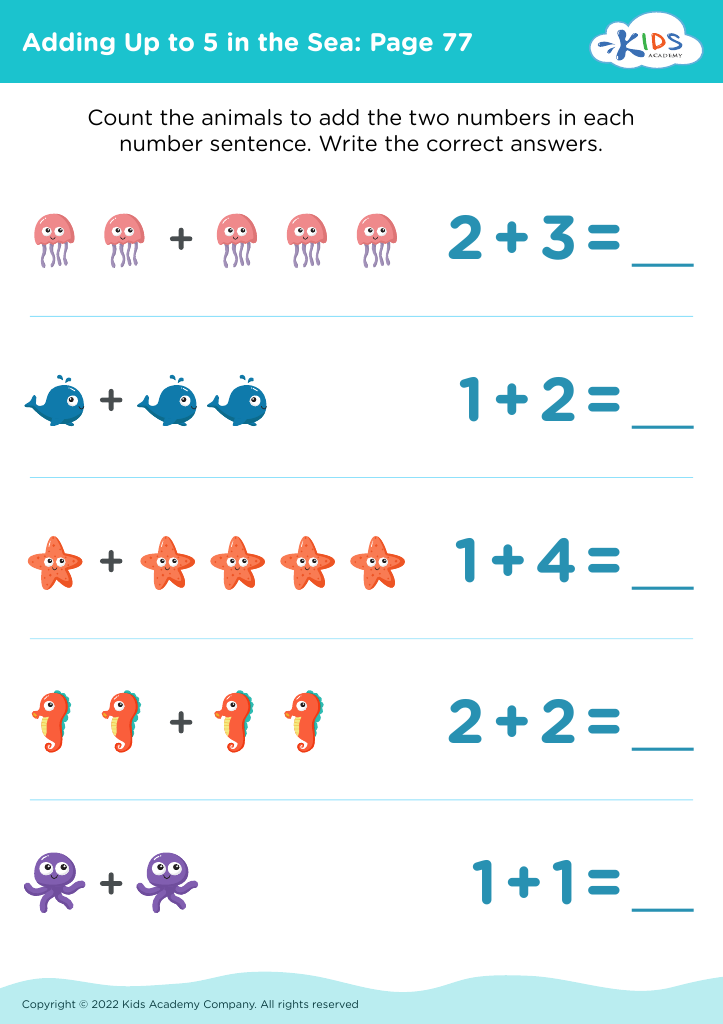
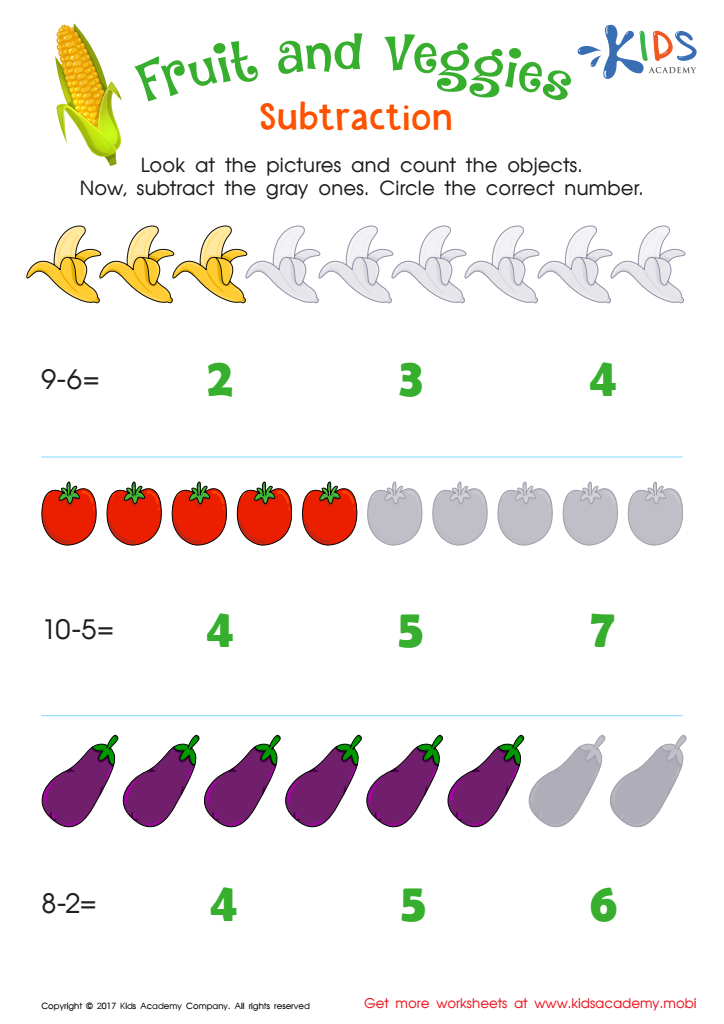
Fruit and Veggies Subtraction Worksheet
Kids learn subtraction with this fun worksheet: fruits and veggies! Kids use pictures to count or take away to get the right answer, aiding in understanding subtraction better.
Fruit and Veggies Subtraction Worksheet
Worksheet
Join Kids Academy for Free
Who is primarily going to use this learning content?







Visual learning reinforcement in math is crucial for children ages 5-6 as it caters to their developmental needs and enhances understanding. At this age, children's brains are highly receptive to visual stimuli, making images, graphs, and diagrams effective tools for learning. Utilizing visual aids can simplify complex concepts (like addition, subtraction, and basic geometry), helping young learners to grasp them intuitively.
Visual reinforcement fosters engagement and enthusiasm for math, which is vital at this formative stage. Children are naturally curious, and incorporating visuals can keep them interested and motivated. It provides opportunities for exploration and discovery, allowing kids to visualize problems rather than memorize methods, thereby promoting critical thinking and problem-solving skills.
Moreover, visual learning supports various learning styles. Some children are visual learners who absorb information better when it's represented through charts or drawings. By integrating visual elements, educators and parents ensure that all learners have an effective way to connect with mathematical concepts. This early foundation not only sets the stage for future academic success but also nurtures a positive self-image regarding math, fostering lifelong learning habits. By emphasizing visual learning, parents and teachers can engage young learners and boost their confidence in mathematics.








