Visual perception Matching Worksheets for Ages 5-6
5 filtered results
-
From - To
Discover our delightful collection of Visual Perception Matching Worksheets tailored for kids aged 5-6 at Kids Academy! Designed to develop essential cognitive skills, these engaging activities help children enhance their ability to recognize patterns, sort objects, and sharpen spatial awareness. Fun and educational, our worksheets offer an array of exercises that promote visual discrimination, critical thinking, and problem-solving prowess. Perfect for use at home or in the classroom, these activities transform learning into an interactive adventure. Give your child a head start in math and reading with our expertly designed visual perception practice that makes learning irresistible!
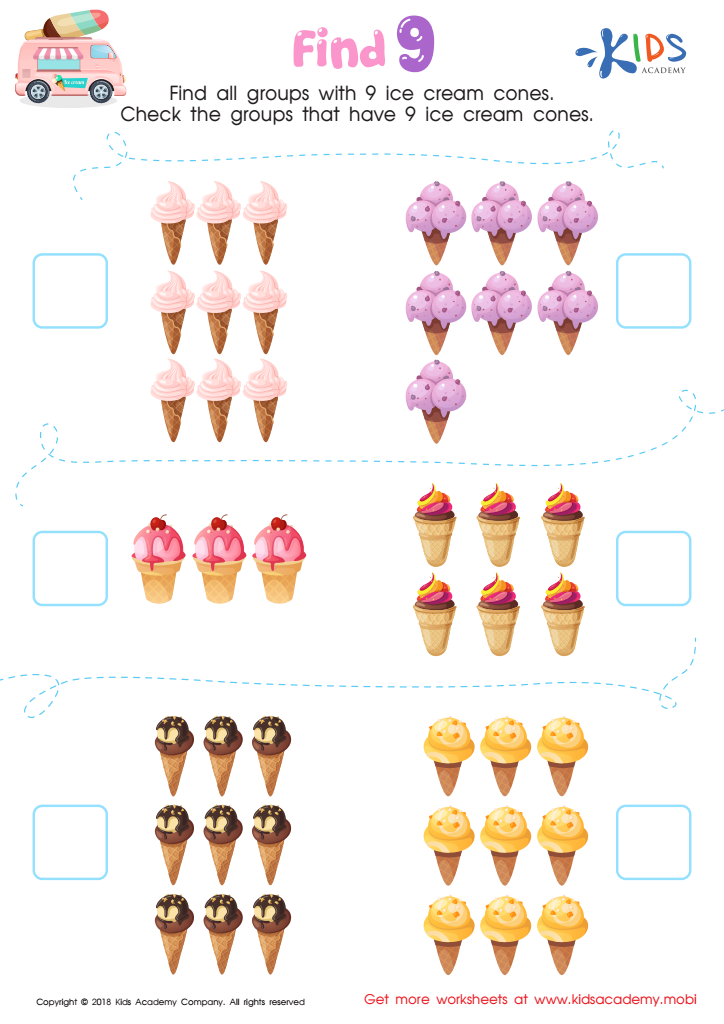
Find 9 Worksheet
 Assign to My Students
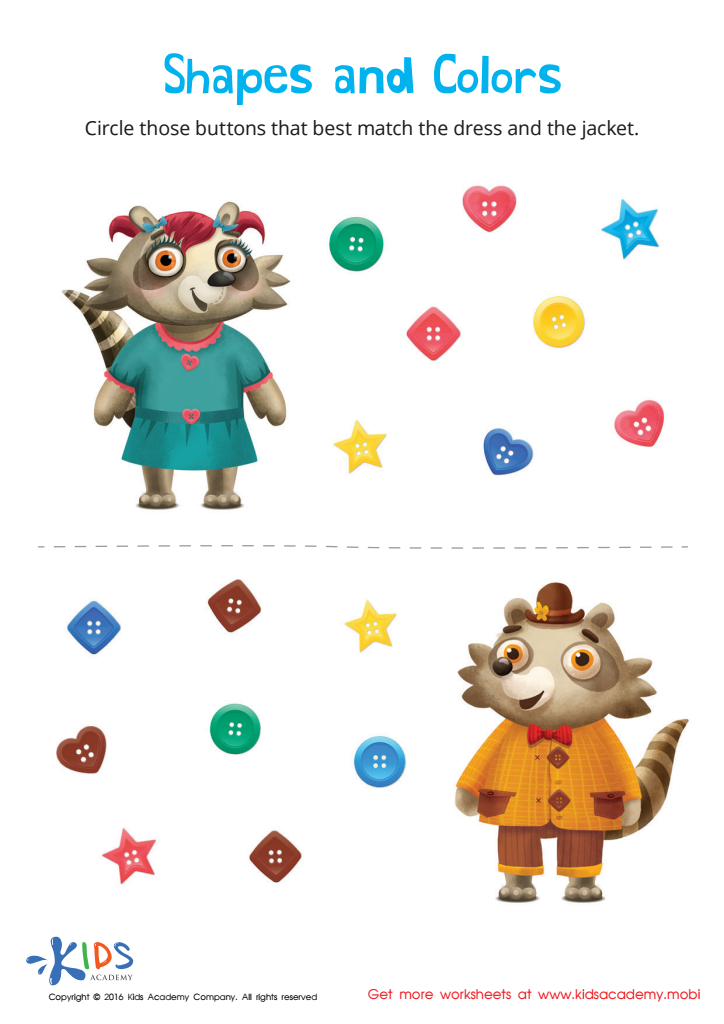
Matching: Shapes and Colors Worksheet
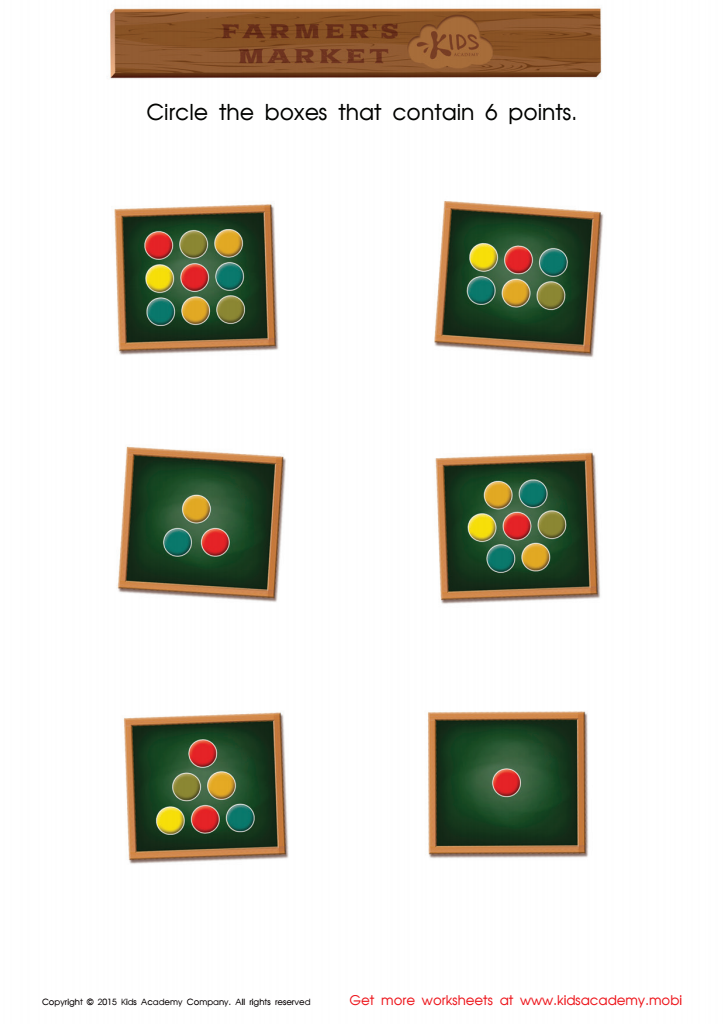
Count and Match Points 6 Math Worksheet
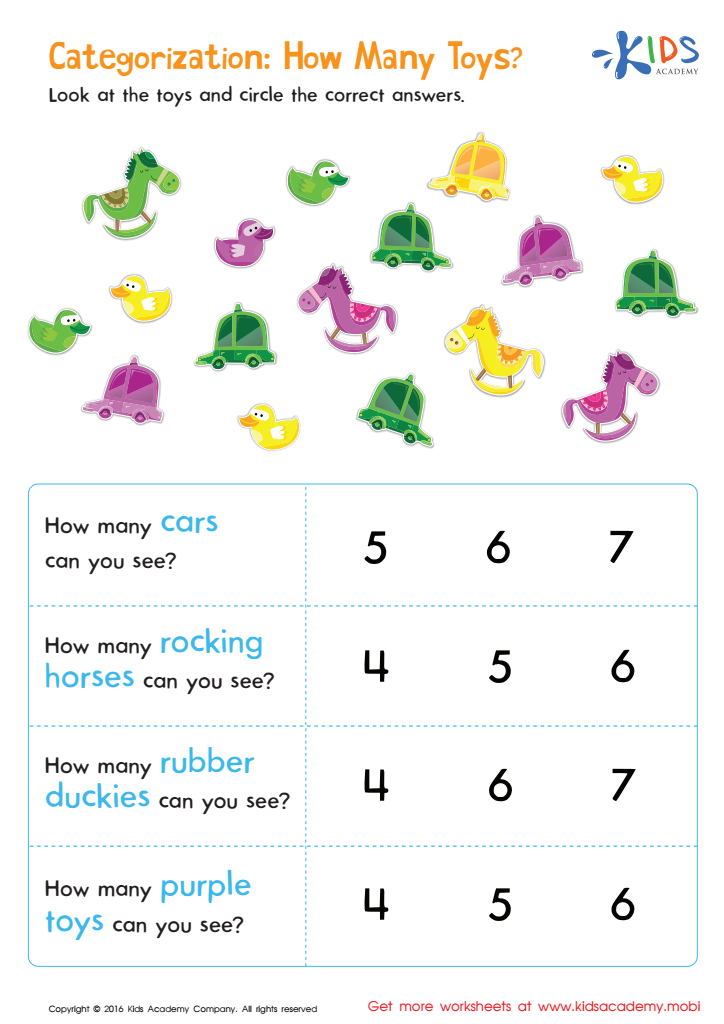
Classifying Toys by Type and Color Sorting Worksheet
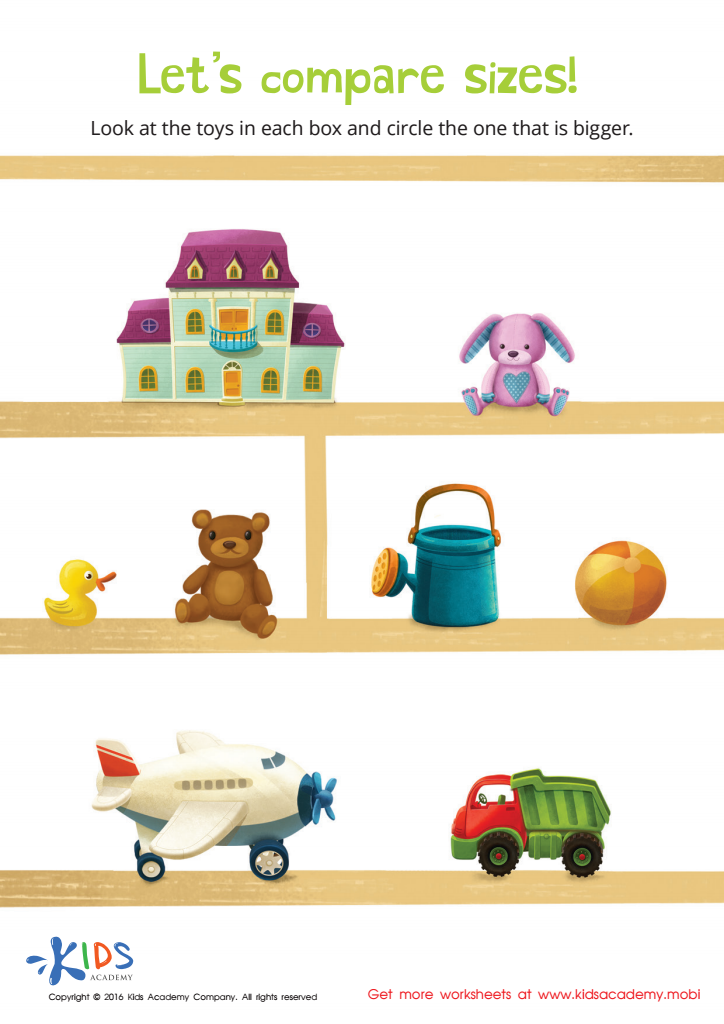
Classifying by Size Sorting Worksheet








Visual perception matching is a crucial aspect for the development of young children aged 5-6. At this stage, children are sharpening their cognitive skills, and visual perception is fundamental to their learning process. When parents and teachers focus on visual perception matching activities, they are helping children improve their ability to recognize similarities and differences, an essential skill for reading and mathematics. These exercises enhance memory retention and problem-solving abilities which are critical for academic success.
Moreover, visual perception matching supports the development of fine motor skills. As children engage in tasks that require them to trace, color, or cut, they refine their hand-eye coordination and dexterity. This coordination is foundational for writing and other motor-based tasks they will encounter throughout their academic journey.
Beyond cognitive and motor development, engaging in visual perception matching activities can boost a child's confidence and independence. Successfully completing matching tasks provides a sense of accomplishment and can ignite a child's interest in learning.
In summary, investing in visual perception matching activities for children ages 5-6 fosters integral developmental milestones—cognitive processing, fine motor coordination, and an enthusiastic outlook on learning. Parents and teachers supporting these activities provide vital groundwork for future educational success.








