Basic Addition Skills Building Vocabulary Worksheets for Ages 5-6
5 filtered results
-
From - To
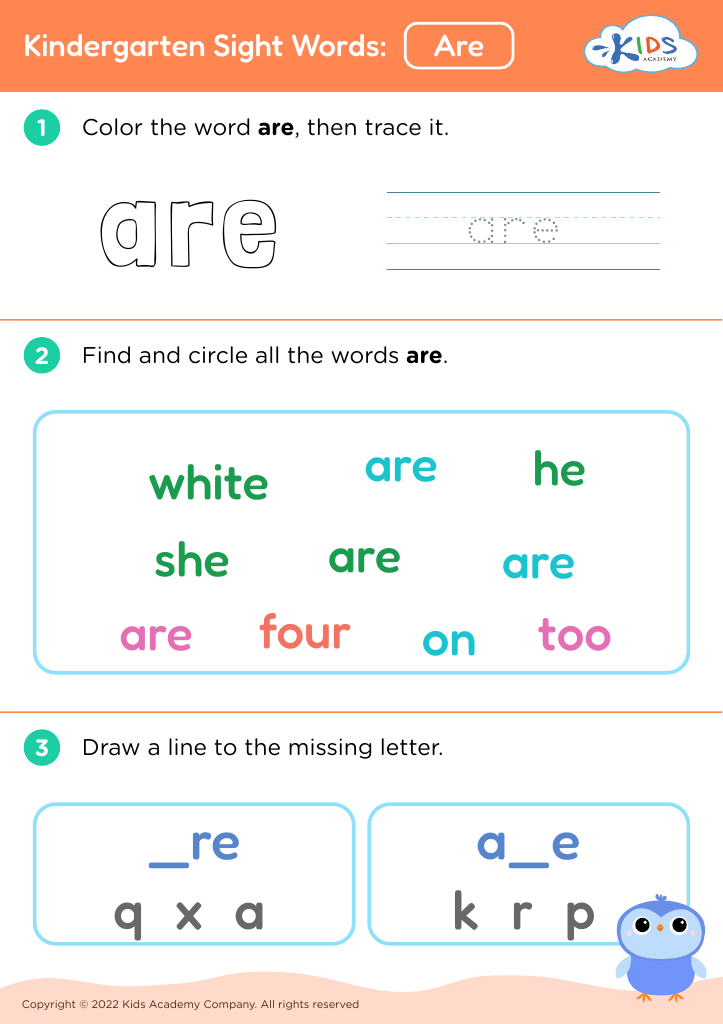
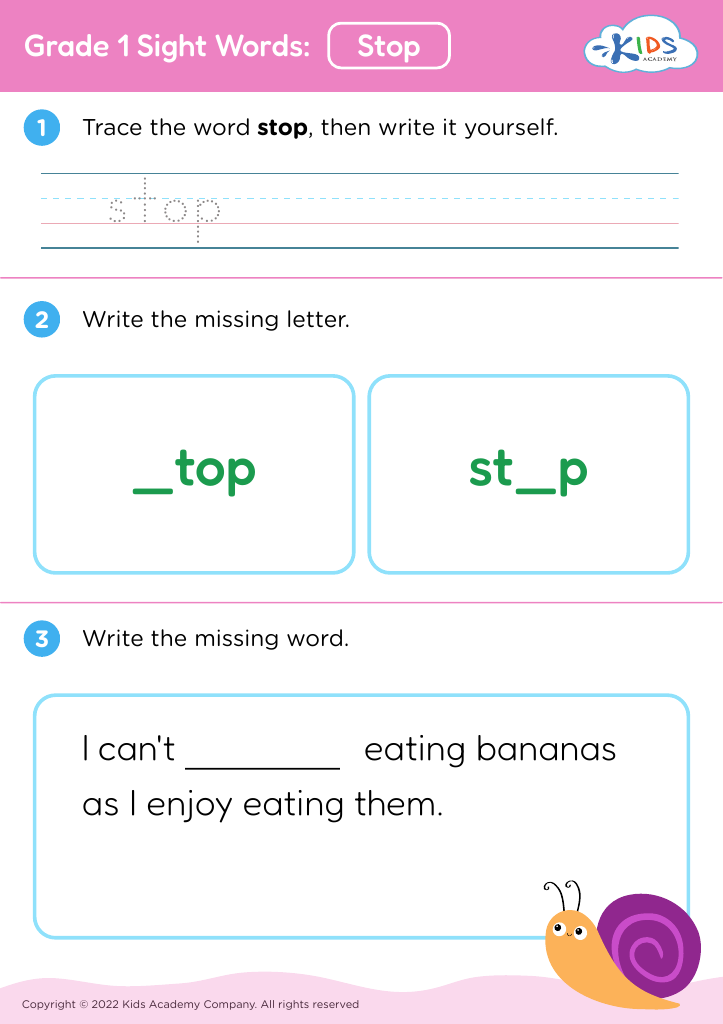
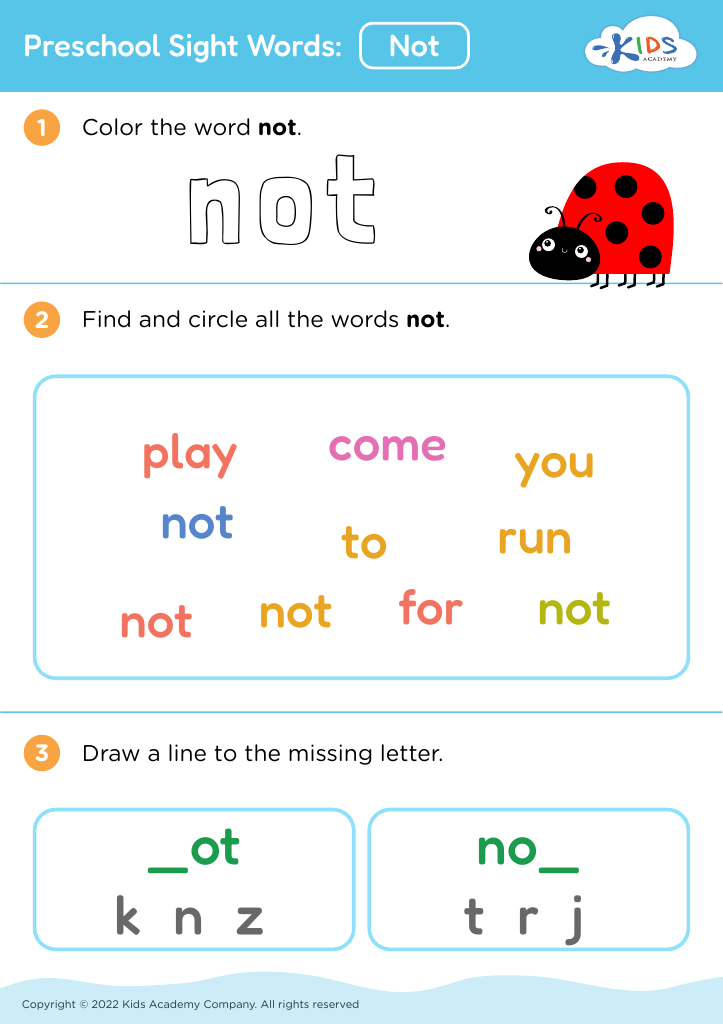
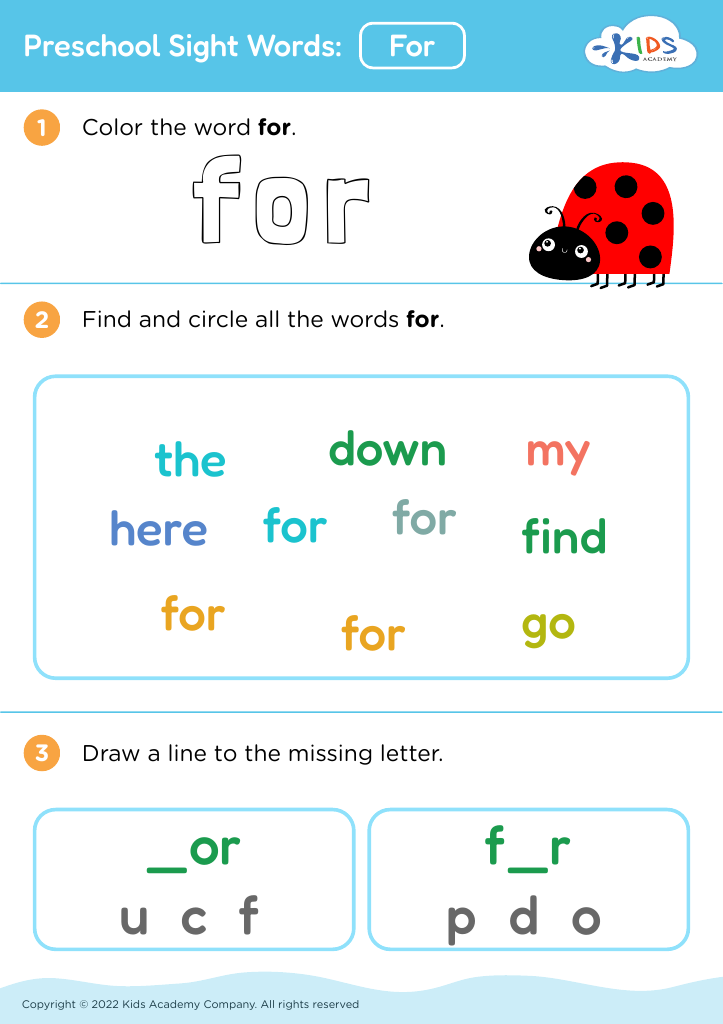
Our "Basic Addition Skills Building Vocabulary Worksheets for Ages 5-6" are designed to make early math learning fun and interactive. Tailored for young children, these engaging worksheets help develop foundational addition skills while expanding vocabulary. Featuring colorful illustrations and simple exercises, kids will enjoy counting and adding numbers up to 10. Perfect for home or classroom use, our resources reinforce key math concepts and vocabulary in a playful way, ensuring that learning remains enjoyable. Foster your child's confidence in math and language arts with these expertly crafted tools from Kids Academy. Explore now and support your child’s educational journey!


















Parents and teachers should prioritize building basic addition skills and vocabulary for children aged 5-6 because these foundational years are critical for setting the stage for future learning. At this age, young learners are highly receptive and their cognitive development is at a prime stage to absorb new concepts. Developing strong addition skills early on helps to establish a solid mathematical foundation, which is essential for more complex problem-solving and arithmetic they will encounter later.
Basic addition is not just about numbers—it's also about understanding concepts such as "sum," "total," "more than," and "equals." Building this vocabulary helps children discuss mathematical ideas confidently, enhancing their overall communication skills. When children can verbally express mathematical concepts, they grasp abstract ideas more concretely and are better equipped to tackle word problems in the future.
Moreover, learning addition through engaging activities fosters a positive attitude toward math, reducing anxiety and creating a fun learning environment. Early success in math can boost a child’s confidence, promoting a lifelong love for the subject and enhancing their overall academic performance. Integrated learning at home and school ensures a consistent, reinforcing experience, giving children the support they need to flourish in mathematics and beyond.








