
Color Identification Building Vocabulary Worksheets for Ages 5-6
4 filtered results
Difficulty Level
Grade
Age
-
From - To
Subject
Activity
Standards
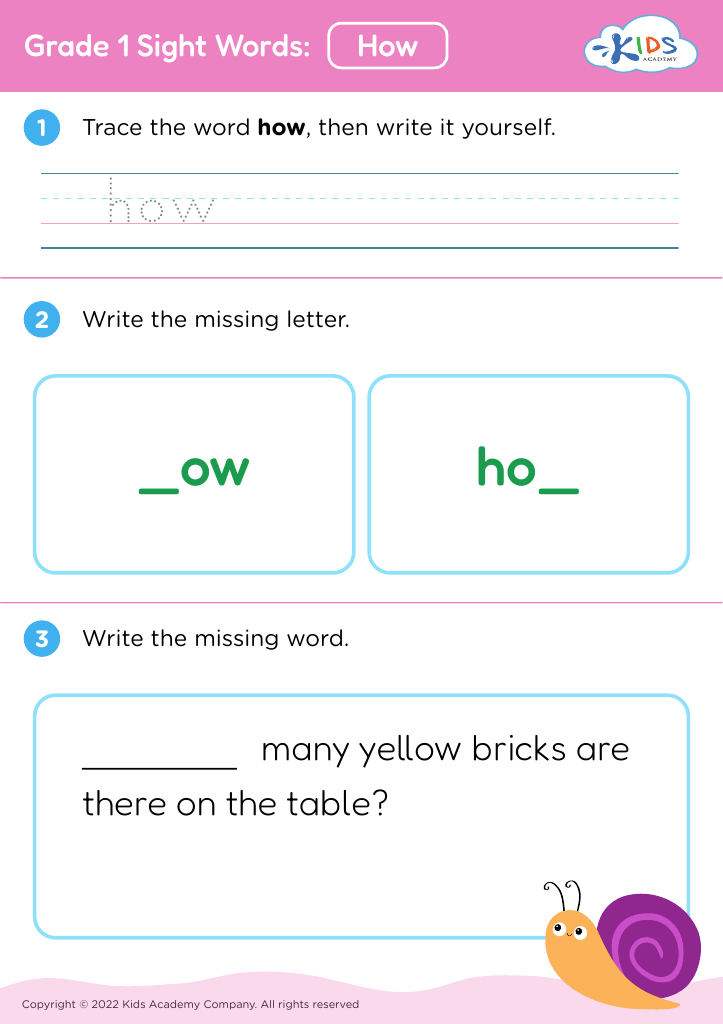
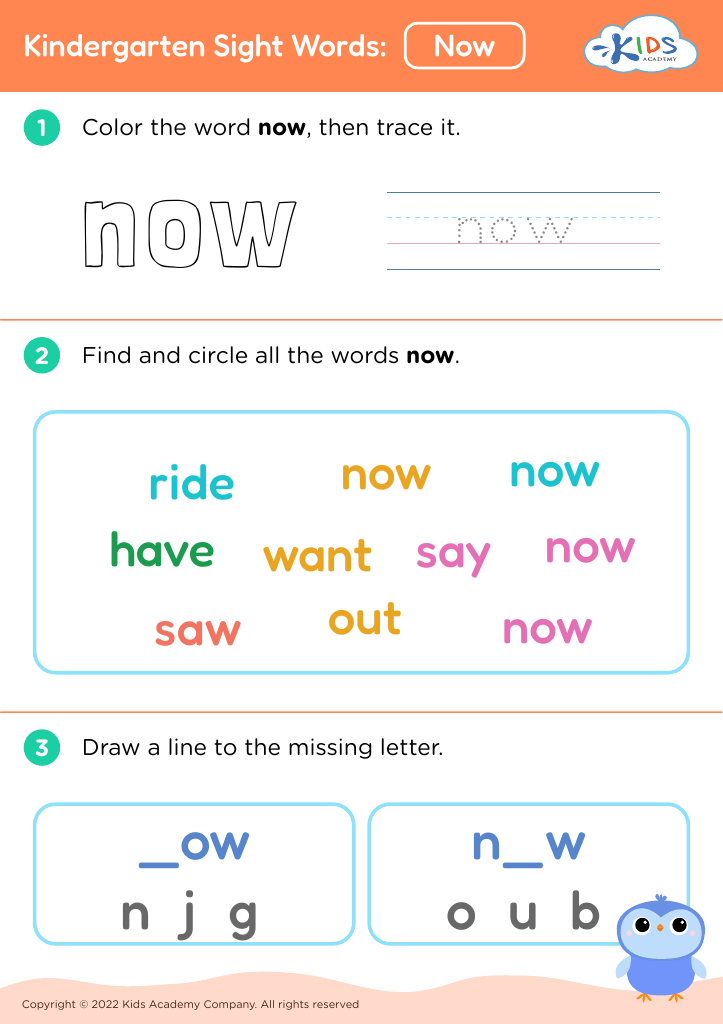
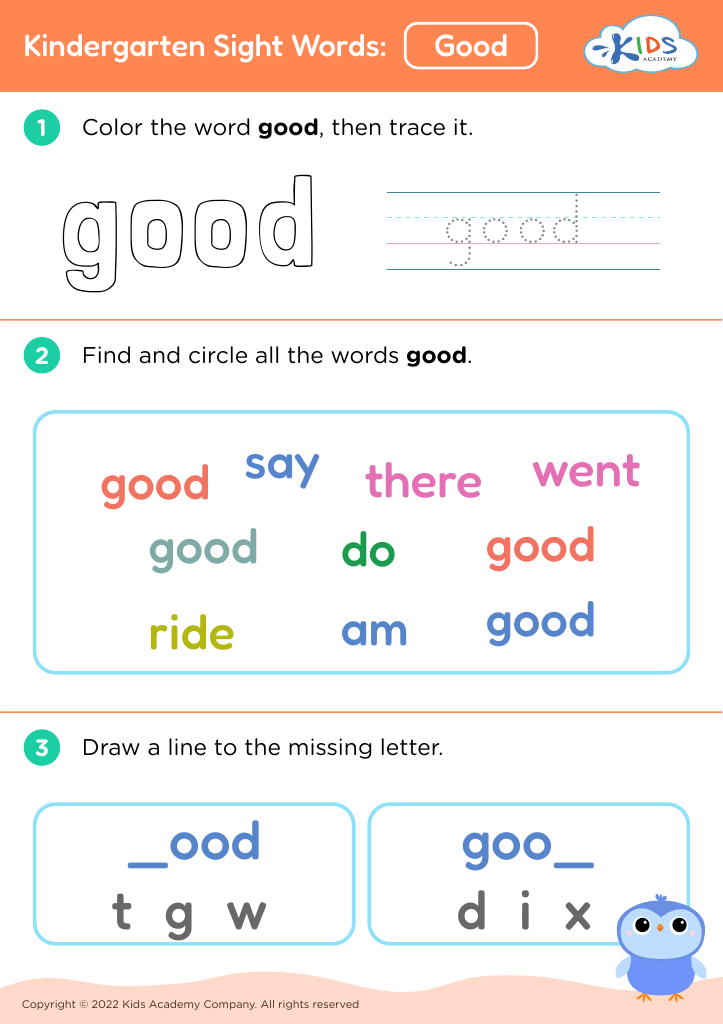
Boost your child's language skills with our Color Identification Building Vocabulary Worksheets designed specifically for ages 5-6! These engaging, printable worksheets help young learners recognize and name colors while expanding their vocabulary in a fun and interactive way. Each activity focuses on color identification, enabling children to match colors, categorize items, and express themselves using colorful language. Perfect for preschool and kindergarten settings, our worksheets foster creativity and cognitive development. Watch your little ones play and learn simultaneously, solidifying their understanding of colors through playful exercises. Enhance their learning journey with our vibrant resources that make exploring colors a delightful experience!
Favorites
With answer key
Interactive
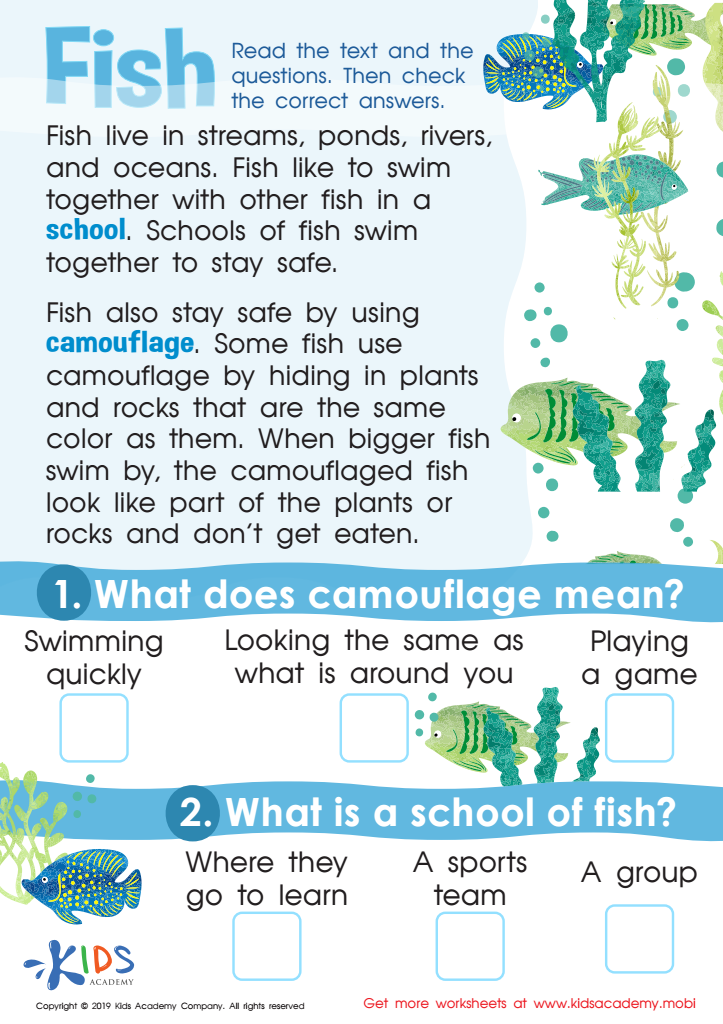
Fish Worksheet
Kids love learning about the creatures that live in water! This free PDF worksheet covers fish, teaching kids larger vocabulary and contextual reading comprehension. Questions prompt them to choose the right answer from multiple choices, just like in a classroom. It's a fun way to boost their reading skills and comprehension without them even realizing it!
 Assign to My Students
Fish Worksheet
Worksheet











Join Kids Academy for Free
Who is primarily going to use this learning content?







Color identification is a foundational skill that plays a crucial role in language development and cognitive growth for children aged 5-6. Parents and teachers should prioritize this vital area for several reasons.
Firstly, recognizing and naming colors enhances vocabulary, laying the groundwork for effective communication. When children learn to identify colors, they also learn to associate those colors with objects and concepts, which broadens their linguistic repertoire. This is essential for storytelling, creative expression, and articulating thoughts.
Moreover, color identification aids in cognitive development. It nurtures critical thinking and observation skills as children learn to categorize and differentiate objects based on color. This foundational skill also supports mathematical concepts, such as sorting and pattern recognition.
Additionally, fostering color vocabulary promotes social interaction. It enables children to engage in discussions, build friendships, and participate in collaborative play. Using colors in speech enhances their confidence and eagerness to communicate, which is fundamental for early literacy.
Finally, integrating color activities into daily routines, stories, and art fosters a love for learning. By being attentive to color identification, parents and teachers not only support language exploration but also nurture well-rounded, curious children who are excited about the world around them.








