Unlock the world of fractions with our engaging "Comparing Fractions Building Vocabulary Worksheets" designed for young learners aged 5-6! These interactive worksheets are perfect for helping children develop foundational math skills while expanding their vocabulary. Each activity encourages students to identify, compare, and reflect on different fractions in a fun, hands-on way. With colorful visuals and simple explanations, these worksheets make learning accessible and enjoyable. Perfect for classrooms or at-home learning, this resource builds confidence in math concepts while fostering early language skills. Help your child master fraction comparison and enrich their vocabulary with our comprehensive worksheets!

Check out this FREE Trial Lesson on Building Vocabulary for age 5-6!

T

Favorites
With answer key
Interactive
  • 5-6
  • Comparing Fractions
  • Building Vocabulary
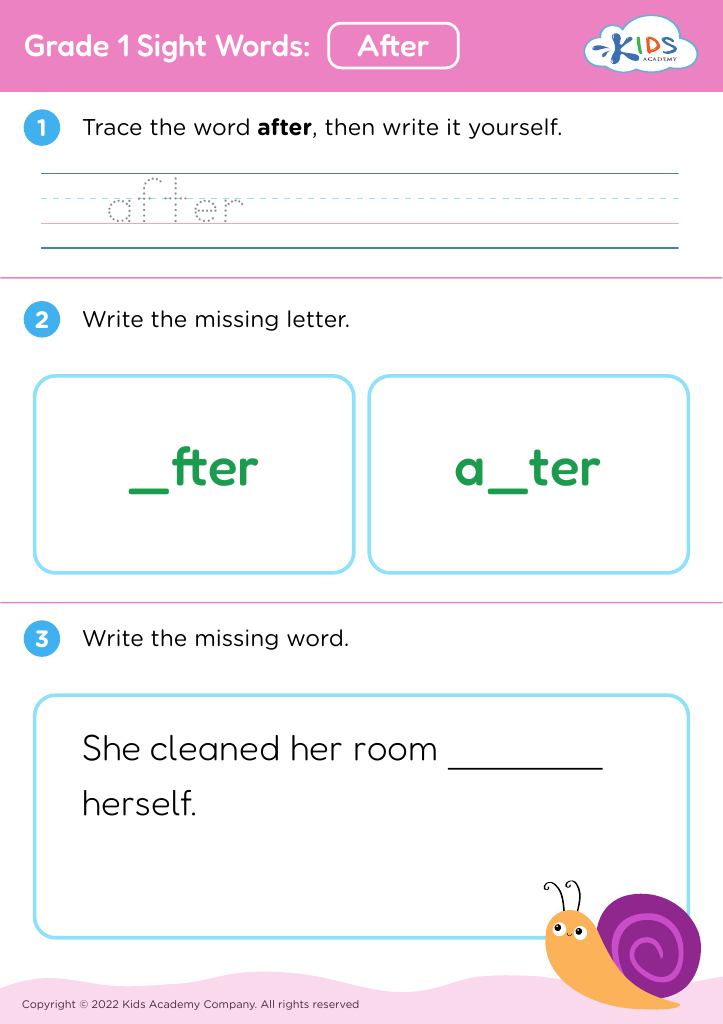
Grade 1 Sight Words: After

Grade 1 Sight Words: After

Grade 1 Sight Words: After
Worksheet
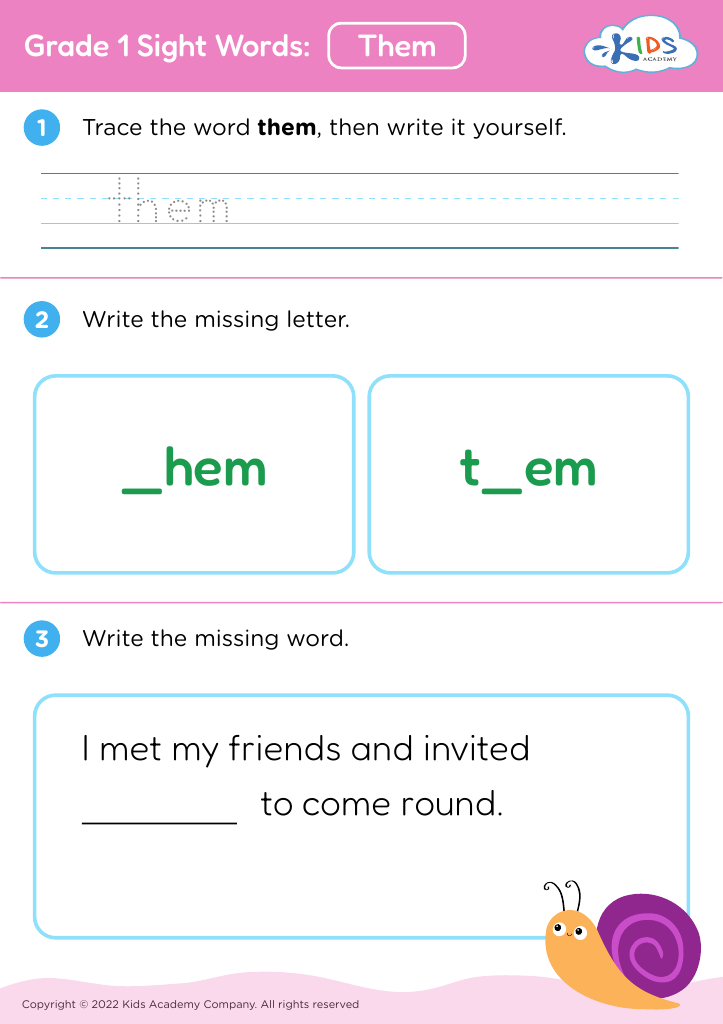
Grade 1 Sight Words: Them

Grade 1 Sight Words: Them

Grade 1 Sight Words: Them
Worksheet
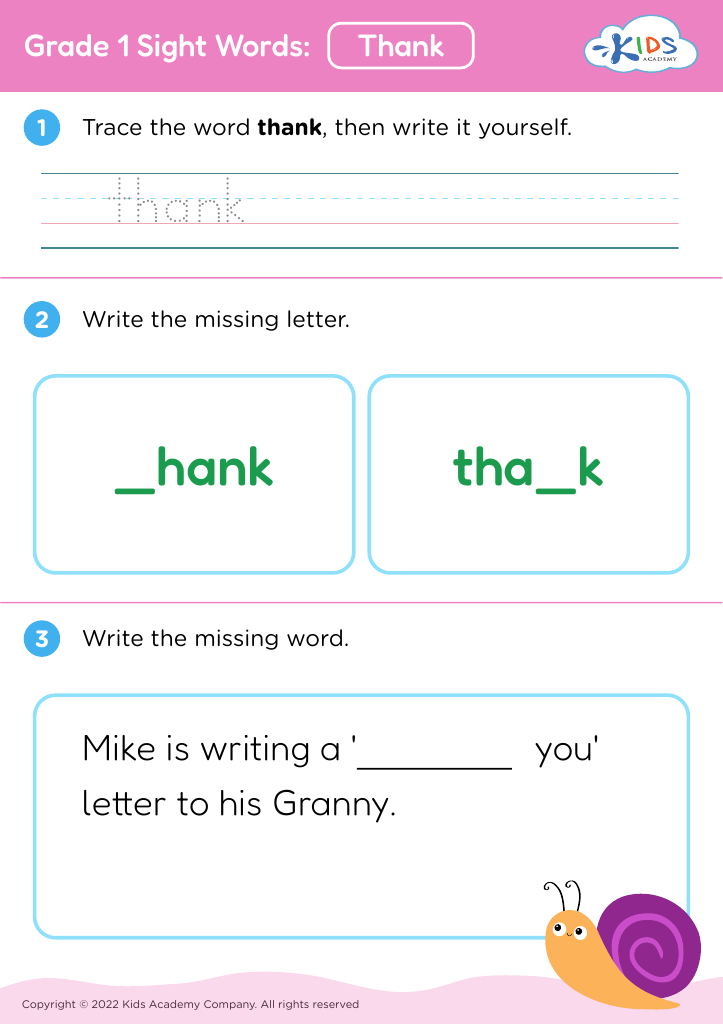
Grade 1 Sight Words: Thank

Grade 1 Sight Words: Thank

Grade 1 Sight Words: Thank
Worksheet
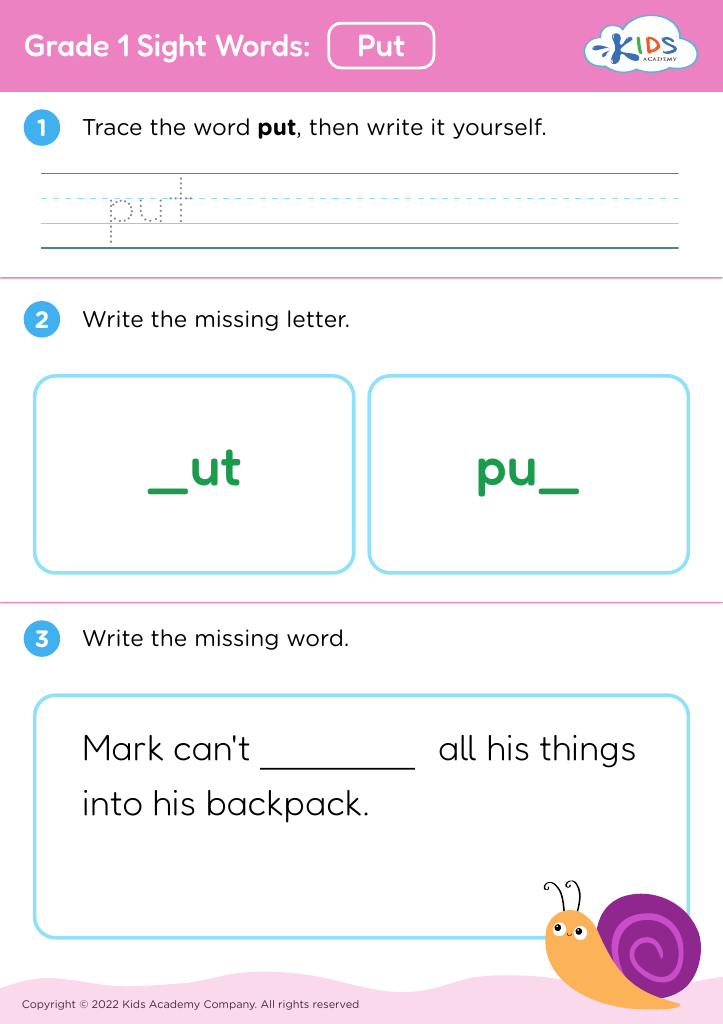
Grade 1 Sight Words: Put

Grade 1 Sight Words: Put

Grade 1 Sight Words: Put
Worksheet
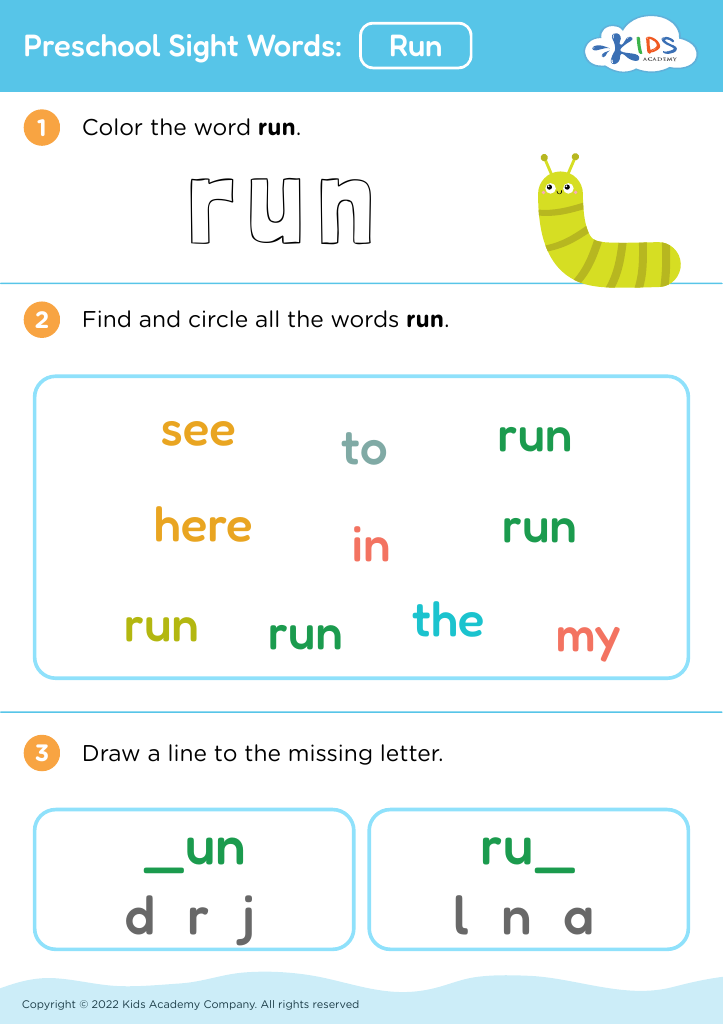
Preschool Sight Words: Run

Preschool Sight Words: Run

Preschool Sight Words: Run
Worksheet
Preschool Sight Words: One

Preschool Sight Words: One

Preschool Sight Words: One
Worksheet
Grade 1 Sight Words: Old

Grade 1 Sight Words: Old

Grade 1 Sight Words: Old
Worksheet
Preschool Sight Words: In

Preschool Sight Words: In

Preschool Sight Words: In
Worksheet
Preschool Sight Words: Here

Preschool Sight Words: Here

Preschool Sight Words: Here
Worksheet
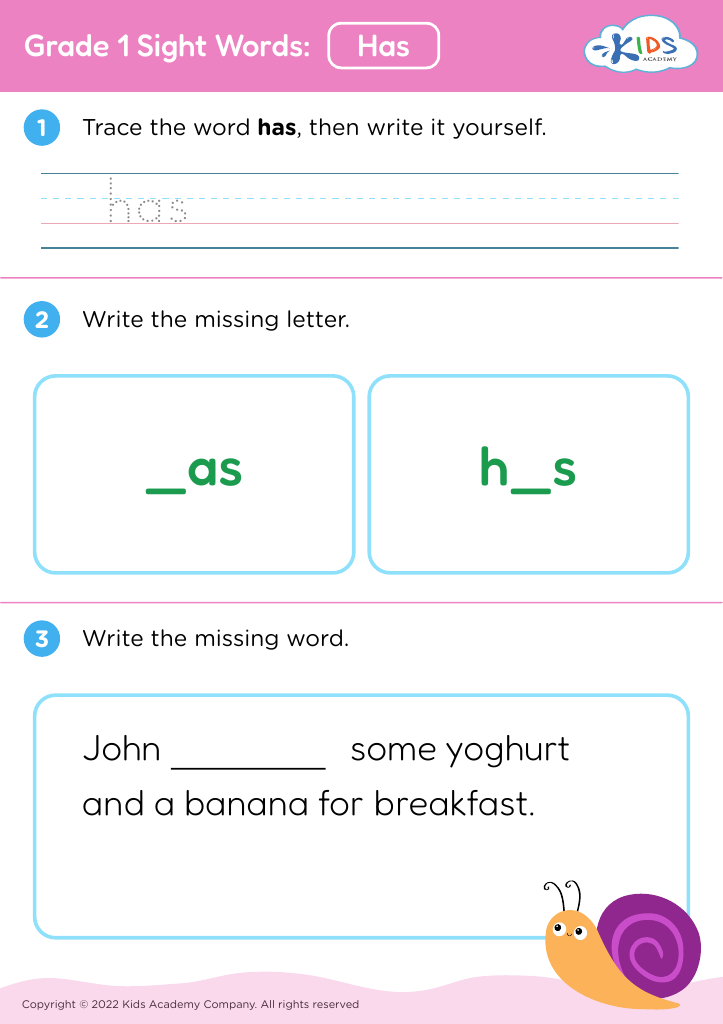
Grade 1 Sight Words: Has

Grade 1 Sight Words: Has

Grade 1 Sight Words: Has
Worksheet
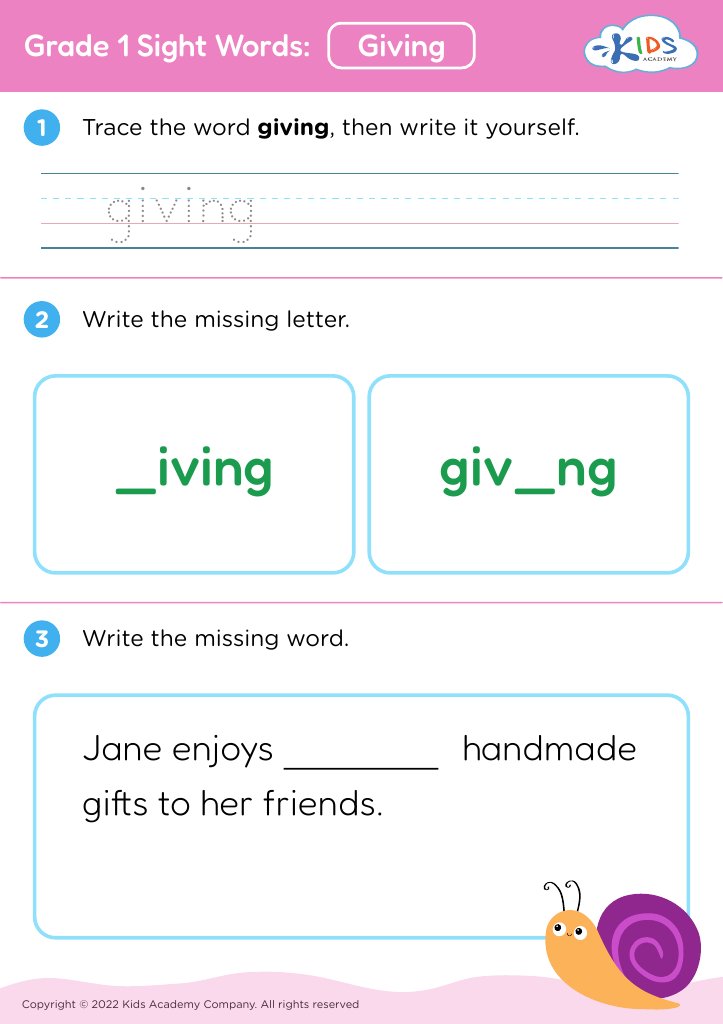
Grade 1 Sight Words: Giving

Grade 1 Sight Words: Giving

Grade 1 Sight Words: Giving
Worksheet
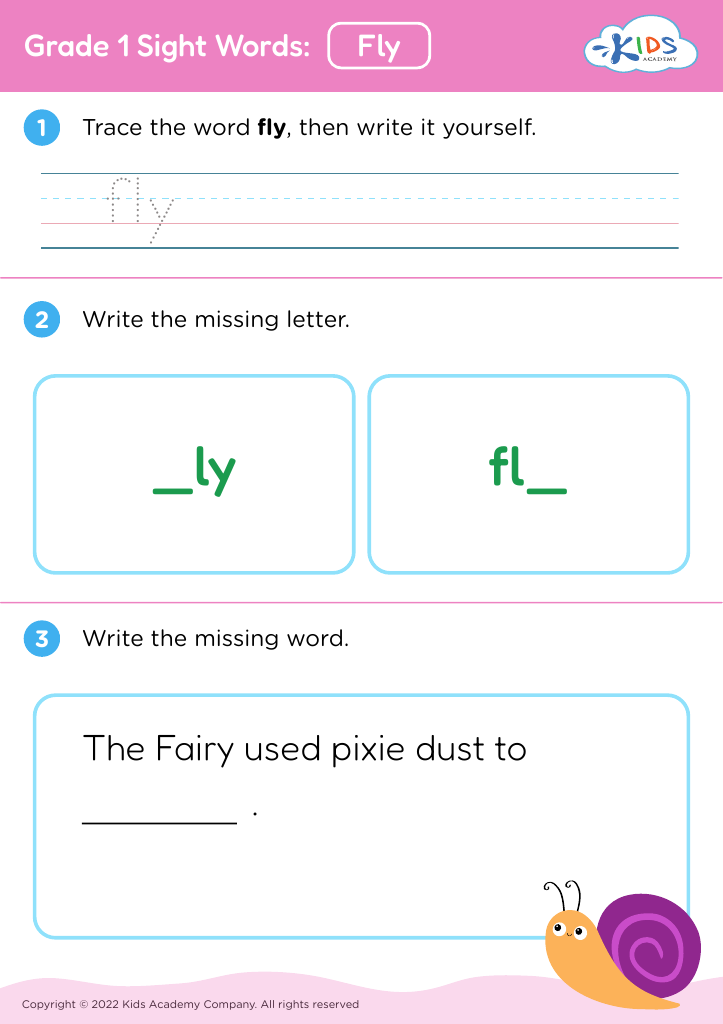
Grade 1 Sight Words: Fly

Grade 1 Sight Words: Fly

Grade 1 Sight Words: Fly
Worksheet
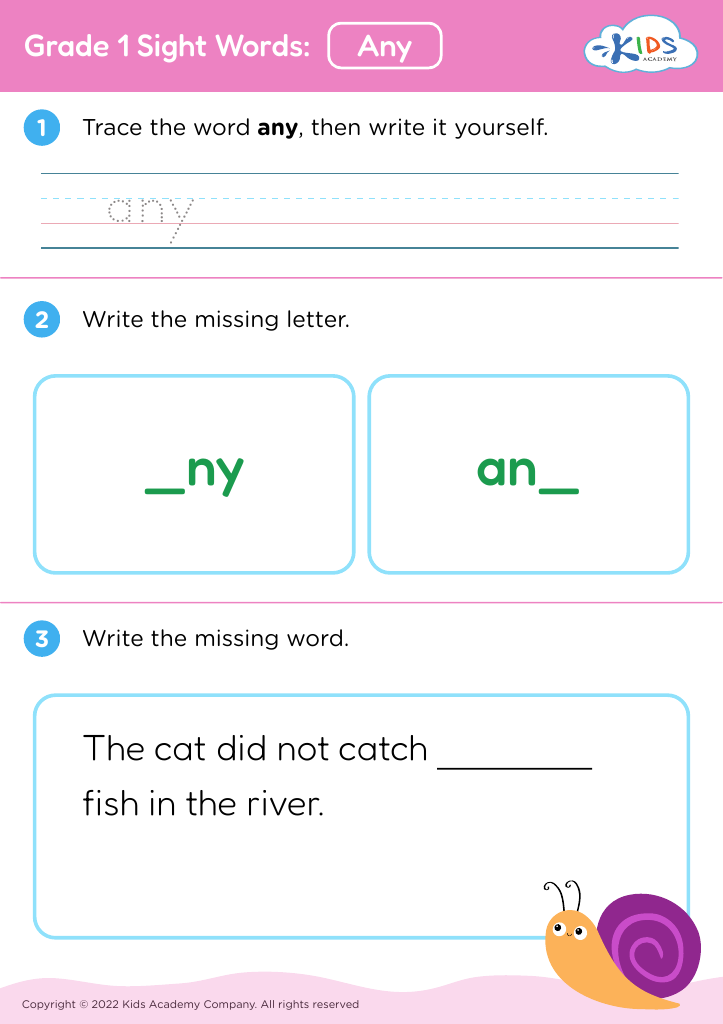
Grade 1 Sight Words: Any

Grade 1 Sight Words: Any

Grade 1 Sight Words: Any
Worksheet
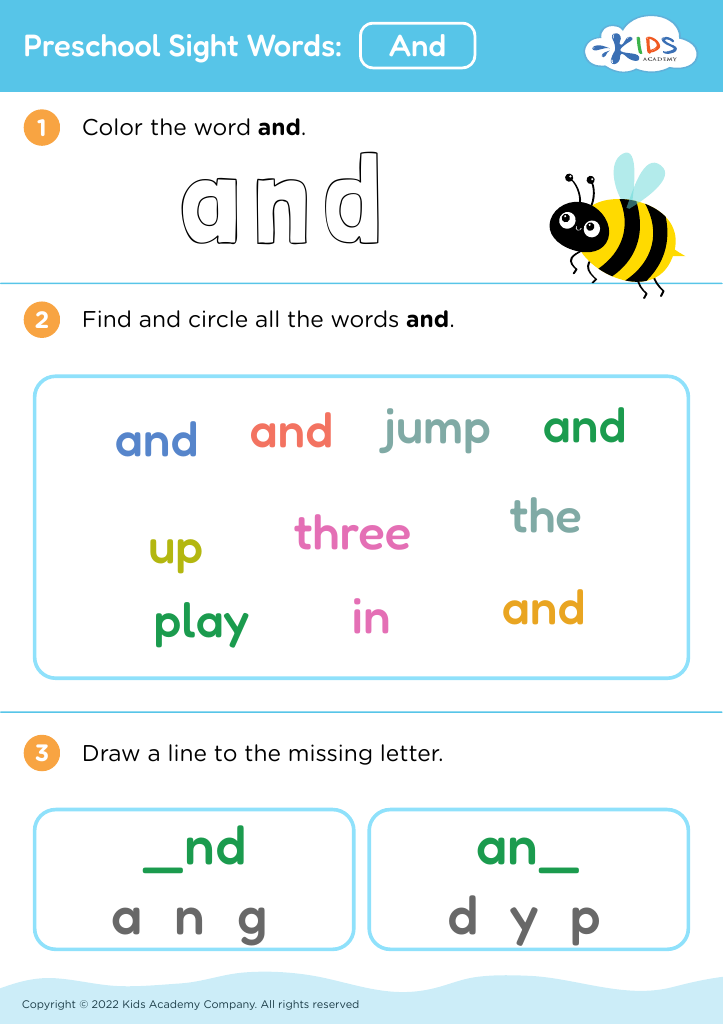
Preschool Sight Words: And

Preschool Sight Words: And

Preschool Sight Words: And
Worksheet
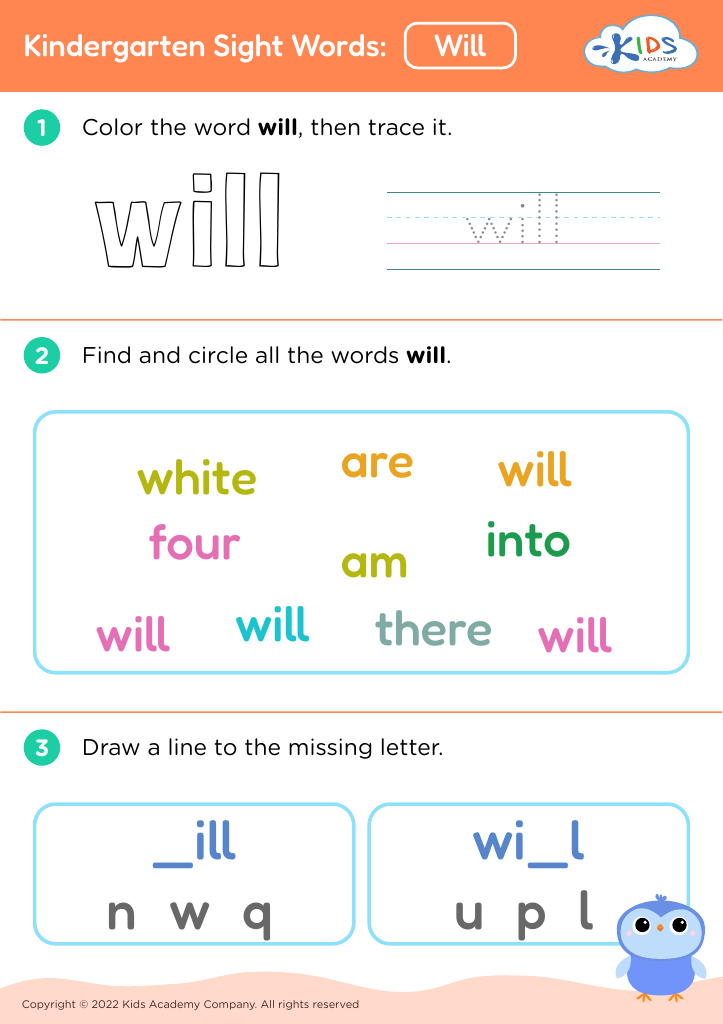
Kindergarten Sight Words: Will

Kindergarten Sight Words: Will

Kindergarten Sight Words: Will
Worksheet
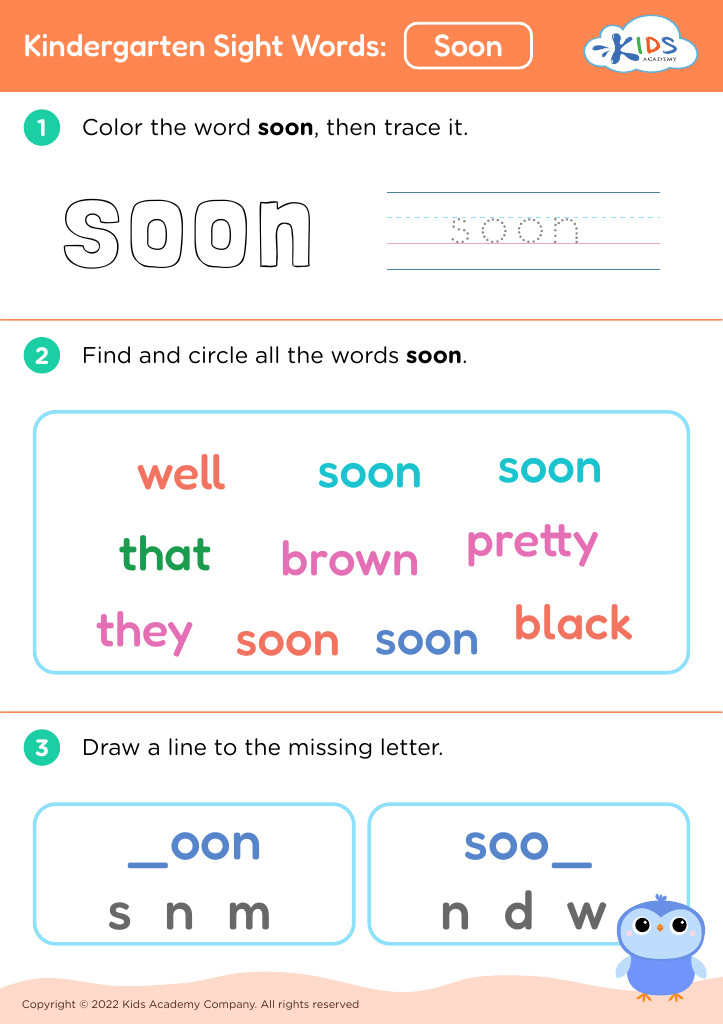
Kindergarten Sight Words: Soon

Kindergarten Sight Words: Soon

Kindergarten Sight Words: Soon
Worksheet
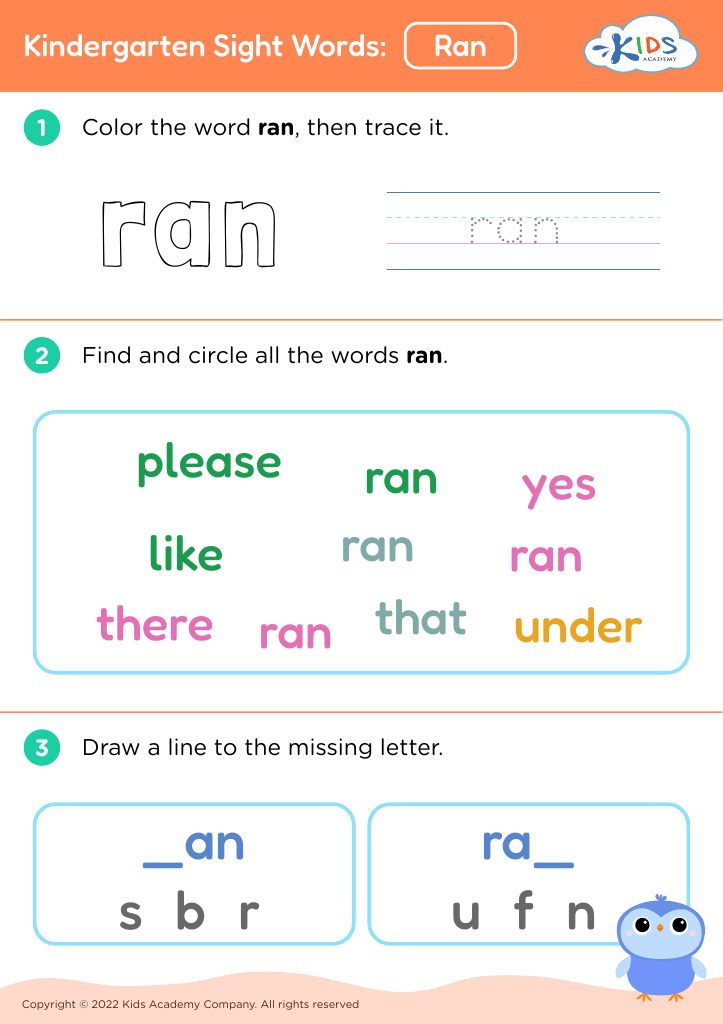
Kindergarten Sight Words: Ran

Kindergarten Sight Words: Ran

Kindergarten Sight Words: Ran
Worksheet
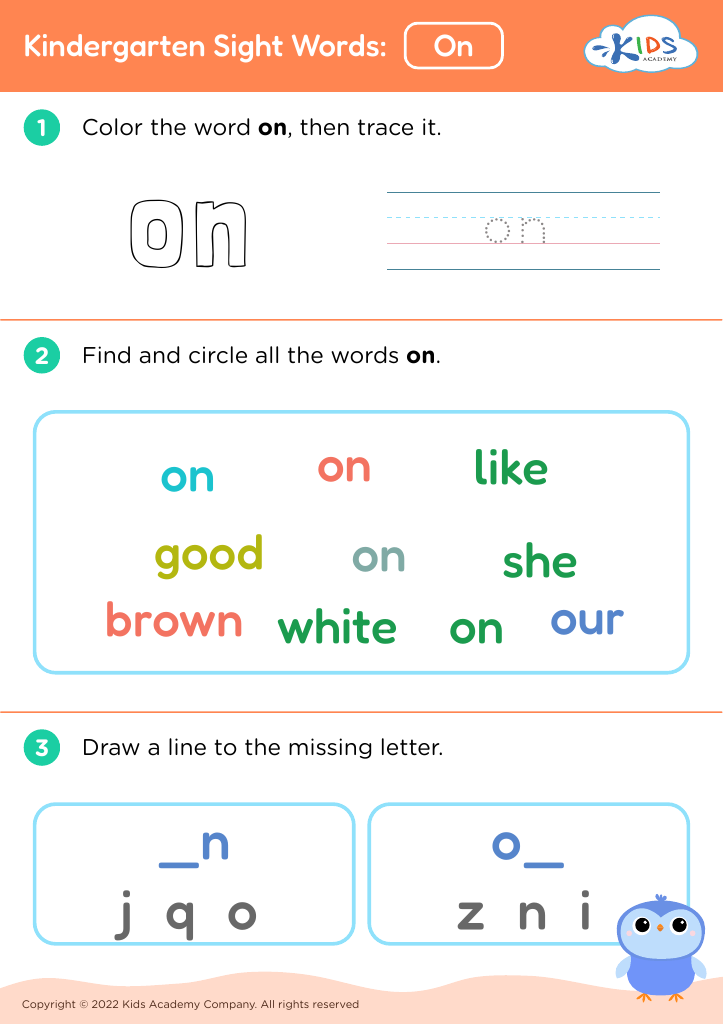
Kindergarten Sight Words: On

Kindergarten Sight Words: On

Kindergarten Sight Words: On
Worksheet
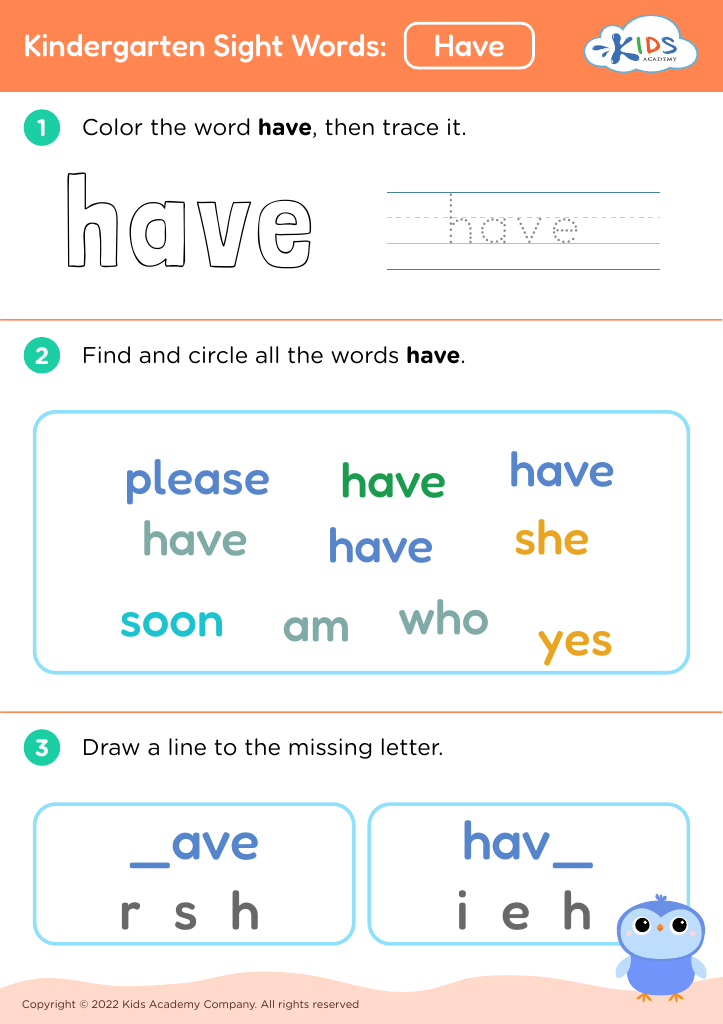
Kindergarten Sight Words: Have

Kindergarten Sight Words: Have

Kindergarten Sight Words: Have
Worksheet
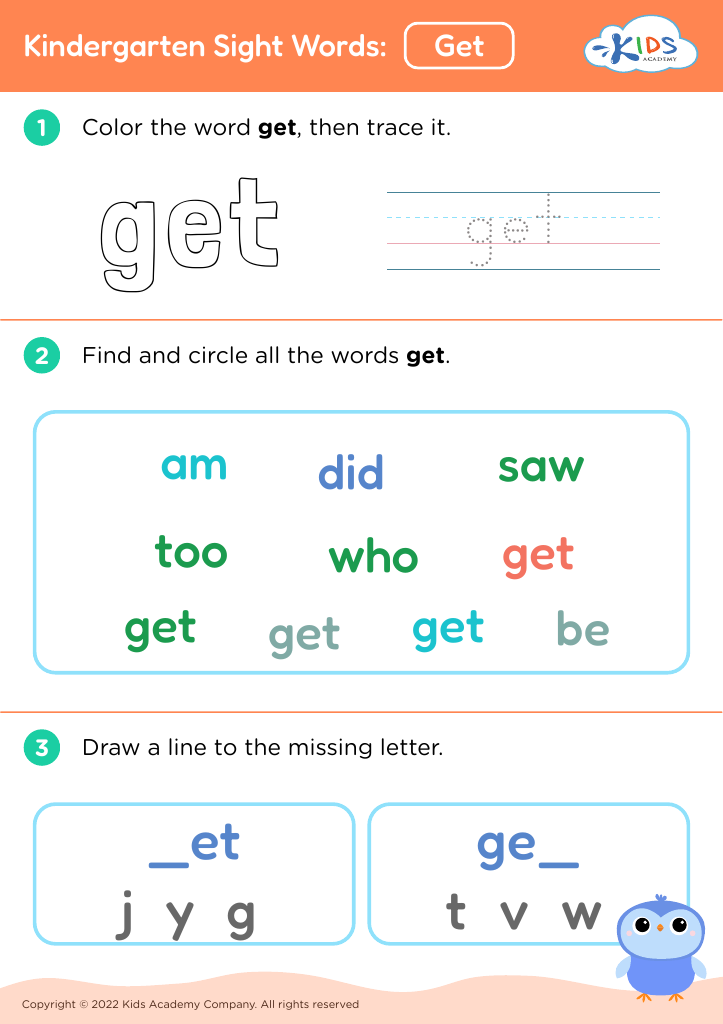
Kindergarten Sight Words: Get

Kindergarten Sight Words: Get

Kindergarten Sight Words: Get
Worksheet
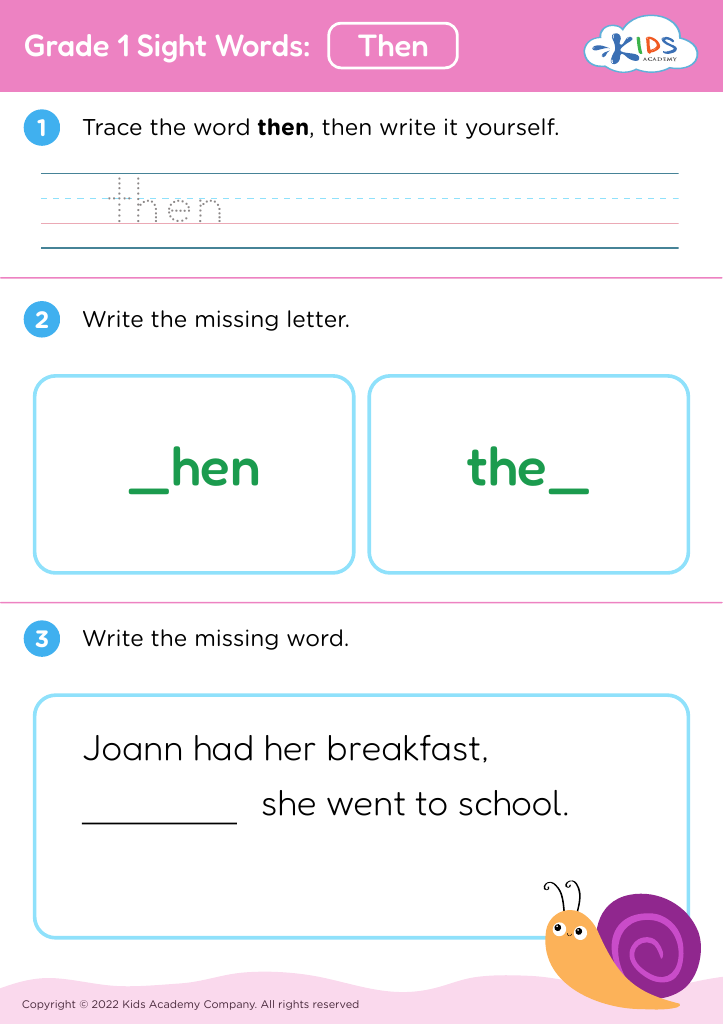
Grade 1 Sight Words: Then

Grade 1 Sight Words: Then

Grade 1 Sight Words: Then
Worksheet
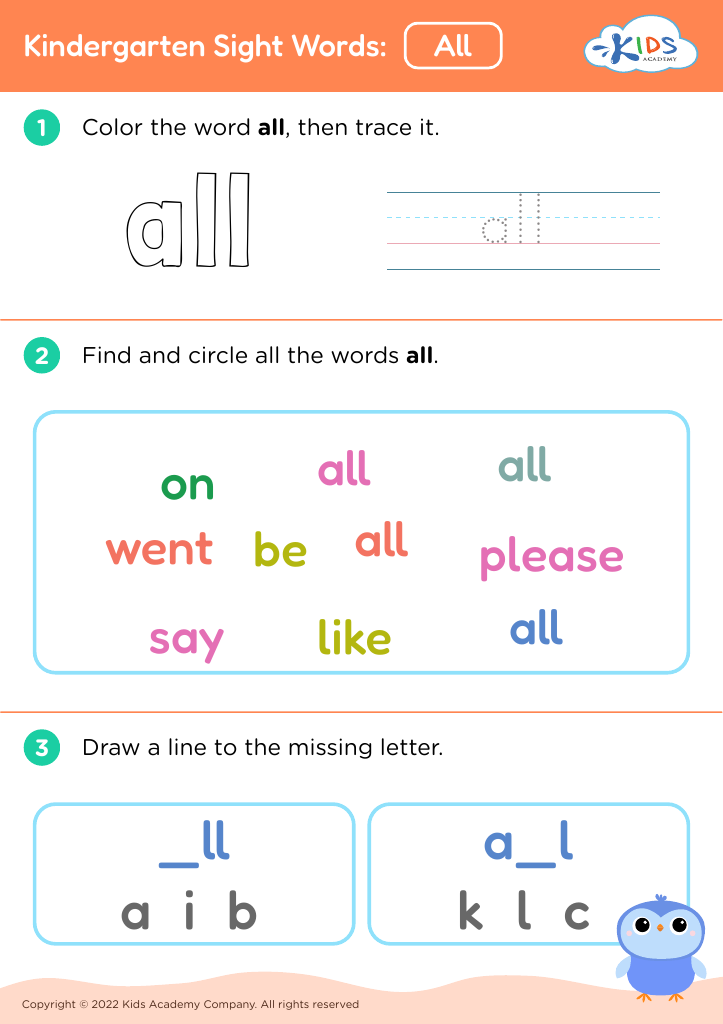
Kindergarten Sight Words: All

Kindergarten Sight Words: All

Kindergarten Sight Words: All
Worksheet


Parents and teachers should prioritize building vocabulary around comparing fractions for children ages 5-6 because this foundational skill supports early mathematical understanding and language development. Understanding fractions introduces children to essential concepts such as quantity and proportion, fostering critical thinking as they learn to compare different parts of a whole. By learning vocabulary such as "equal," "greater than," and "less than," children can articulate their reasoning and engage in discussions about fractions.

Building a strong vocabulary in this context also enhances comprehension and communication. When children can express their thoughts clearly, they are more confident in their abilities and are likely to engage more fully in learning activities. Early exposure to such terminology prepares them for more complex mathematical concepts in later grades, creating a gradual learning curve rather than overwhelming them with information at once.

Additionally, integrating fraction vocabulary into everyday language (like cooking or sharing snacks) reinforces learning in a practical and relatable manner. This connection helps children see the relevance of mathematics in their lives, fostering a positive attitude toward learning. Ultimately, caring about vocabulary in this early stage lays the groundwork for successful mathematical thinking and problem-solving throughout their education.