Counting skills Building Vocabulary Worksheets for Ages 5-6
19 filtered results
-
From - To
Enhance your child's early learning with our Counting Skills Building Vocabulary Worksheets, specially designed for ages 5-6! These engaging worksheets feature fun activities that integrate counting with vocabulary development, helping young learners strengthen their math and language skills simultaneously. Each worksheet encourages children to interact with numbers and words through colorful illustrations and easy-to-follow exercises. By practicing counting while expanding their vocabulary, kids will develop a solid foundation for future academic success. Download our worksheets today and give your little ones the tools they need for confident learning and exploration. Perfect for home or school use, learning has never been this fun!
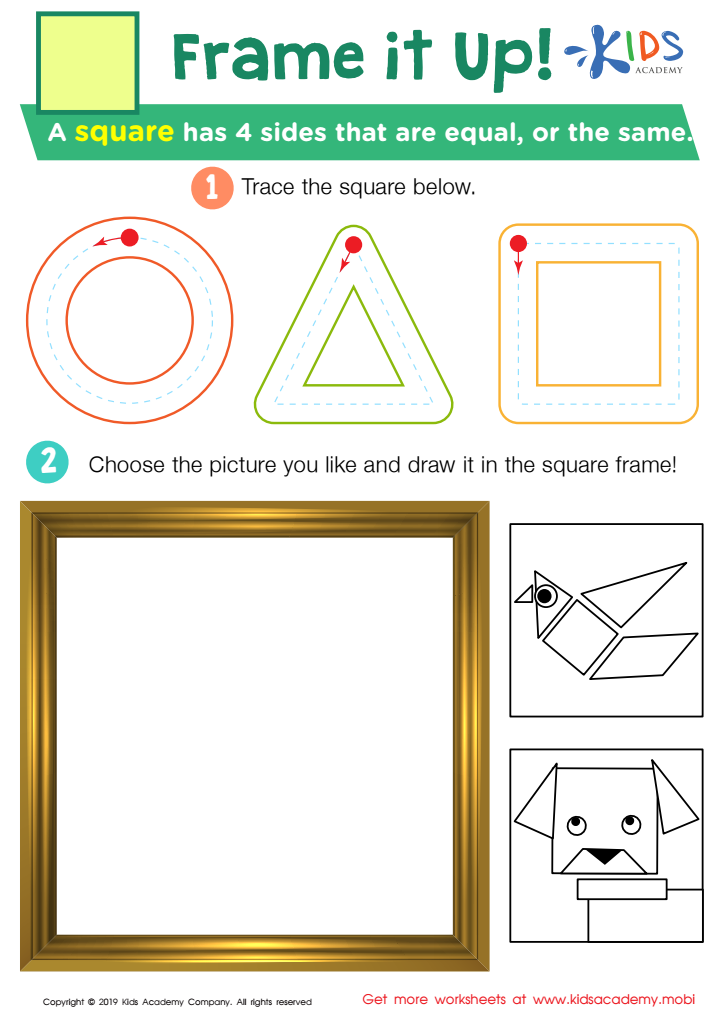
Frame it Up Worksheet
 Assign to My Students











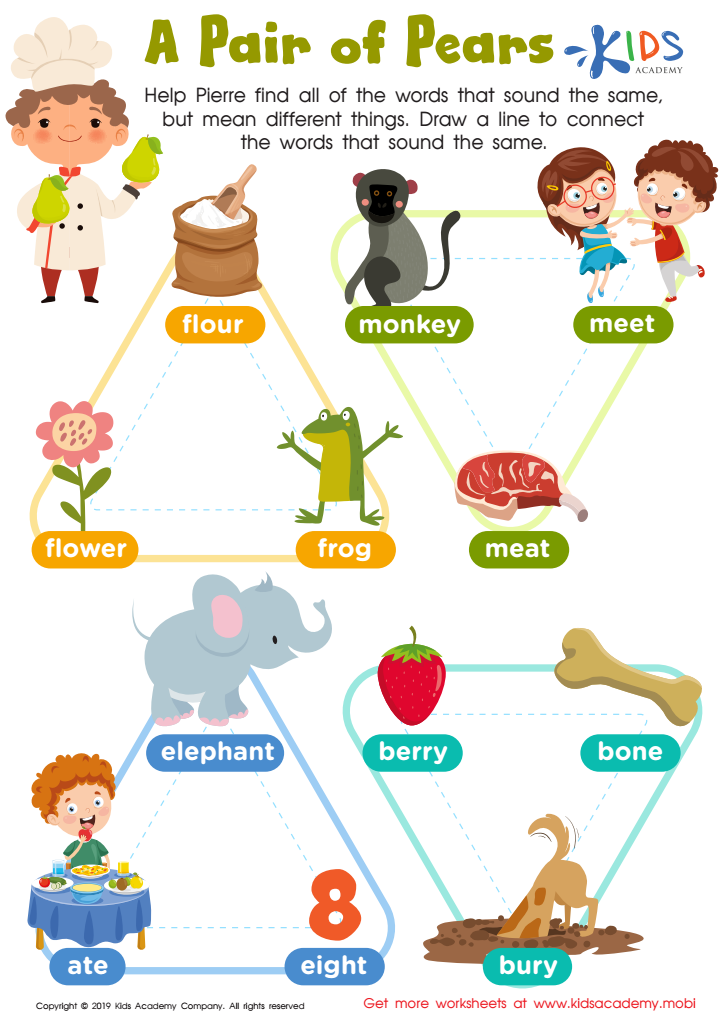
Pair Pears Worksheet
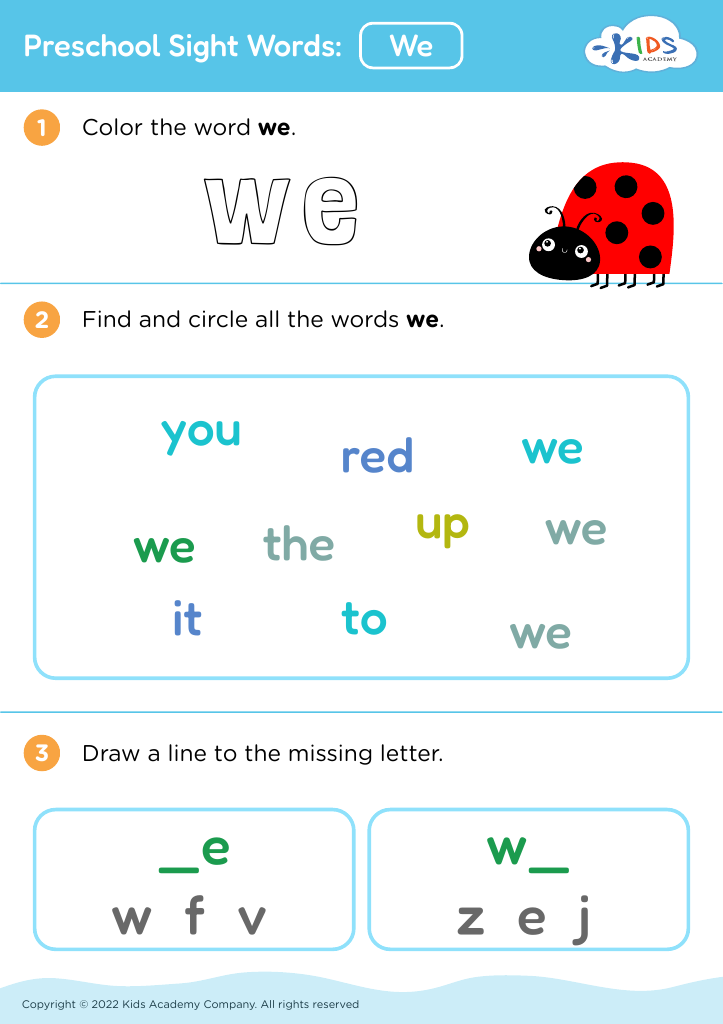
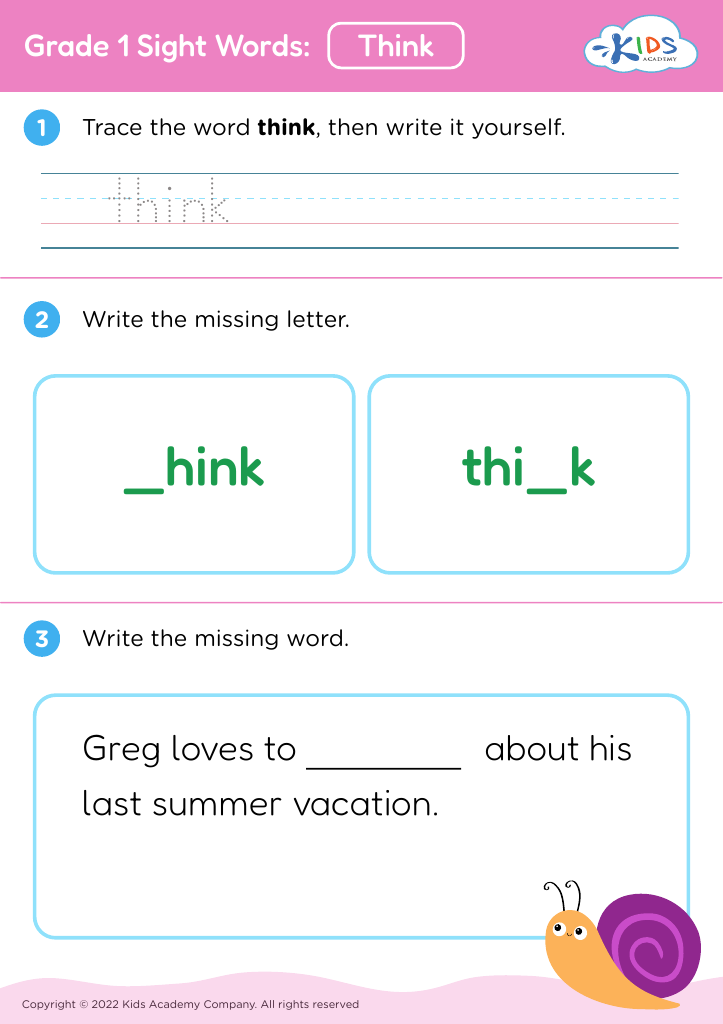
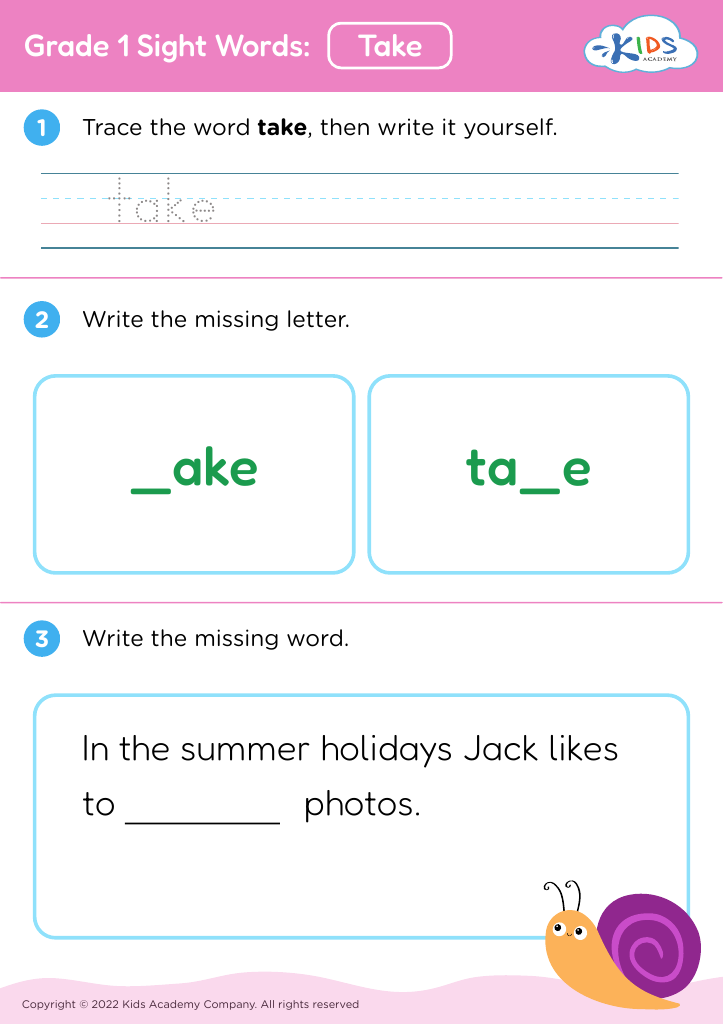
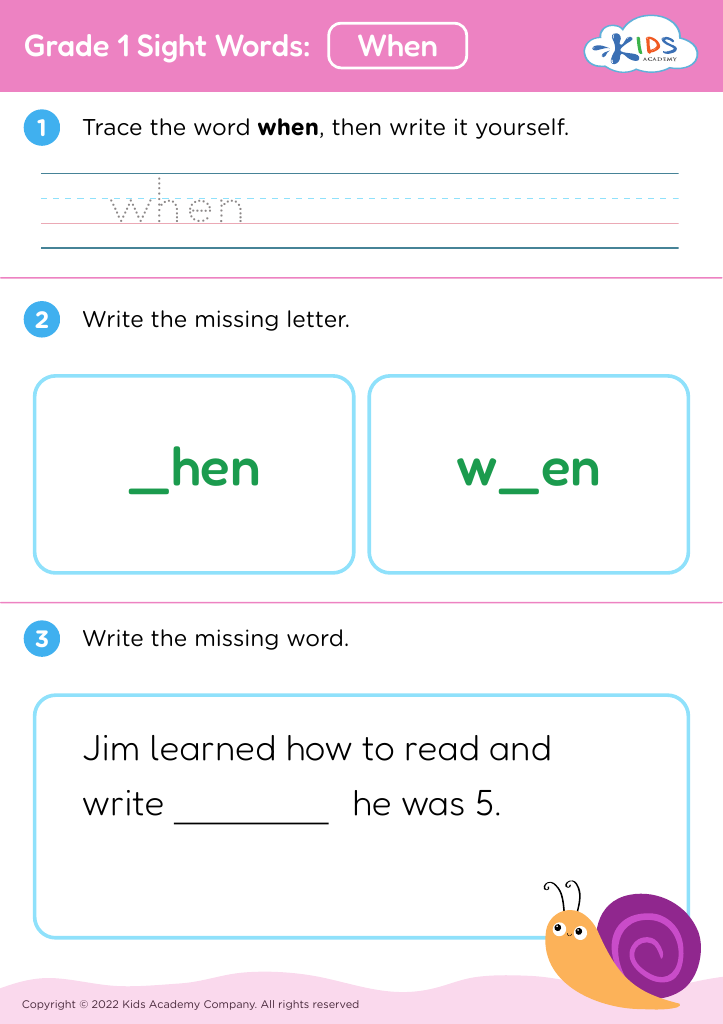
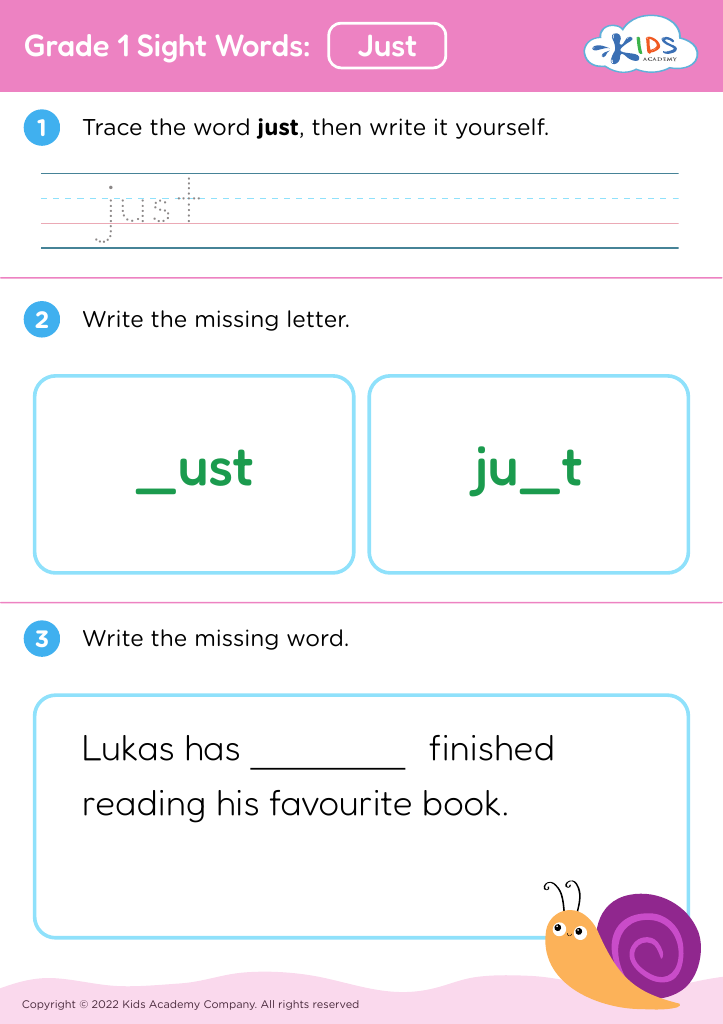
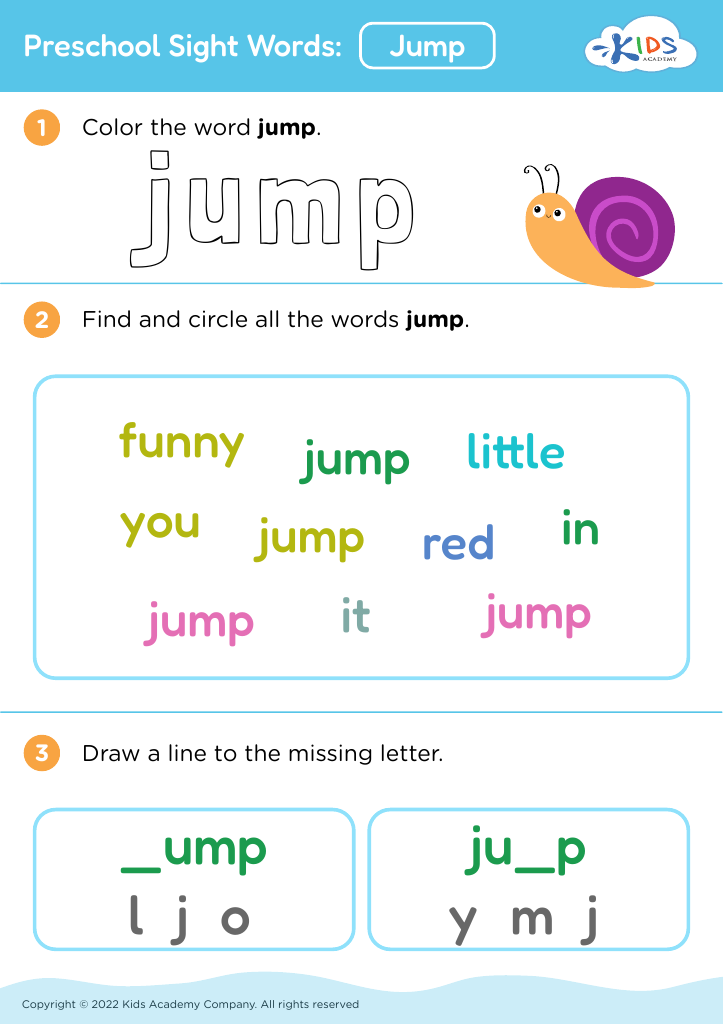
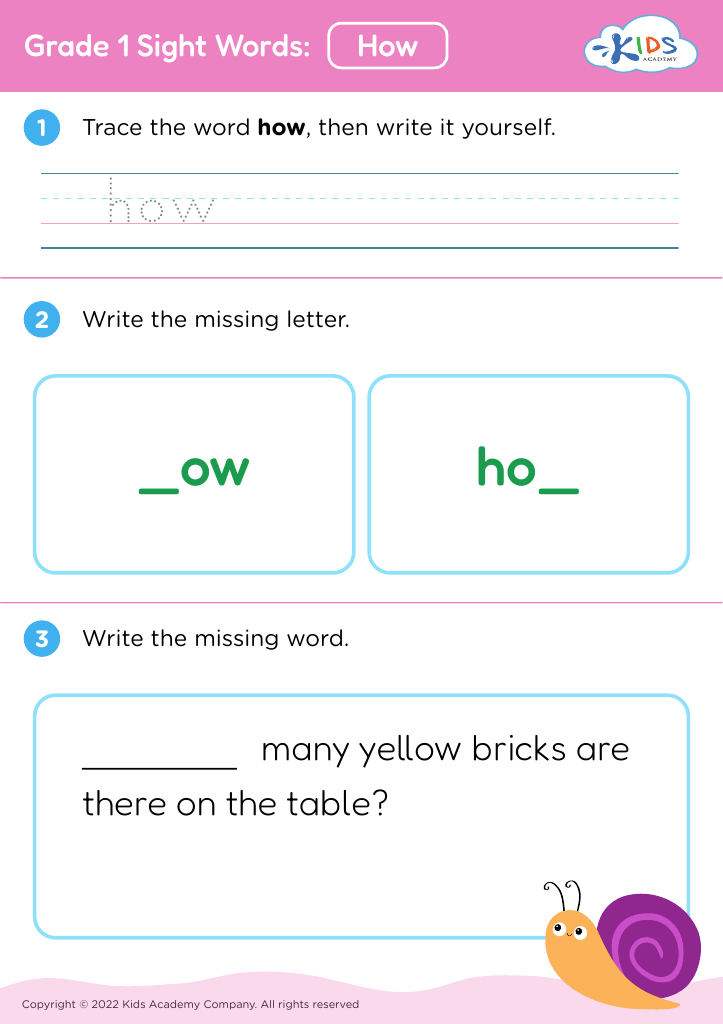
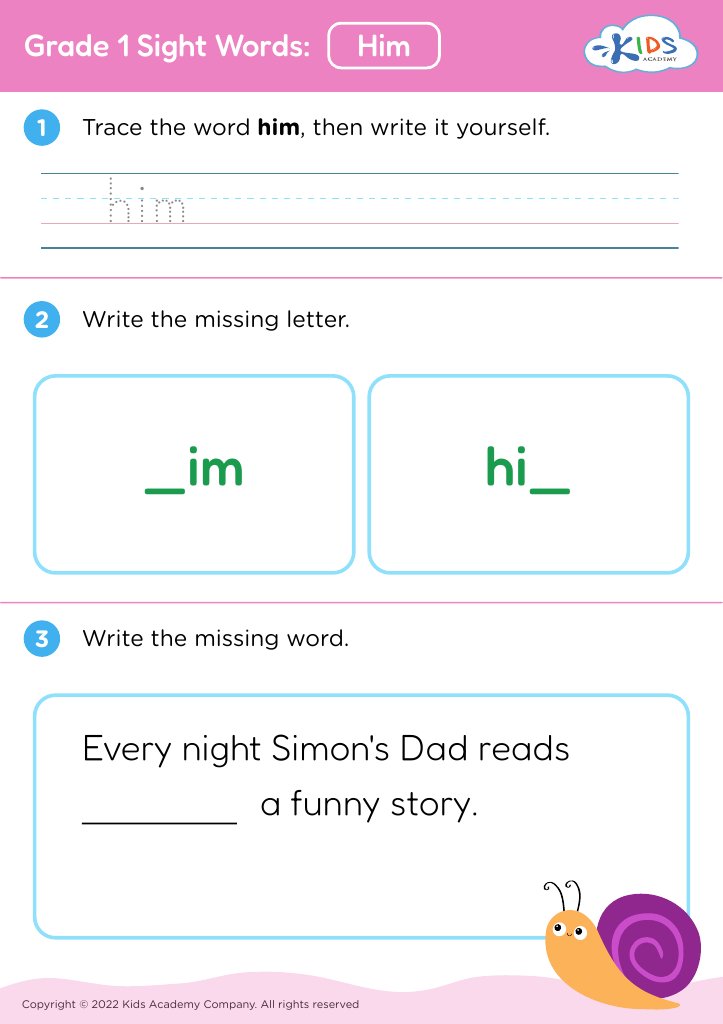
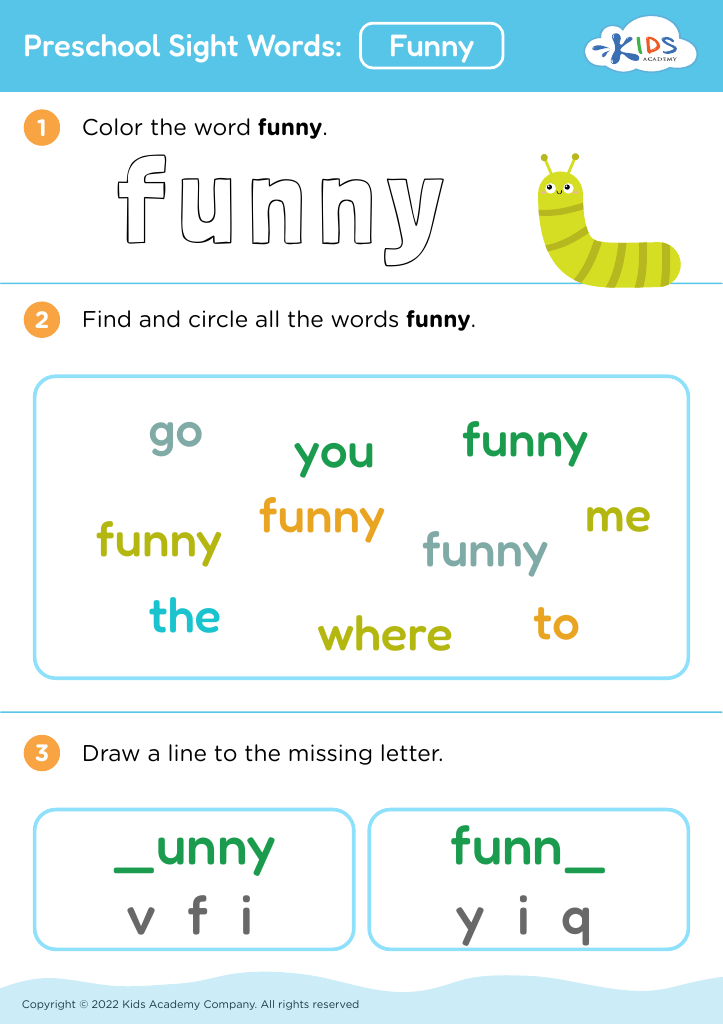
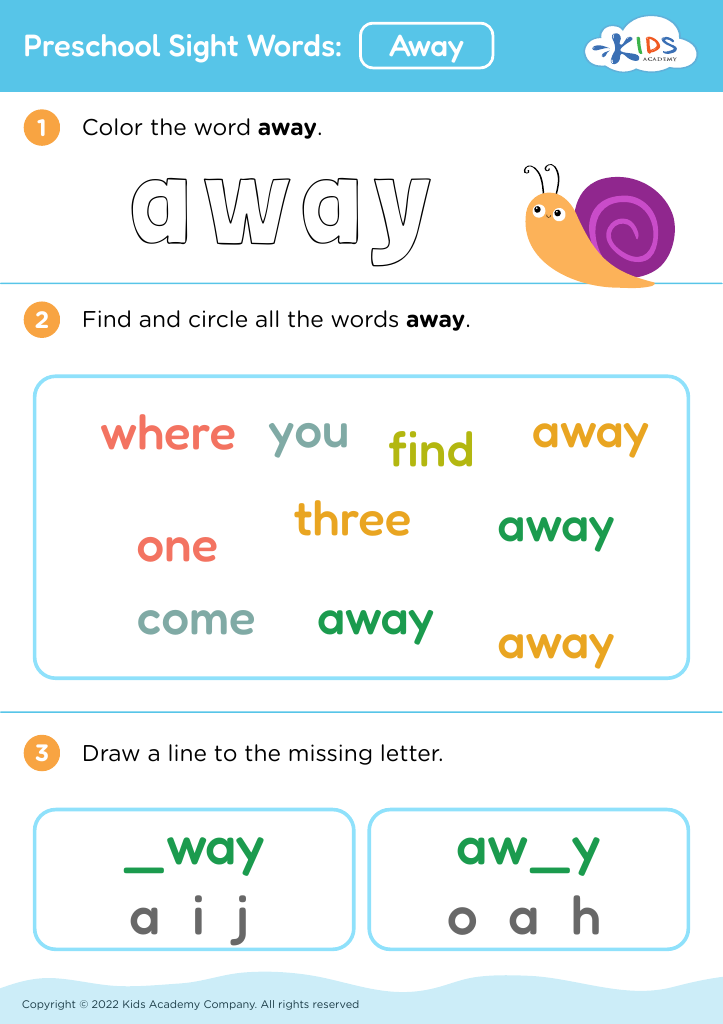
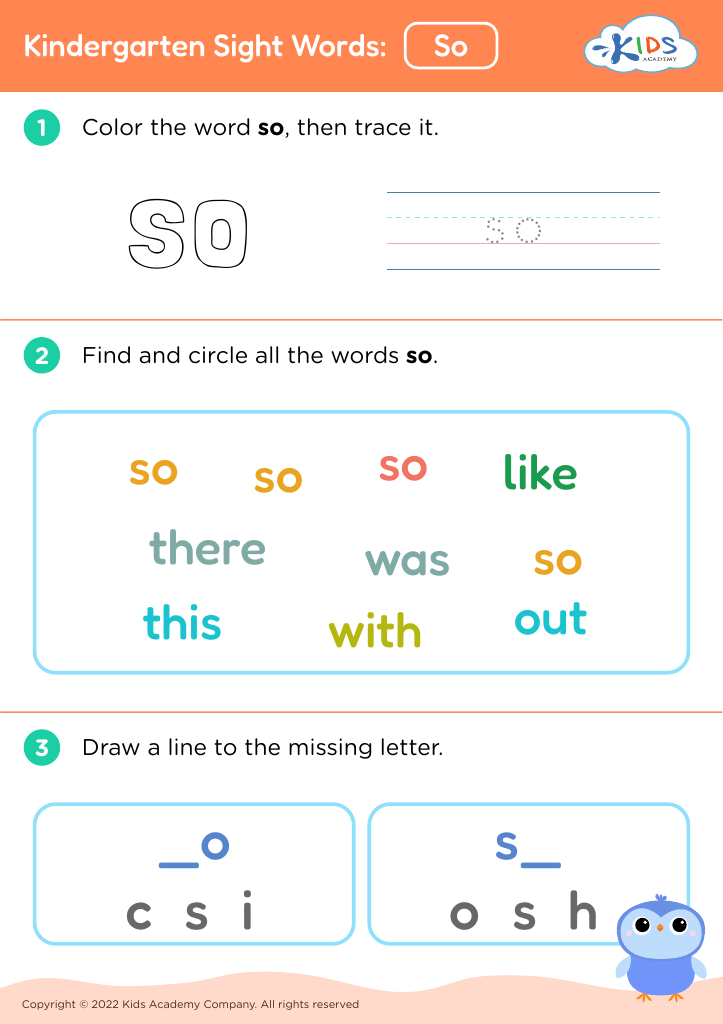
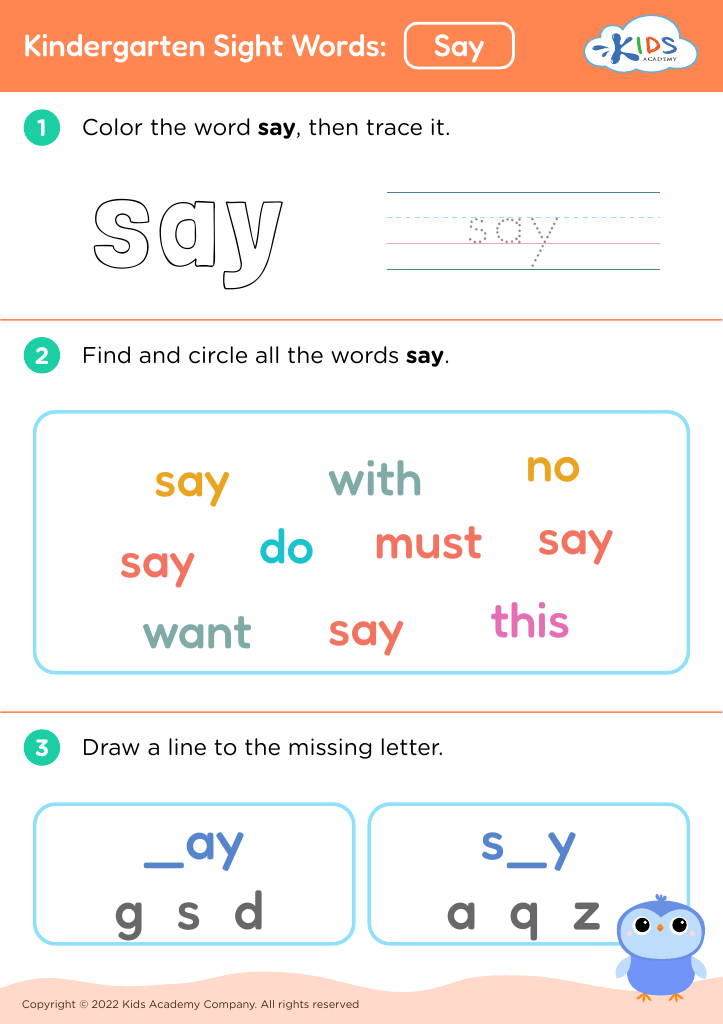
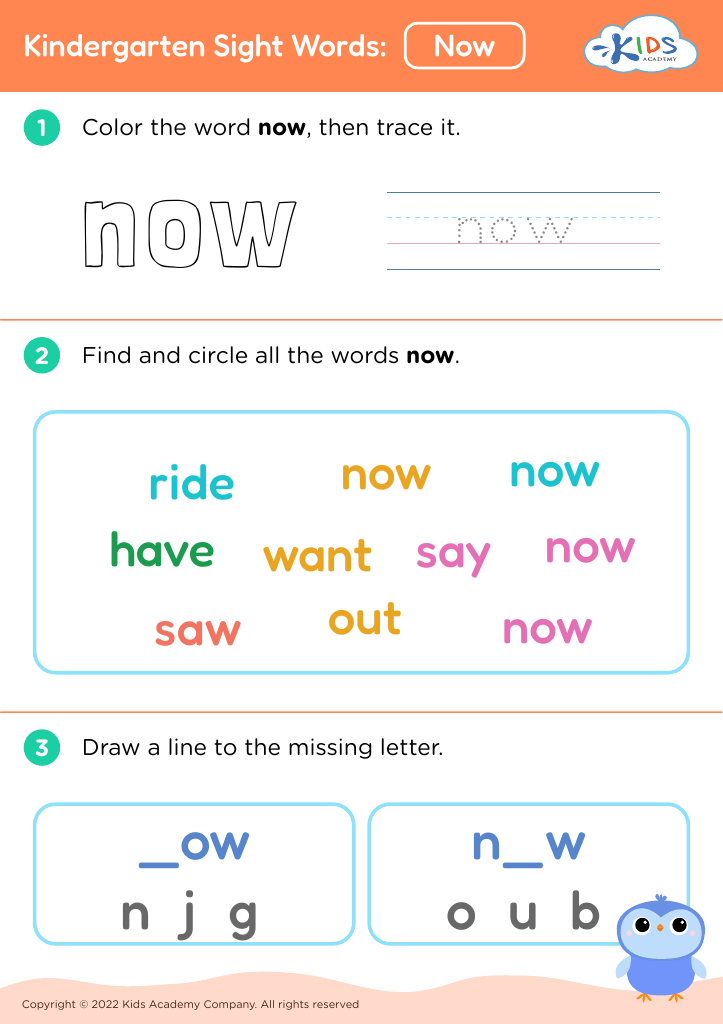
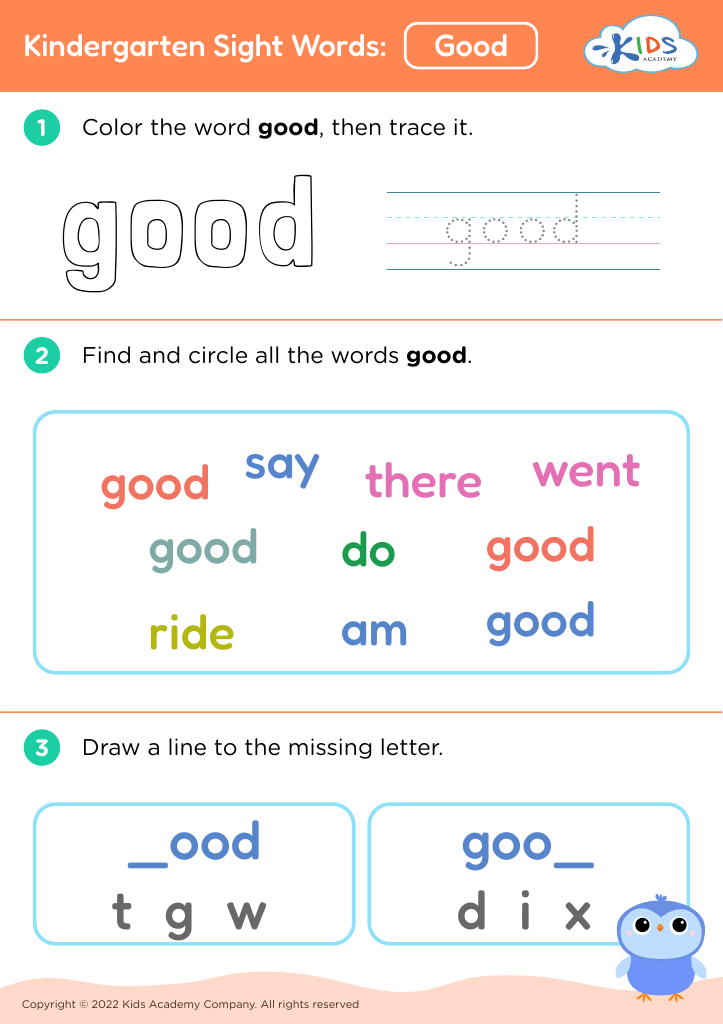
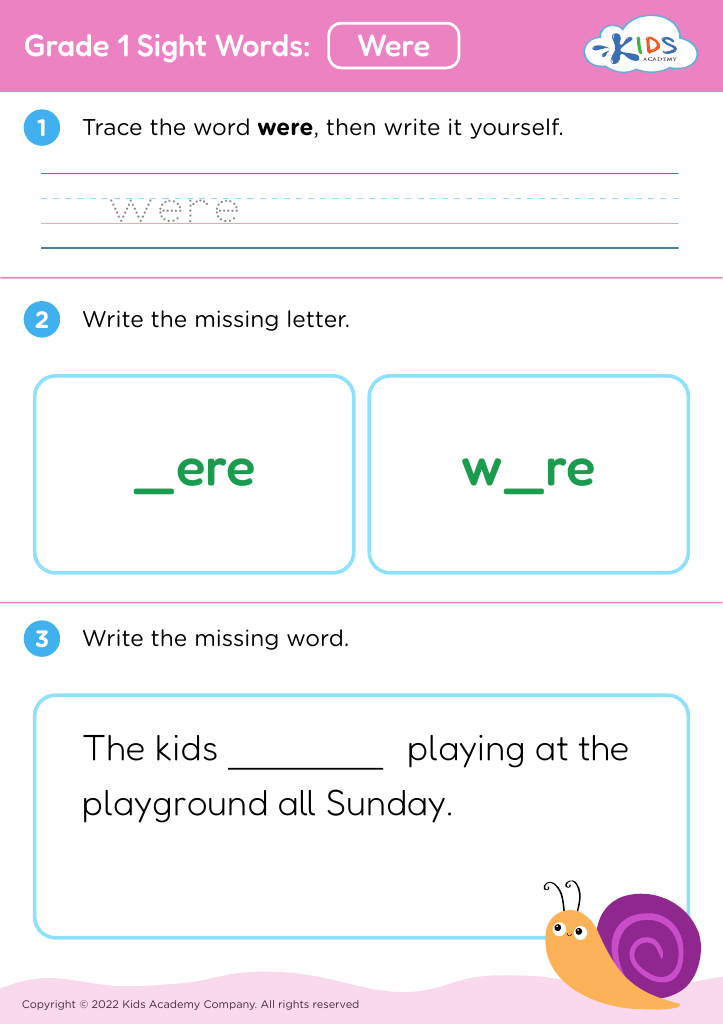








Counting skills and vocabulary development are crucial components of early childhood education, especially for children ages 5-6. At this stage, children are developing foundational cognitive skills that will benefit their future learning.
Counting skills go beyond simple number recognition; they lay the groundwork for mathematical understanding. Children grasp the concept of quantity, develop spatial awareness, and begin to understand patterns. By mastering counting, they build a framework for operations such as addition and subtraction, which are essential for later math success.
Similarly, building vocabulary during this age is vital. A rich vocabulary fosters better reading comprehension and communication abilities. Children who are exposed to diverse language learn to express themselves more effectively, paving the way for academic success. As they encounter new words, they gain the confidence to engage in conversations, ask questions, and articulate thoughts.
Furthermore, studies have shown that strong counting skills and a broad vocabulary can correlate with overall cognitive development. Parents and teachers play a fundamental role in this process by providing enriching environments that incorporate counting games and reading activities. By prioritizing these skills, they help children develop essential tools for future learning and everyday interactions, fueling a lifelong love for learning.








