Identifying shapes Building Vocabulary Worksheets for Ages 5-6
7 filtered results
-
From - To
Unlock your child's creativity with our "Identifying Shapes Building Vocabulary Worksheets" designed for ages 5-6! These engaging worksheets encourage early learning while enhancing shape recognition and vocabulary skills. Packed with colorful illustrations and interactive activities, children will explore basic shapes through fun exercises that promote understanding and retention. Perfect for both classroom and home environments, our resources help develop critical thinking and language abilities as young learners identify and describe shapes in unique contexts. Inspire confidence in your child's learning journey and watch their vocabulary grow as they master shapes in a playful, educational setting. Dive into our delightful worksheets today!











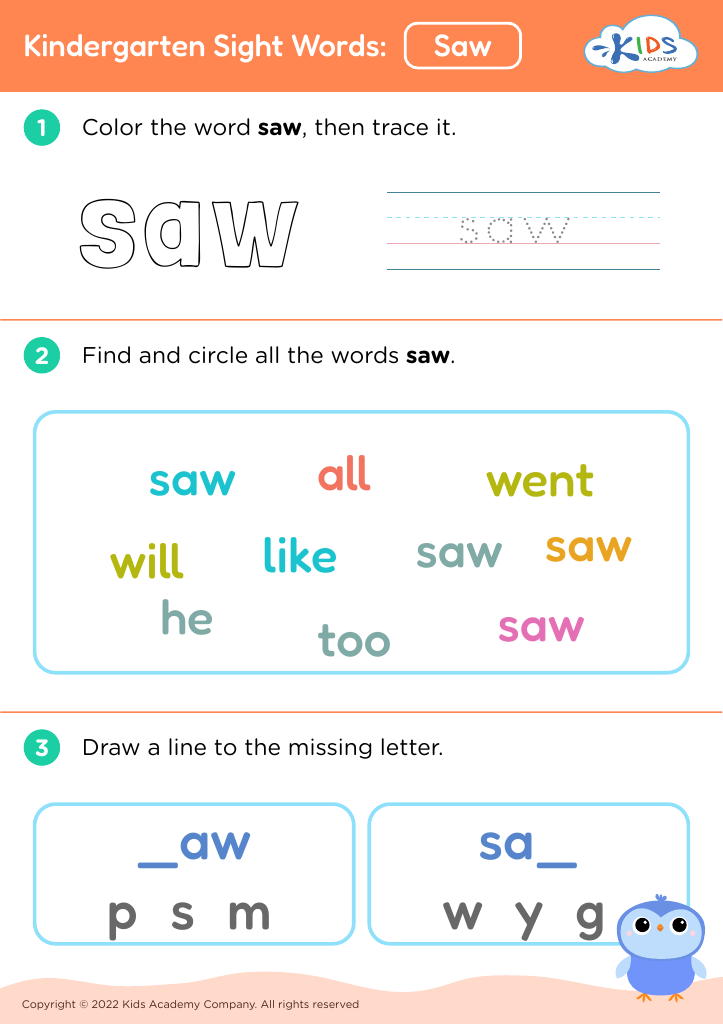
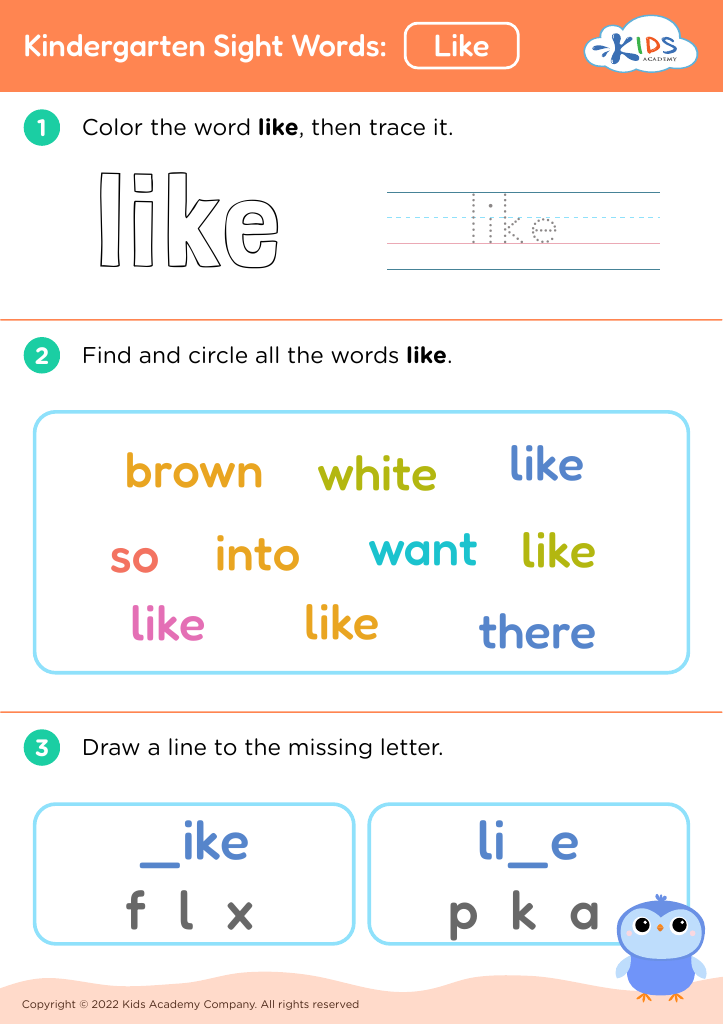
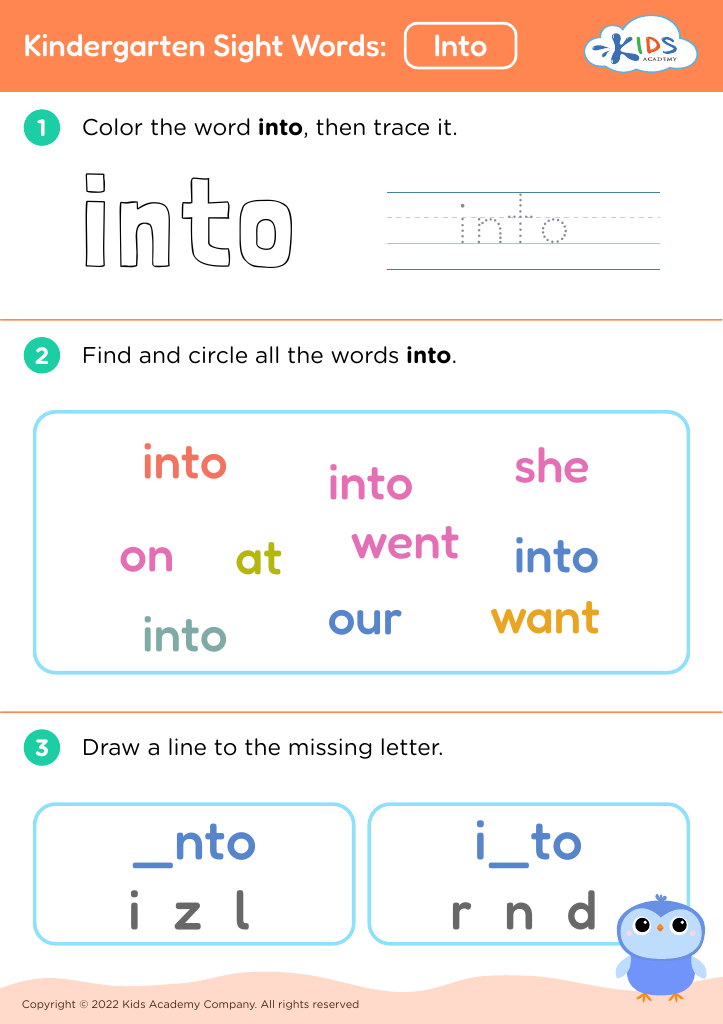








Identifying shapes and building vocabulary are fundamental components of early childhood education, especially for children aged 5-6. At this developmental stage, children are naturally curious and eager to explore their surroundings. Engaging in shape identification not only enhances their spatial awareness but also lays the groundwork for more complex mathematical understanding in the future. Recognizing different shapes helps children classify and group objects, which is essential for problem-solving and critical thinking skills.
Equally important is building vocabulary. A rich vocabulary fosters communication skills, enabling children to express their thoughts and ideas effectively. For young learners, every new shape they learn comes with descriptive language— words like “circle,” “triangle,” or “polygon.” When parents and teachers involve children in discussions about shapes, they introduce them to new concepts while reinforcing language development.
Furthermore, integrating shape identification with vocabulary building encourages a holistic approach to learning, creating connections between math and language arts. Ultimately, when parents and teachers take an active role in these areas, they empower children to become confident, curious learners. This not only benefits their academic journey but also nurtures a lifelong love for learning, setting a strong foundation for their future.








