Improve reading comprehension Building Vocabulary Worksheets for Ages 5-6
5 filtered results
-
From - To
Enhance your child's reading comprehension skills with our engaging Building Vocabulary Worksheets designed for ages 5-6. These specially crafted activities focus on expanding vocabulary and fostering a love for reading. Each worksheet is interactive, making learning enjoyable and effective. Children will explore essential vocabulary through fun exercises that enhance their understanding of words in context. Encouraging comprehension early on sets the foundation for future learning success. Parents and teachers will find these resources invaluable for developing critical language skills. Give your little learners the tools they need to excel in reading with our comprehensive and child-friendly worksheets.
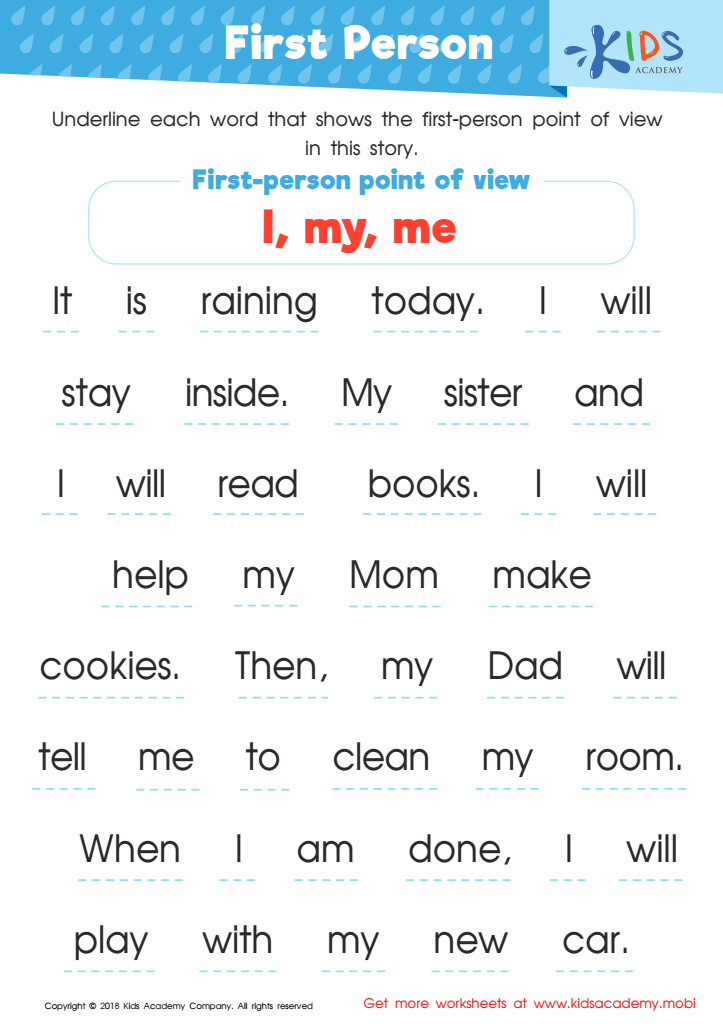
First Person Worksheet
 Assign to My Students











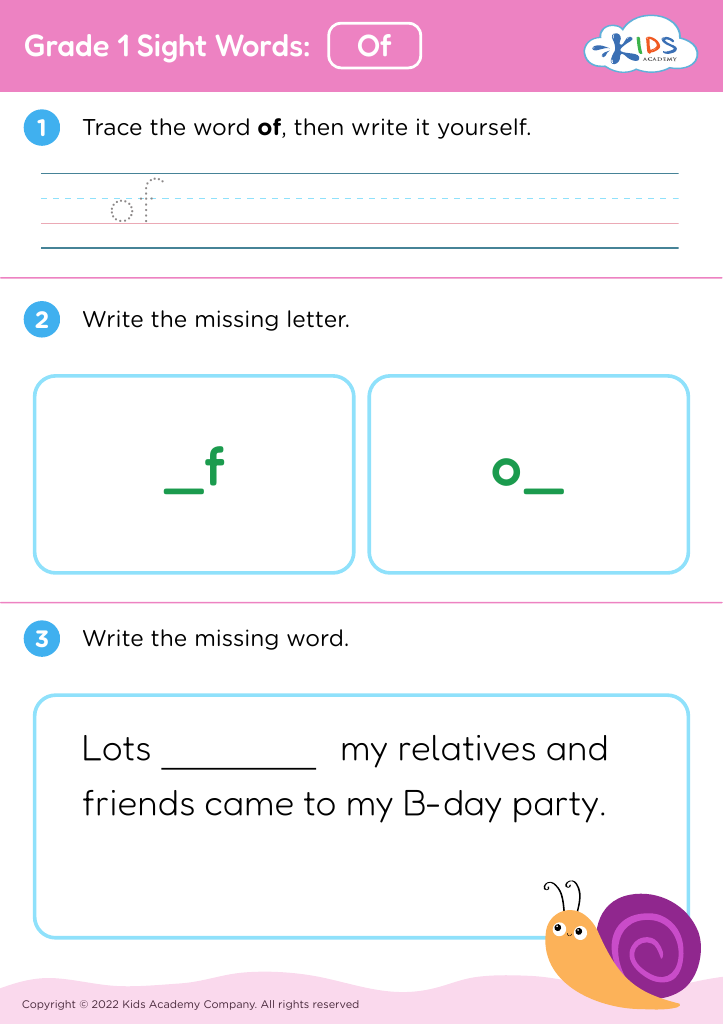
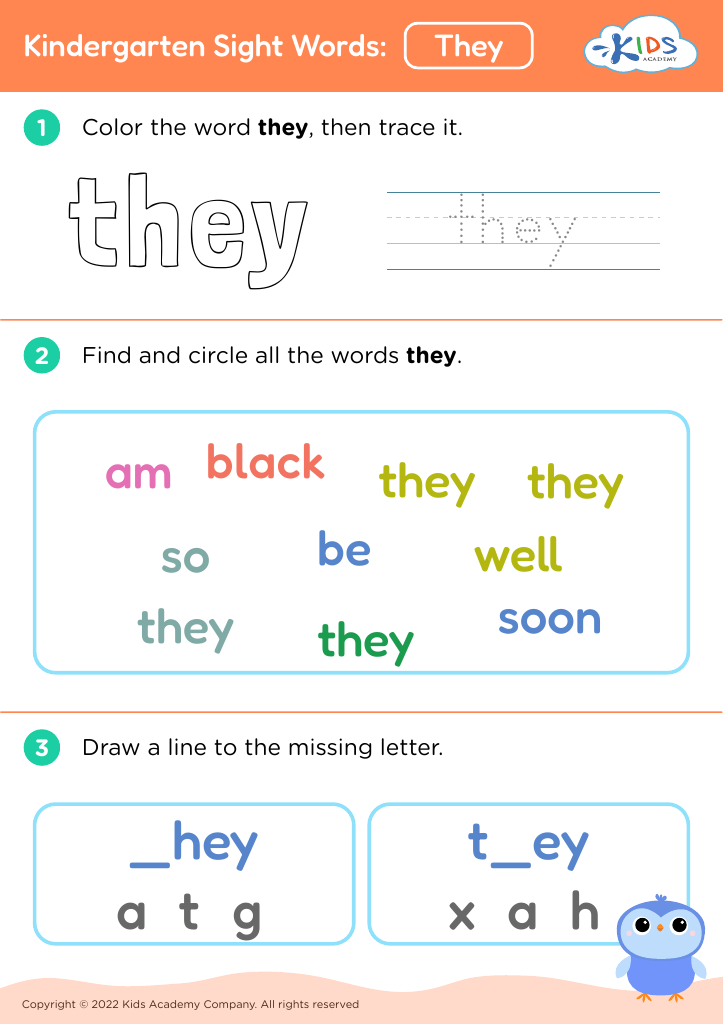
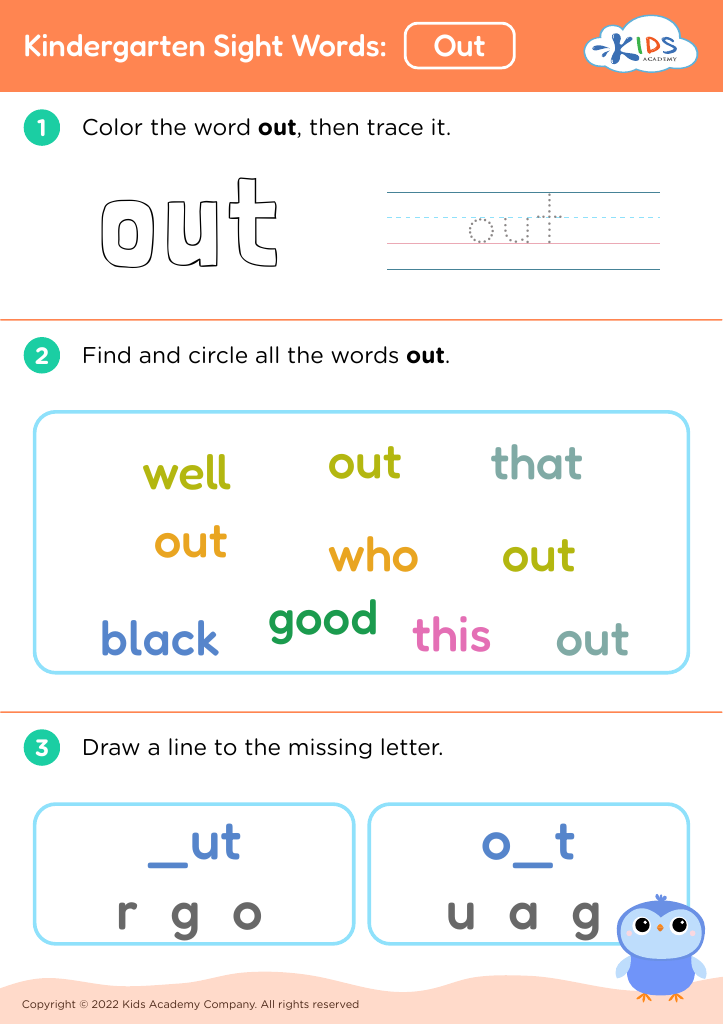
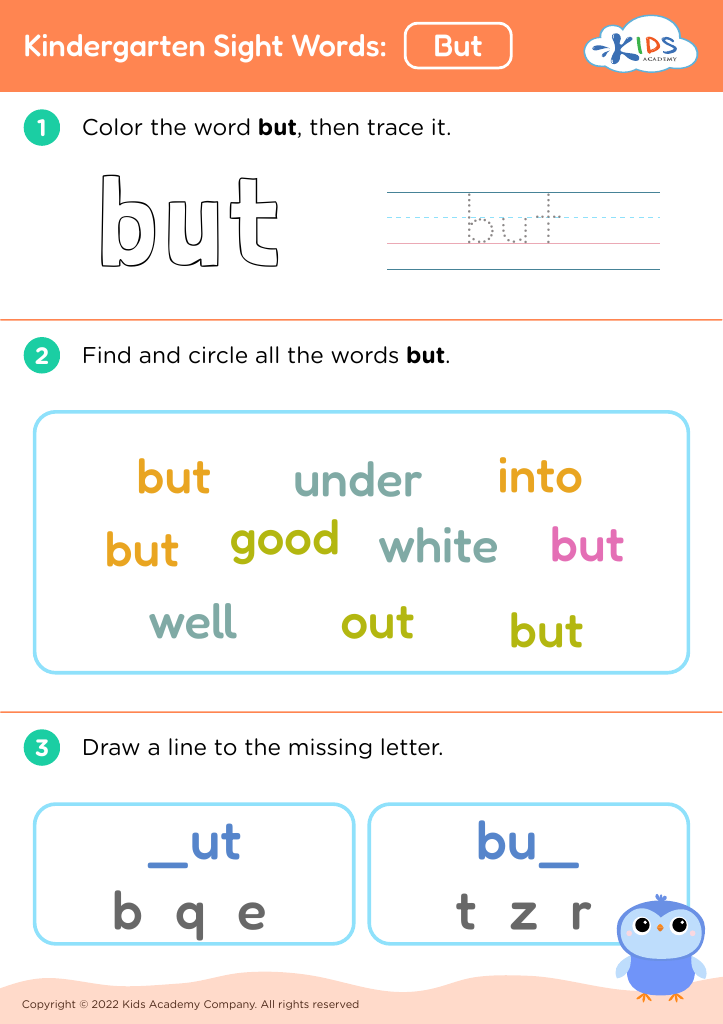


.jpg)





Improving reading comprehension and building vocabulary in children aged 5-6 is crucial, as these foundational skills set the stage for lifelong learning. At this age, children are beginning to understand the relationship between letters and sounds, which directly impacts their ability to decode words and extract meaning from text. When they comprehend what they read, they develop confidence and a positive attitude towards learning.
Building a strong vocabulary enhances children's comprehension because it exposes them to new ideas and concepts. Children with a rich vocabulary are more likely to grasp what they read and engage in discussions, fostering critical thinking and curiosity. Engaging in activities such as reading aloud, storytelling, and interactive discussions supports this skill development.
Both parents and teachers play essential roles in creating an enriching environment. They can provide age-appropriate materials, encourage daily reading habits, and introduce new words in meaningful contexts. Furthermore, strong early literacy skills are linked to academic success and improved social interactions as children grow older. Investing time and resources in improving reading comprehension and vocabulary at this stage ultimately paves the way for a more promising educational journey, equipping children to navigate more complex texts in the future.








