
Numerical problem solving Building Vocabulary Worksheets for Ages 5-6
3 filtered results
Difficulty Level
Grade
Age
-
From - To
Subject
Activity
Standards
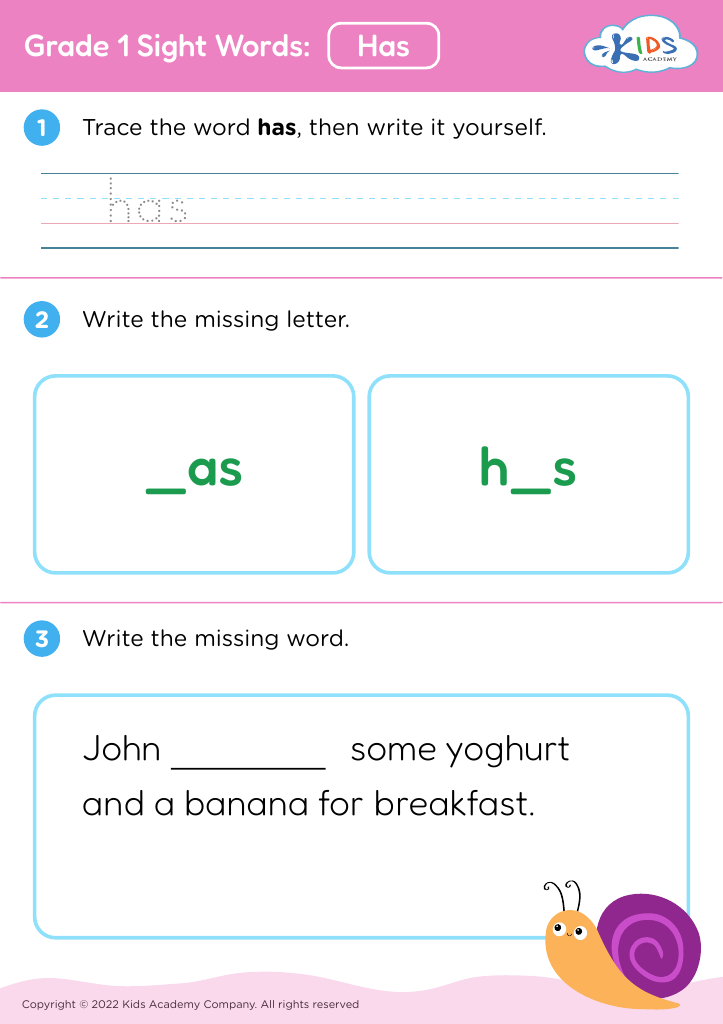
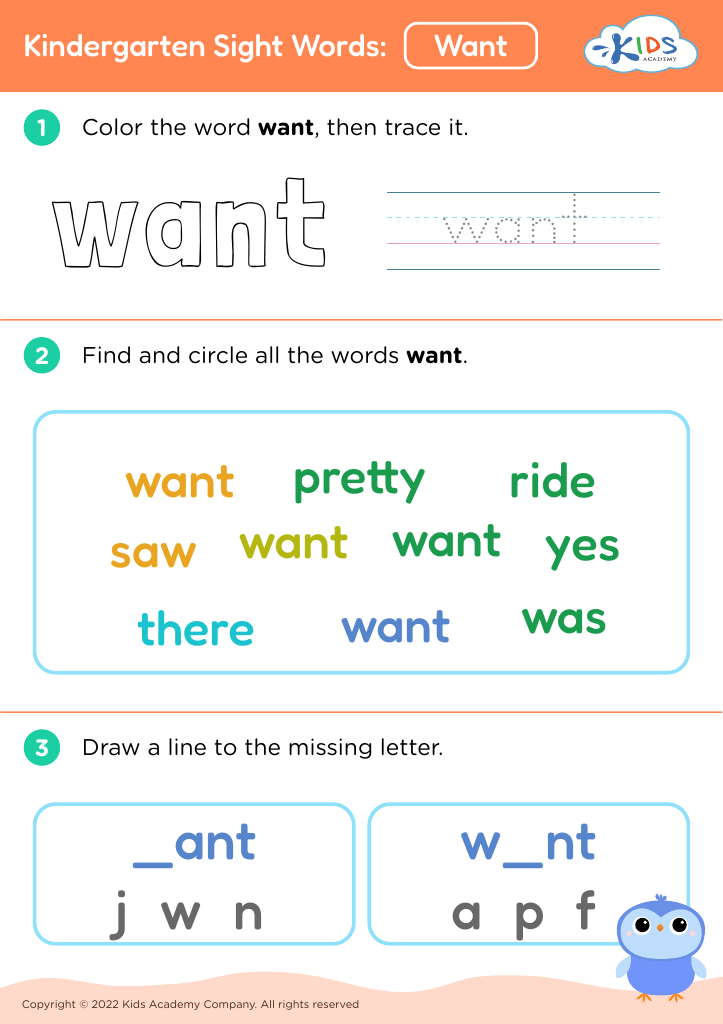
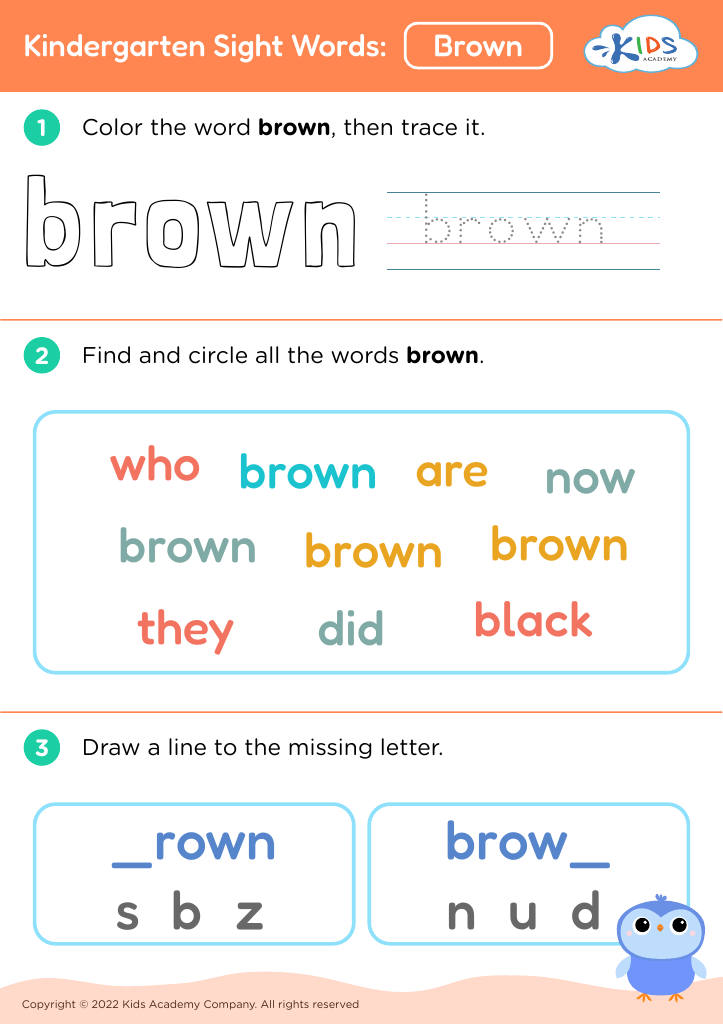
Discover our engaging "Numerical Problem Solving Building Vocabulary Worksheets for Ages 5-6" at Kids Academy. Perfectly designed for young minds, these worksheets blend foundational math skills with essential vocabulary development. Through fun and interactive activities, children enhance their problem-solving abilities while expanding their math-related vocabulary. Each worksheet offers thoughtfully crafted exercises to support both numerical and verbal cognition, ensuring a balanced approach to early education. Empower your child’s learning journey with our printable resources, encouraging logical thinking and language proficiency. Explore our collection today and give your child the tools they need for academic success!
Favorites
With answer key
Interactive











Join Kids Academy for Free
Who is primarily going to use this learning content?






.jpg)

Parents and teachers should prioritize building numerical problem-solving skills and vocabulary for children aged 5-6 because it lays the foundation for future academic success and everyday functioning. At this critical developmental stage, children’s brains are highly receptive to learning new concepts, making it the perfect time to introduce basic math and language skills.
Numerical problem-solving helps cultivate logical thinking and analytical skills. Understanding numbers, patterns, and problem-solving methods enables children to tackle more complex math concepts later, fostering confidence and a positive attitude toward learning math. As math is integral to daily life, proficiency helps kids perform everyday tasks like counting money, telling time, and measuring ingredients in a recipe.
Building a robust vocabulary is equally essential. A strong vocabulary contributes to better reading comprehension, improved communication skills, and enhanced cognitive development. It proves fundamental for understanding instructions, expressing ideas clearly, and social interaction. Proficiency in language aids in the overall academic performance since it wraps around all subject areas, facilitating a smooth transition in learning different subjects with greater ease.
By focusing on numerical problem-solving and vocabulary building, parents and teachers ensure that children gain crucial skills, boosting both their intellectual capacity and self-esteem, paving the way for lifelong success in various aspects of life.








