Shape identification Building Vocabulary Worksheets for Ages 5-6
4 filtered results
-
From - To
Explore our Shape Identification Building Vocabulary Worksheets designed for ages 5-6! Our engaging worksheets help young learners effortlessly recognize and name shapes while enhancing their vocabulary skills. Through fun activities and colorful illustrations, children will not only identify geometric shapes but also learn to associate these shapes with everyday objects. Perfect for early learners, these worksheets build a strong foundation in both math and language skills. Whether used at home or in the classroom, our printable resources ensure educational growth in an enjoyable way. Let your child discover the exciting world of shapes and words simultaneously! Visit us to download and start learning today.
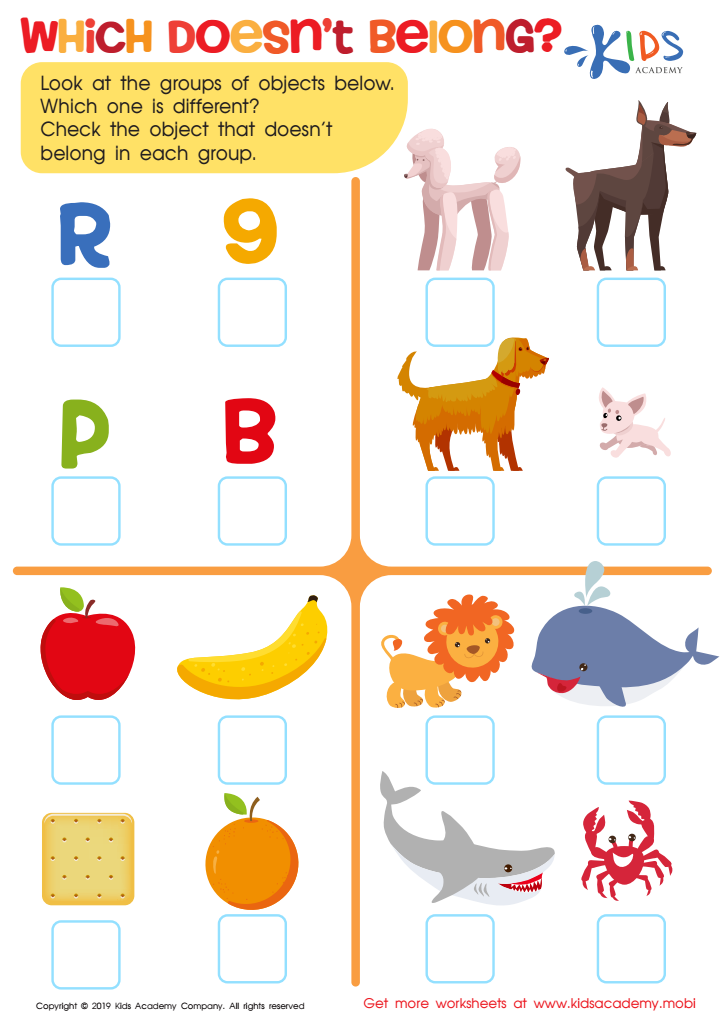
Which Doesn't Belong? Worksheet
 Assign to My Students











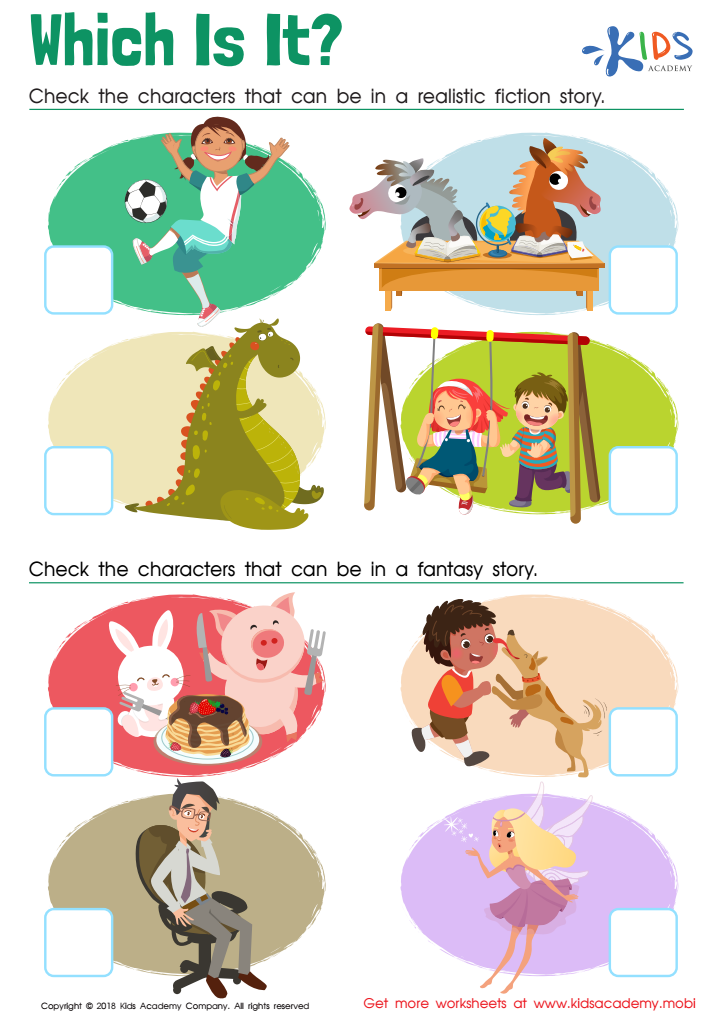
Which Is It? Worksheet








Shape identification and vocabulary building are fundamental skills for young children aged 5-6, forming the cornerstone of their early learning and cognitive development. Parents and teachers play crucial roles in nurturing these abilities. By recognizing and naming different shapes, children enhance their observational skills, which aids in visual processing.
At this age, children are naturally curious and eager to explore their environments. Introducing them to various shapes boosts their spatial awareness, an important aspect that assists in understanding more complex mathematical concepts in later years. Shapes are ubiquitous in the world around them, from toys and books to buildings and nature, and recognizing these helps them make sense of their environment.
Additionally, incorporating shape-related vocabulary enriches children's language development. As they learn to describe objects using terms like "circle," "square," and "triangle," their descriptive and communicative abilities blossom. This shapes their capacity for more detailed and imaginative storytelling and conversations.
Moreover, shape identification fosters problem-solving and critical thinking. Engaging in activities that involve recognizing and sorting shapes can improve children's cognitive flexibility and understanding of patterns, laying a solid foundation for subjects like geometry.
In essence, by prioritizing shape identification and vocabulary at this fluid stage of learning, parents and teachers set the stage for a well-rounded and robust educational journey, cultivating both cognitive and language skills crucial in later academic endeavors.








