Understanding fractions Building Vocabulary Worksheets for Ages 5-6 - Page 2
35 filtered results
-
From - To
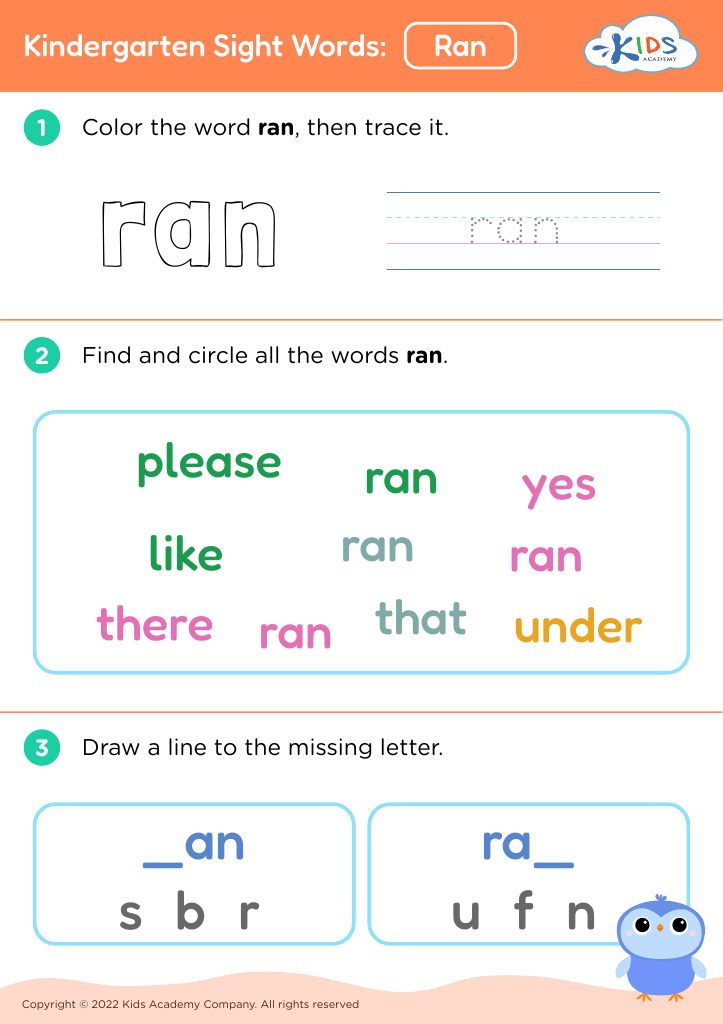











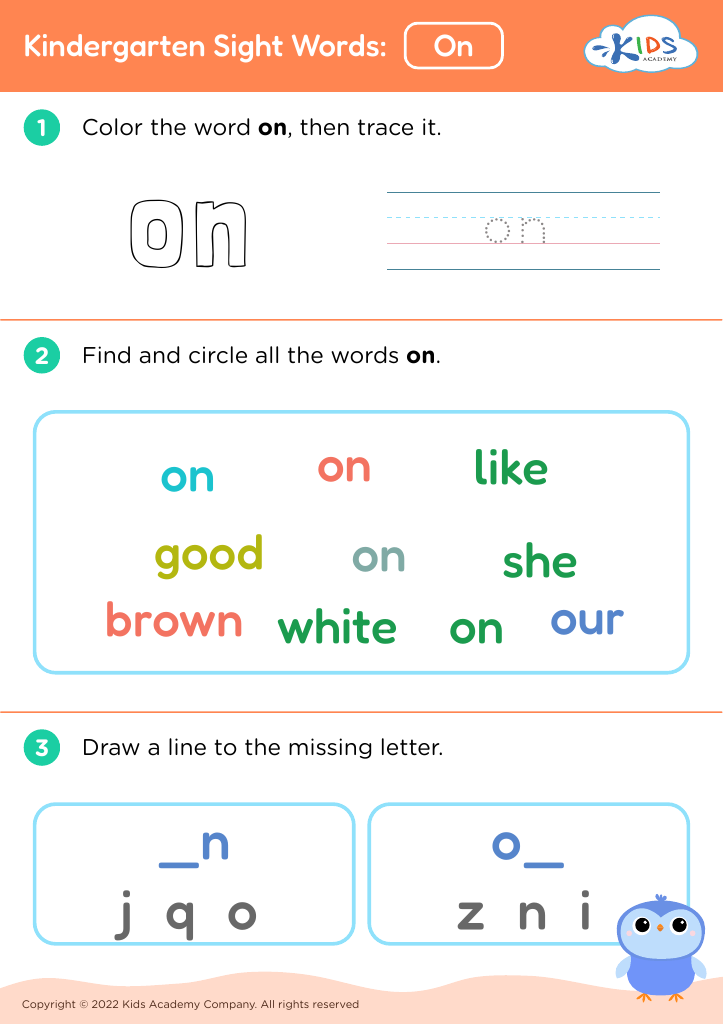
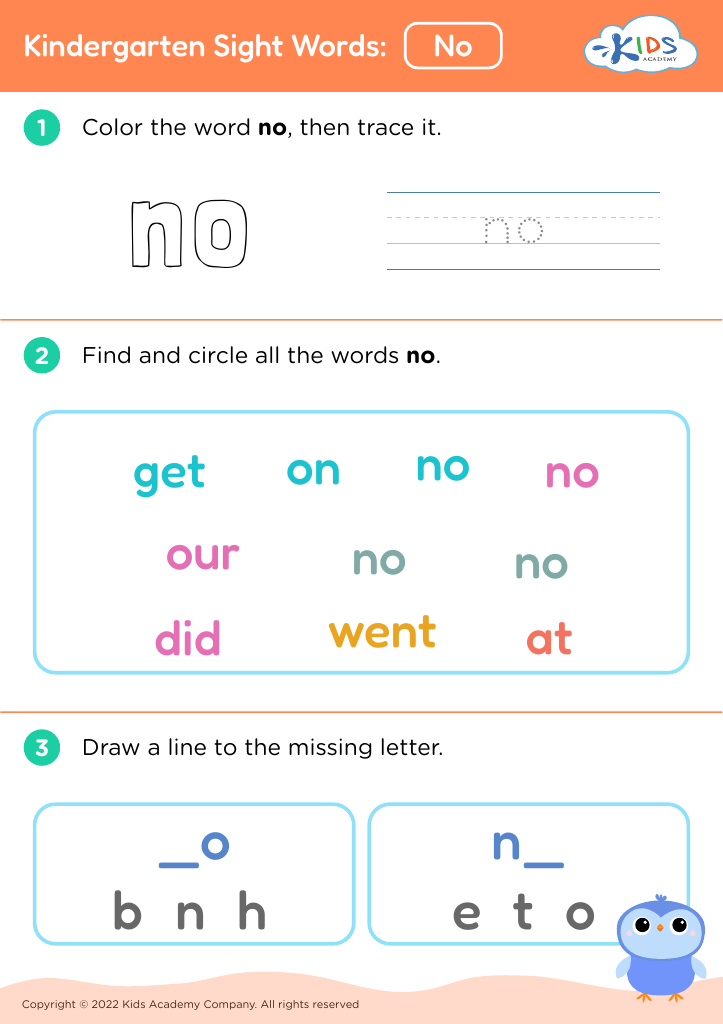
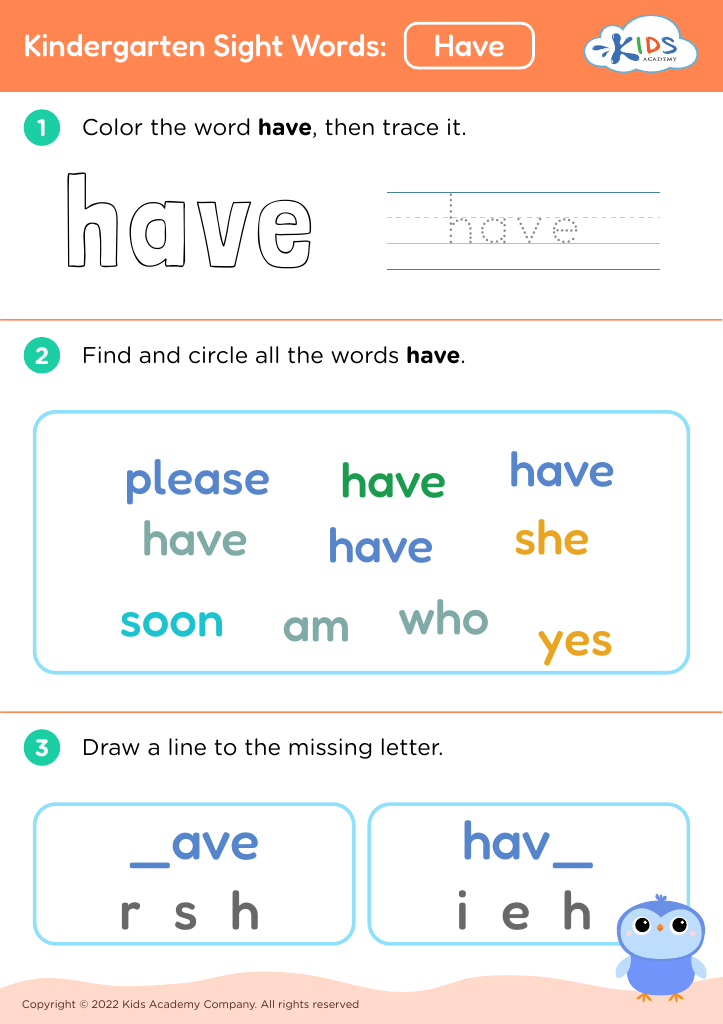








Understanding fractions is a foundational math skill essential for young children's cognitive development. At ages 5-6, children are in a critical stage of learning where they begin to make sense of the world mathematically. By introducing fractions, parents and teachers can help children develop concept meaning that goes beyond mere numbers. Grasping the concept of fractions encourages problem-solving skills and mathematical reasoning, fostering a love for learning.
Building vocabulary around fractions is equally important, as language is the medium through which children describe their understanding. Terms like "half," "quarter," "whole," and "mixed number" provide the linguistic tools for expressing mathematical ideas clearly. When children learn to articulate their thoughts regarding fractions, they enhance their comprehension and become better communicators.
Moreover, understanding fractions is linked to everyday life activities, whether sharing food or understanding portions in cooking. It allows children to relate math to real-world situations, making it relevant and engaging. Overall, focusing on understanding fractions and building related vocabulary equips young learners with essential skills that prepare them for more advanced mathematical concepts and enrich their educational journey. Therefore, it's crucial for both parents and teachers to prioritize these elements in early childhood education.








