
Understanding patterns Building Vocabulary Worksheets for Ages 5-6
6 filtered results
Difficulty Level
Grade
Age
-
From - To
Subject
Activity
Standards
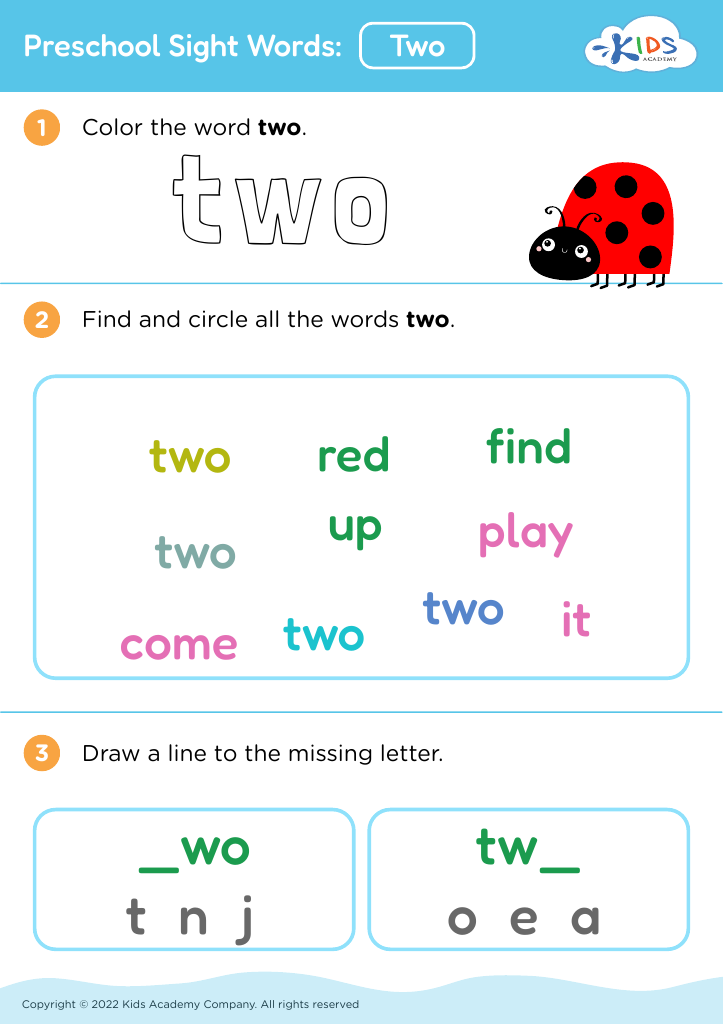
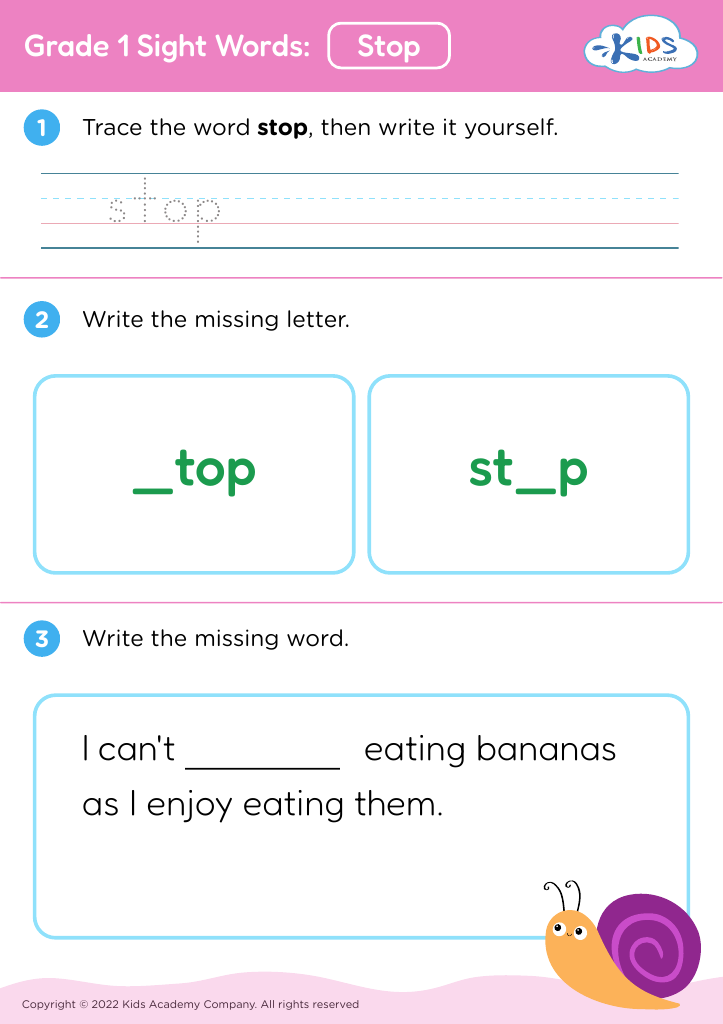
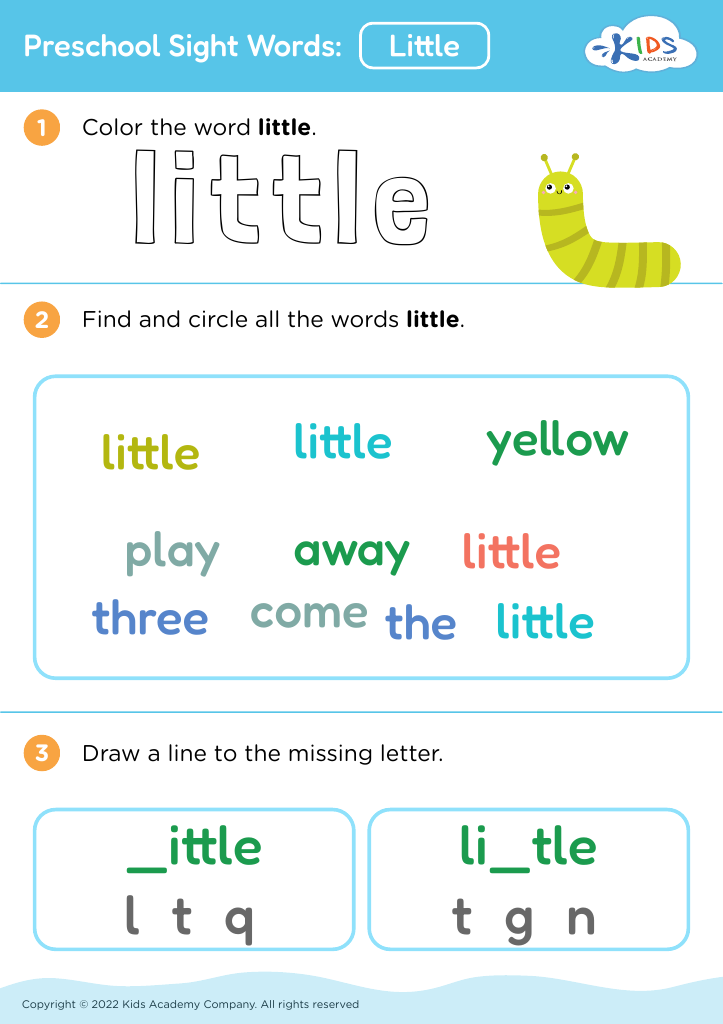
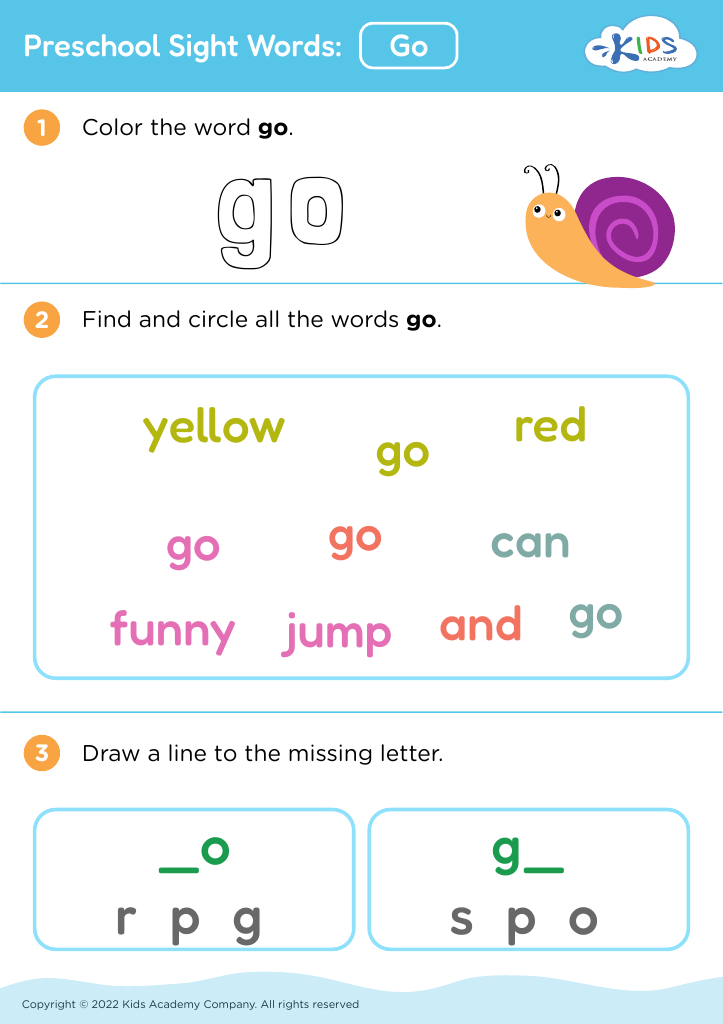
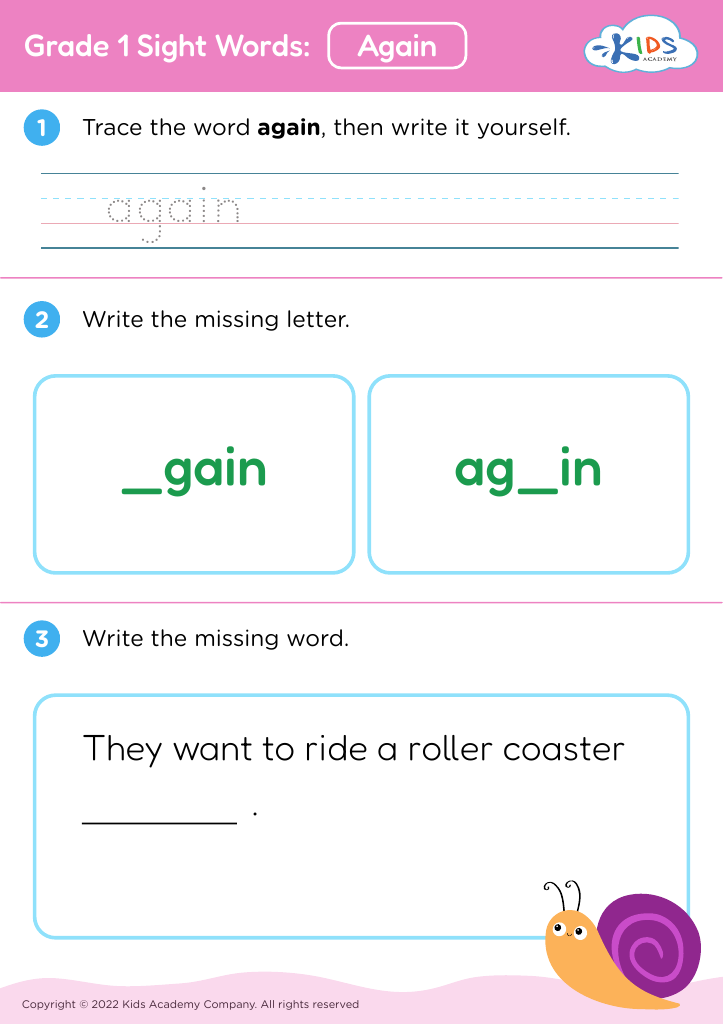
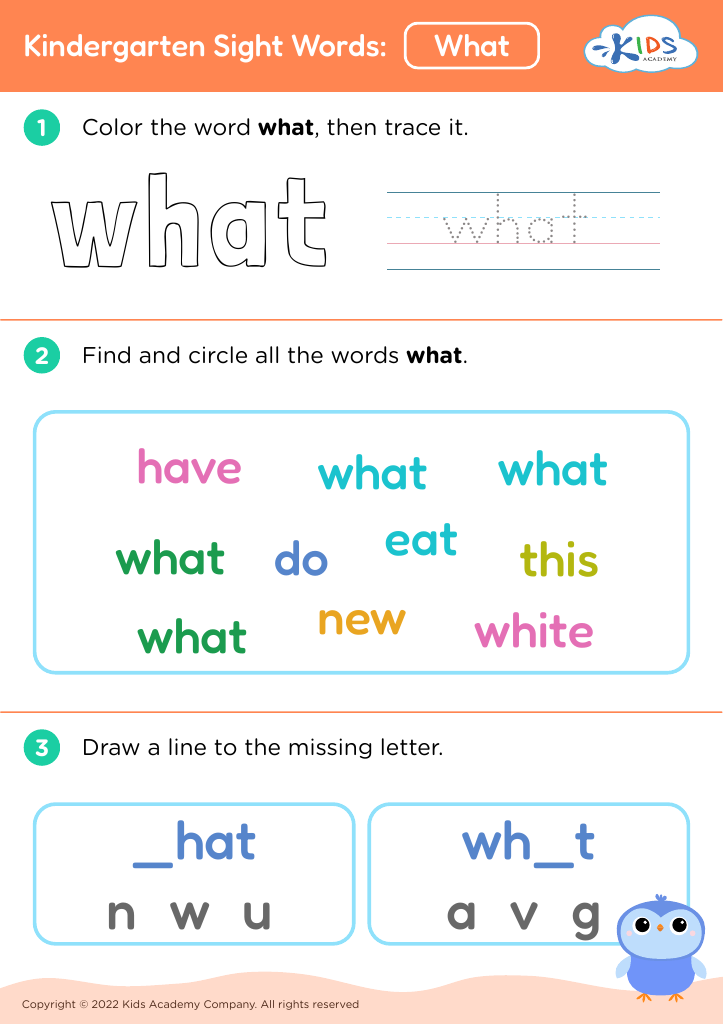
Welcome to our "Understanding Patterns: Building Vocabulary" worksheets, designed especially for children aged 5-6! These engaging resources help young learners identify and comprehend patterns in language, enhancing their vocabulary skills. By exploring various patterning activities, kids will learn to recognize word sequences, categorize related words, and make meaningful connections. Each worksheet is crafted to encourage critical thinking and foster a love for learning, making vocabulary building fun and enjoyable. Perfect for classroom use or at-home learning, our worksheets provide a solid foundation for early literacy skills, helping children unlock their potential in reading and communication. Start your vocabulary journey today!
Favorites
With answer key
Interactive











Join Kids Academy for Free
Who is primarily going to use this learning content?








Understanding patterns and building vocabulary are crucial skills for children aged 5-6, which parents and teachers should prioritize. Developing pattern recognition helps children make connections in logic, math, and daily life. Recognizing patterns fosters critical thinking skills that are foundational for problem-solving. When children identify and create patterns, whether in shapes, numbers, or sounds, they cultivate an analytical mindset essential for later educational success.
Simultaneously, building vocabulary during these formative years opens doors to effective communication. A strong vocabulary enhances reading comprehension and expression, enabling children to articulate thoughts and ideas clearly. Words are the tools children use to understand their surroundings, share their feelings, and engage with others.
When vocabulary instruction is purposefully integrated with pattern recognition activities, it enriches learning experiences. For instance, rhymes are patterns found in language, enabling children to not only build vocabulary but also appreciate the rhythm and sound of words. By caring about these developmental milestones, parents and teachers lay a solid foundation for literacy, mathematical understanding, and social interaction. Supporting children in these areas promotes confidence and curiosity, making learning an enjoyable and rewarding journey.








