Filters

7 filtered results

Clear all filters
Favorites
With answer key
Interactive

7 filtered results

Difficulty Level

Grade


Discover our engaging Vocabulary Building Worksheets designed specifically for children aged 5-6! These interactive worksheets foster language development, enhance word recognition, and boost comprehension skills in a playful and enjoyable way. Perfect for early learners, our carefully curated activities make vocabulary acquisition fun through colorful illustrations, relatable themes, and various exercises. Children will practice new words, improve spelling, and develop their language skills as they explore exciting topics. Enhance your child's reading abilities and confidence with these valuable resources that support early literacy goals. Browse our collection today and watch your little one's vocabulary flourish!

Check out this FREE Trial Lesson on Building Vocabulary for age 5-6!

Answer Questions About Unknown Words in a Story

Favorites
With answer key
Interactive
  • 5-6
  • Vocabulary Building
  • Building Vocabulary
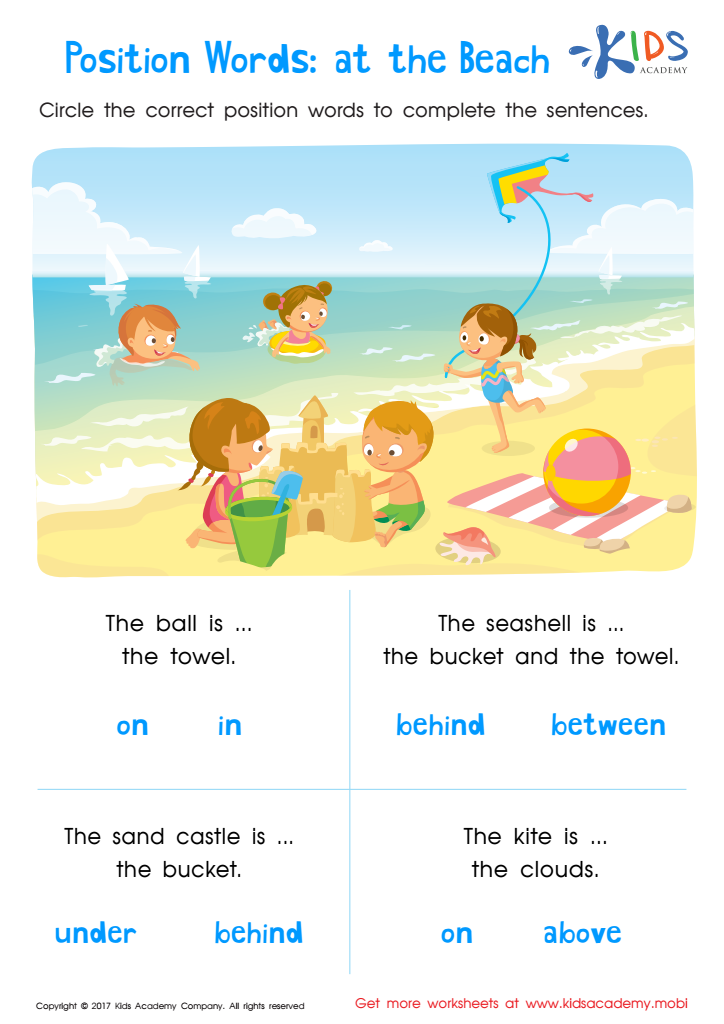
Positional Words Worksheet

At the Beach Printable Sight Words Worksheet

At the Beach Printable Sight Words Worksheet
Worksheet
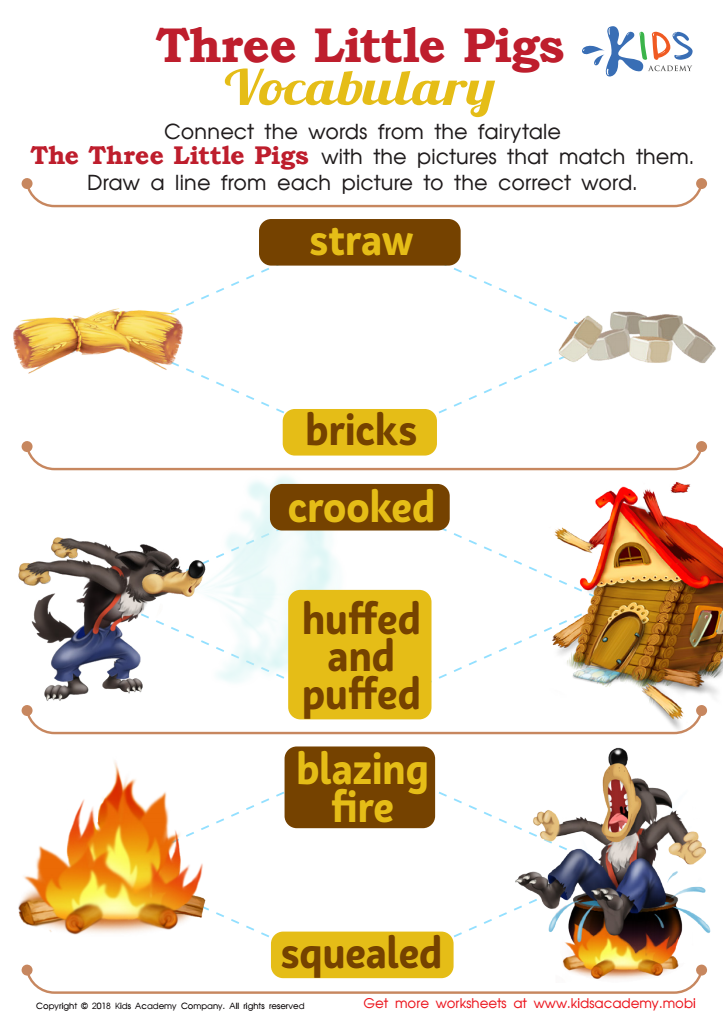
Three Little Pigs Vocabulary Worksheet

Three Little Pigs Vocabulary Worksheet

Read the Three Little Pigs to your children. Have them use the tracing sheet to connect the story words with the pictures. This is a fun and educational way to help them build their vocabulary.
Three Little Pigs Vocabulary Worksheet
Worksheet
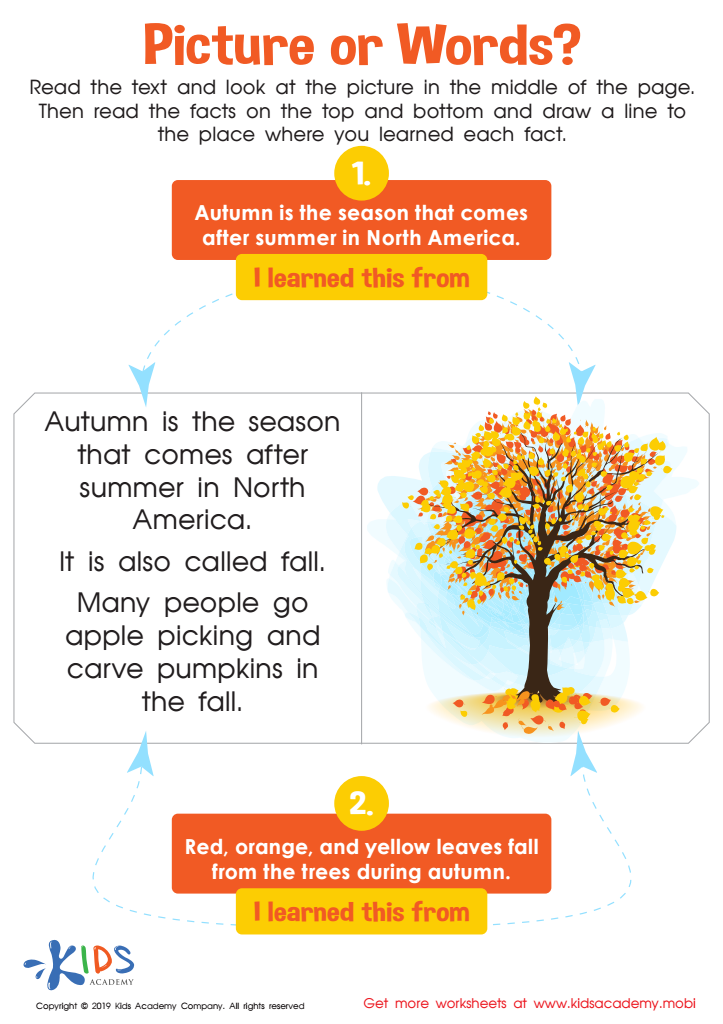
Picture Words Worksheet

Picture Words Worksheet

Pictures are key for early reading skills. Remind children to use all resources when reading passages to understand meaning. With the free PDF, kids can learn through pictures & words, then answer questions based on what they learned. This hits home that all info in text is valuable, pics included!
Picture Words Worksheet
Worksheet
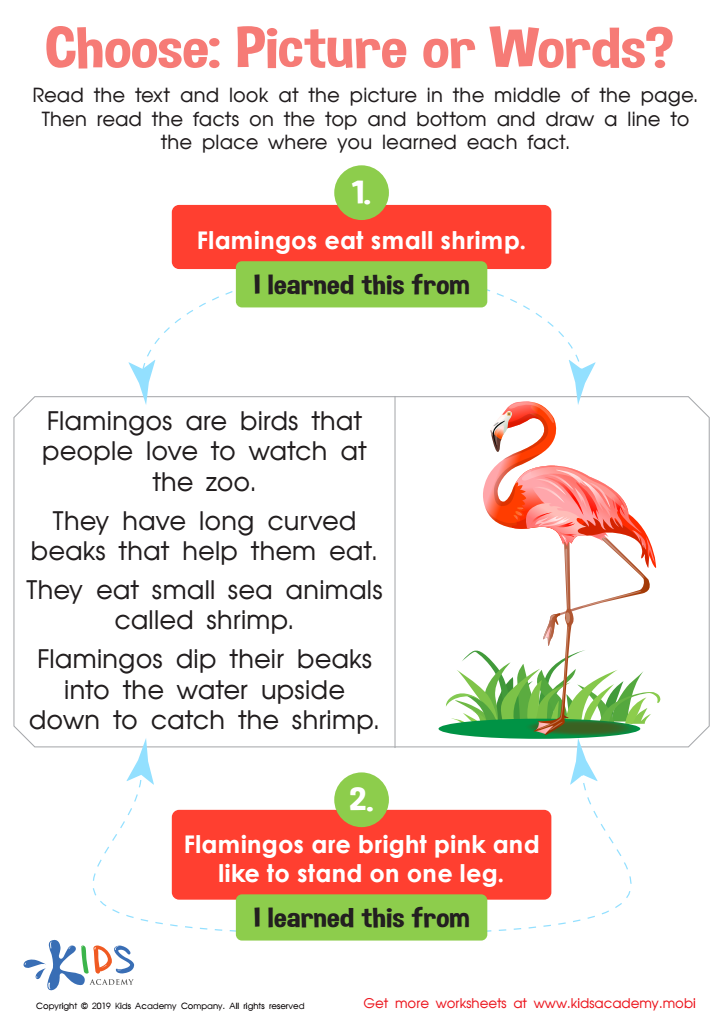
Choose Picture Words Worksheet

Choose Picture Words Worksheet

Pictures are powerful tools for children learning to read. Early readers apply their prior knowledge and pictures to create understanding. This PDF worksheet lets them understand the combined power of pictures and words, by having them choose one to answer how they learned the facts about flamingoes.
Choose Picture Words Worksheet
Worksheet
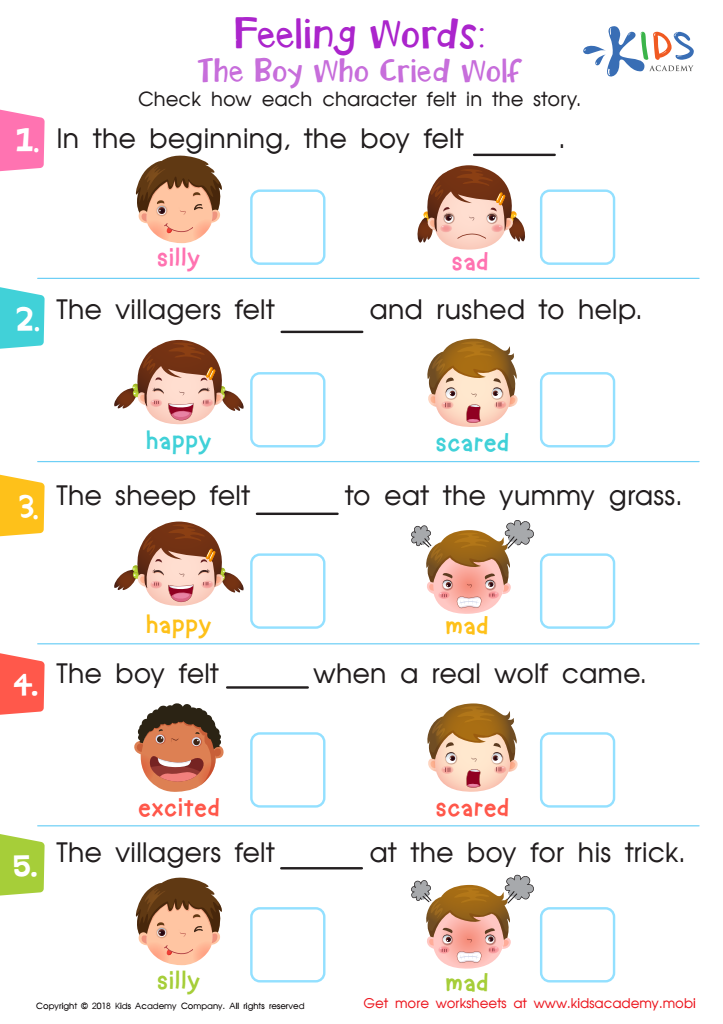
Feeling Words: The Boy Who Cried Wolf Worksheet

Feeling Words: The Boy Who Cried Wolf Worksheet

This worksheet helps students infer characters' traits and feelings by reading The Boy Who Cried Wolf. They choose the correct emotion for each character to improve their story comprehension. A great resource for the reading classroom, it teaches an essential comprehension skill.
Feeling Words: The Boy Who Cried Wolf Worksheet
Worksheet
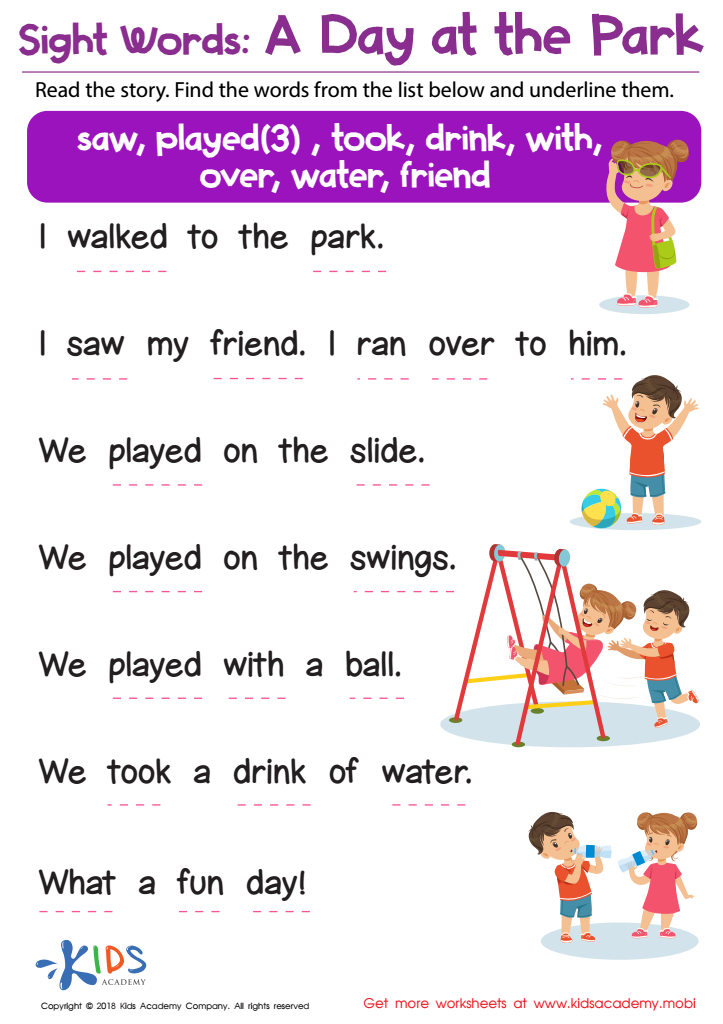
Sight Words: A Day at the Park Worksheet

Sight Words: A Day at the Park Worksheet

This worksheet offers kids practice reading sight words in a story. With picture clues and repetitive wording, they'll work with words that can't be sounded out to reinforce their learning. This is an important step in the reading process that helps kids become more confident readers.
Sight Words: A Day at the Park Worksheet
Worksheet
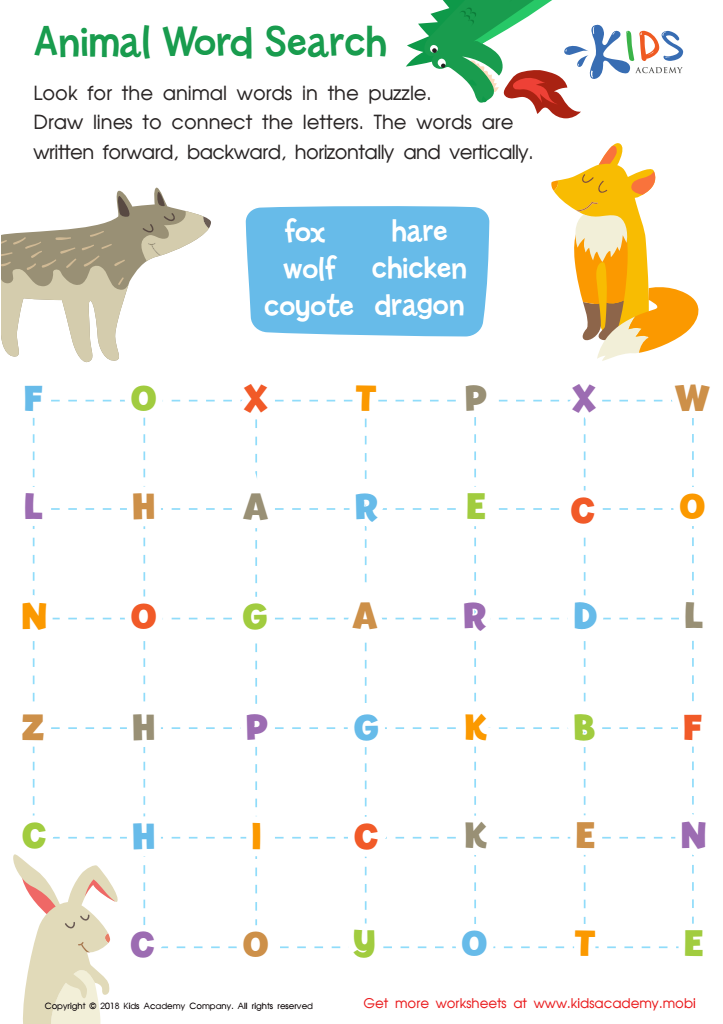
Animal Word Search Worksheet


Animal Word Search Worksheet

Students can have fun and strengthen spelling and vocabulary skills with this word search worksheet. Search for animal words and circle the letters in the puzzle. Words can be found forwards, backwards, horizontally or vertically, providing a great challenge to foster critical thinking skills. An enriching activity for all ages!
Animal Word Search Worksheet
Worksheet


Parents and teachers should prioritize vocabulary building for children ages 5-6 because early language development is crucial for overall academic success and cognitive growth. At this age, children are rapidly acquiring language skills and are eager to explore the world through words. A rich vocabulary enhances their ability to express themselves clearly and understand the ideas presented in books, conversations, and educational materials.

Building vocabulary at this stage also fosters social skills. Children equipped with a diverse range of words can communicate their thoughts and feelings, improving their interactions with peers and adults. This, in turn, can boost their confidence and social competence.

Moreover, studies show that a robust vocabulary in early childhood predicts greater reading comprehension and critical thinking skills later on. By introducing children to new words through reading, conversation, and playful activities, parents and teachers can lay a solid foundation for future learning. Investing in vocabulary development not only enhances language skills but also encourages a lifelong love for reading and learning. Ultimately, supporting vocabulary growth in the early years enriches children’s language experiences, setting them up for success in school and beyond.