Addition Practice Reading Worksheets for Ages 5-6
5 filtered results
-
From - To
Welcome to our engaging Addition Practice Reading Worksheets designed specifically for children aged 5-6! These worksheets combine the excitement of learning to read with essential math skills. Young learners can practice addition through fun, interactive activities that promote both comprehension and numerical proficiency. Each worksheet encourages students to read simple instructions and solve problems, enhancing vocabulary and critical thinking. Ideal for classroom use or at-home learning, our resources support early childhood development by making learning enjoyable and effective. Help your child build a strong foundation in both reading and math with our thoughtfully crafted addition practice worksheets today!
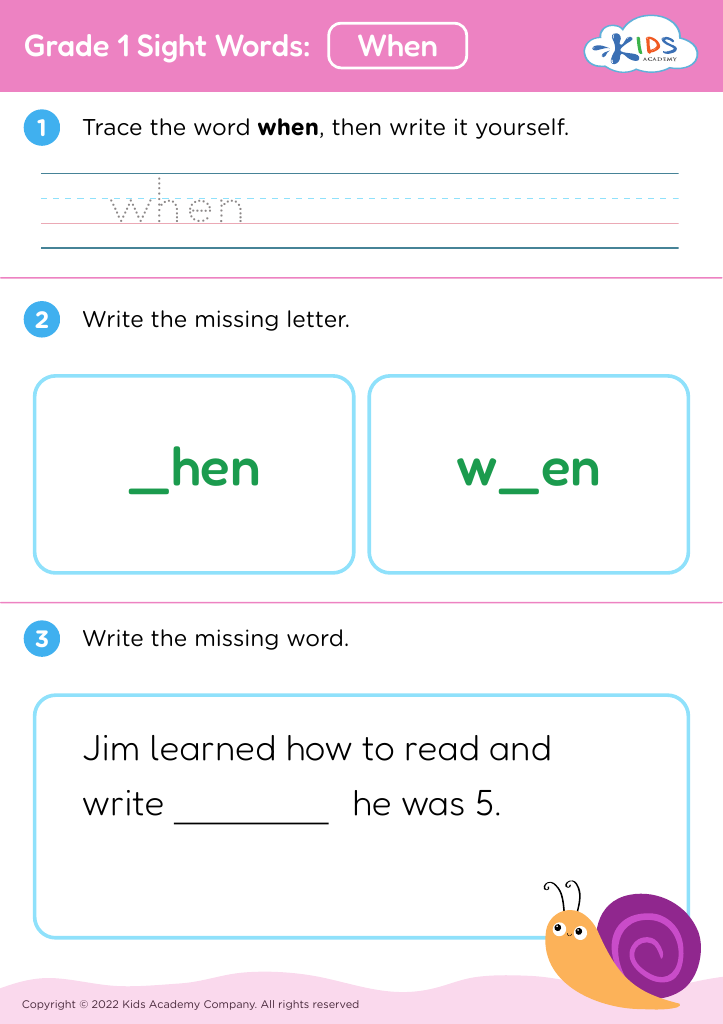
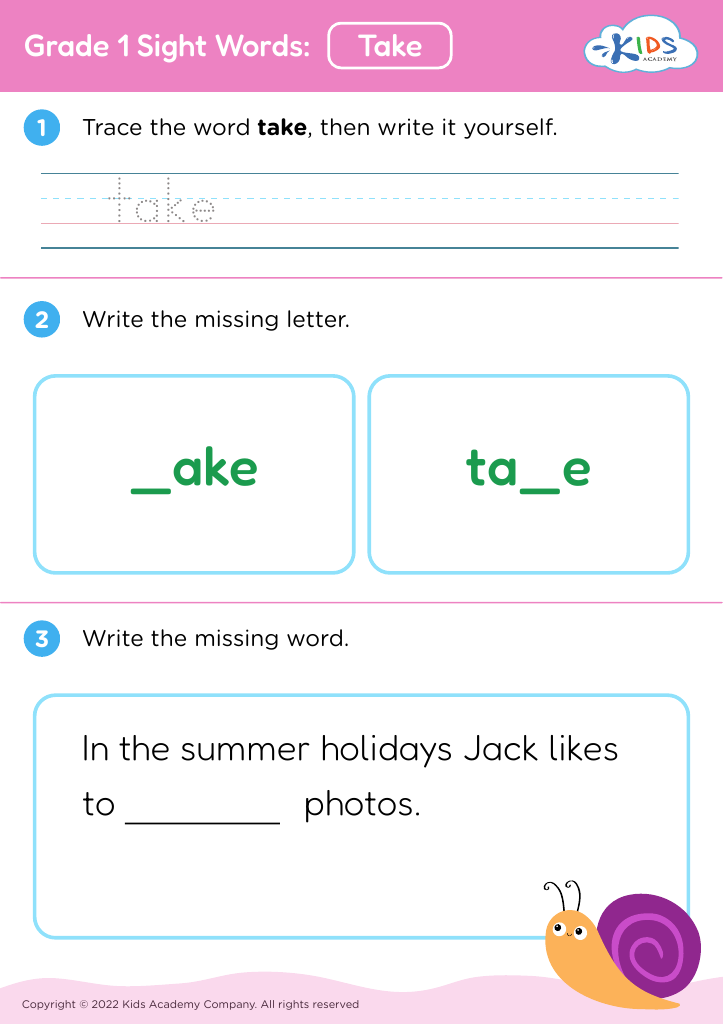
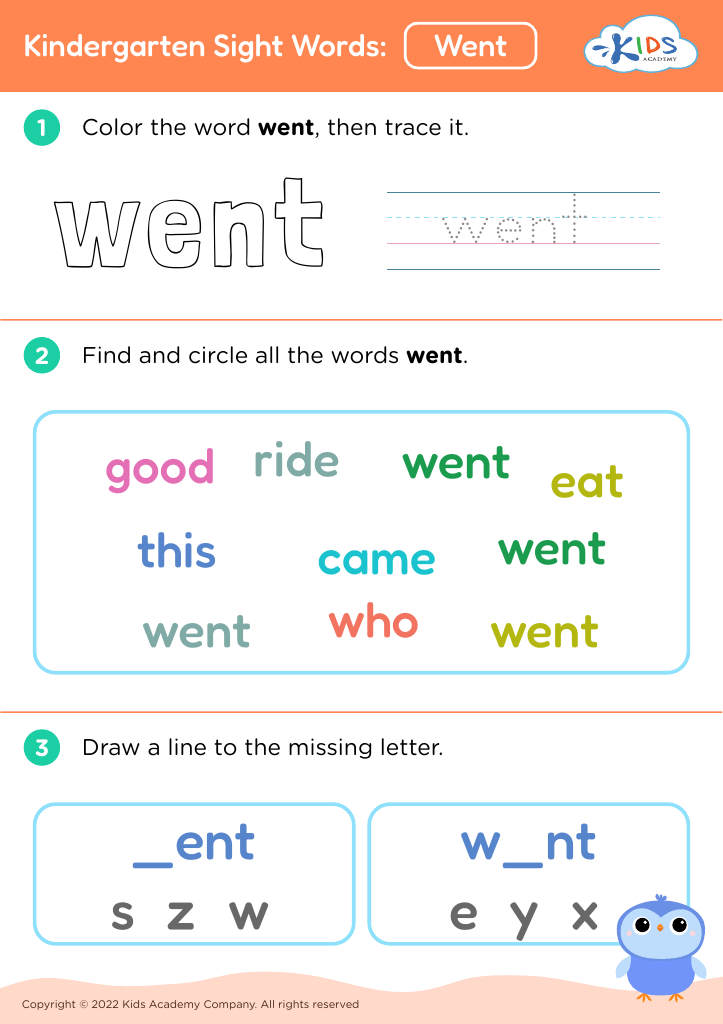
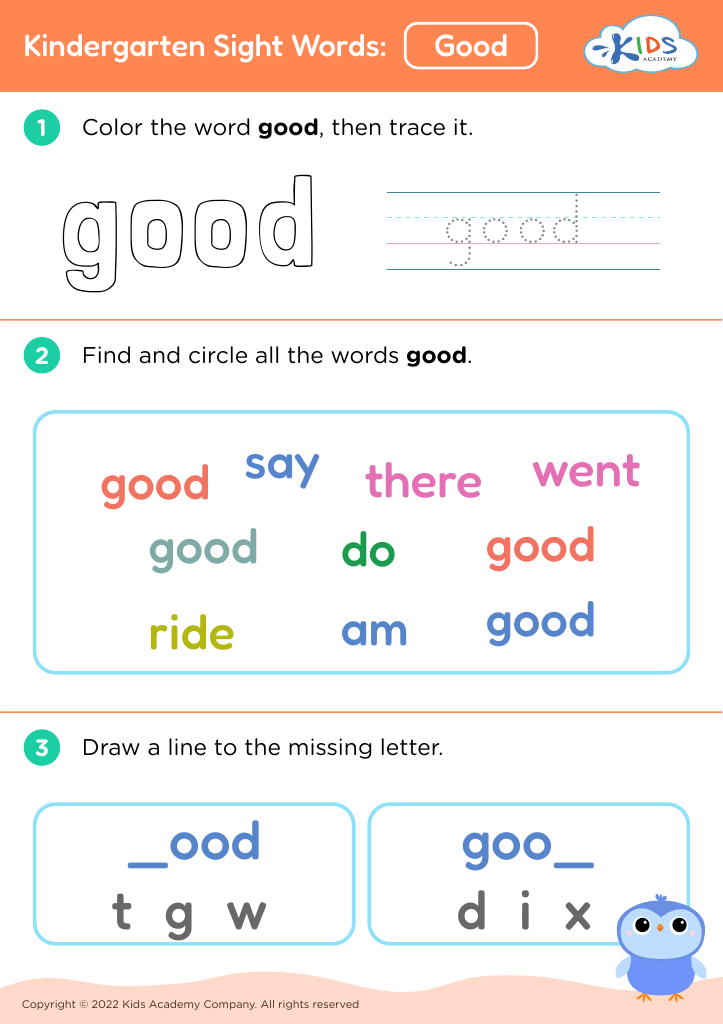
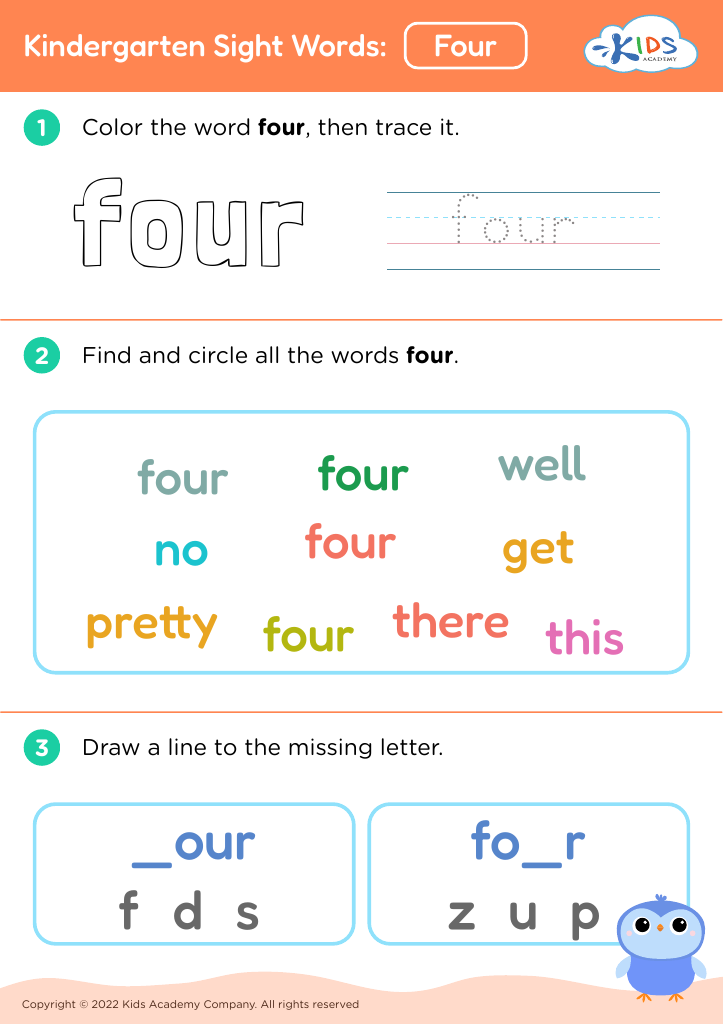







Addition practice reading is crucial for children aged 5-6 as it supports both their mathematical understanding and language development. At this age, children are beginning to grasp fundamental math concepts, and incorporating reading into addition exercises enriches their learning experience. When children encounter word problems that involve addition, they not only practice calculating but also enhance their reading comprehension skills. This dual focus helps develop critical thinking, problem-solving abilities, and a love for learning.
Moreover, these activities can foster communication between parents, teachers, and children. Parents who engage in addition practice reading with their children can better understand their academic progress and identify areas that might need extra support. Teachers can tailor group activities and interventions that cater to their students' needs, making math more interactive and enjoyable.
Furthermore, instilling a strong foundation in both math and literacy sets the stage for ongoing academic success. When young learners feel confident in solving problems and reading instructions, they are more likely to tackle complex concepts as they progress. By prioritizing addition practice reading, parents and teachers not only equip children with essential skills but also lay the groundwork for lifelong learning and curiosity.








