Animal identification Reading Worksheets for Ages 5-6
5 filtered results
-
From - To
Discover our engaging Animal Identification Reading Worksheets designed for children ages 5-6! This age-appropriate resource is tailored to help young learners strengthen their reading skills while exploring the fascinating world of animals. Each worksheet features vibrant illustrations and simple texts that invite kids to identify various animals, enhancing their vocabulary and comprehension. Ideal for both classroom and home use, these worksheets foster a love for reading and support critical thinking. Alongside animal identification, they encourage creativity and curiosity about nature. Perfect for early grade teachers and parents, our worksheets make learning fun and effective! Jumpstart your child’s reading journey today!
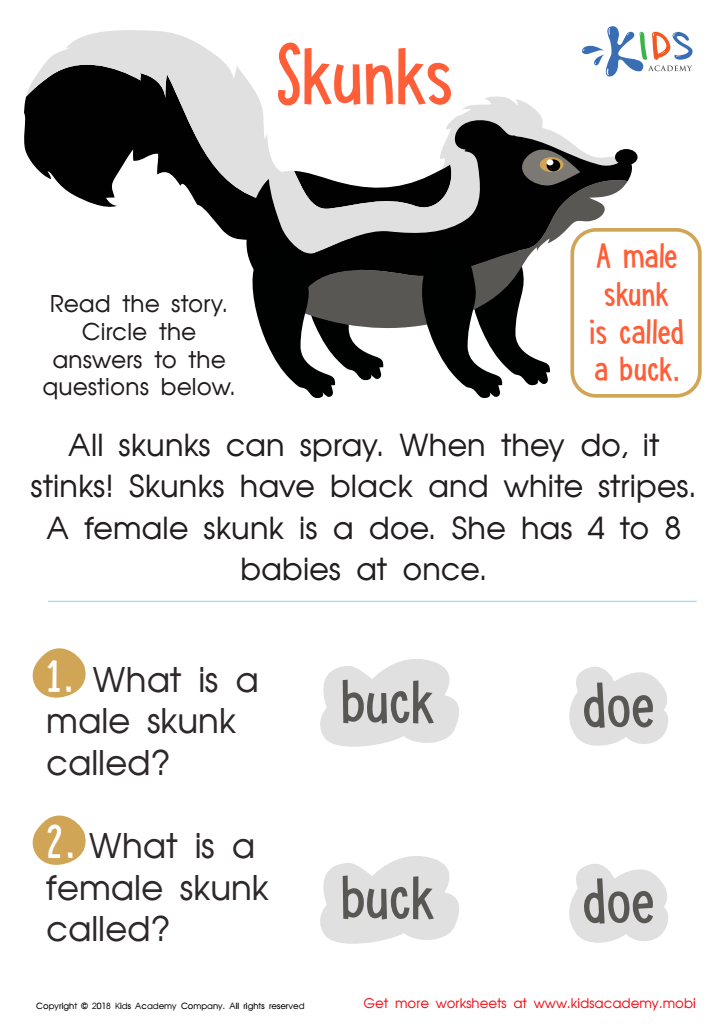
Skunks Worksheet
 Assign to My Students
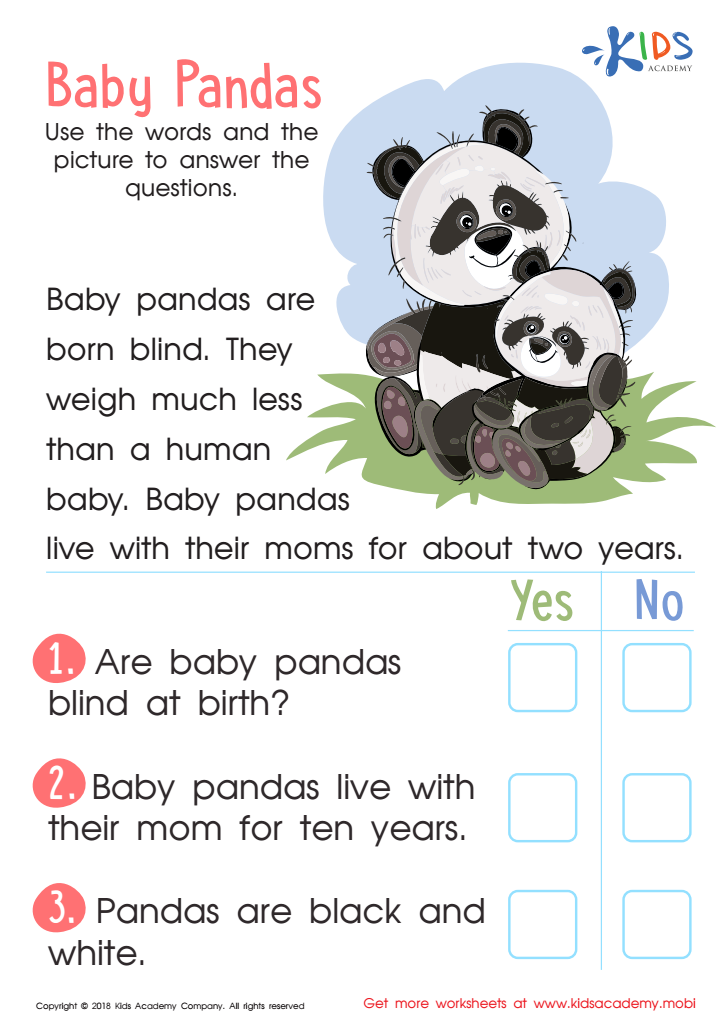
Baby Pandas Worksheet
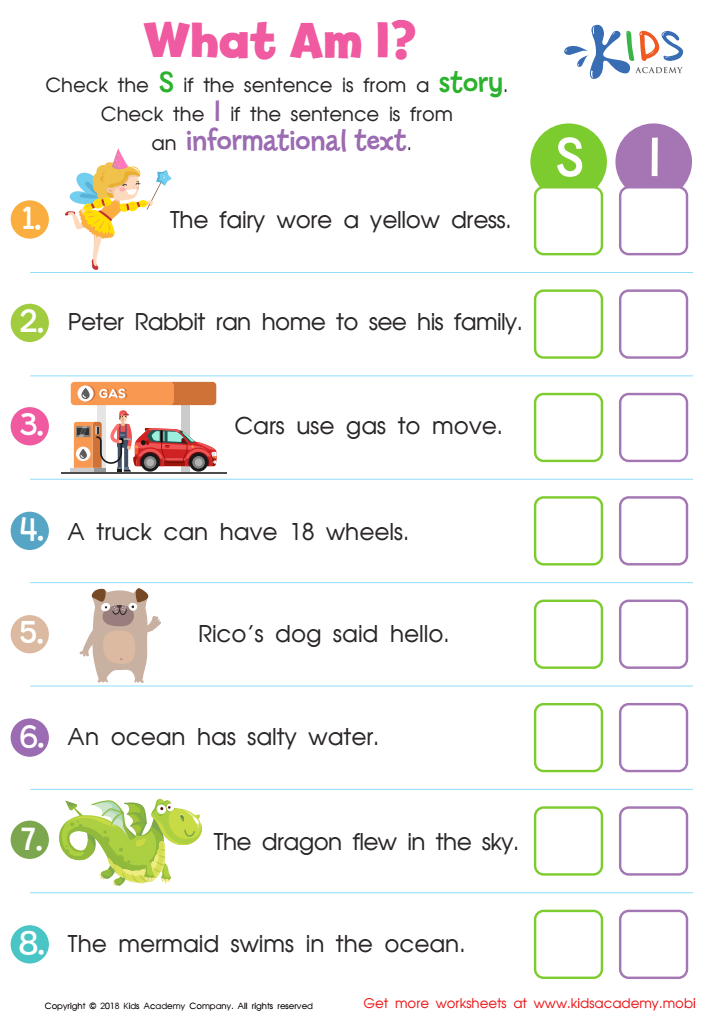
What Am I? Worksheet
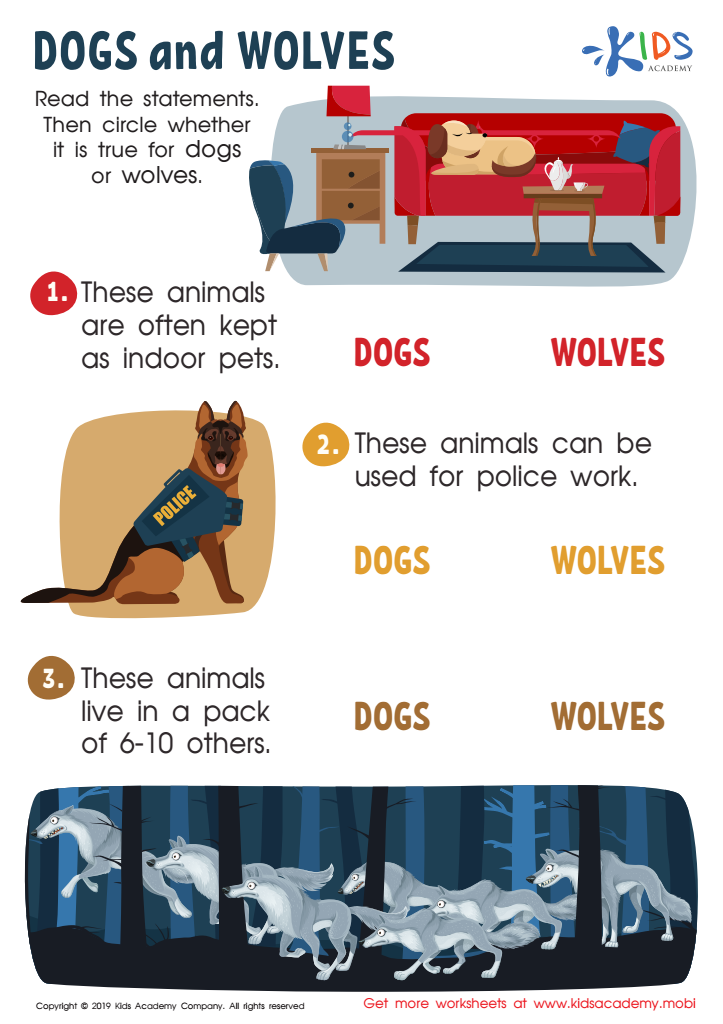
Dogs and Wolves Worksheet
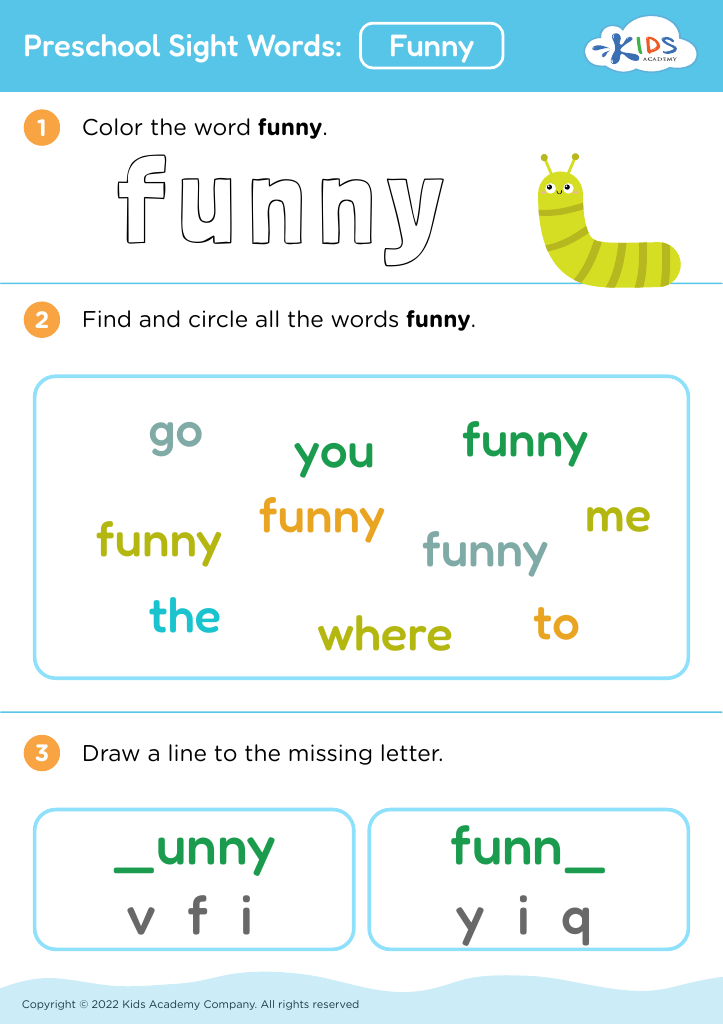








Animal identification reading for ages 5-6 is essential for several reasons, making it a worthwhile investment of time for both parents and teachers. First, it fosters early literacy skills, as children learn to recognize words and sounds associated with different animals. Identifying animals helps enhance vocabulary, promoting language development.
Moreover, animal identification cultivates curiosity about the natural world. Children are naturally fascinated by animals, and engaging with literature about them can lead to a lifelong appreciation for nature and the environment. This fosters a sense of responsibility towards animal conservation and the ecosystem from a young age.
Additionally, these reading activities support critical thinking and cognitive development. Children learn to categorize animals based on their characteristics, habitats, and behaviors, encouraging analytical skills. This lays the groundwork for scientific thinking as they grow older.
Finally, sharing animal identification stories is a bonding experience for parents and children, creating cherished moments focused on learning and discovery. By participating in animal reading activities, parents and teachers play a crucial role in nurturing inquisitive minds, fostering empathy for living creatures, and instilling a passion for learning that extends beyond animals to broader topics in science and literacy.








