Identifying shapes Reading Worksheets for Ages 5-6
7 filtered results
-
From - To
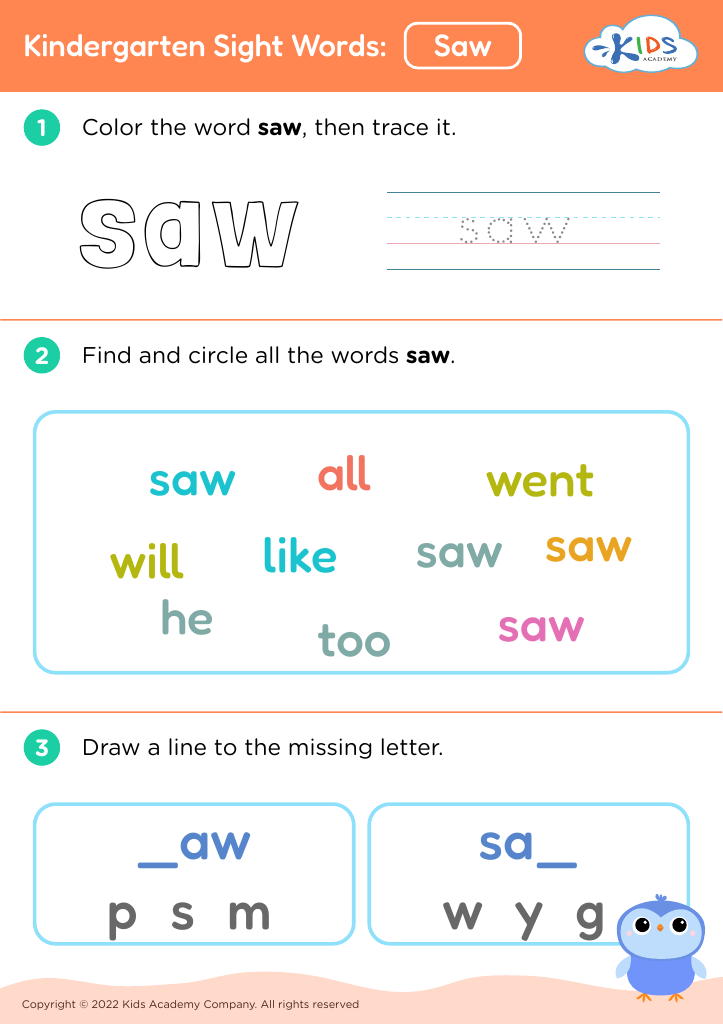
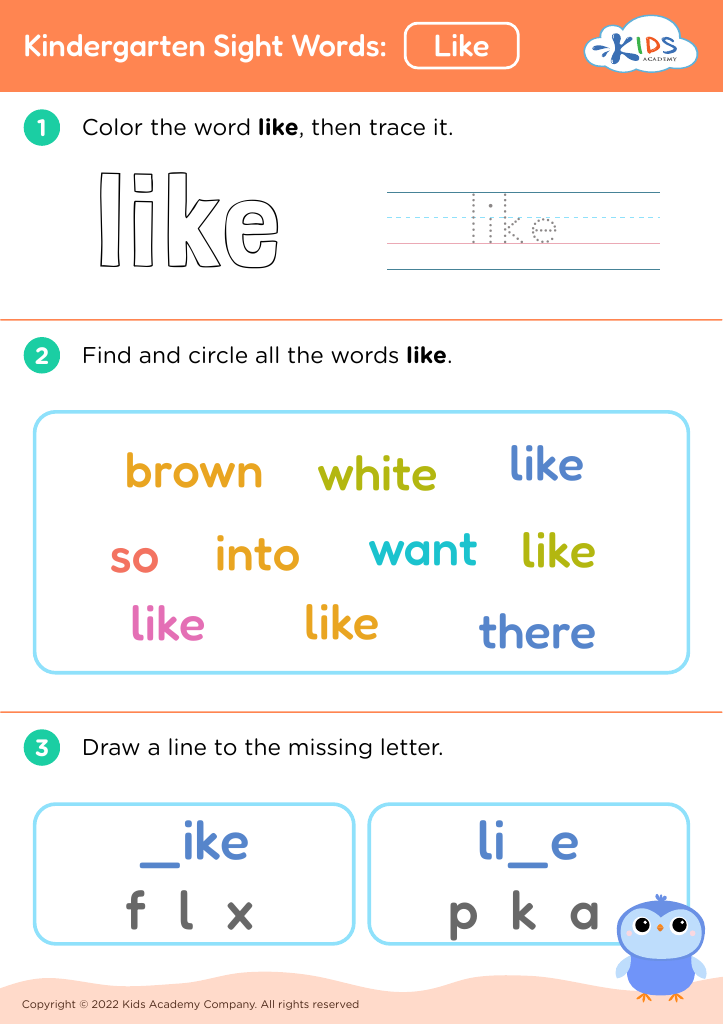
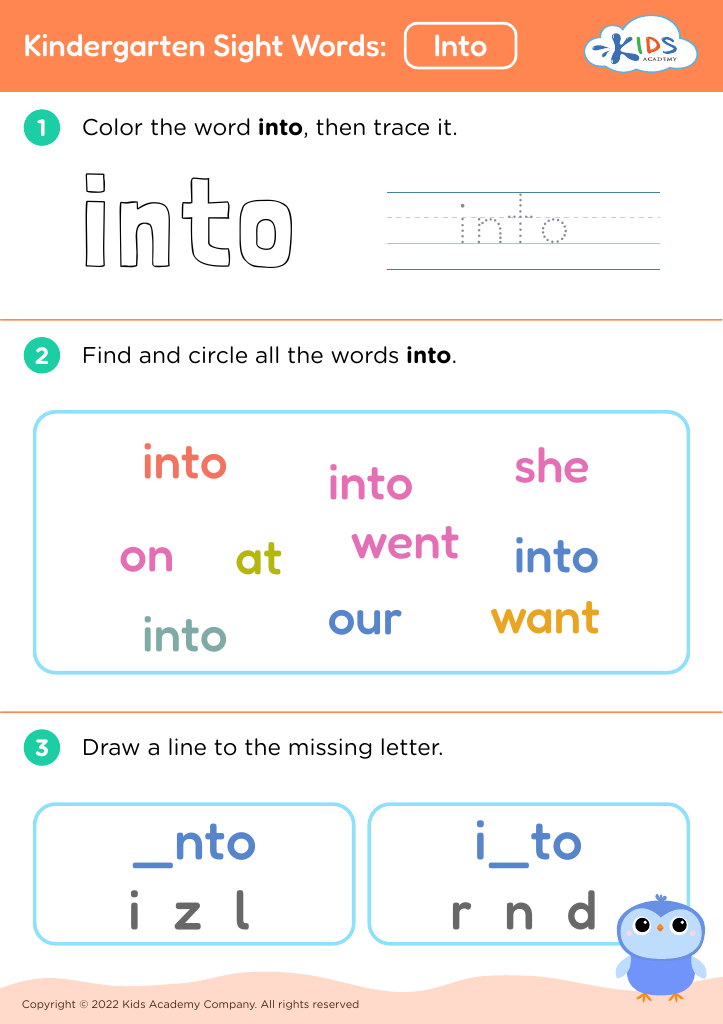
Explore our "Identifying Shapes Reading Worksheets" designed specifically for young learners aged 5-6! These engaging worksheets help children develop essential reading skills while learning to recognize and name various shapes. With colorful illustrations and simple instructions, kids can practice shape identification in a fun and interactive way. These worksheets not only enhance vocabulary but also reinforce critical thinking as children connect shapes to everyday objects. Perfect for classroom or home use, our resources support early literacy and provide a solid foundation for future learning. Download and print our worksheets today to spark creativity and shape recognition in your child's educational journey!
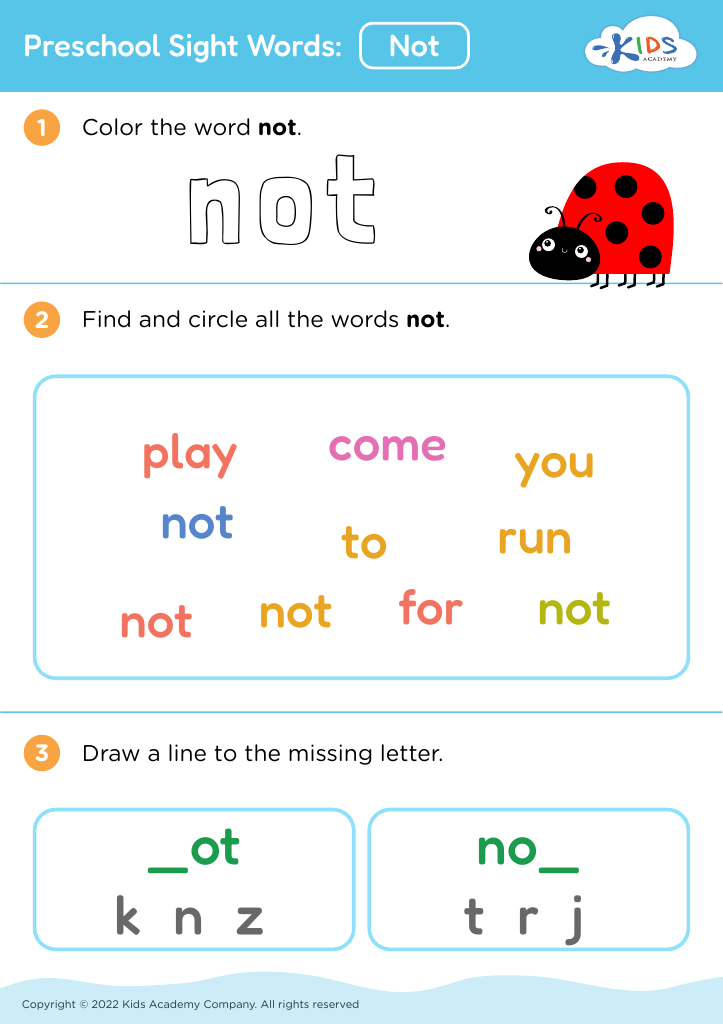
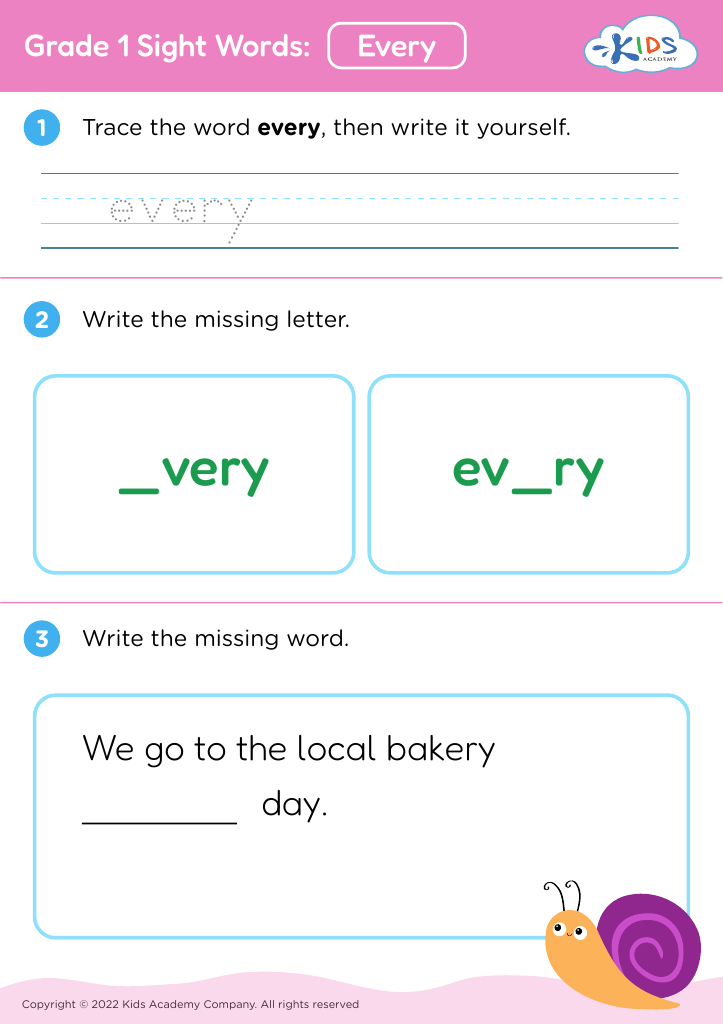
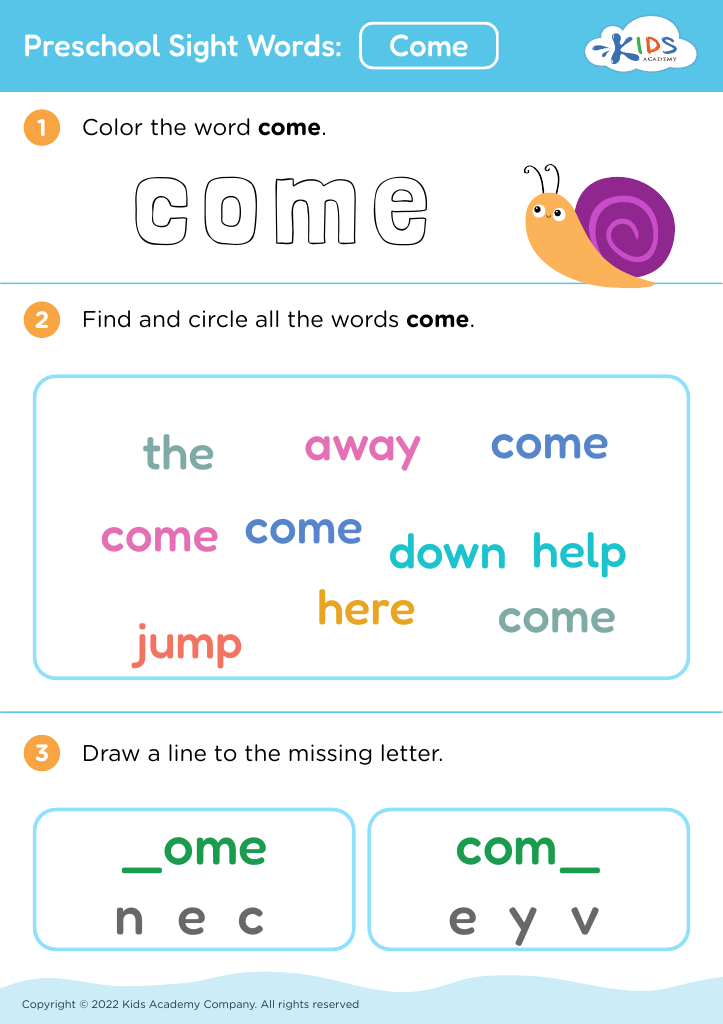
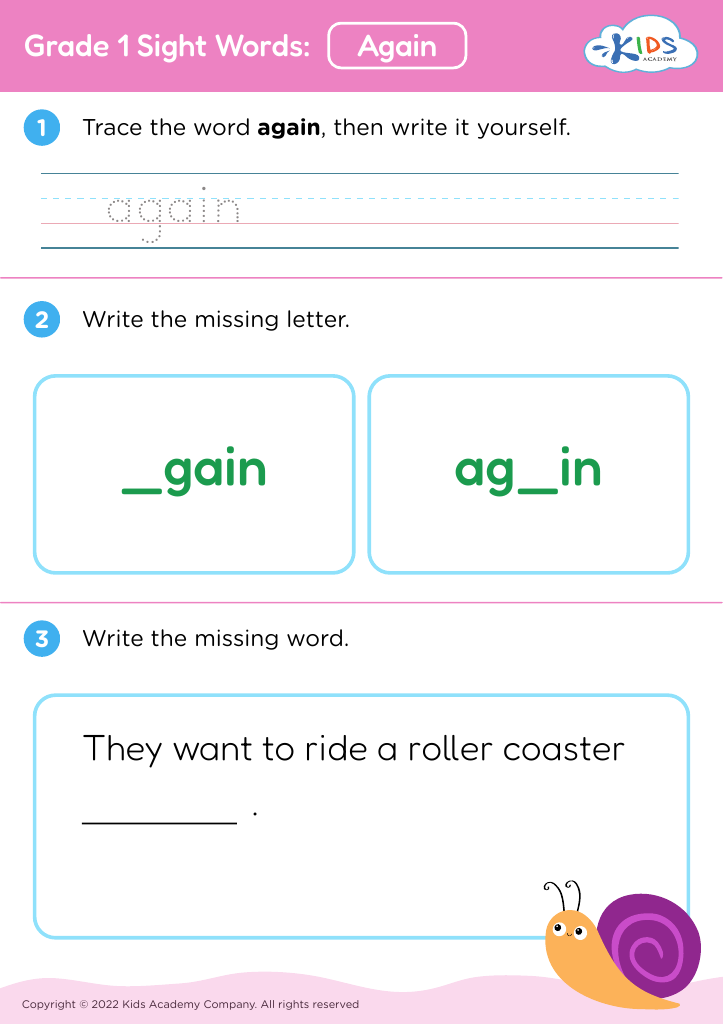




.jpg)



Identifying shapes is crucial for children aged 5-6 as it lays a strong foundation for future mathematical concepts and problem-solving skills. At this age, children are naturally curious and eager to explore the world around them. By recognizing shapes, they learn to categorize and make sense of their environment, enhancing their observational skills and spatial awareness. This foundational skill aids in developing their critical thinking abilities, which are essential for later learning in mathematics, geometry, and even art.
Furthermore, engaging with shapes helps boost vocabulary development and language skills. Discussions about shapes—such as squares, circles, and triangles—introduce new terms, encouraging language growth and communication. Parents and teachers can integrate shape identification in fun and interactive ways, making learning enjoyable.
Lastly, establishing a strong grasp of shapes contributes to a child's confidence in tackling mathematical problems in the future. Encouraging shape recognition not only fosters cognitive skills but also promotes creativity, as children use shapes to construct and imagine. By prioritizing this aspect of learning, parents and teachers can create a rich developmental environment that both challenges and delights young learners. Investing time in shape identification supports holistic growth during these crucial early learning years.








