Improve reading skills Reading Worksheets for Ages 5-6
10 filtered results
-
From - To
Enhance your child's reading skills with our engaging reading worksheets designed specifically for ages 5-6. Our collection of printable activities helps young learners develop phonemic awareness, vocabulary, and comprehension through fun, interactive tasks. Each worksheet is carefully crafted to align with their developmental needs, ensuring they grasp essential literacy concepts while enjoying the process. With colorful illustrations and diverse exercises, children will build confidence as they progress in their reading journey. Whether at home or in the classroom, our resources are perfect for fostering a love of reading and supporting skill improvement. Download and inspire your early reader today!
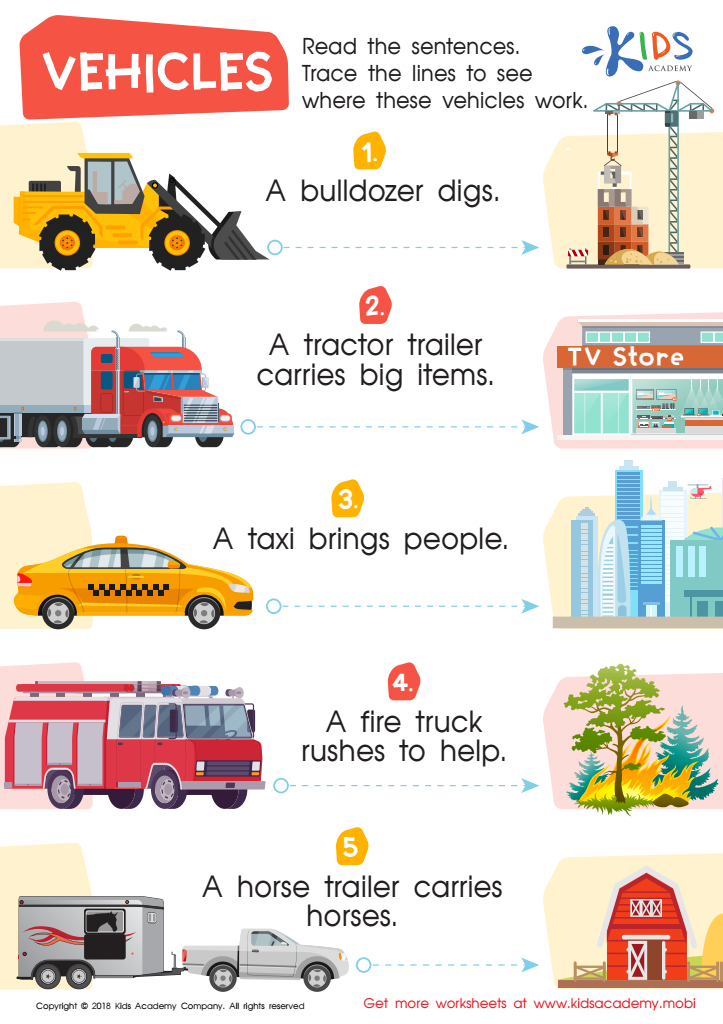
Vehicles Worksheet
 Assign to My Students
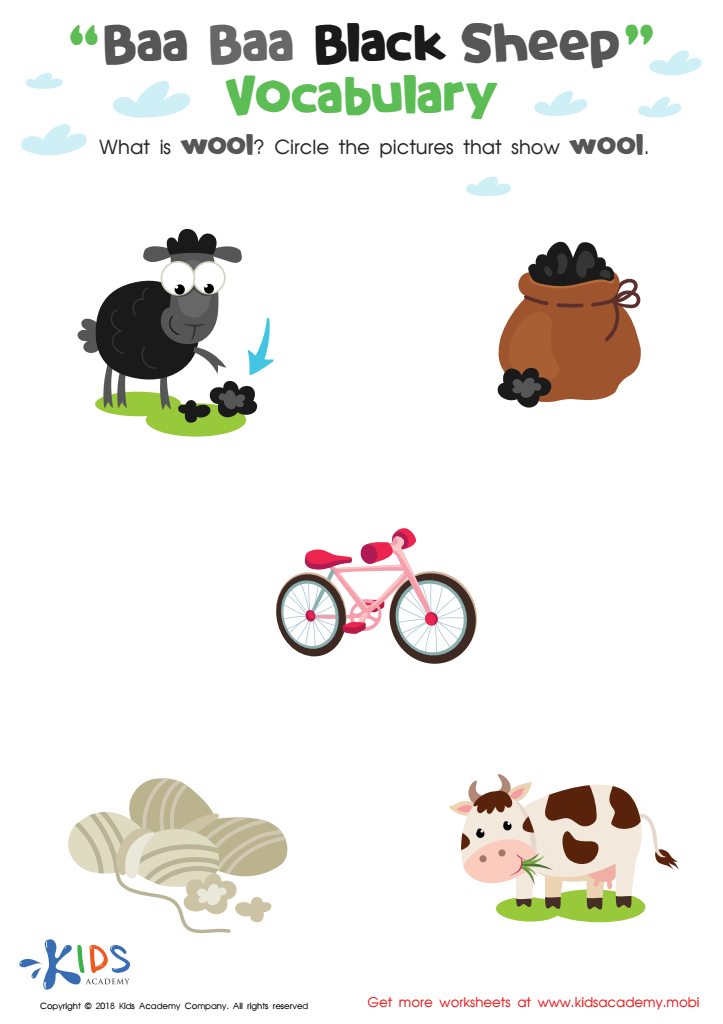
Baa Baa Black Sheep: Vocabulary Worksheet

Where Does It Happen? Worksheet
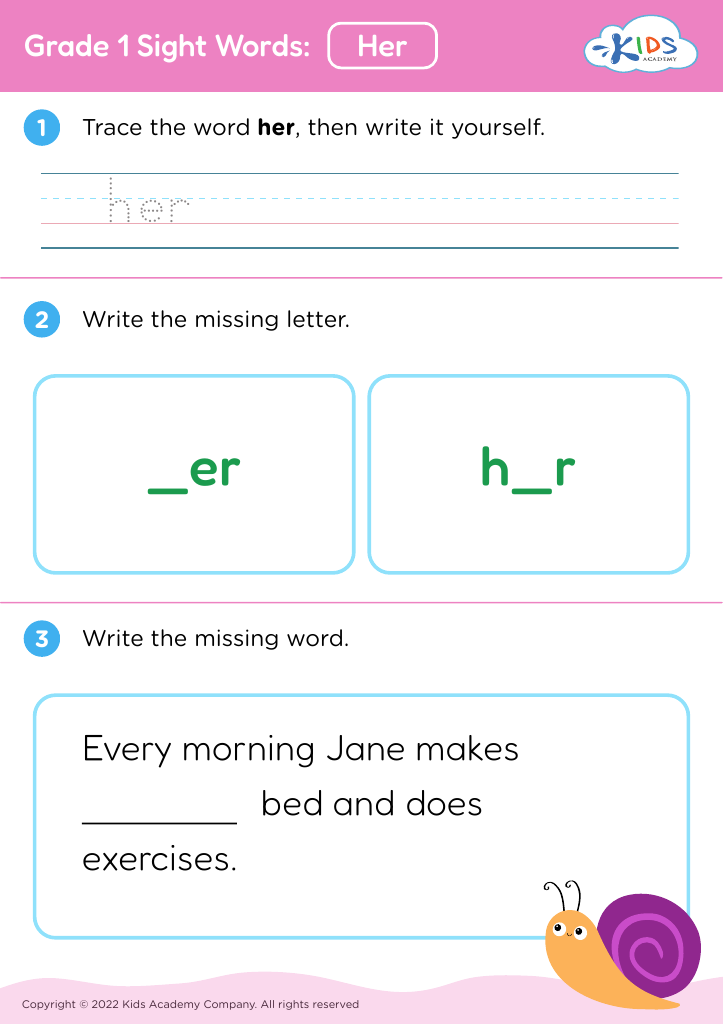
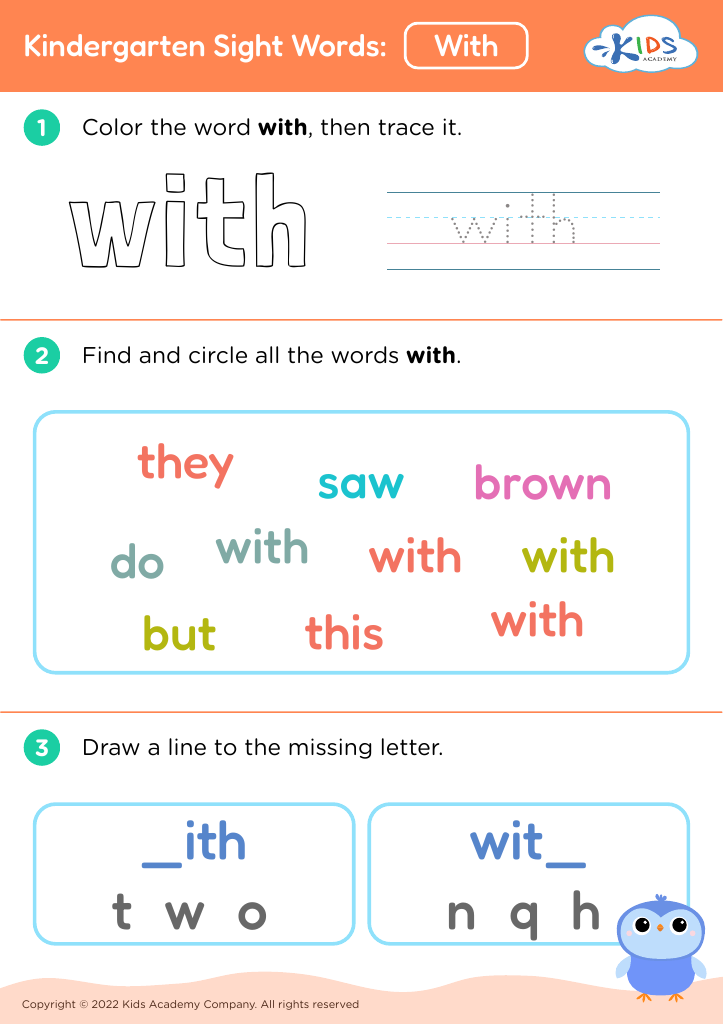
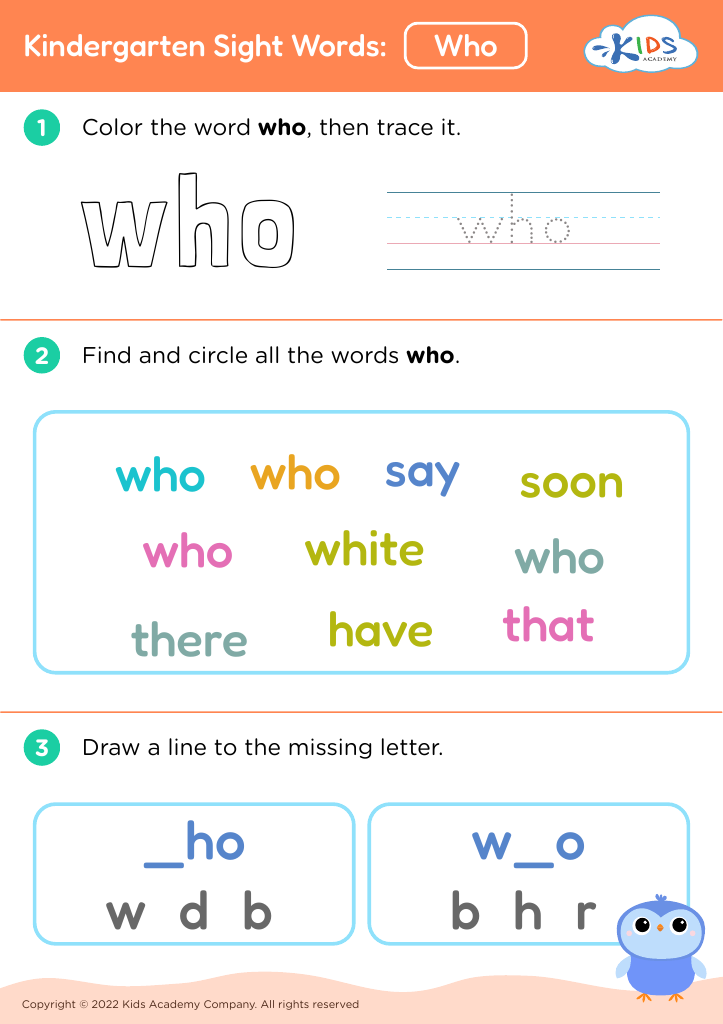
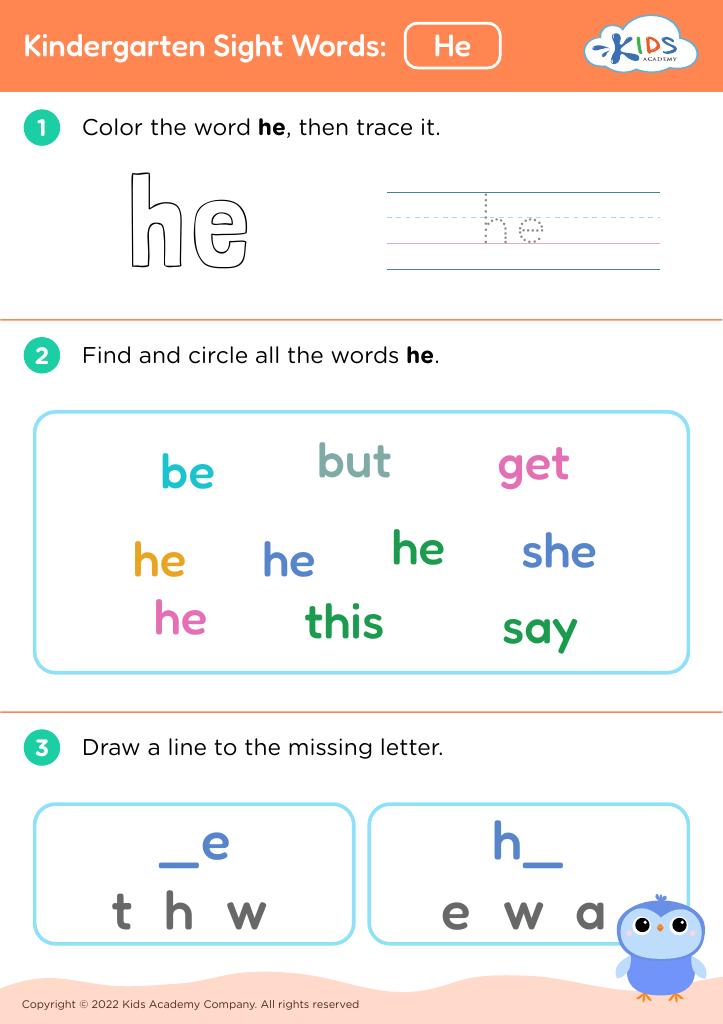
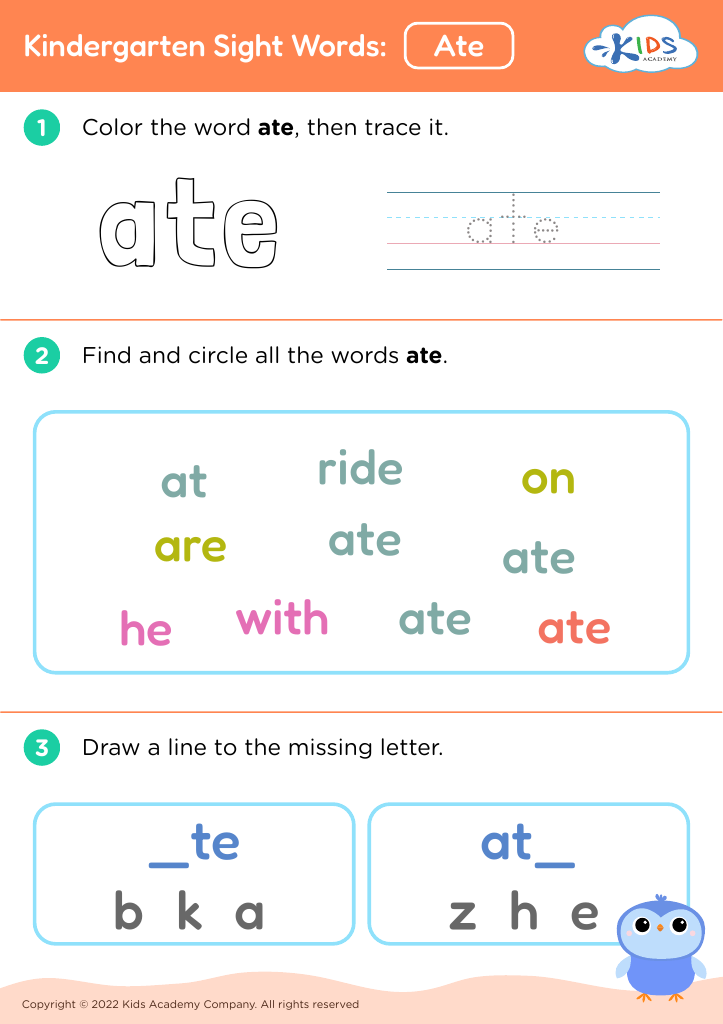
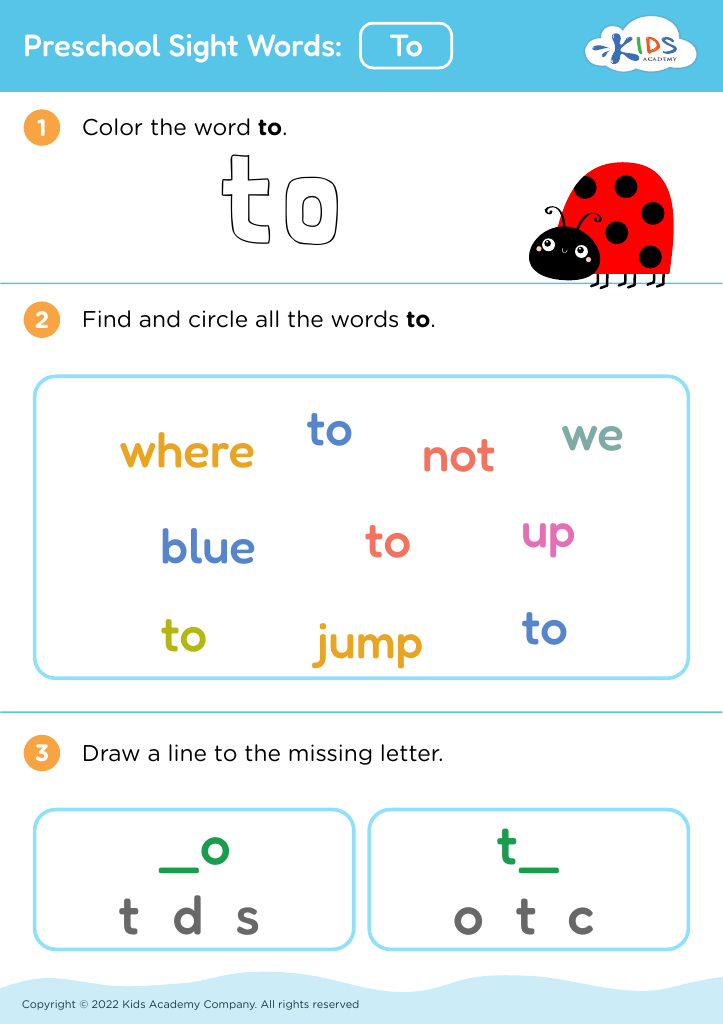
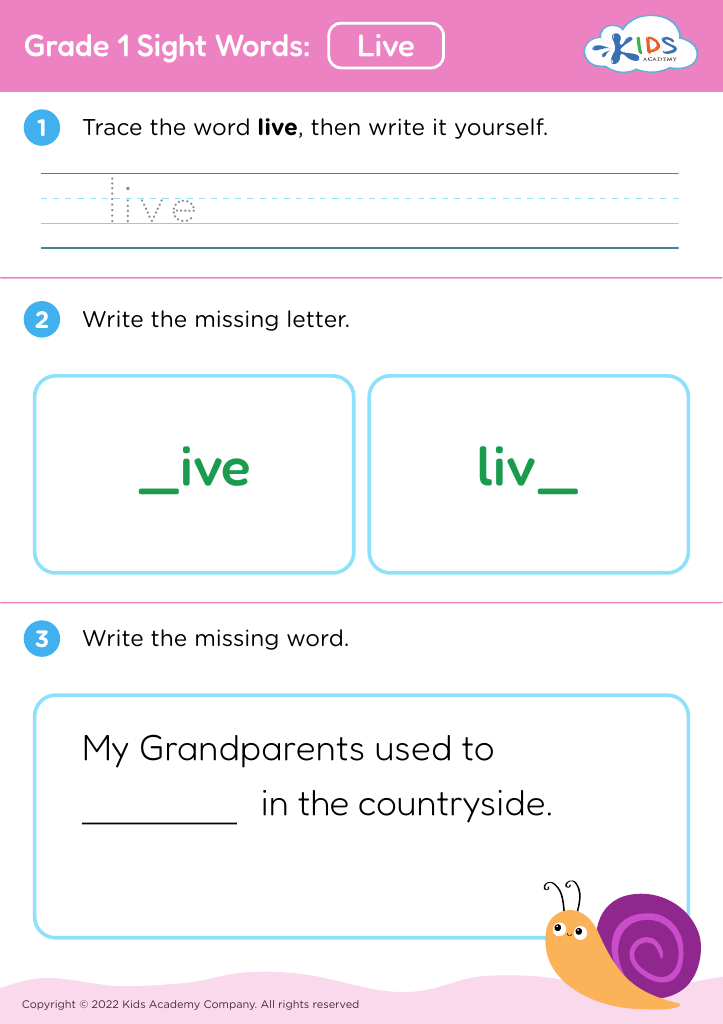








Parents and teachers should prioritize improving reading skills for children ages 5-6 because early literacy lays the foundation for lifelong learning and academic success. During these crucial years, children are developing key cognitive and language skills, making it vital to foster a love for reading. Enhanced reading abilities not only boost vocabulary and comprehension but also contribute to improved communication skills.
Research shows that strong reading skills in early education correlate with higher achievement levels in later grades. Children who read proficiently are more confident learners, leading to increased participation in classroom activities and discussions. Furthermore, reading stimulates imagination and creativity, allowing young minds to explore new ideas and perspectives.
Additionally, engaged reading experiences promote strong parent-child bonding, as sharing stories can turn into cherished moments, nurturing emotional growth and social skills. For teachers, implementing effective reading strategies can help identify children’s individual reading levels and requirements, allowing for targeted support.
Ultimately, by focusing on developing reading skills at this young age, parents and teachers are investing in a child’s future—preparing them not only for academic success but also fostering critical life skills that extend beyond the classroom.








