
Mathematical reasoning Reading Worksheets for Ages 5-6
5 filtered results
Difficulty Level
Grade
Age
-
From - To
Subject
Activity
Standards
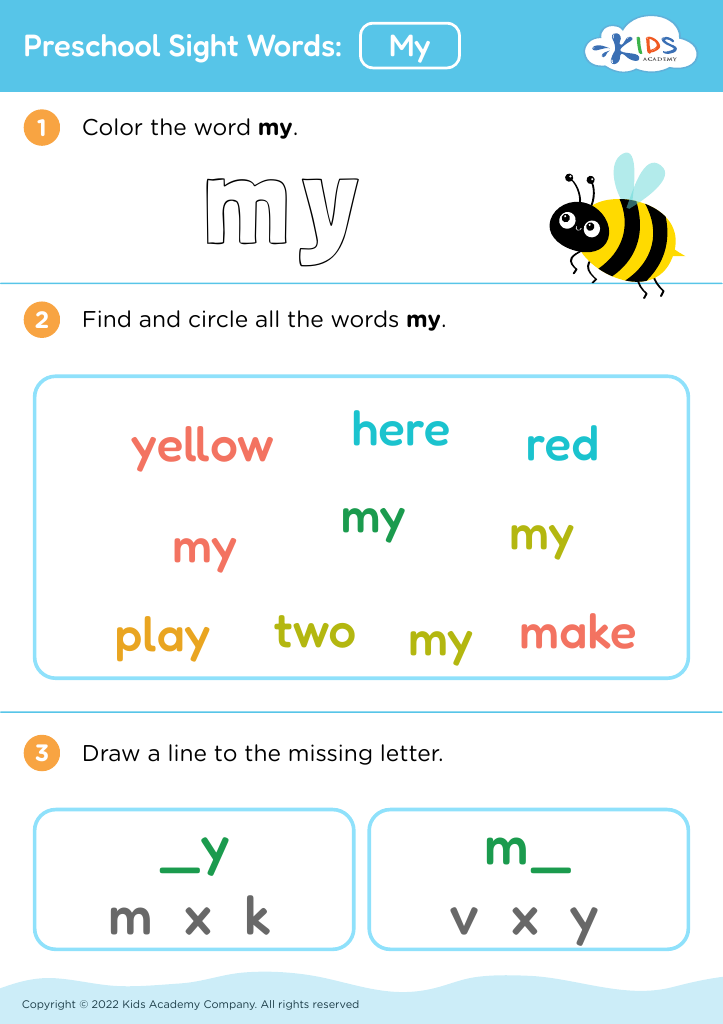
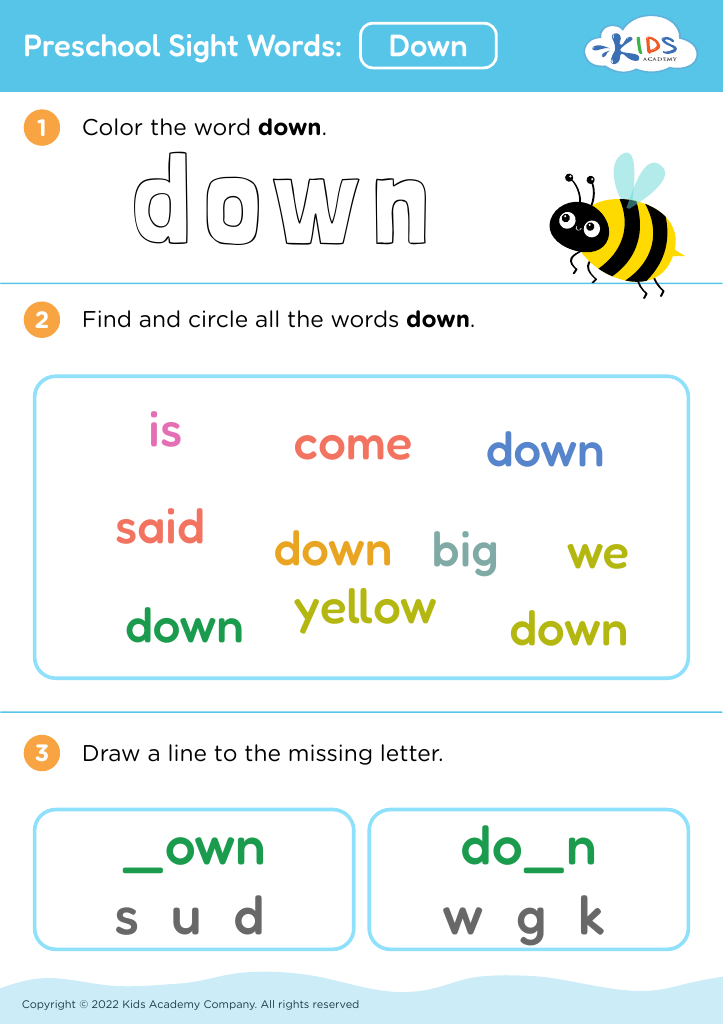
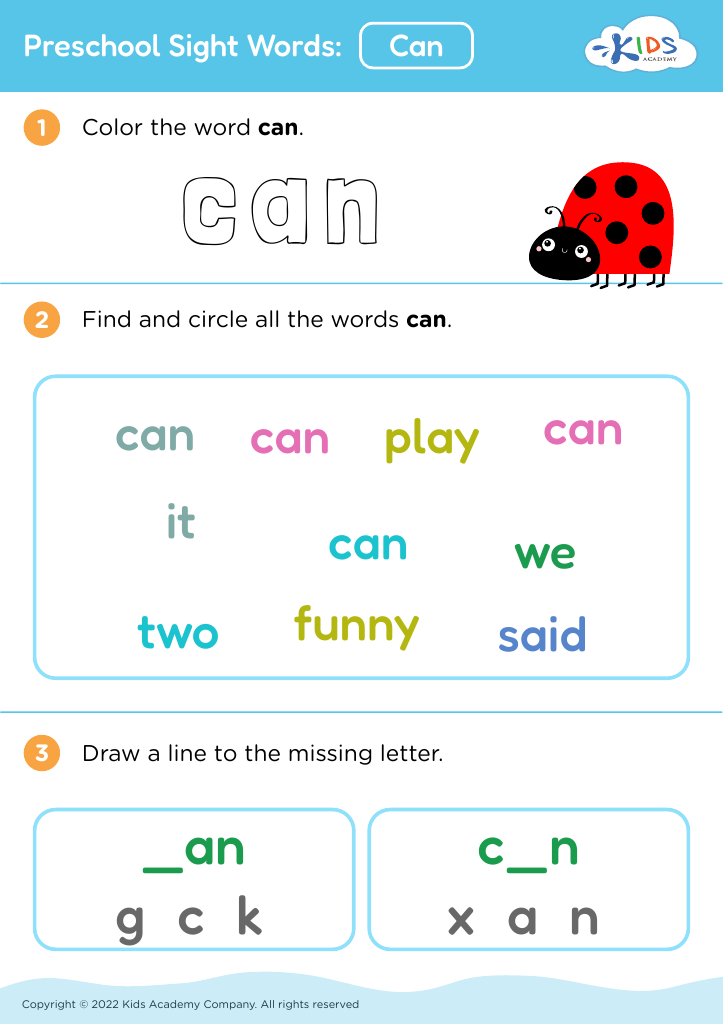
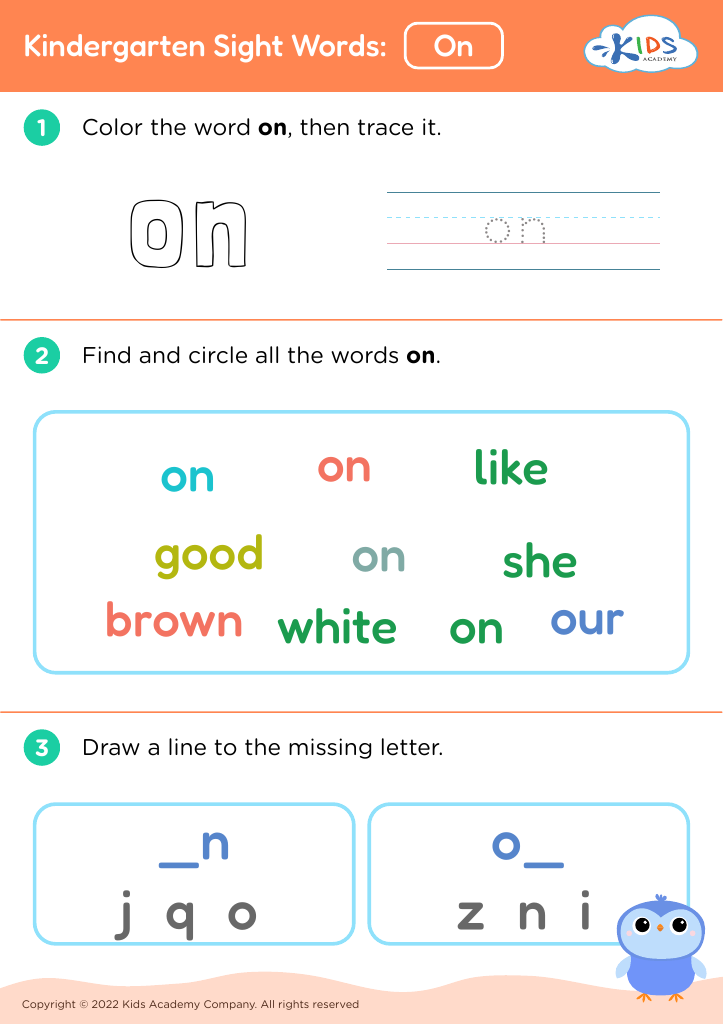
Discover our engaging Mathematical Reasoning Reading Worksheets designed specifically for children ages 5-6. These resources help young learners develop critical thinking and problem-solving skills through fun, interactive activities. Each worksheet combines reading comprehension with mathematical challenges, making learning delightful and effective. Perfectly tailored for early grade students, these resources promote foundational math concepts and vocabulary, while stimulating logical thinking. Enhance your child’s education with our expertly created worksheets, and watch their confidence soar as they grasp new ideas and improve academically. Make learning a joyous adventure with our unique Mathematical Reasoning Reading Worksheets!
Favorites
With answer key
Interactive
Join Kids Academy for Free
Who is primarily going to use this learning content?








Parents and teachers should prioritize mathematical reasoning reading for ages 5-6 because it lays a critical foundation for future learning and cognitive development. At this age, children's brains are especially receptive to new concepts, and integrating mathematical reasoning early can foster strong problem-solving skills and logical thinking.
Introducing mathematical reasoning helps children understand the "why" behind numbers and patterns, promoting deeper comprehension. It isn't just about memorizing numbers or doing arithmetic; it's about nurturing an ability to think clearly, analyze problems, and understand relationships. These skills are not only vital for mathematics but are also transferable across other subjects and everyday situations.
Reading stories and books that incorporate mathematical reasoning can make learning these concepts engaging and relatable. Through fun narratives, children can see how math applies to the world around them, making it less intimidating and more approachable. This method of learning also helps align abstract concepts with concrete examples, aiding in better retention.
Moreover, developing these skills early can boost a child's confidence and interest in math, reducing anxiety and fostering a positive attitude towards the subject. This proactive approach can lead to academic success across all areas, as strong mathematical reasoning forms the backbone of logical thinking and analytical skills necessary for lifelong learning.








