Practice subtraction Reading Worksheets for Ages 5-6
3 filtered results
-
From - To
Introduce your young learners to the exciting world of subtraction with our engaging reading worksheets designed specifically for ages 5-6! These thoughtfully crafted resources help children develop essential math skills while enhancing their reading comprehension. Through fun illustrations and simple language, our worksheets guide kids in understanding basic subtraction concepts, fostering a love for learning. With interactive exercises and enjoyable activities, your little ones will practice subtraction in a way that feels like play. Perfect for home or classroom use, these printable worksheets are an easy way to support early math skills and encourage confident learners. Start exploring subtraction today!
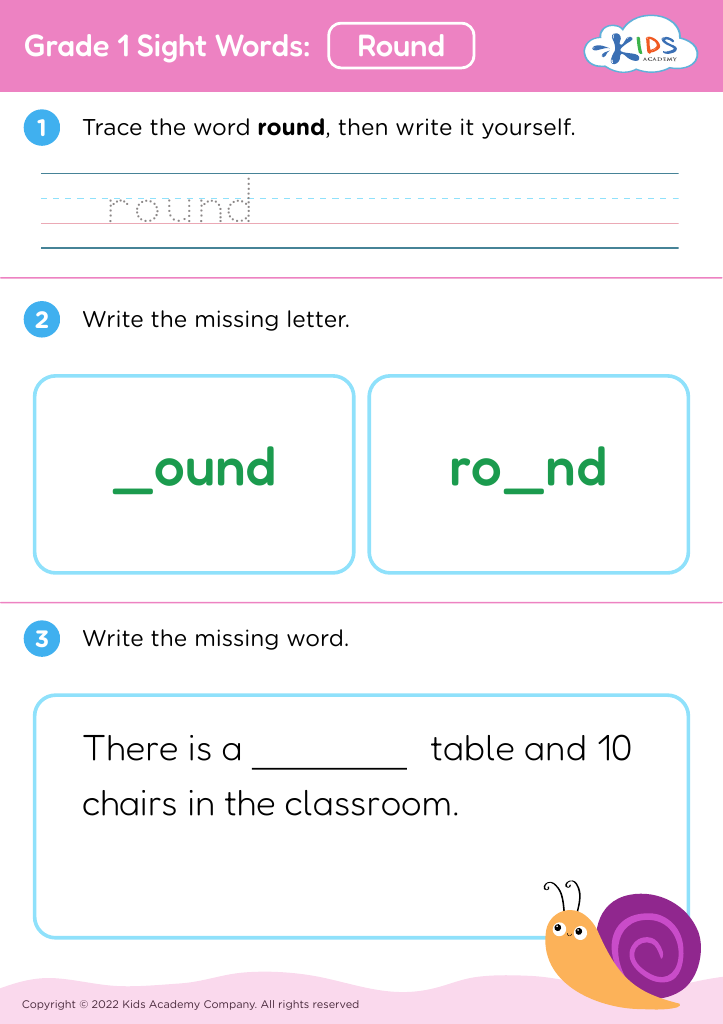
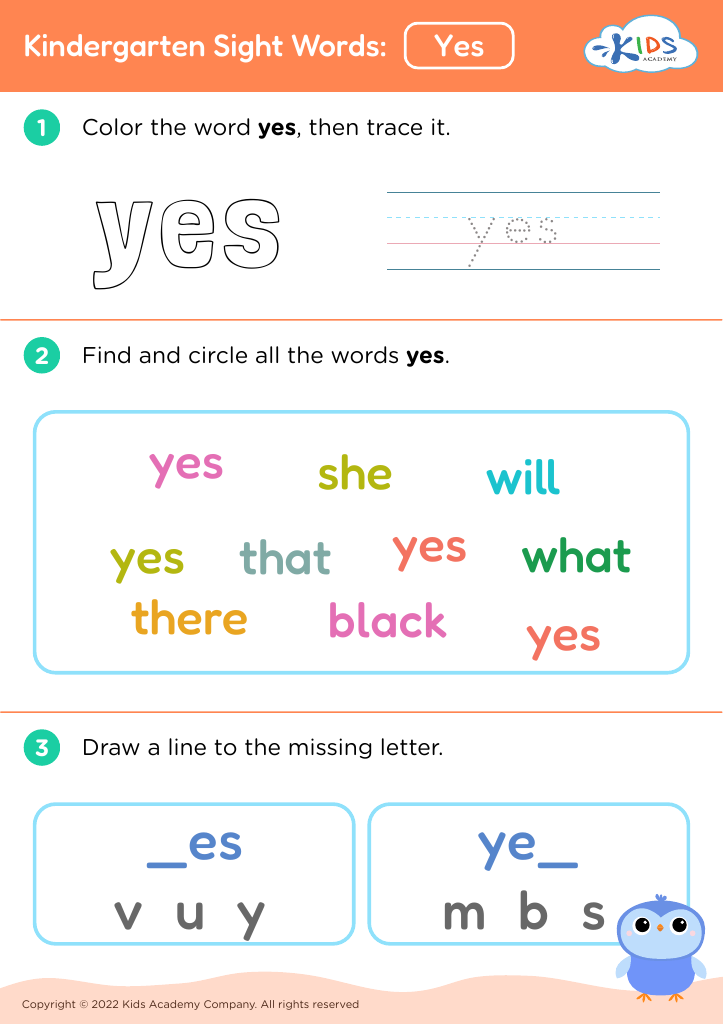
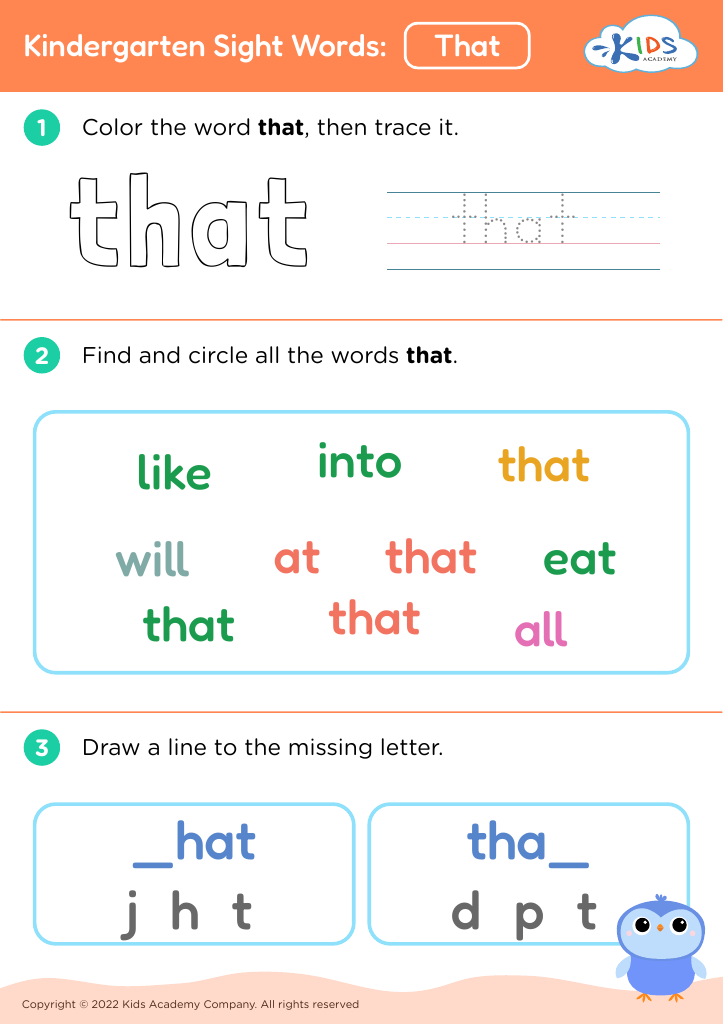








Practice subtraction reading for children ages 5-6 is essential because it lays a crucial foundation for early math skills. At this age, children are beginning to understand basic mathematical concepts, and subtraction is one of the core areas that helps them develop numeracy skills. Engaging in subtraction-related reading activities enhances not just mathematical understanding but also literacy skills.
When parents or teachers incorporate stories and activities that include subtraction, they help children visualize the concept. For instance, using storybooks with relatable characters that encounter problems solvable through subtraction fosters both comprehension and application. This approach makes learning fun, connecting math to real-life situations, and encourages critical thinking.
Moreover, the repetitive practice of subtraction in various contexts helps reinforce memory retention and boosts confidence in young learners. Early mastery of subtraction not only supports future math success but also helps develop problem-solving skills essential for academic growth.
Finally, involving parents in this practice promotes engagement in their child's learning process and ensures a supportive environment for education. Establishing a strong arithmetic base at a young age is vital for navigating more complex mathematical concepts later on. This holistic approach enriches their overall intellectual development.








