Subtraction practice Reading Worksheets for Ages 5-6
4 filtered results
-
From - To
Our Subtraction Practice Reading Worksheets for ages 5-6 are designed to make learning subtraction fun and interactive. Each worksheet integrates basic subtraction problems with engaging reading exercises to support developing literacy and math skills concurrently. Eye-catching illustrations and simple, relatable scenarios captivate young minds and promote comprehension. Perfect for classroom use or homeschooling, these worksheets offer a balanced mix of educational challenge and enjoyment. Tailored to meet early learning standards, they help solidify foundational math concepts while enhancing reading abilities, ensuring a well-rounded start to your child's academic journey. Download, print, and watch their confidence grow!
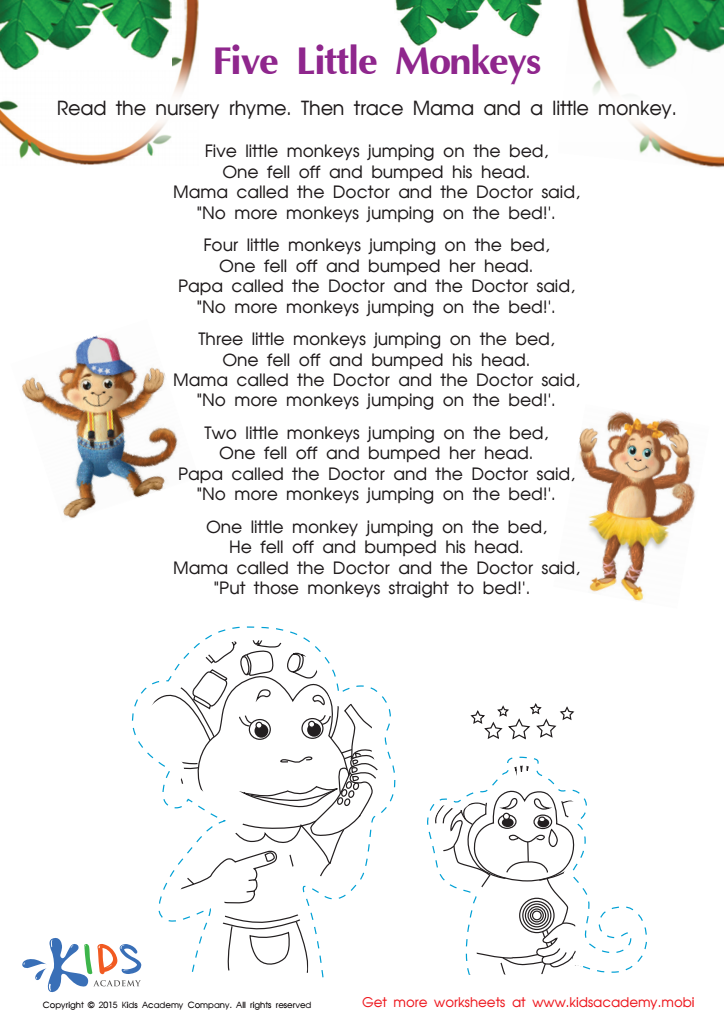
The Five Little Monkeys Nursery Rhyme Worksheet
 Assign to My Students
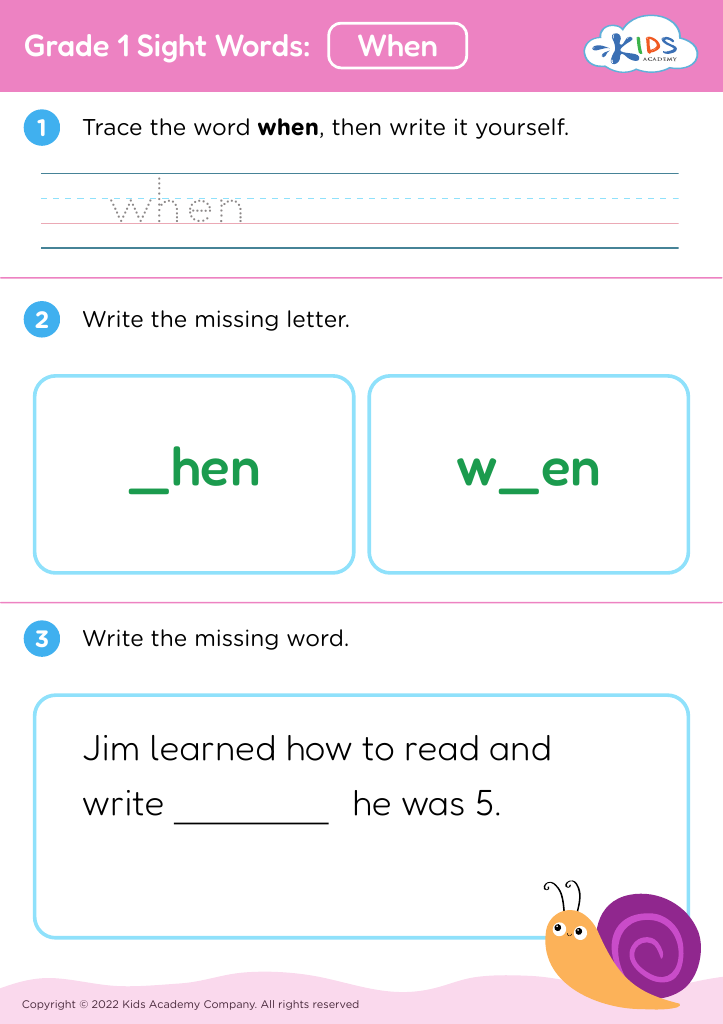
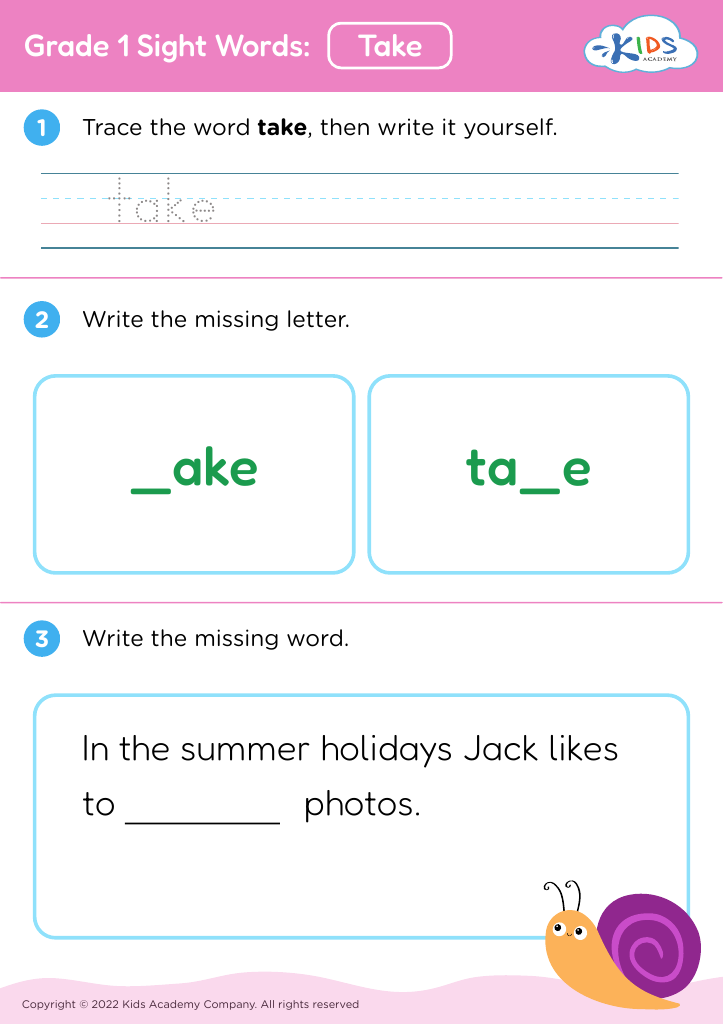
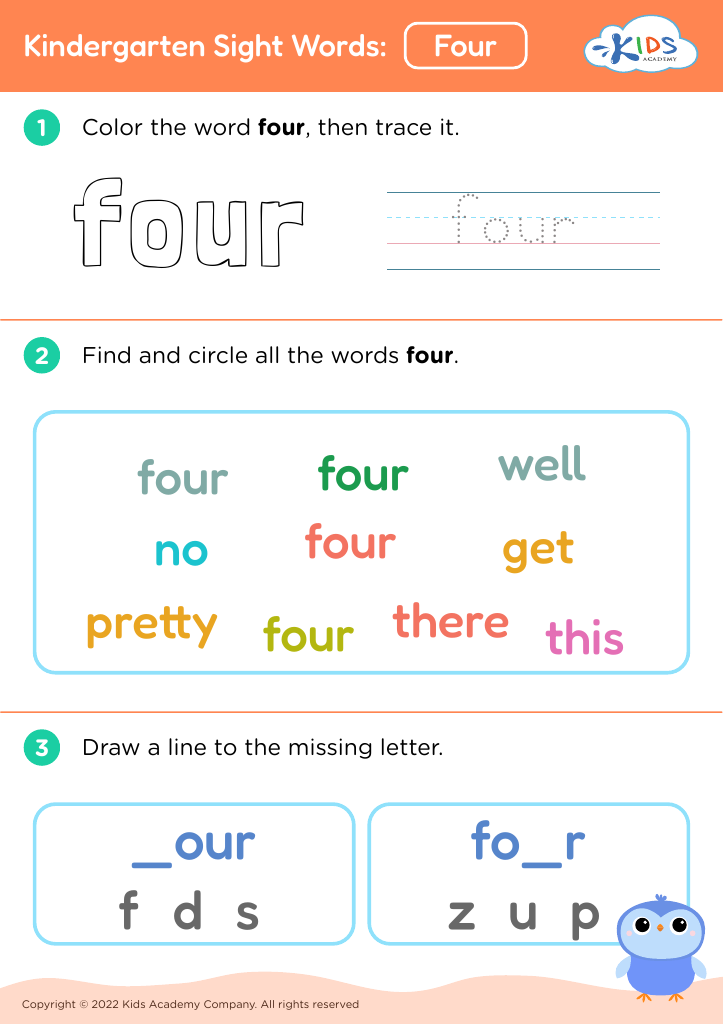








Subtraction practice and reading for ages 5-6 are fundamental for laying a strong educational foundation. During these formative years, children are developing crucial cognitive skills that will support their future learning. Subtraction practice helps young learners grasp basic mathematical concepts, enhancing their problem-solving abilities and logical thinking. It also aids in the development of number sense, an essential skill for more advanced math topics they will encounter later.
Reading, on the other hand, enriches a child's vocabulary, comprehension, and listening skills. Exposure to books and stories fuels their imagination and introduces them to new ideas and concepts, fostering a lifelong love for learning. For children aged 5-6, reading helps improve attention span and memory, as they learn to follow narratives and retain information.
Combining subtraction practice with reading activities creates a well-rounded approach to early education. Integrating stories that incorporate math problems or using visual aids that link words with numbers can make learning more engaging. Parents and teachers who prioritize these activities are not only preparing children for academic success but also nurturing essential life skills such as critical thinking, perseverance, and curiosity. This investment in early childhood education supports overall development and establishes a solid groundwork for future achievements.








