Critical thinking development Reading Fiction Worksheets for Ages 5-6
3 filtered results
-
From - To
Discover our engaging "Critical Thinking Development Reading Fiction Worksheets" designed specifically for children aged 5-6! These thoughtfully crafted worksheets encourage young readers to explore narratives, make connections, and formulate their thoughts while enjoying beloved stories. Each activity promotes comprehension skills, creativity, and analytical thinking, making learning fun and interactive. Your child will enhance their ability to question, reason, and evaluate different aspects of the fiction they read. Ideal for home or classroom use, these worksheets are perfect for nurturing confident, independent thinkers. Help your little ones embark on a journey of discovery and imagination while fostering essential critical thinking abilities!
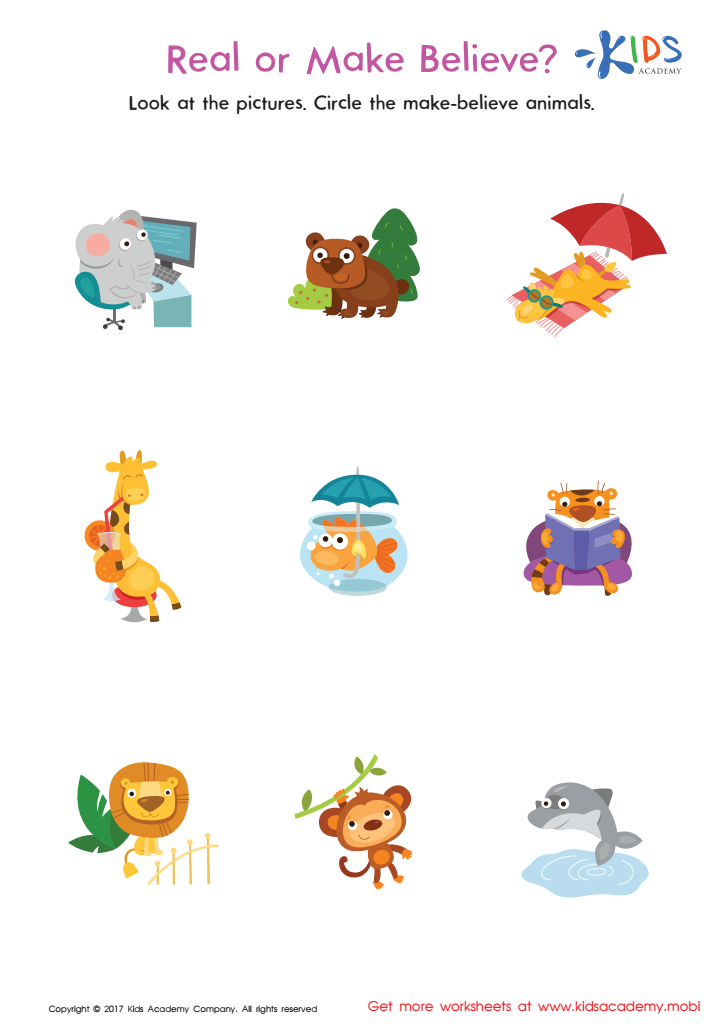
Fact or Make Believe Worksheet
 Assign to My Students
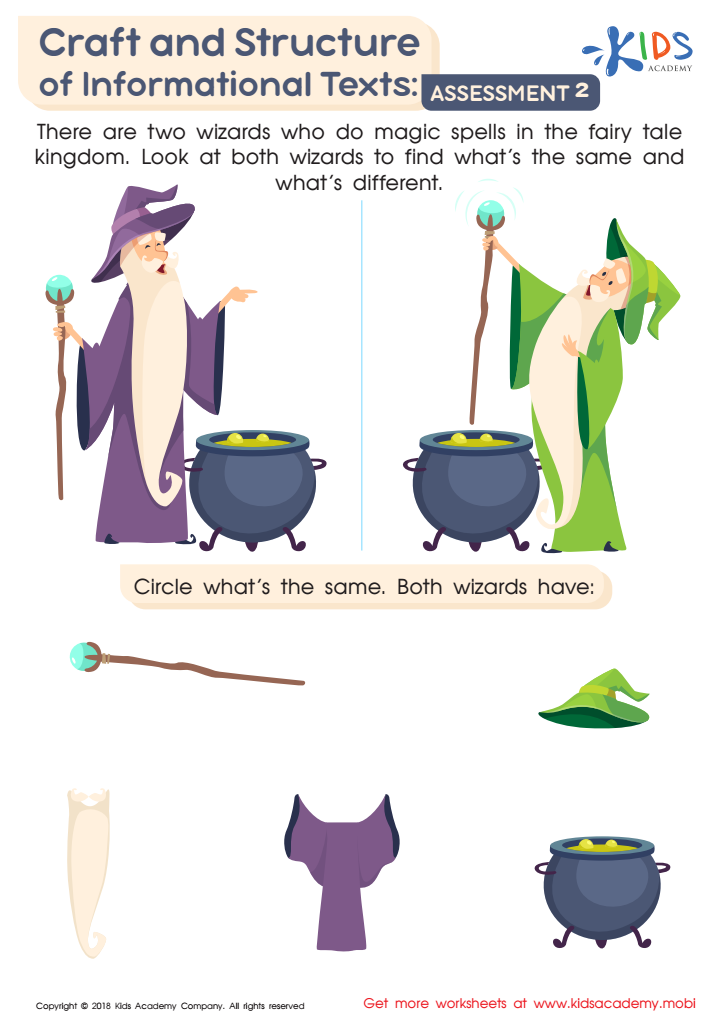
Craft and Structure of Informational Texts: Assessment 2 Worksheet
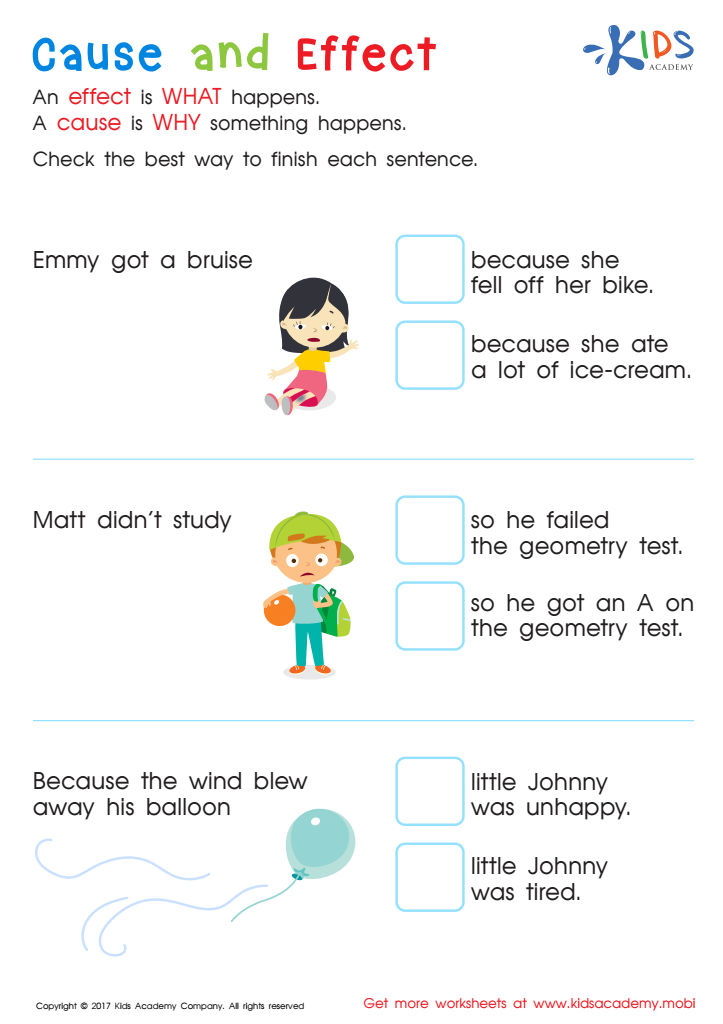
Cause and Effect Worksheet








Parents and teachers should care about developing critical thinking skills through the reading of fiction for children ages 5-6 because it plays a fundamental role in cognitive development. At this age, children's brains are highly plastic and capable of absorbing new concepts, making it an ideal time to foster analytical skills. Reading fiction not only engages children's imagination but also encourages them to connect ideas, consider different perspectives, and understand complex narratives.
Fictional stories often present moral dilemmas and character motivations, prompting children to question and evaluate actions and consequences. This practice enhances their ability to think critically, articulate thoughts, and engage in discussions. Furthermore, dealing with characters and events in stories encourages empathy, as children learn to relate to others' feelings and experiences.
Moreover, critical thinking nurtured through fiction reading lays the groundwork for problem-solving skills that are essential in everyday life and future academic success. In a world where information is abundant, the ability to analyze and discern is increasingly important. Engaging young children in discussions about stories and asking open-ended questions can delightfully influence their thinking patterns, making reading not just a leisure activity but a vital educational tool. Thus, encouraging fiction reading is invaluable for holistic development.








