Addition Practice Sight Words Worksheets for Ages 5-6
5 filtered results
Difficulty Level
Grade
Age
-
From - To
Subject
Activity
Standards
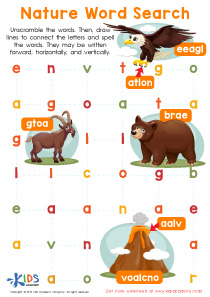
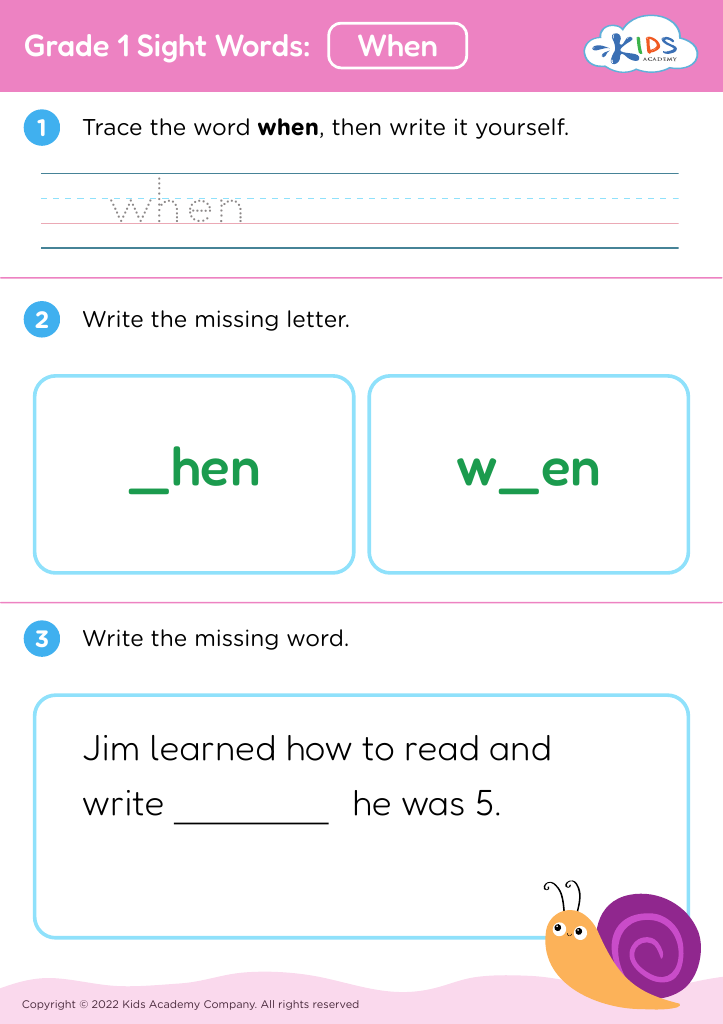
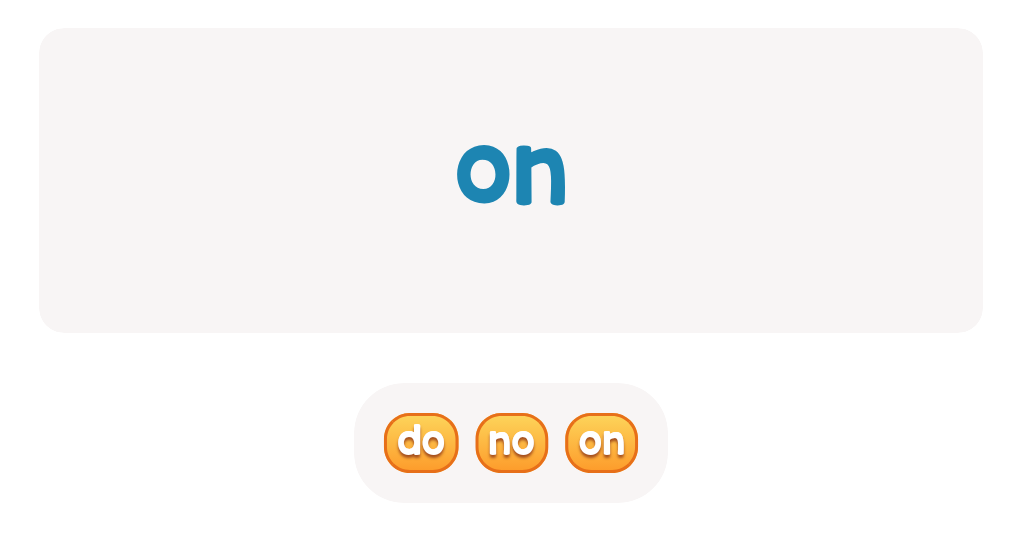
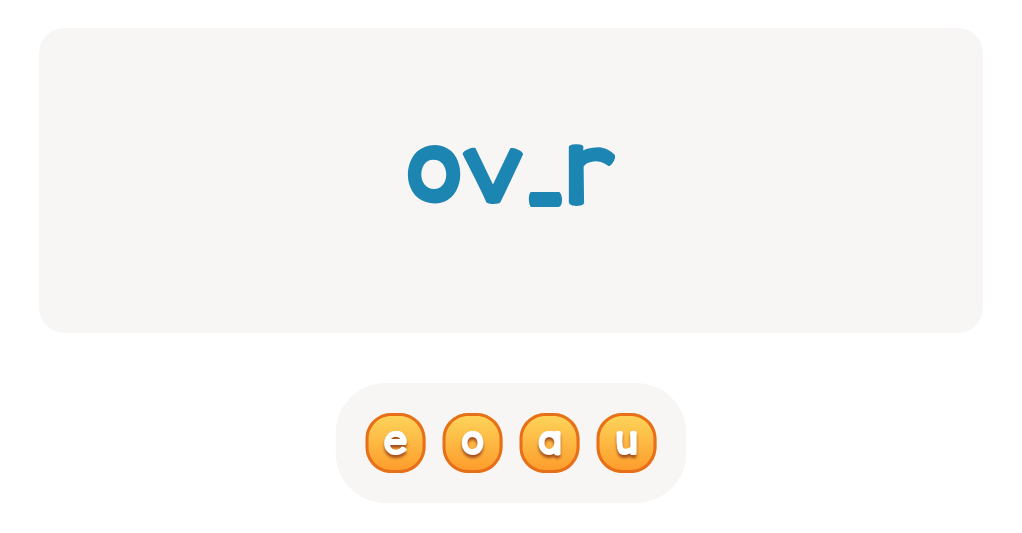
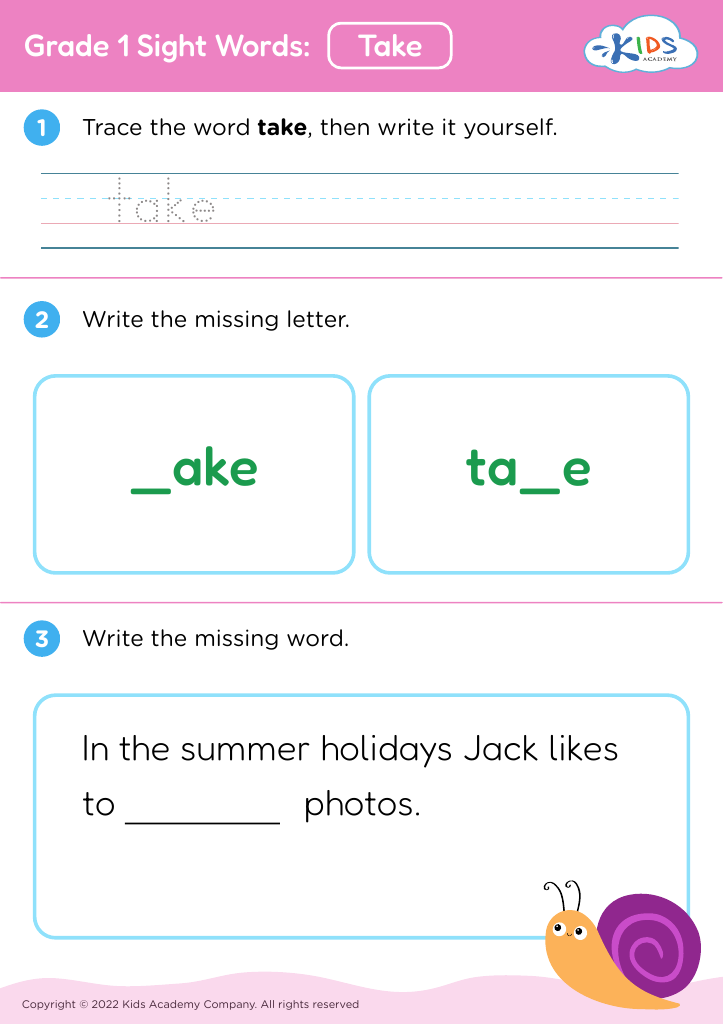
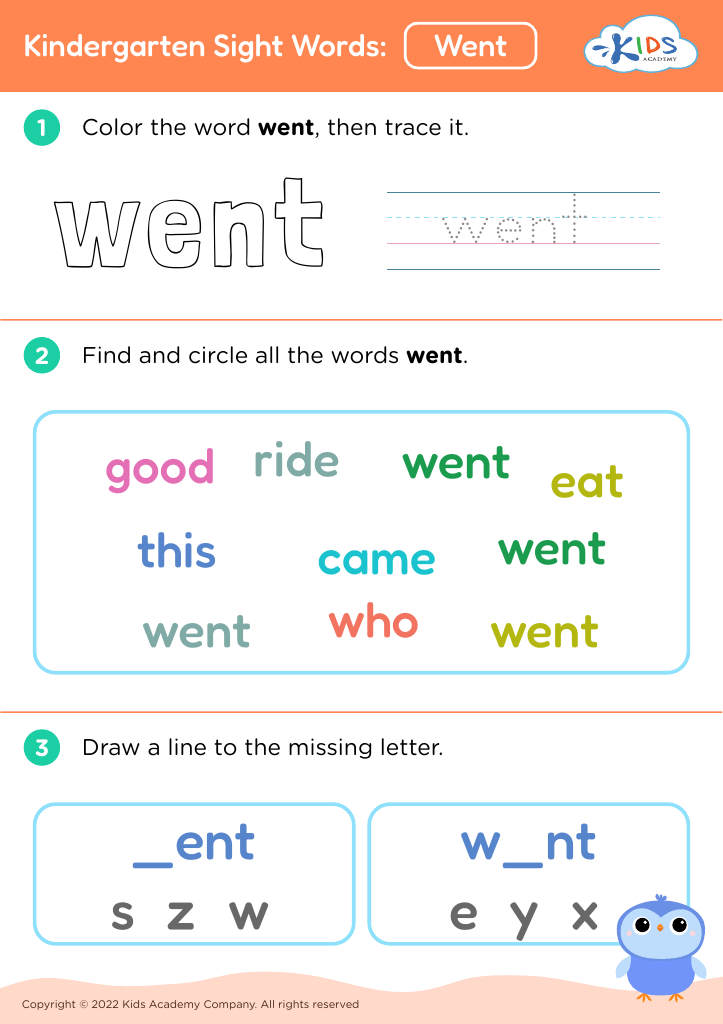
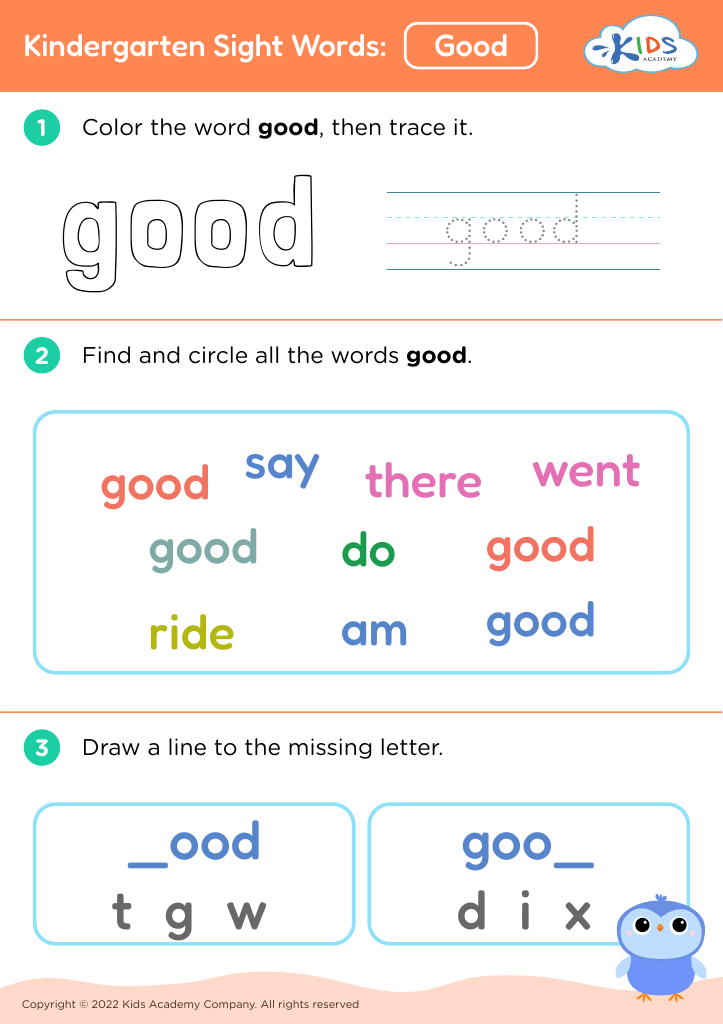
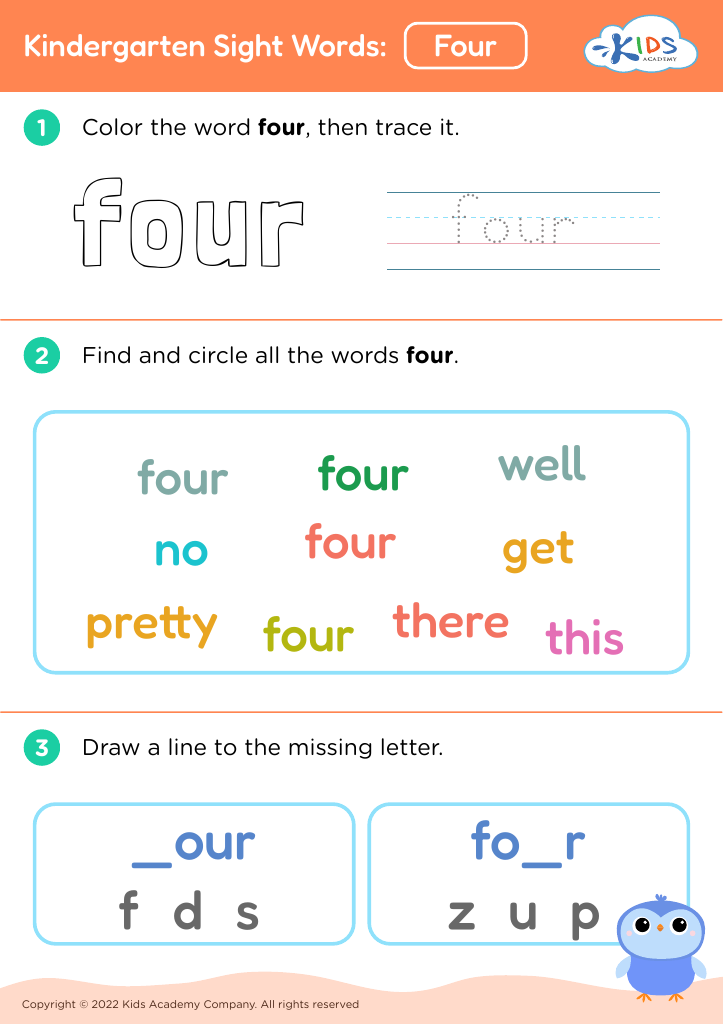
Engage your 5- to 6-year-olds with our Addition Practice Sight Words Worksheets! Designed to enhance early math skills while promoting reading, these worksheets combine sight words with basic addition problems. Children will learn essential sight words as they solve fun math equations, nurturing both literacy and numeracy. With colorful illustrations and age-appropriate exercises, kids will enjoy the hands-on practice that reinforces their learning. Perfect for teachers and parents, these worksheets cater to diverse learning styles and provide the perfect tool to build confidence. Explore our resources to make math and reading enjoyable for your little learners today!
Favorites
With answer key
Interactive





Join Kids Academy for Free
Who is primarily going to use this learning content?








Addition practice and sight words are essential for children aged 5-6 as they lay the foundational skills necessary for future learning. During early childhood, children develop critical cognitive abilities that support not only reading and math but also overall academic success. Practicing addition helps them understand basic math concepts, improving their number sense and problem-solving skills. It encourages logical thinking, boosts confidence in handling math tasks, and prepares them for more complex mathematical operations in later grades.
Sight words, on the other hand, are commonly used words that young readers need to recognize instantly to improve their reading fluency. Mastery of sight words enhances comprehension, allowing children to focus on understanding the text rather than decoding every single word. As these skills intertwine, students ultimately become more confident learners.
By prioritizing addition practice and sight word recognition, parents and teachers provide children with the tools they need to excel in academics and develop a lifelong love for learning. Engaging activities can make these practices enjoyable, fostering a positive attitude toward education. Investment in these foundational skills not only benefits children during their early years but also sets the stage for ongoing learning and achievement in school and beyond.