Visual recognition Community Worksheets for Ages 5-6
3 filtered results
-
From - To
Welcome to our Visual Recognition Community Worksheets designed for ages 5-6! This engaging collection of printable worksheets focuses on helping young learners develop essential visual recognition skills through fun activities related to their community. Children will explore various aspects of their environment, identifying shapes, colors, and familiar community symbols that enhance their observational skills. Each worksheet encourages creativity and critical thinking, making learning enjoyable and interactive. Ideal for classrooms or homeschooling, these resources support early childhood education by promoting cognitive development in a playful and stimulating way. Discover the joy of learning about your community with our thoughtfully crafted worksheets!
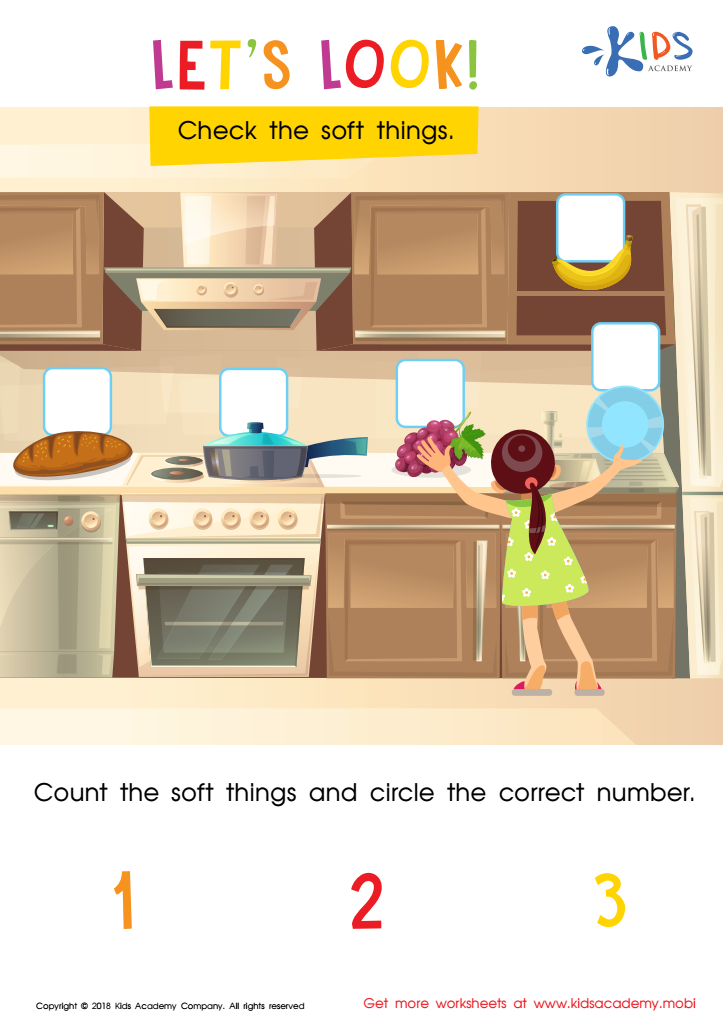
Let's Look! Assessment Worksheet
 Assign to My Students
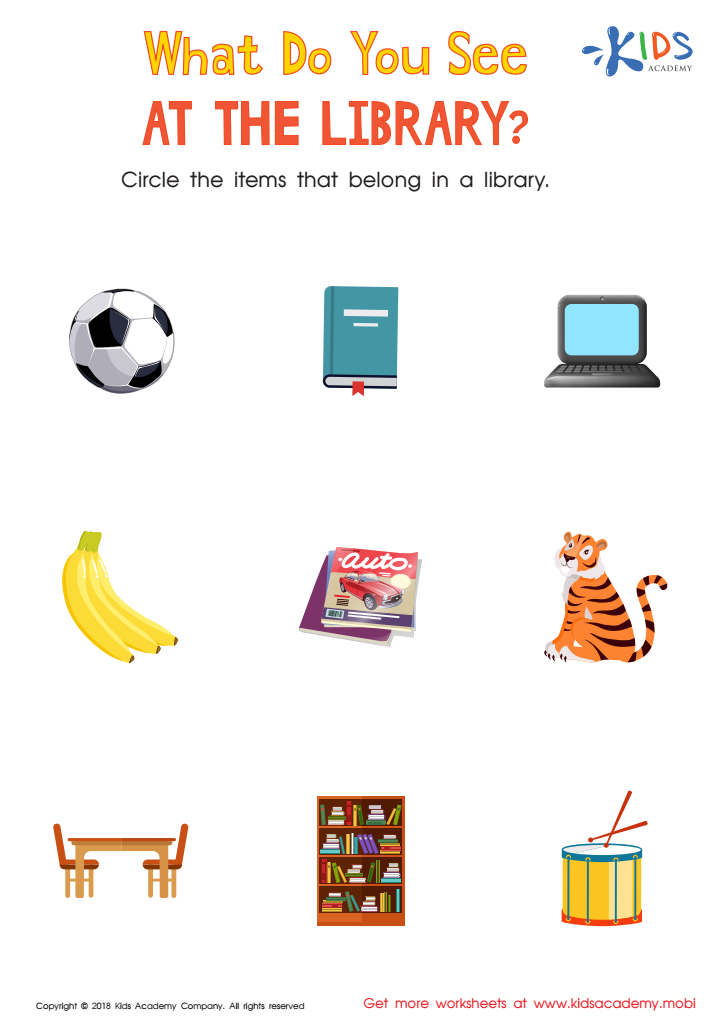
What Do you See at the Library? Worksheet
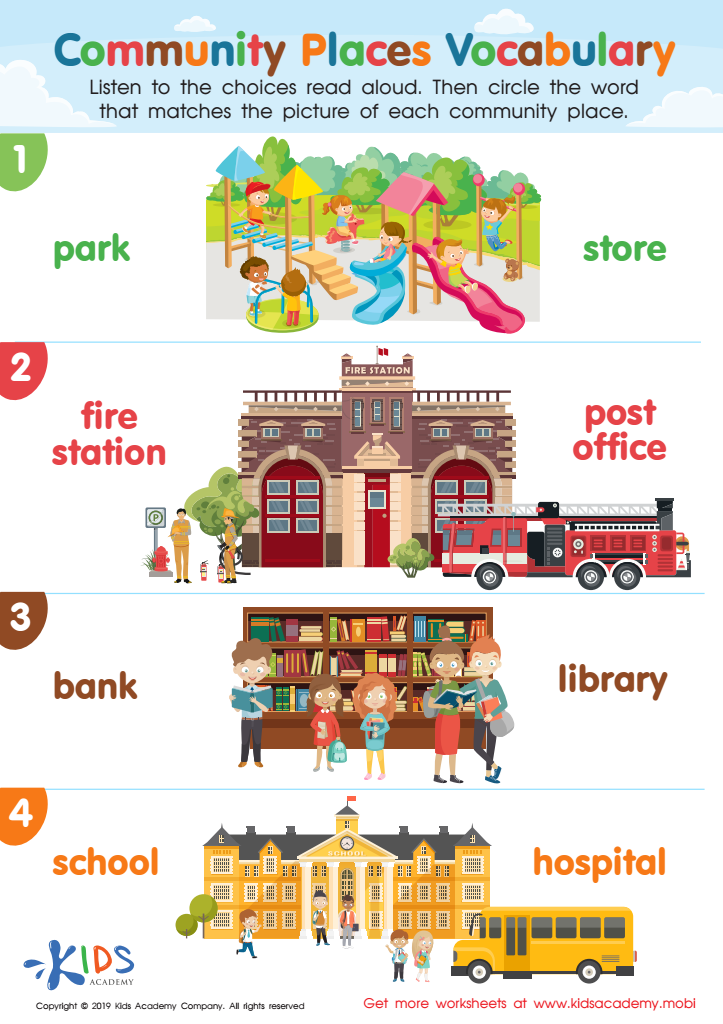
Community Places Vocabulary Worksheet


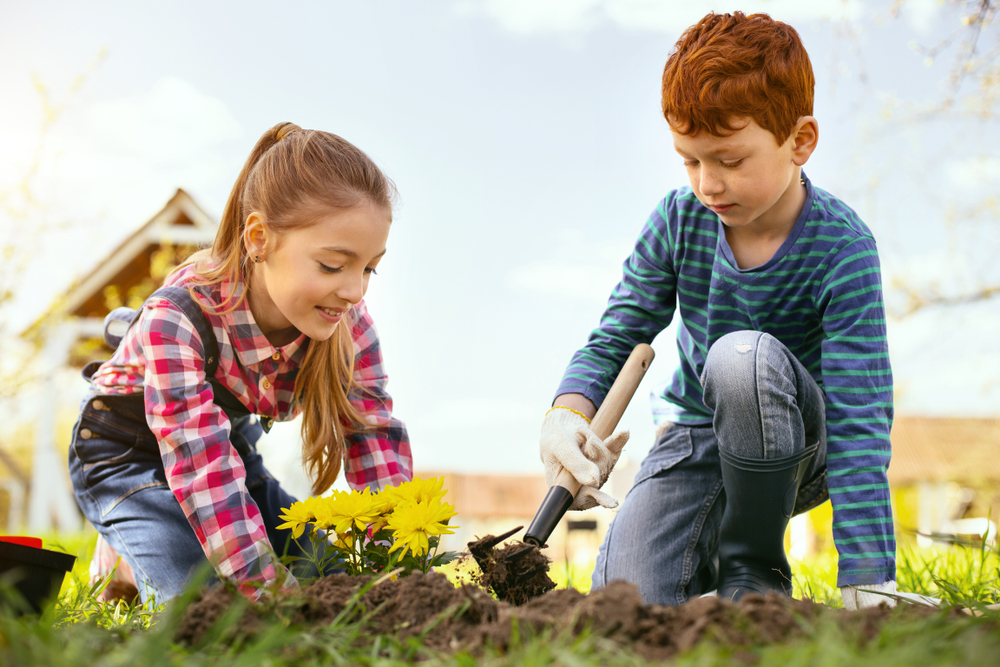





Visual recognition is a crucial developmental skill for children aged 5-6, forming the foundation for their cognitive, social, and emotional growth. Parents and teachers should care about fostering visual recognition in this age group for several compelling reasons. Firstly, it enhances reading readiness; recognizing shapes, letters, and words helps children develop literacy skills essential for academic success. Secondly, visual recognition supports problem-solving abilities; children learn to identify patterns, categorize objects, and make connections, which are foundational skills in critical thinking and logic.
Additionally, visual recognition plays a vital role in social interactions; understanding facial expressions and body language helps children navigate friendships and build emotional intelligence. A supportive community can foster this skill through collaborative activities, like storytelling, art projects, and games, engaging children while making learning fun. Parents and teachers can work together to create an enriching environment that prioritizes visual recognition through daily experiences, aiding in school readiness and overall development.
Encouraging visual recognition not only benefits individual cognitive development but also cultivates a strong, interconnected community, fostering relationships built on shared learning experiences. Investing time and resources into developing this skill ultimately prepares children for future learning and adaptability.