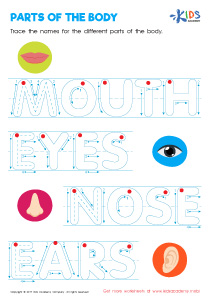
Categorization skills World Around Us Worksheets for Ages 5-6
3 filtered results
-
From - To
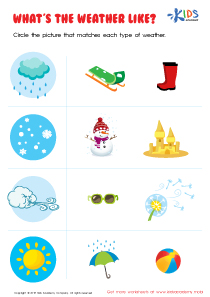
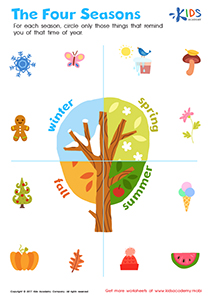
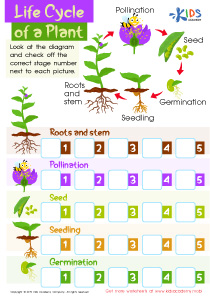
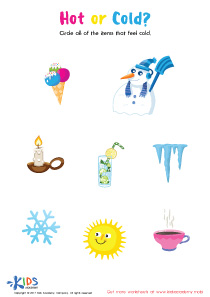
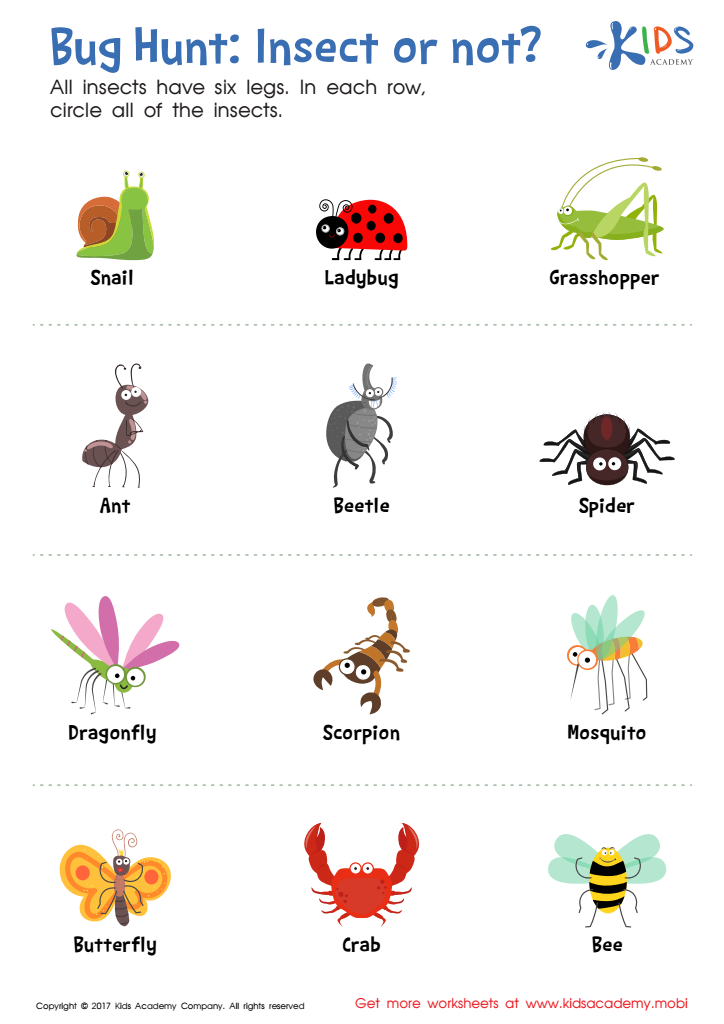
Explore our "Categorization Skills World Around Us Worksheets" tailored for children ages 5-6! These engaging worksheets help young learners develop critical categorization skills by sorting and grouping objects based on various attributes. Through fun activities, kids will enhance their ability to identify similarities and differences in the world around them, fostering early cognitive development. Activities include organizing animals, plants, and objects, enabling students to make connections and learn in a playful environment. Perfect for home or classroom use, these worksheets aim to make learning enjoyable while building foundational skills essential for later academic success. Start exploring the world of categorization today!
 Assign to My Students
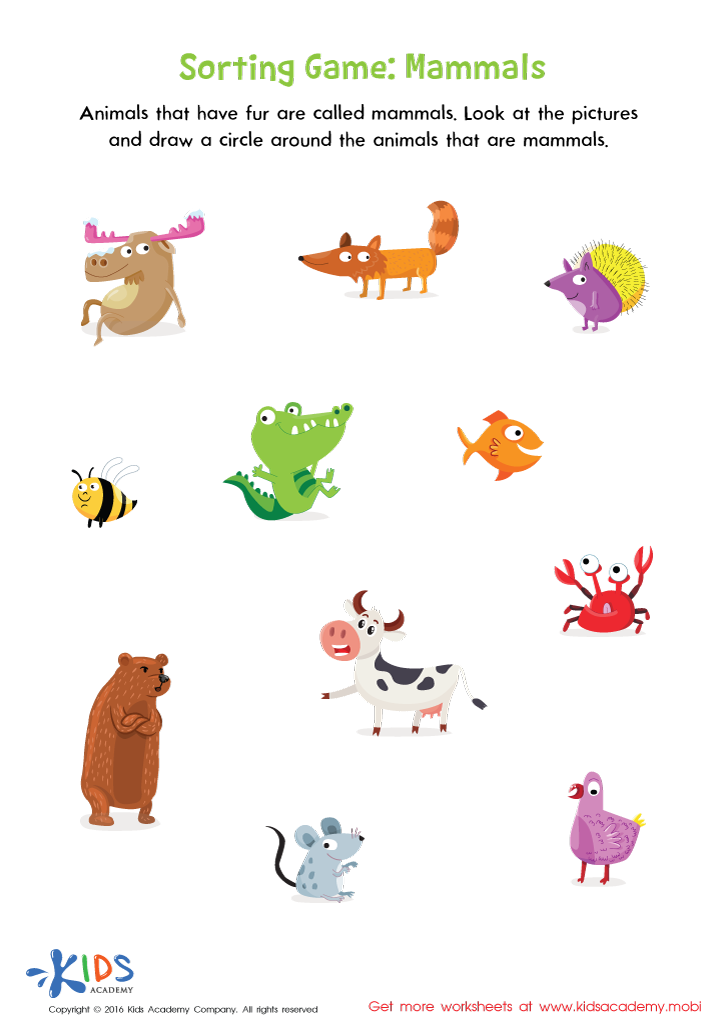
Mammals Sorting Worksheet
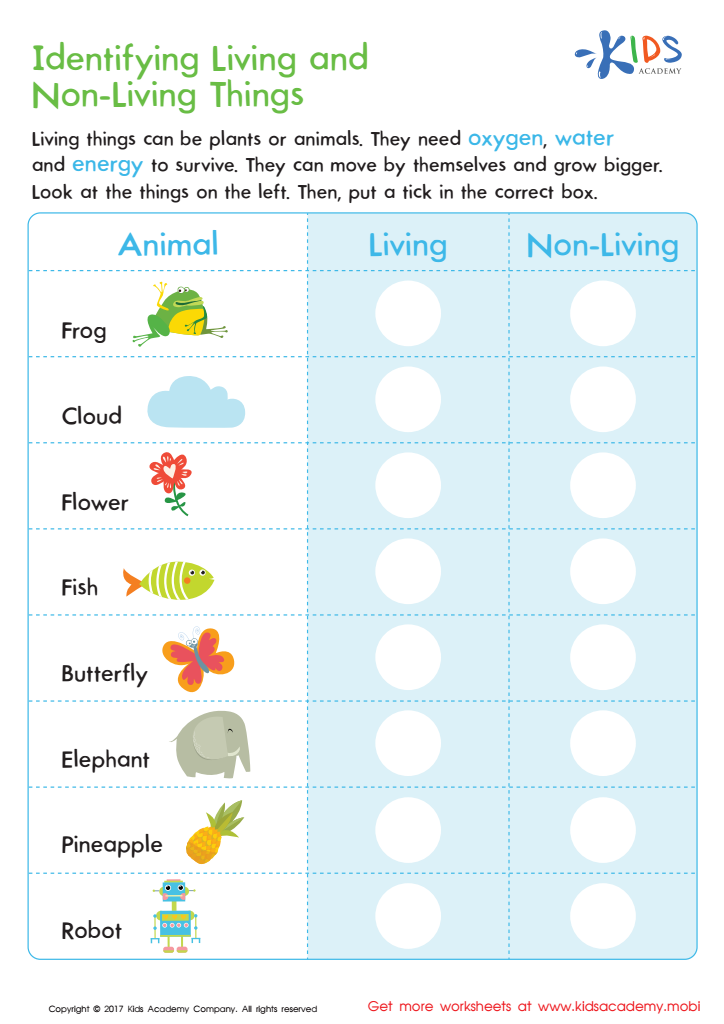
Identifying Living or Non–living Worksheet


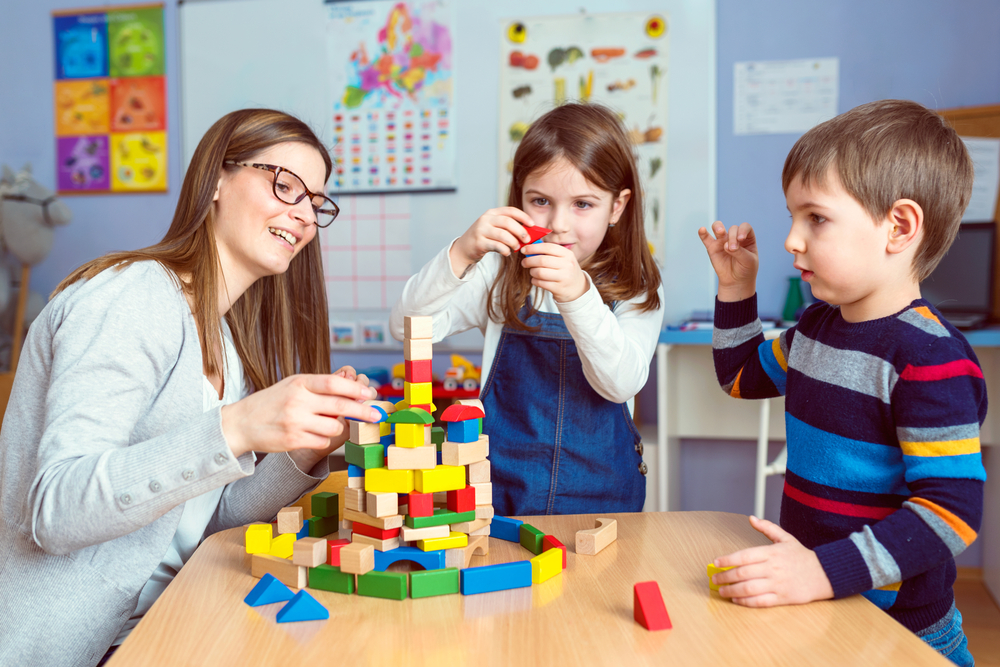




Categorization skills are fundamental to cognitive development in children aged 5-6, significantly impacting their understanding of the world around them. At this age, children begin to create mental frameworks that help them make sense of their experiences. By sorting objects into categories—such as colors, shapes, or sizes—they enhance their ability to recognize patterns, identify similarities and differences, and develop critical thinking skills.
Parents and teachers should care about these skills because they lay the foundation for more complex problem-solving and analytical abilities. Mastering categorization helps children improve their language skills, as they learn to describe, compare, and classify things thoughtfully. This not only enriches their vocabulary but also fosters effective communication.
Moreover, these skills promote social understanding as children learn to categorize their friends, relationships, and social contexts, influencing their emotional and social intelligence. Ultimately, supporting children in developing categorization skills equips them with essential tools for academic success and everyday interactions, fostering curiosity and competence in exploring their environment. Encouraging these abilities early on cultivates a love for learning and prepares children for future challenges. Therefore, parents and teachers play a vital role in reinforcing these skills through engaging activities and meaningful experiences.