Alphabet Learning ABC Letters Worksheets for Ages 5-9
3 filtered results
-
From - To
Unlock the joy of learning with our "Alphabet Learning ABC Letters Worksheets"! Perfect for children ages 5-9, our expertly crafted worksheets make mastering the alphabet both fun and effective. Through engaging activities, kids will advance their letter recognition, writing skills, and phonetic understanding. Each colorful, skill-building worksheet ensures that your child grasps the essential building blocks of reading and writing in an enjoyable and interactive way. Ideal for classroom use or homeschooling, our worksheets provide the foundation for future literacy success. Spark your child's curiosity and watch them thrive with our innovative Alphabet Learning ABC Letters Worksheets!
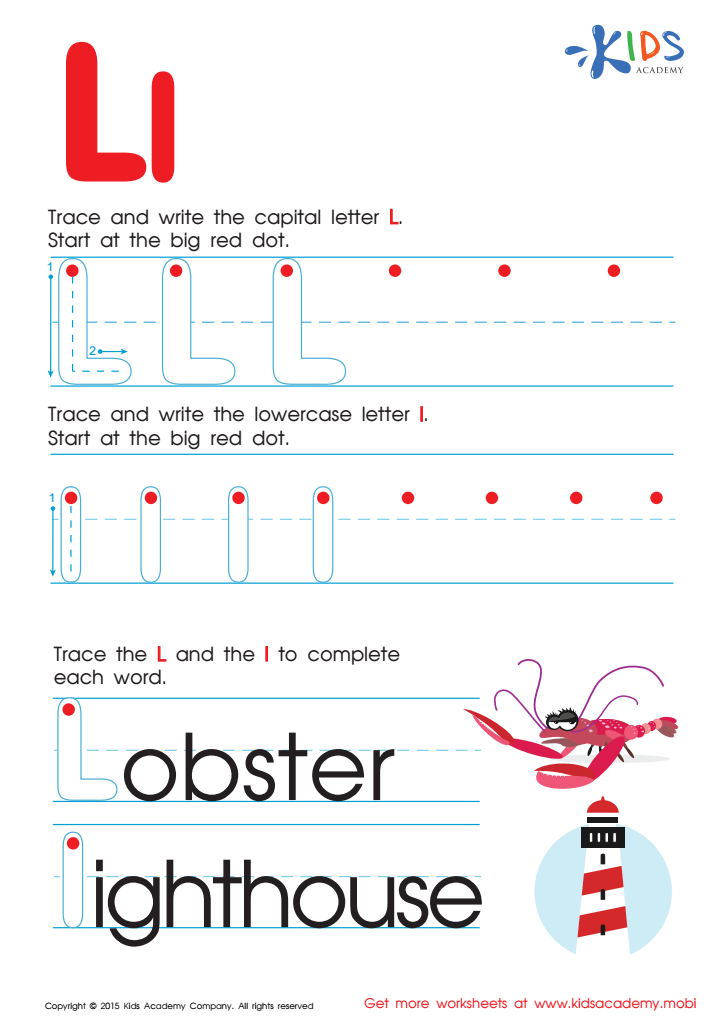
Letter L Tracing Page




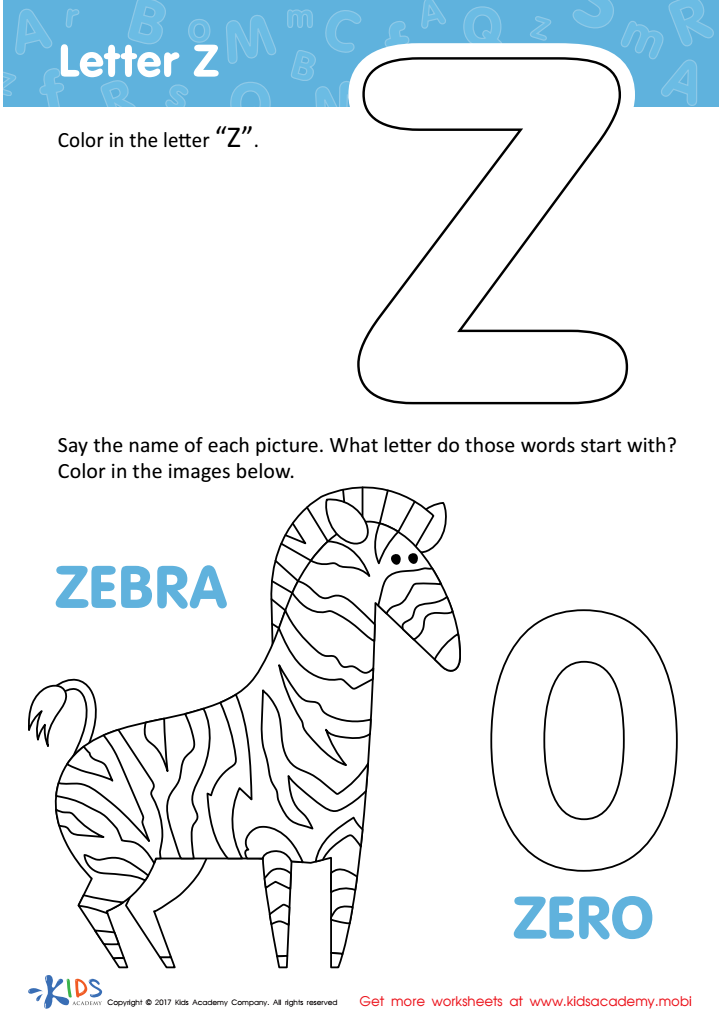
Letter Z Coloring Sheet
 Assign to My Students
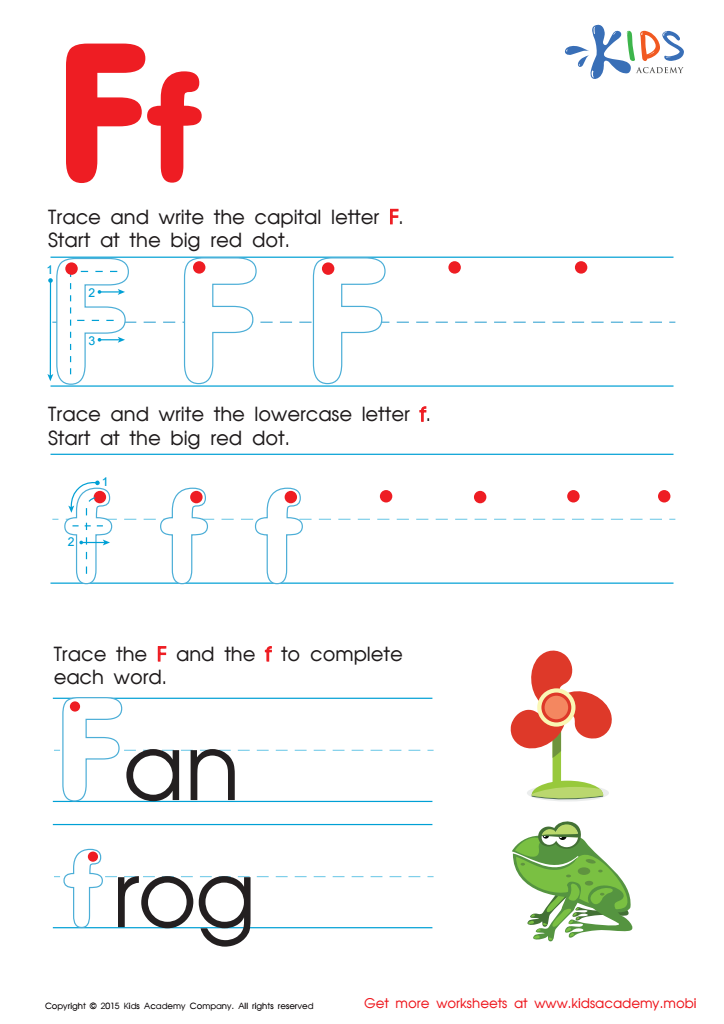
Letter F Tracing Page






Parents and teachers play a crucial role in laying the foundation for a child's education, and one of the most fundamental building blocks is learning the alphabet. Alphabet Learning ABC Letters for Ages 5-9 is essential because it is a primary step in literacy development. Mastering the alphabet sets the stage for reading and writing skills, which are critical for academic success and communication. When children recognize letter shapes, sounds, and names, they can begin to decode words and understand how letters form words and sentences.
For young learners in the 5-9 age range, engaging and interactive methods of alphabet learning promote enthusiasm and retention. Children's brains are highly receptive to absorbing language skills during early developmental stages. An early grasp of the alphabet enhances phonemic awareness, which is vital for spelling and vocabulary expansion. Moreover, comfort with letters improves children's confidence, fostering a positive attitude towards learning.
Furthermore, alphabet learning encourages cognitive skills such as memory, attention, and problem-solving. It also helps develop fine motor skills through writing practice. Parents and teachers should therefore prioritize alphabet education to unlock a child's full potential, setting the groundwork for successful lifelong learning. Supporting children in acquiring these skills ensures they are well-prepared for more advanced educational challenges ahead.







