Phonics improvement Alphabet Worksheets for Ages 5-9
6 filtered results
-
From - To
Discover our engaging Phonics Improvement Alphabet Worksheets designed for children aged 5-9! These printable resources foster essential reading skills through fun and interactive activities. Each worksheet targets specific phonetic concepts, helping young learners recognize letter sounds, enhance vocabulary, and improve spelling. Parents and educators will find a variety of exercises, including matching sounds to letters, identifying phonemes, and practicing word formations. Perfect for home or classroom use, these worksheets cater to different learning styles, making learning enjoyable! Equip your child with vital phonics skills that lay the foundation for successful reading and comprehension. Start their phonics journey today!
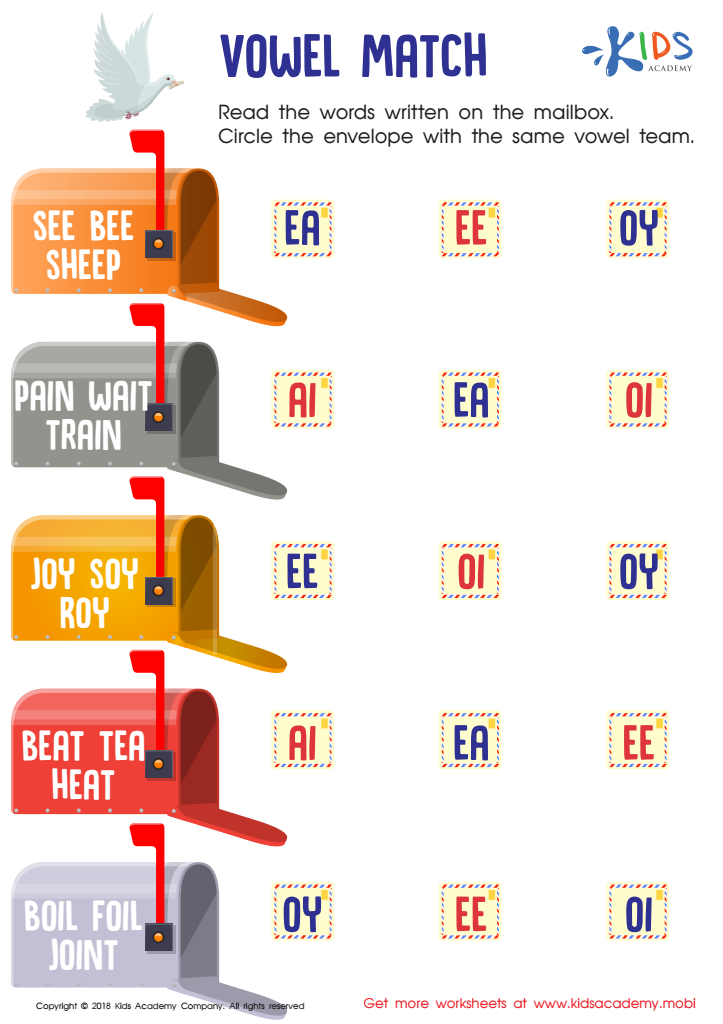
Vowel match Worksheet
 Assign to My Students
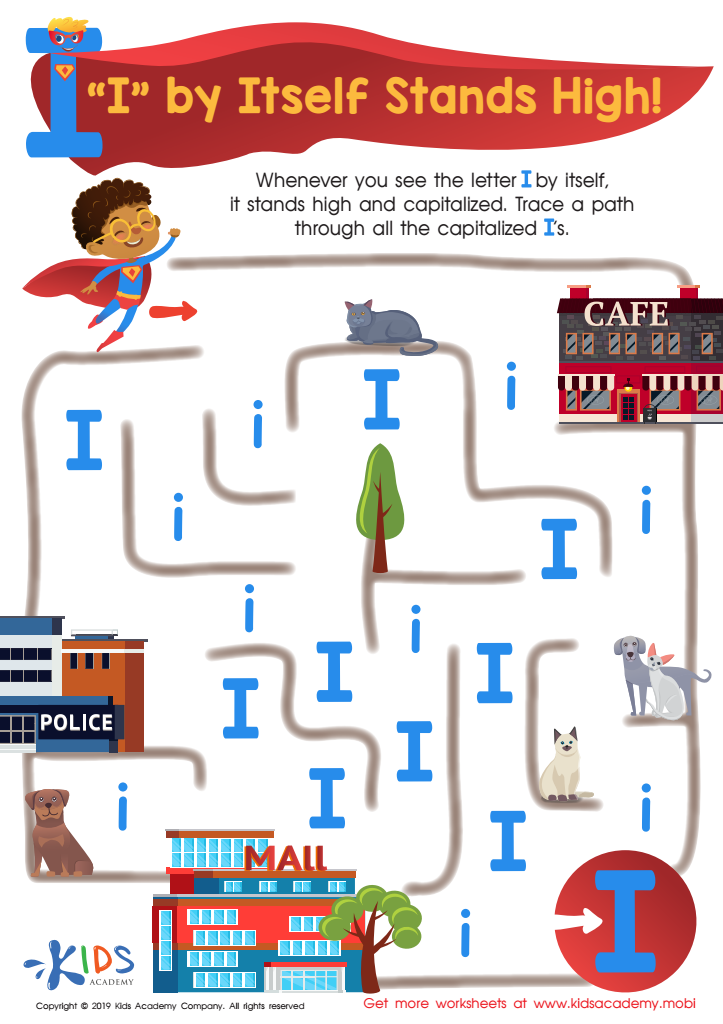
I Stands High Worksheet
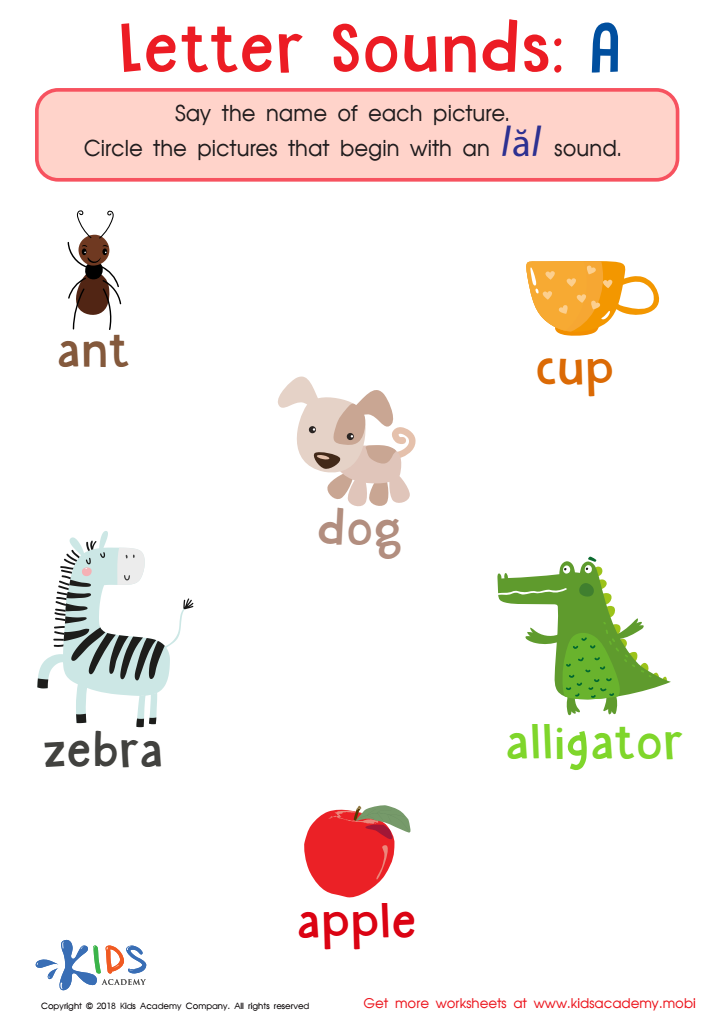
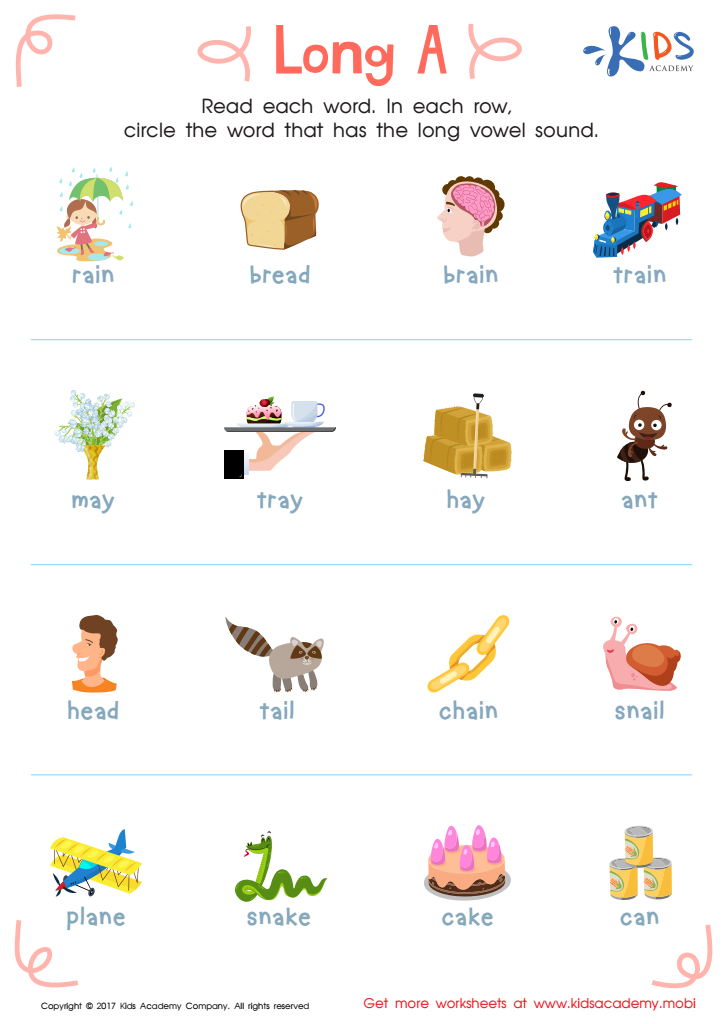
Letter A Sounds Worksheet
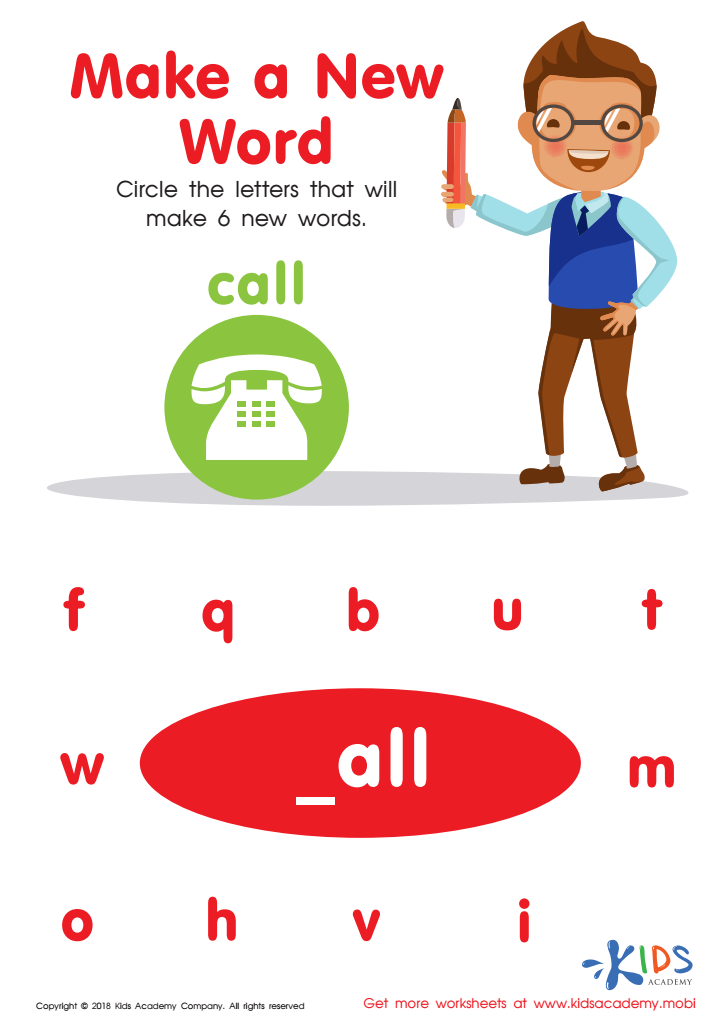
Make a New Word Worksheet
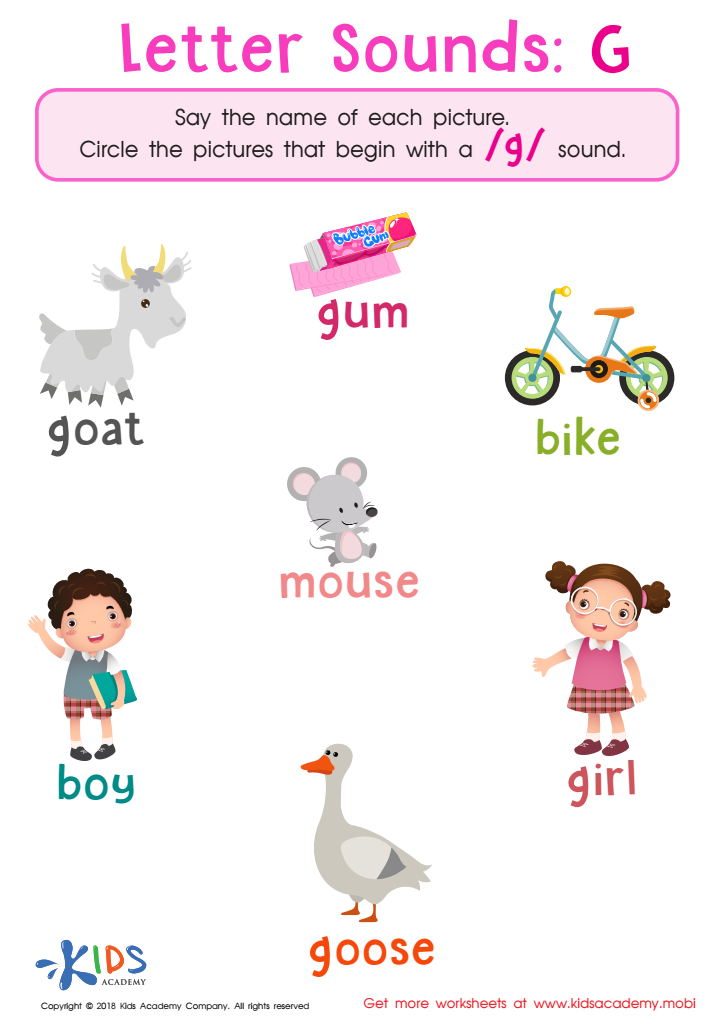
Letter G Sounds Worksheet







Parents and teachers should prioritize phonics improvement for children aged 5-9, as it serves as a critical foundation for reading and overall academic success. Phonics instruction teaches children the relationships between letters and sounds, enabling them to decode words effectively. This essential skill supports early literacy development, fostering not only reading fluency but also comprehension.
At this age, children are in a pivotal developmental stage where they are learning to read independently. Strong phonics skills empower them to tackle increasingly complex texts. Moreover, children who struggle with phonics may face challenges in their reading journey, leading to frustration and decreased motivation. By focusing on phonics improvement, educators and caregivers can help nurture a love for reading and build confidence in young learners.
Additionally, well-established phonics skills impact future learning; proficient readers are more likely to excel in all subjects. Engagement in phonics activities enhances cognitive skills, critical thinking, and language development. Ultimately, investing time and resources into phonics improvement not only sets a strong educational trajectory for children but also supports their emotional well-being, as mastery of reading opens doors to discovery and knowledge. Thus, actively promoting phonics in early education is vital for lifelong learning.







