Shape Recognition Alphabet Worksheets for Ages 5-9
4 filtered results
-
From - To
Discover our engaging Shape Recognition Alphabet Worksheets designed specifically for children ages 5-9! These interactive activities help young learners connect shapes with letters, enhancing their cognitive skills while building a solid foundation in both literacy and mathematics. Each worksheet is crafted to foster creativity and critical thinking, encouraging kids to identify and match shapes with corresponding letters in a fun, lively way. Ideal for homeschooling or classroom settings, our worksheets promote effective learning through colorful visuals and exciting exercises. Equip your child with essential learning skills and watch their confidence soar as they master the alphabet through shape recognition!
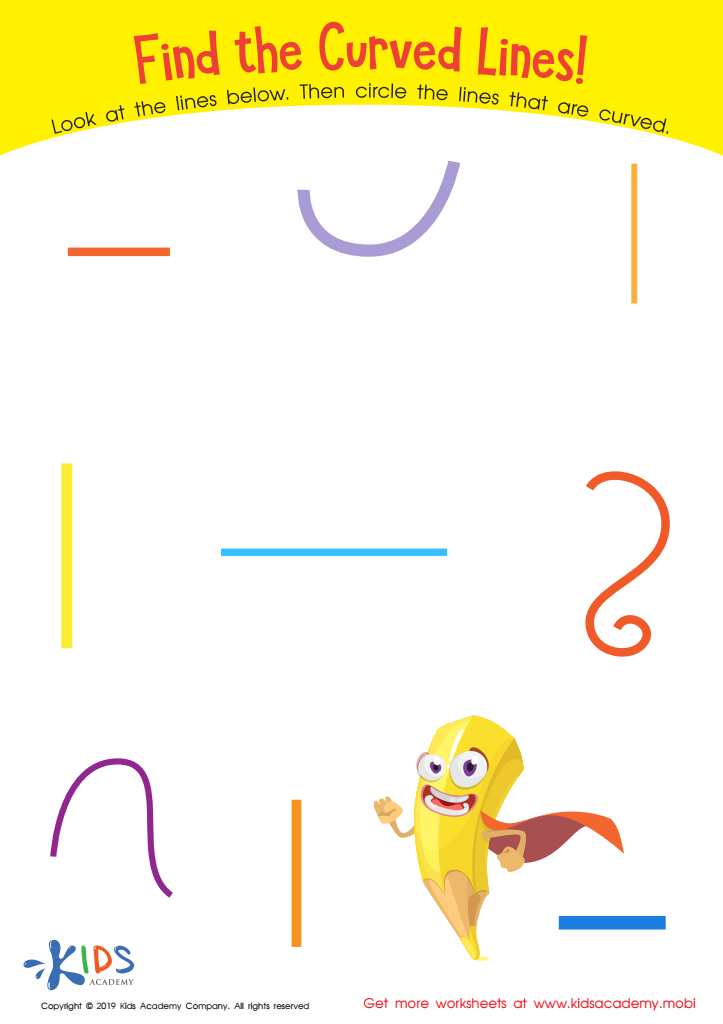
Find the Curved Lines! Worksheet
 Assign to My Students
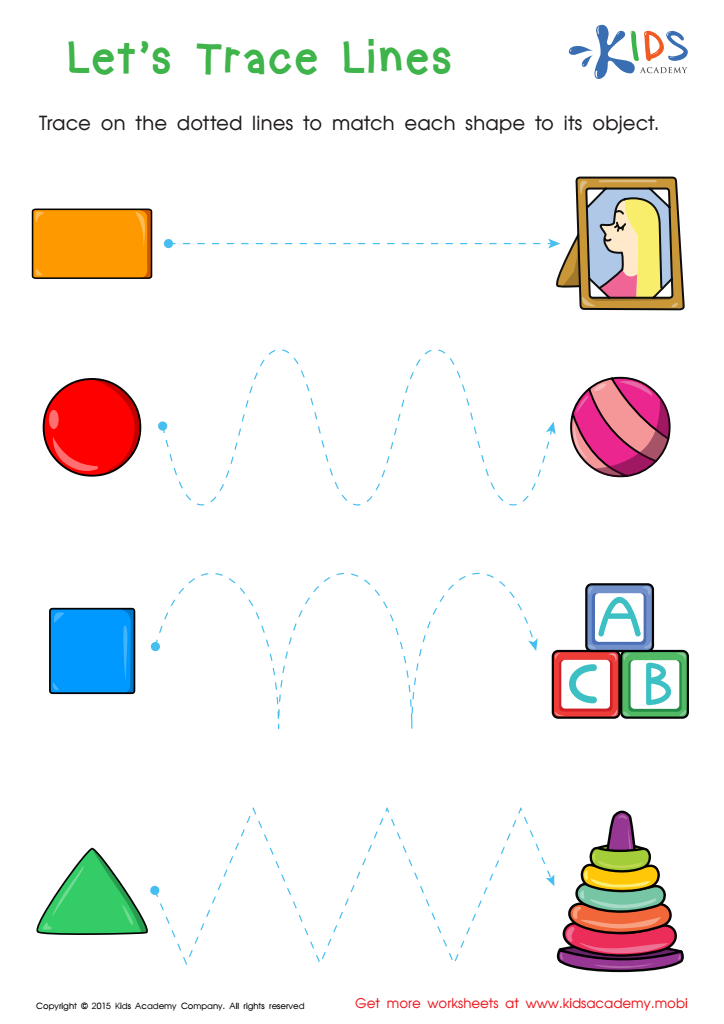
First Words: Let's Trace Lines Worksheet
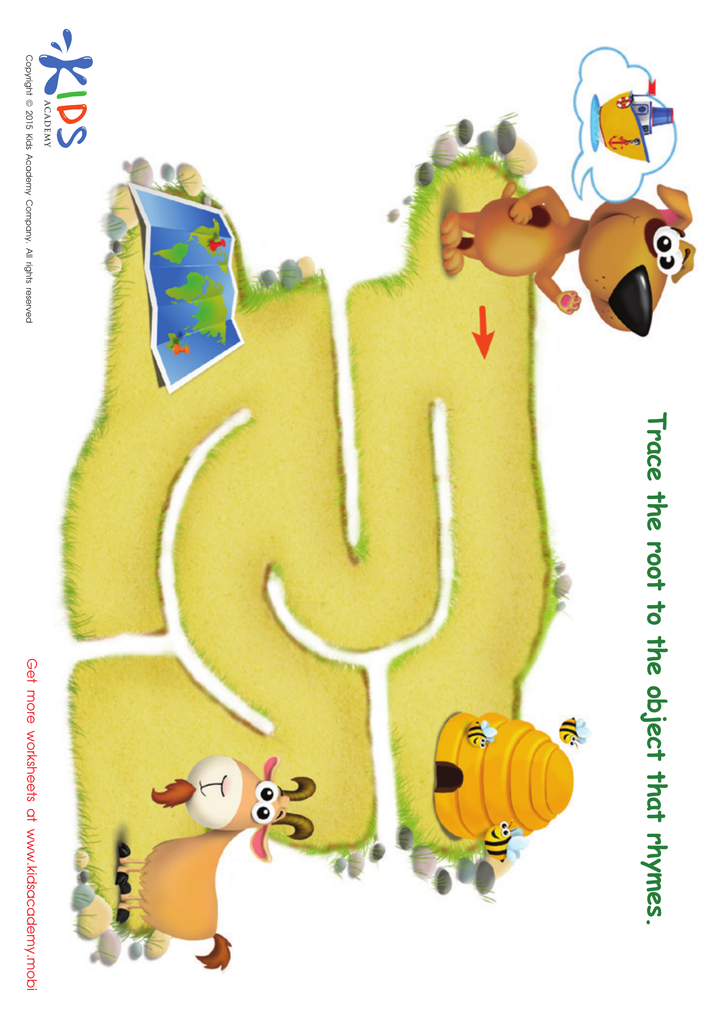
Boat Rhyming Words Worksheet
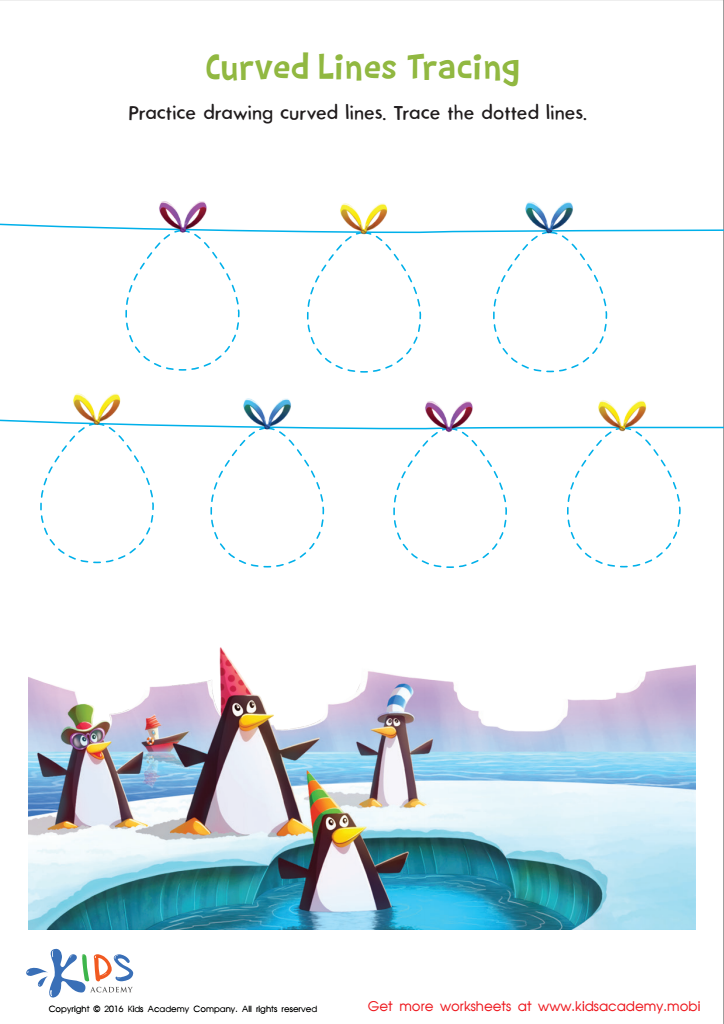
Curved Lines Tracing Worksheet






Shape recognition is a foundational skill for children aged 5-9, critical for their overall cognitive development and later academic success. By integrating shape recognition into the learning of the alphabet, parents and teachers can foster a more engaging, meaningful approach to both literacy and spatial awareness. Understanding shapes helps children categorize and interpret the world around them, enhancing problem-solving skills and creativity.
Moreover, the connection between shapes and letters supports the development of fine motor skills as children learn to draw and manipulate letters related to different shapes. This can enrich their handwriting abilities, which are critical in early writing tasks. Furthermore, recognizing and using shapes in conjunction with letters promotes spatial awareness and math readiness, laying a strong foundation for future STEM education.
Encouraging shape recognition alongside the alphabet also serves to make learning fun and interactive, improving motivation and concentration in young learners. Parents and teachers who prioritize this dual approach are not only enhancing literacy skills but also nurturing well-rounded individuals, better prepared for complex concepts in later education. Emphasizing shape recognition in early childhood lays the groundwork for a lifetime of critical thinking, regardless of the field a child may choose to pursue.







