Letter Tracing Practice Letter Recognition Worksheets for Ages 5-9
5 filtered results
-
From - To
Enhance your child’s literacy skills with our "Letter Tracing Practice Letter Recognition Worksheets for Ages 5-9.” These engaging printable worksheets are perfect for young learners as they master the alphabet. Designed by educational experts, each worksheet provides step-by-step tracing practices that help develop fine motor skills and reinforce letter recognition in a fun, interactive way. Our comprehensive and easy-to-follow activities will keep your child motivated while building a solid foundation for reading and writing. Ideal for parents and educators, this resource is an excellent addition to any early education curriculum. Get started today!
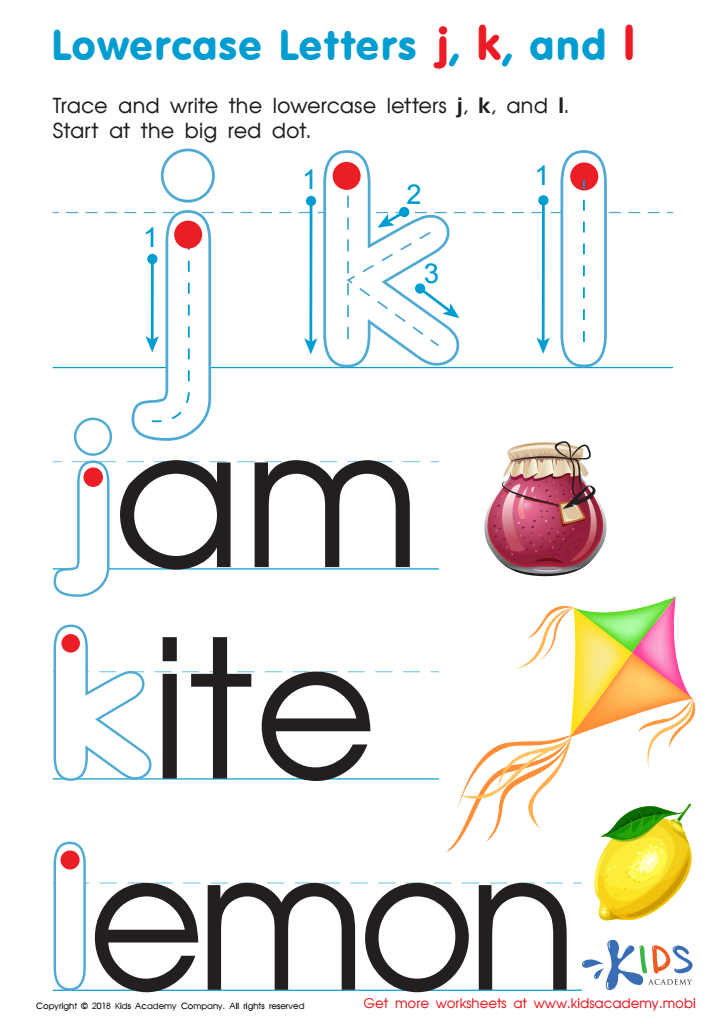
Lowercase Letters j k l Worksheet
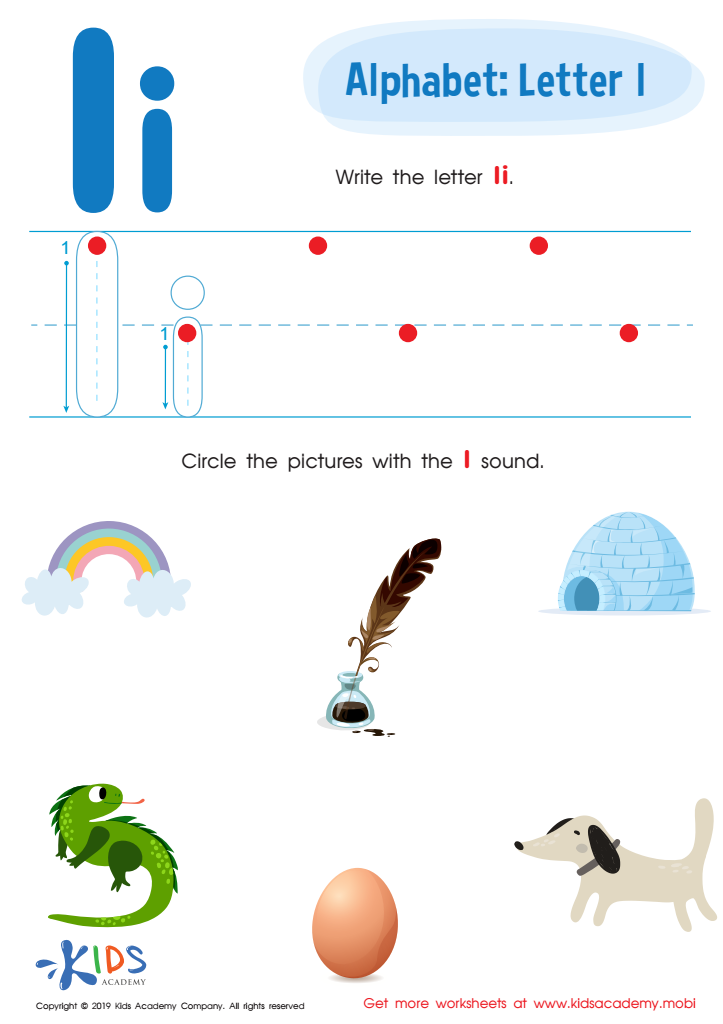
Letter I Tracing Worksheet
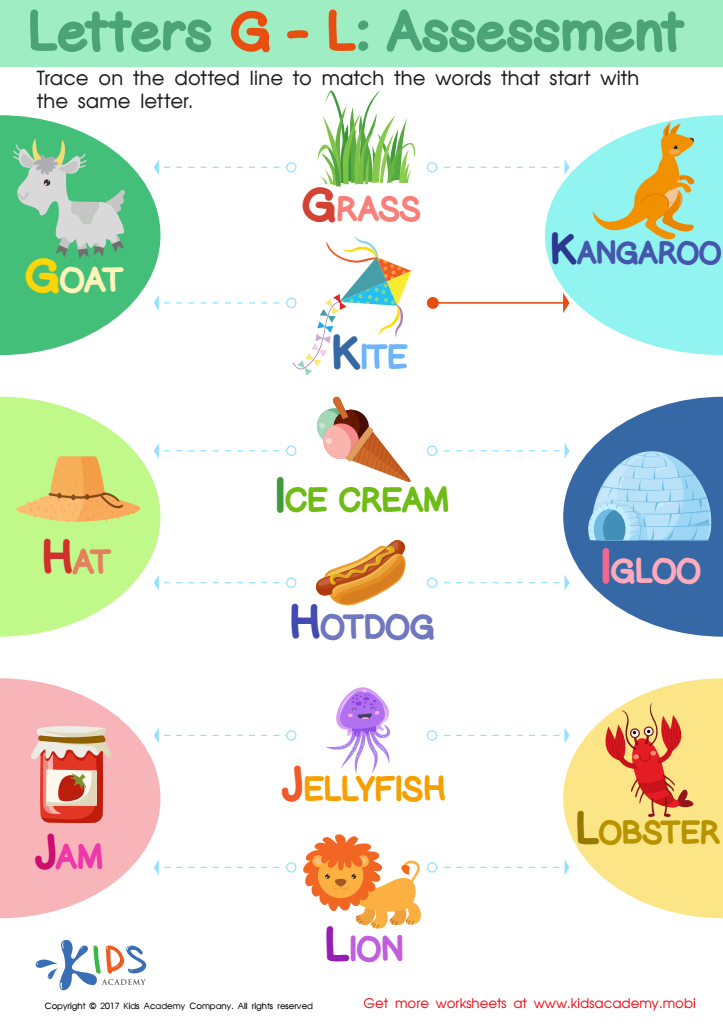
Letters G-L Worksheet
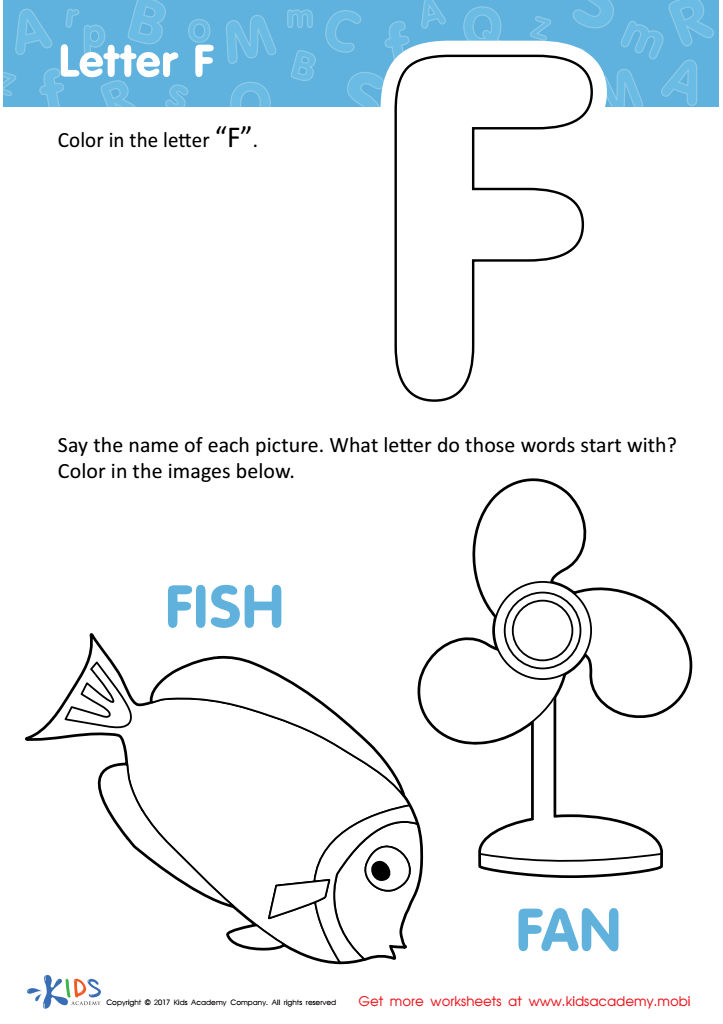
Letter F Coloring Sheet
 Assign to My Students
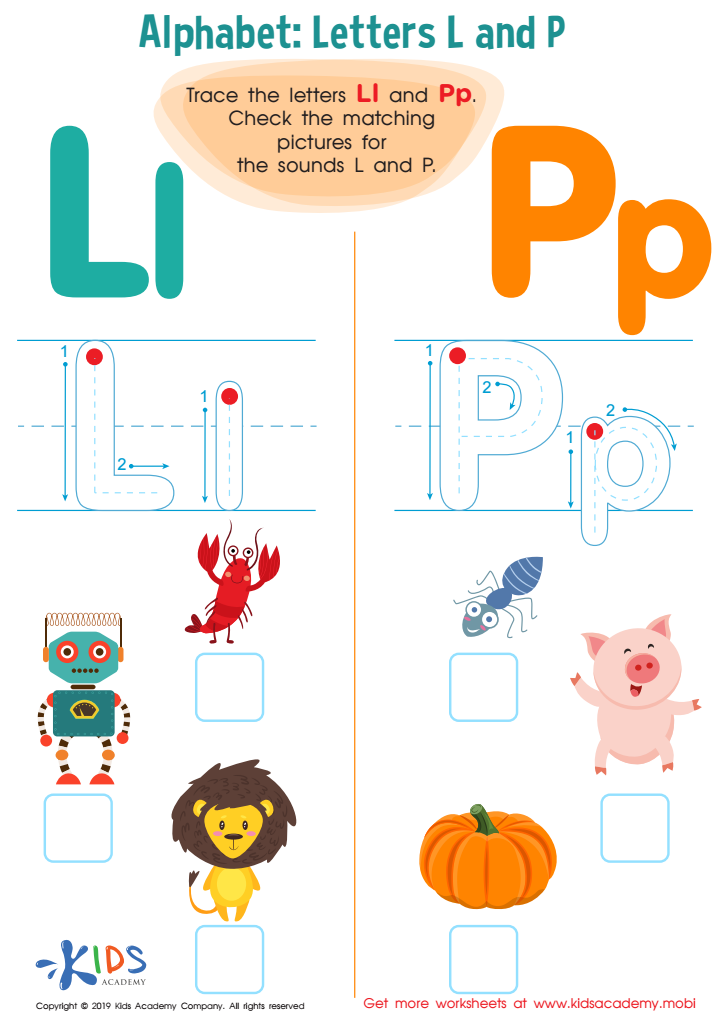
Letter L and P Tracing Worksheet








Letter Tracing Practice and Letter Recognition are foundational skills crucial for young children's literacy development, and it's important for parents and teachers to prioritize this during ages 5-9. At this formative age, children are developing their fine motor skills, and letter tracing helps them refine their pencil grip and hand-eye coordination. This practice fortifies the physical act of writing, ensuring they have better control and neatness in their handwriting as they grow.
Simultaneously, letter recognition is essential for reading development. When children trace letters, they engage in multisensory learning, incorporating visual, tactile, and kinesthetic experiences. This enhances their ability to recognize letter shapes, distinguish between similar letters, and understand the proper formation and sequence of lines and curves that make up each letter.
Moreover, consistent letter tracing reinforces memory retention and helps build muscle memory for those shapes, leading to faster recall and improved confidence in both reading and writing tasks. Emphasizing these skills within the 5-9-year age range ensures children develop strong literacy foundations, setting them up for future academic success and fostering a lifelong love of reading and writing. Therefore, incorporating letter tracing and recognition into early education curricula can have long-lasting, positive impacts on a child's educational journey.







