
Word Recognition Letter Recognition Worksheets for Ages 5-9
3 filtered results
Difficulty Level
Grade
Age
-
From - To
Subject
Activity
Standards
Boost your child's literacy skills with our Word Recognition Letter Recognition Worksheets designed for ages 5-9. These engaging printable activities focus on enhancing letter recognition, phonemic awareness, and word recognition. Ideal for young learners, these expertly-crafted worksheets make learning fun and interactive. Children will build a strong foundation in reading through various exciting exercises tailored to their developmental stage. Perfect for both classroom and home learning, these resources ensure steady progress in your child's educational journey. Help them succeed with our comprehensive and effective worksheets, and watch their confidence and abilities grow!
Favorites
With answer key
Interactive
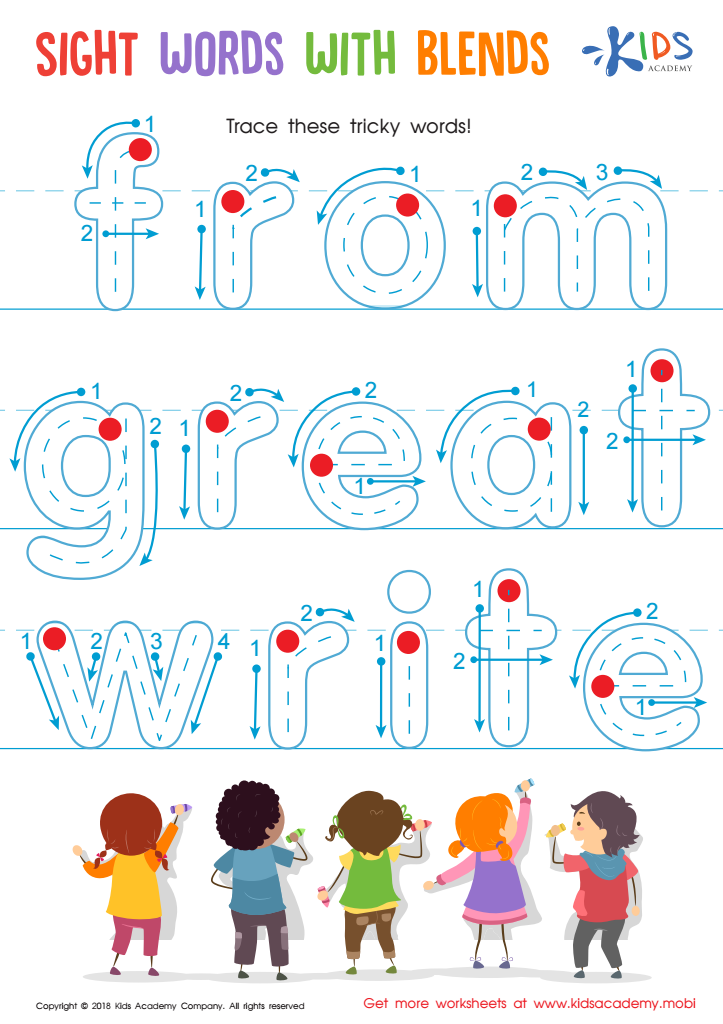
Sight Words with Blends Worksheet
This free PDF lets your children trace and write sight words with tricky blends. The guide numbers help them start from the top, building fine motor skills and enhancing sight word vocab. It's a great way to give your kids a solid foundation for reading!
 Assign to My Students
Sight Words with Blends Worksheet
Worksheet
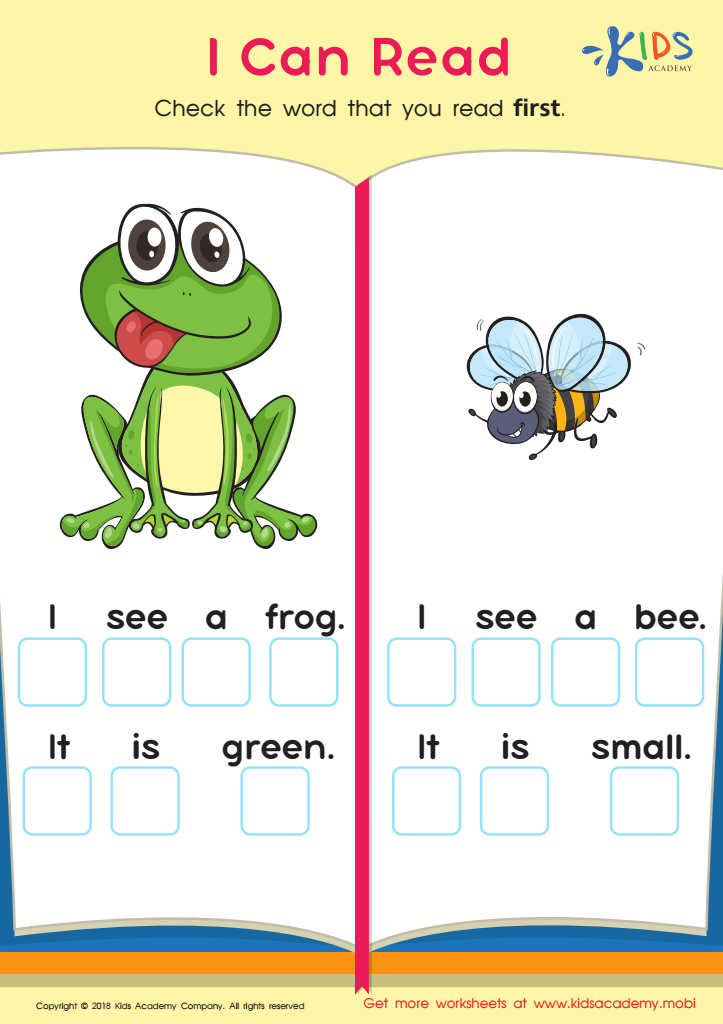
I Can Read Worksheet
Test your child's reading skills with this fun worksheet. See how well they know one-letter, two-letter, and five-letter words. Ask your little one to read the sentences and tick the word they identify first. It's a great way to track their progress and help them become more confident readers.
I Can Read Worksheet
Worksheet
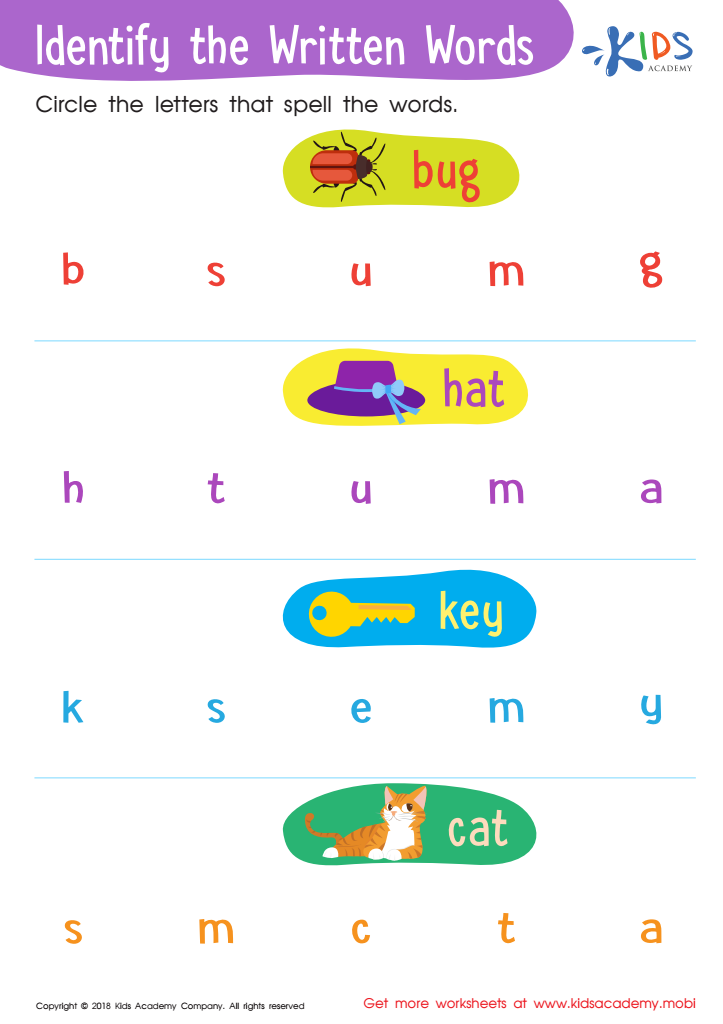
Identify the Written Words Worksheet
Have your students identify the objects on the printout, then spell the words. If they already know how to spell, this exercise should be easy. Help them circle the correct letters from the set to spell out the words. This is a great way to reinforce reading and spelling skills. Max 80 words.
Identify the Written Words Worksheet
Worksheet
Join Kids Academy for Free
Who is primarily going to use this learning content?








Word recognition and letter recognition are foundational skills for young children aged 5-9, essential for their academic success and overall cognitive development. These skills serve as building blocks for reading proficiency, a critical component of education. When children can recognize letters and understand how these letters form words, they develop the ability to decode new words, enhancing their reading fluency.
Reading fluently allows children to comprehend and engage with texts more meaningfully, fostering a love for reading and learning. As they recognize more words, their vocabulary expands, which positively impacts their speaking and writing skills. Improved literacy sets a foundation for future learning across all subjects, including mathematics, science, and social studies.
Moreover, early word and letter recognition skills contribute to boosting children's confidence and self-esteem. When children can successfully read and comprehend text appropriate for their age, they are more likely to feel competent and motivated in their learning journey.
Parents and teachers play a crucial role in nurturing these skills by providing a literacy-rich environment, engaging in shared reading practices, and offering support and encouragement. Early intervention in cases of difficulty can also address potential learning disabilities, ensuring no child falls behind. Therefore, prioritizing word and letter recognition ultimately paves the way for lifelong learning and success.







