Capitalization rules Upper & Lowercase Letters Worksheets for Ages 5-9
3 filtered results
-
From - To
Enhance your child's writing with our "Capitalization Rules Upper & Lowercase Letters Worksheets for Ages 5-9." These engaging worksheets teach essential capitalization rules, helping young learners distinguish between upper and lowercase letters. Perfect for ages 5-9, the printable activities cover the basics of proper nouns, sentence beginnings, and more. Our carefully designed exercises develop foundational skills through fun, hands-on practice. They not only reinforce literacy but also build confidence in writing. Download and print to provide your child with effective, educational experiences that encourage clarity and correctness in their written communication.
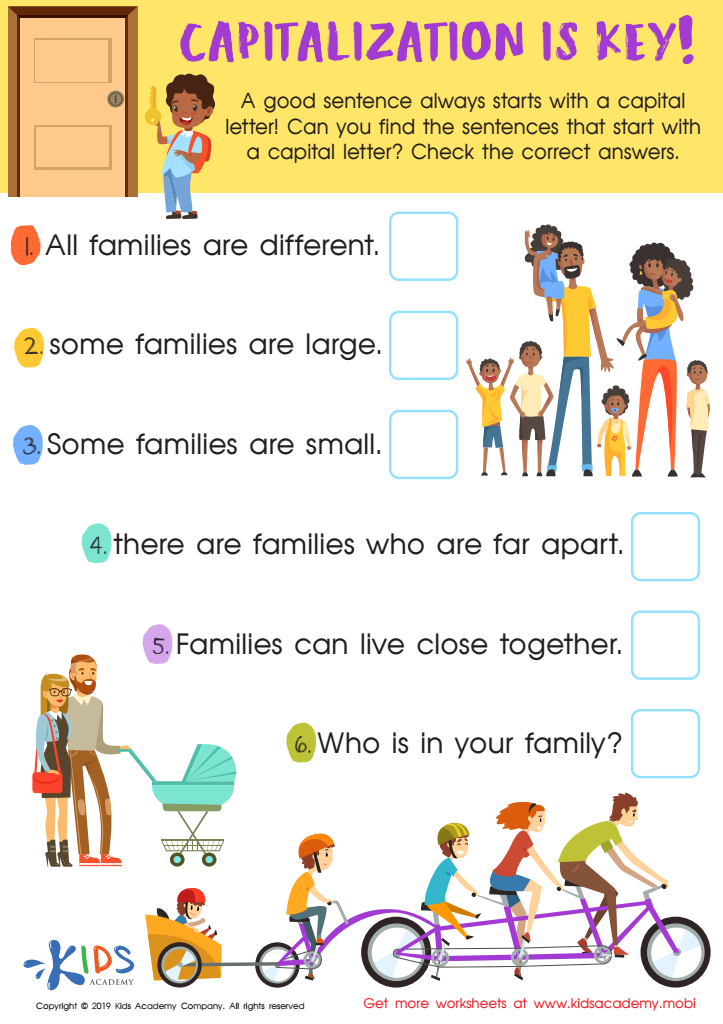
Capitalization Key Worksheet
 Assign to My Students
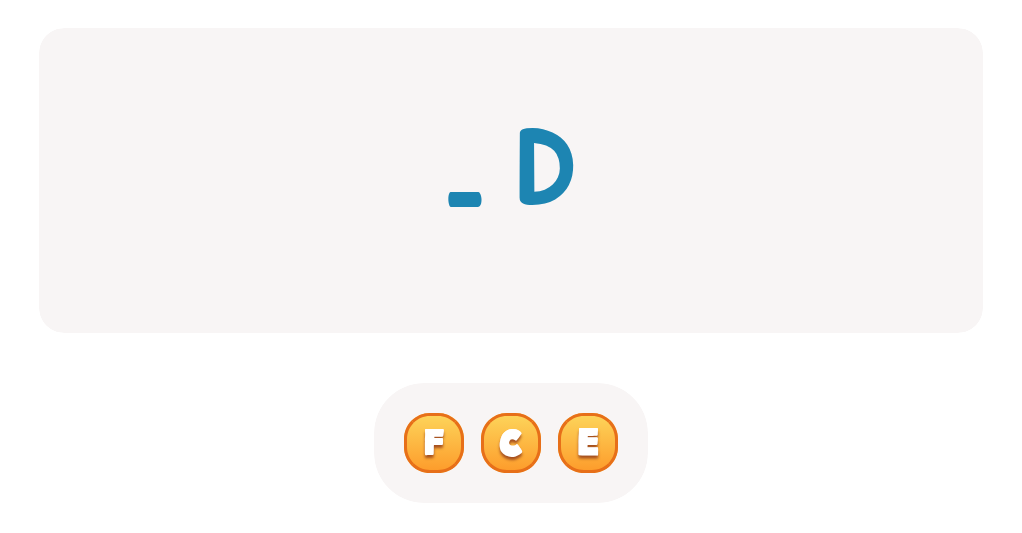

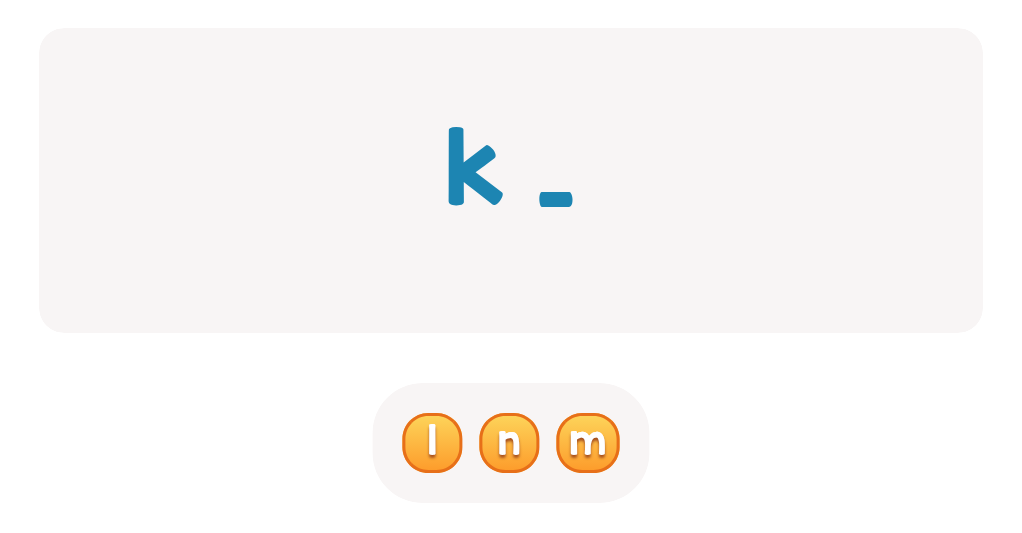
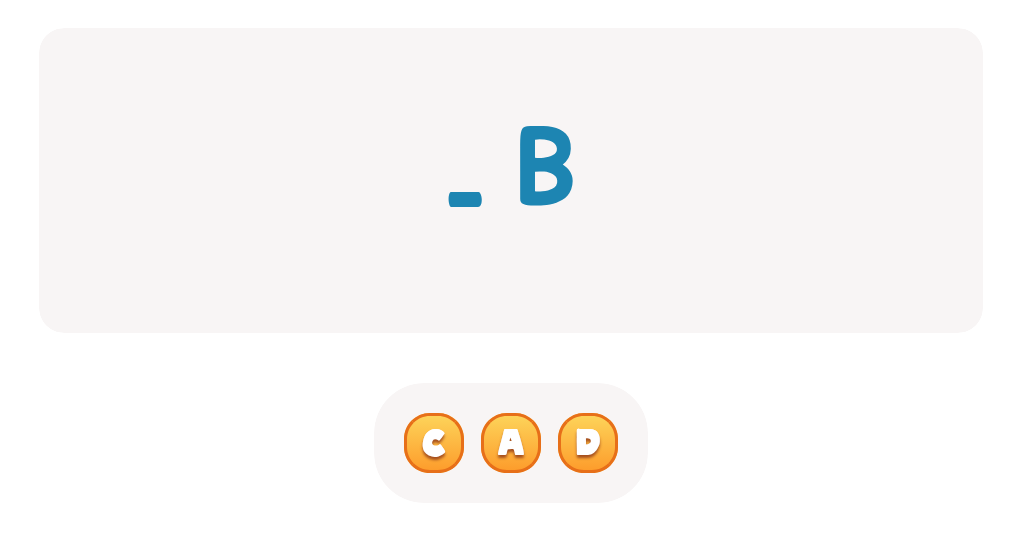

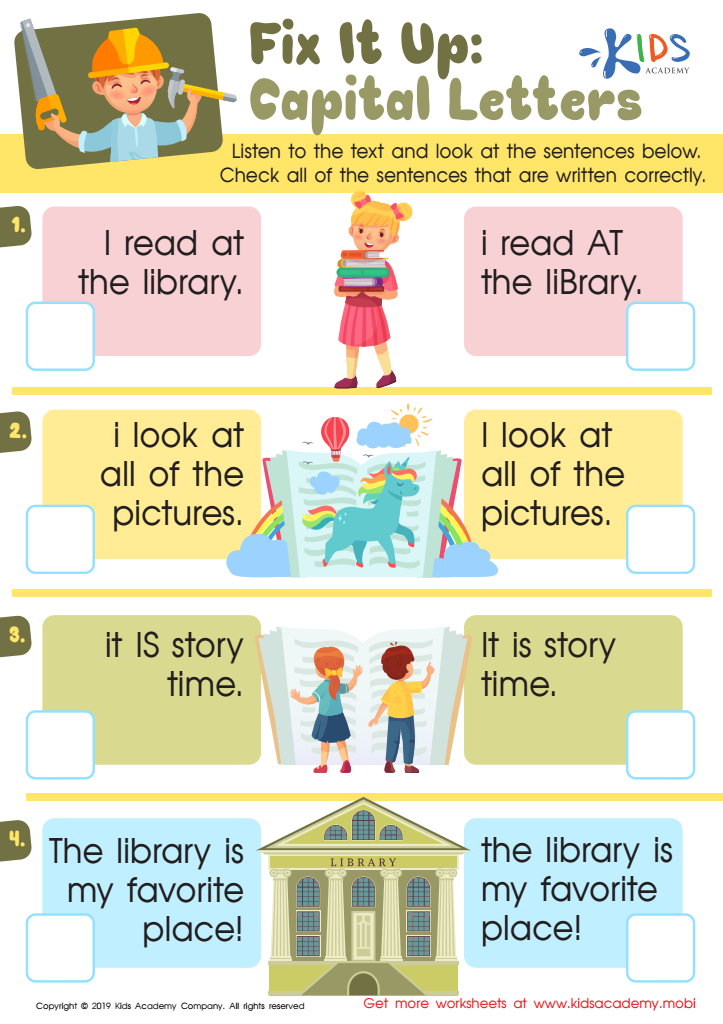
Fix Capital Letters Worksheet

How to Capitalize Worksheet






Understanding and following capitalization rules is essential for children aged 5-9 for several reasons. Firstly, proper capitalization aids in building the foundational skills for reading and writing. At this formative age, children are learning to differentiate between letters and understand their purposes in text. Recognizing when to use uppercase and lowercase letters helps young readers and writers comprehend sentence structure, such as identifying the beginning of sentences and proper nouns, which enhances overall literacy.
Secondly, capitalization helps children communicate more effectively and clearly. Using uppercase letters to start sentences and for proper nouns like names, places, and the word "I," ensures that written communication is organized and understandable. For instance, "i went to new york" is less clear than "I went to New York."
Moreover, instilling capitalization rules early fosters good habits in writing. Consistency in following these rules prepares children for the more complex grammar rules they will encounter in higher grades. This builds their confidence and competence in both academic and personal writing tasks.
Finally, understanding these rules shows respect for the conventions of language and helps students' work be taken seriously, both in school and later in life. Thus, parents and teachers should prioritize the teaching of capitalization rules to support children's overall linguistic development.







