Fine motor skills development Upper & Lowercase Letters Worksheets for Ages 5-9
3 filtered results
-
From - To
Unlock your child's potential with our Fine Motor Skills Development worksheets for Upper and Lowercase Letters, designed for ages 5-9! These engaging printables provide young learners with stimulating activities to enhance their handwriting, coordination, and dexterity. Each worksheet combines fun letter tracing, matching, and creative exercises, encouraging hours of interactive learning. Our carefully crafted resources not only support literacy skills but also promote fine motor development, ensuring your child builds a solid foundation for writing success. Perfect for home or classroom use, these worksheets blend education and play, making learning enjoyable and effective. Start your child's journey to writing mastery today!
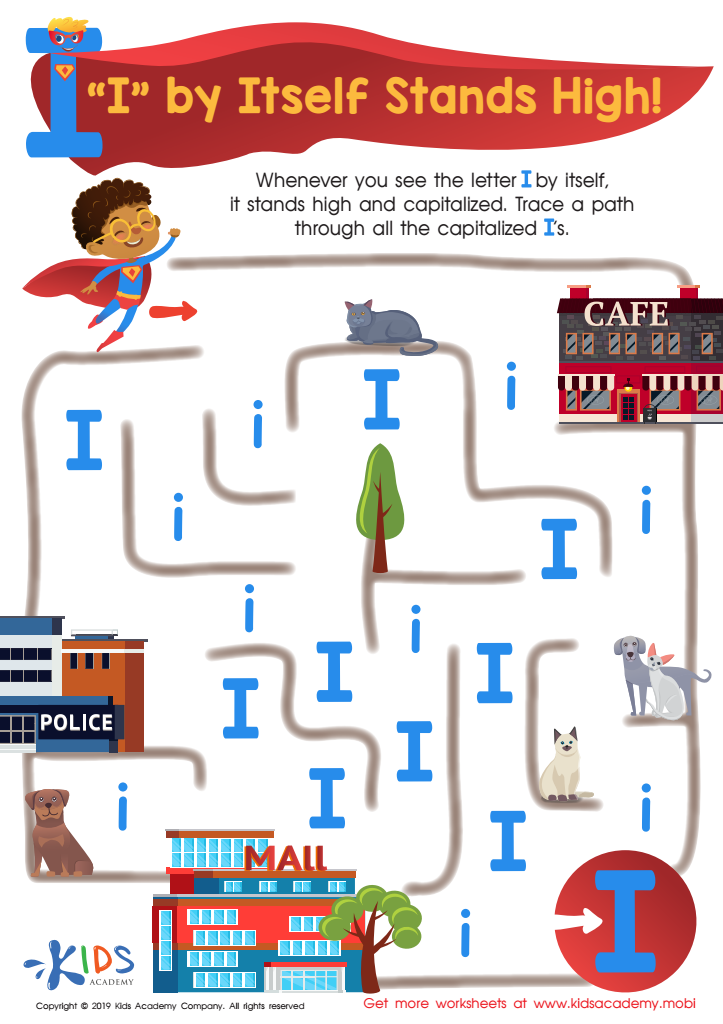
I Stands High Worksheet
 Assign to My Students









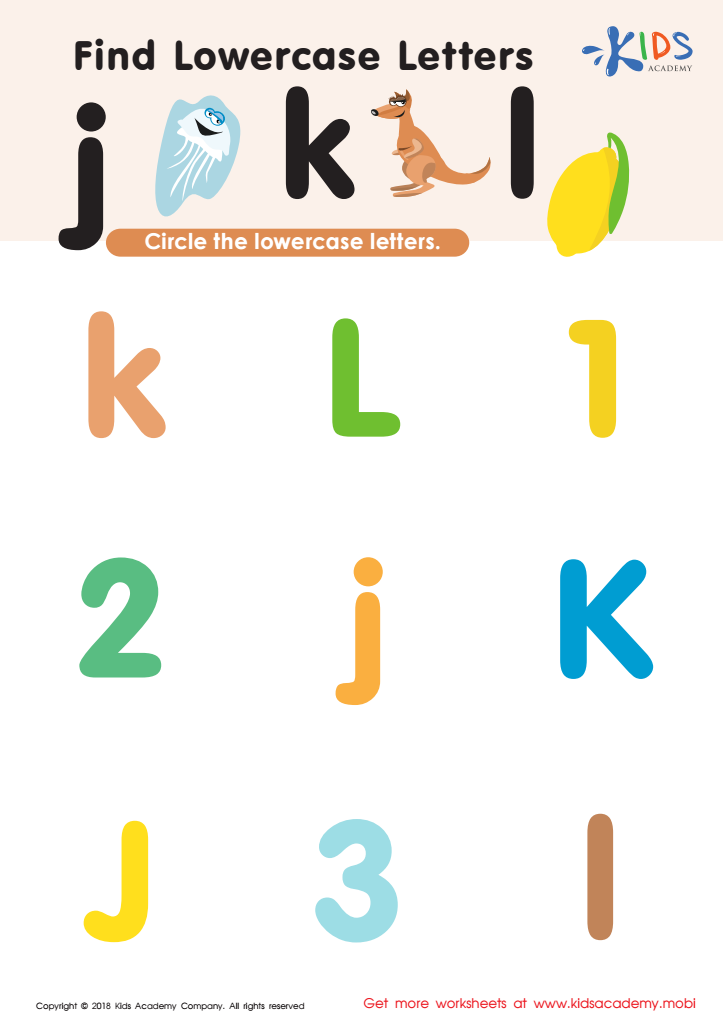
Find Lowercase Letters j k l Worksheet
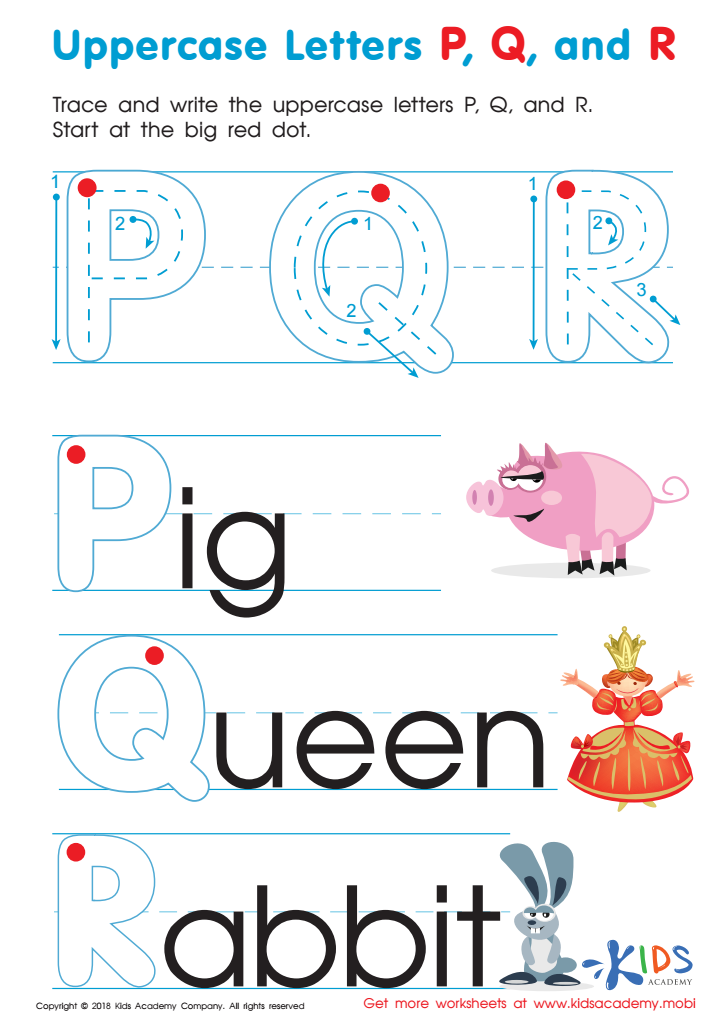
Uppercase Letters P, Q, and R Worksheet






Fine motor skills are essential for children aged 5-9 as they form the foundation for many academic and daily life activities. Mastering fine motor skills is crucial for writing, particularly when it comes to distinguishing between uppercase and lowercase letters. When children wield their pencils effectively, they develop better handwriting, enabling clearer communication of their thoughts and ideas.
Teachers and parents should care about this skill development because it impacts a child’s self-esteem and confidence in academic settings. As children learn to form letters correctly, they enhance their ability to participate in class and express themselves through writing. Good handwriting can affect a child's grades and willingness to engage in writing activities.
Moreover, fine motor skills extend beyond writing. Skills like buttoning clothes, using scissors, and tying shoelaces all rely on strong fine motor development. Engaging kids in activities that promote these skills fosters lifelong capabilities in tasks like managing personal belongings or engaging in hobbies like art and crafts.
Ultimately, emphasizing fine motor skills and letter recognition not only supports literacy development but also prepares children for everyday challenges, making them feel more competent and independent as they grow. Thus, parents and teachers play a vital role in nurturing these crucial skills.







