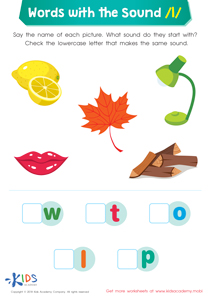
Letter recognition Uppercase Letters Worksheets for Ages 5-9
11 filtered results
-
From - To
Discover engaging and educational "Letter Recognition Uppercase Letters Worksheets" designed for children ages 5-9. Our captivating worksheets support young learners in identifying and memorizing uppercase letters while enhancing their reading and writing skills. Featuring fun themes, colorful images, and interactive exercises, each worksheet provides a delightful way to boost literacy. Perfect for use at home or in the classroom, these tools make mastering the alphabet enjoyable and effective. Visit us and watch your child's confidence and abilities flourish with our enriching worksheets tailored to foster early education.
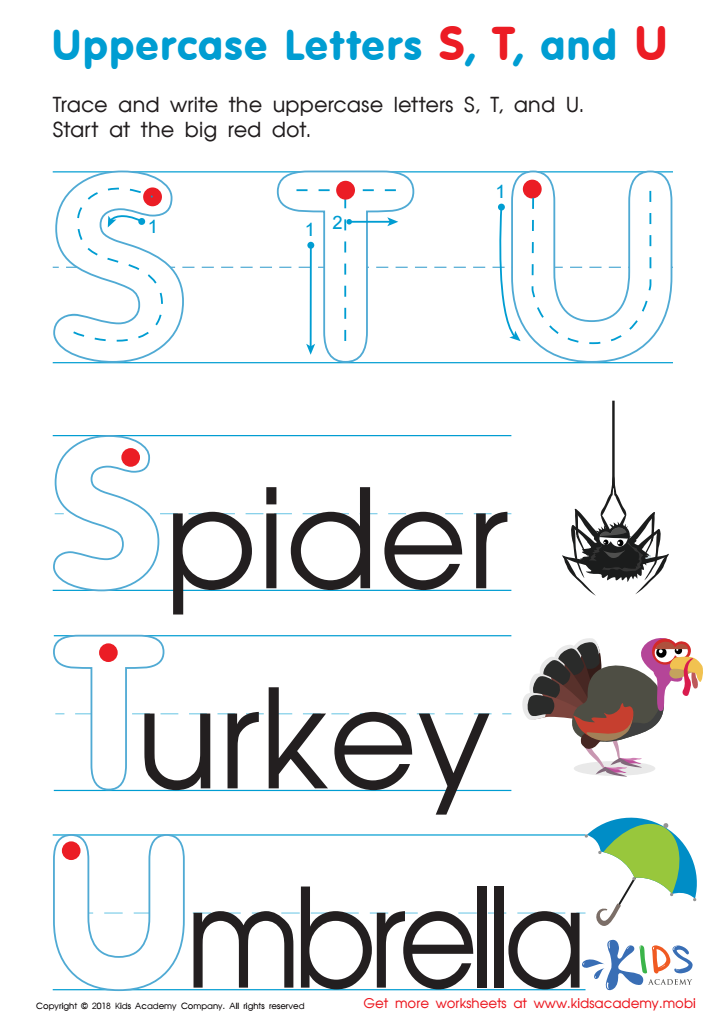
Uppercase Letters S, T, and U Worksheet
 Assign to My Students
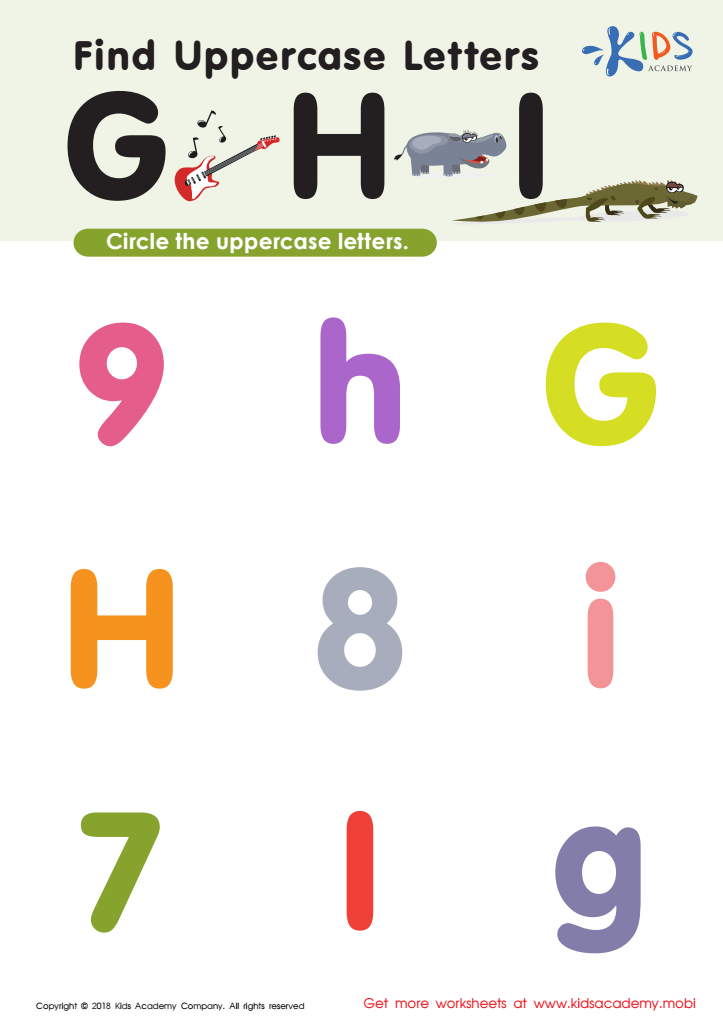
Find Uppercase Letters G, H, and I Worksheet
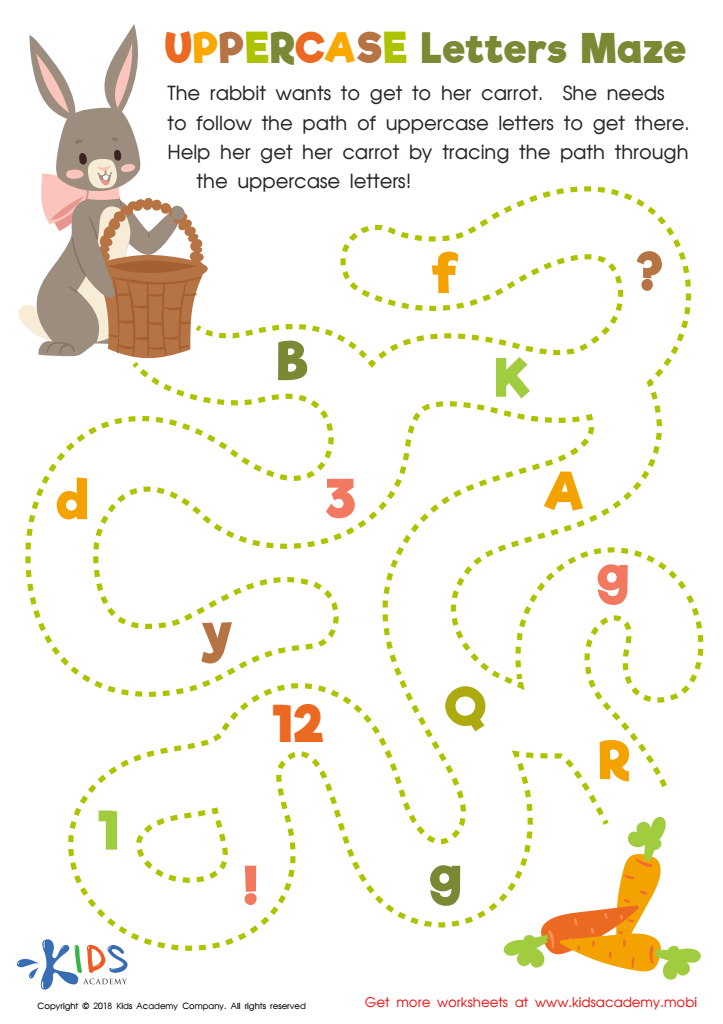
Uppercase Letters Maze Worksheet
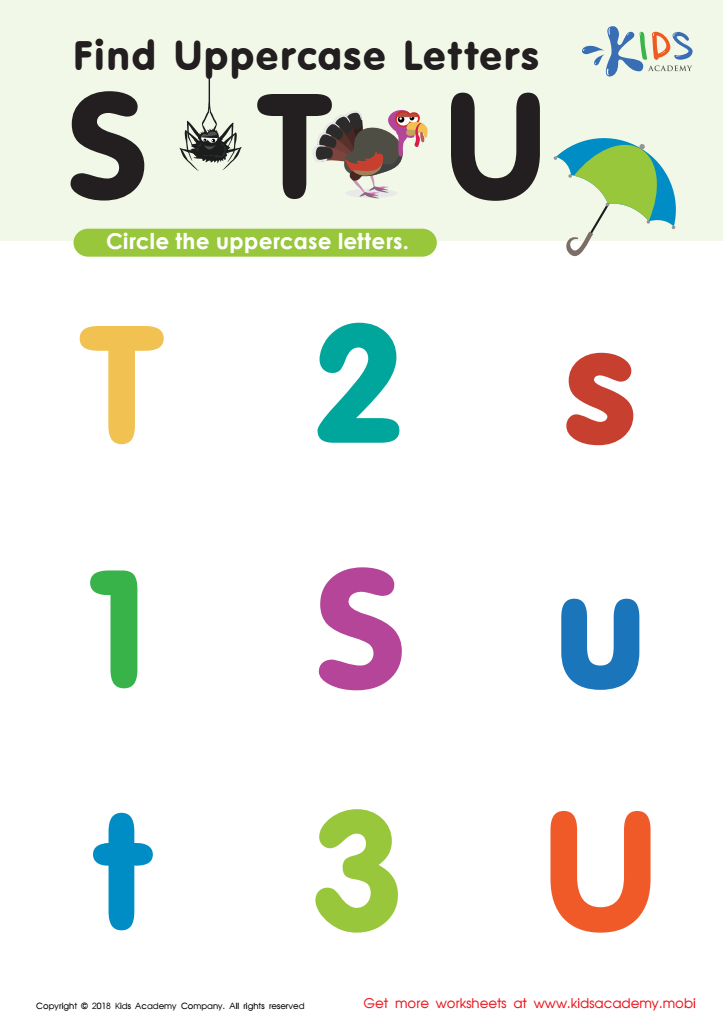
Find Uppercase Letters Worksheet
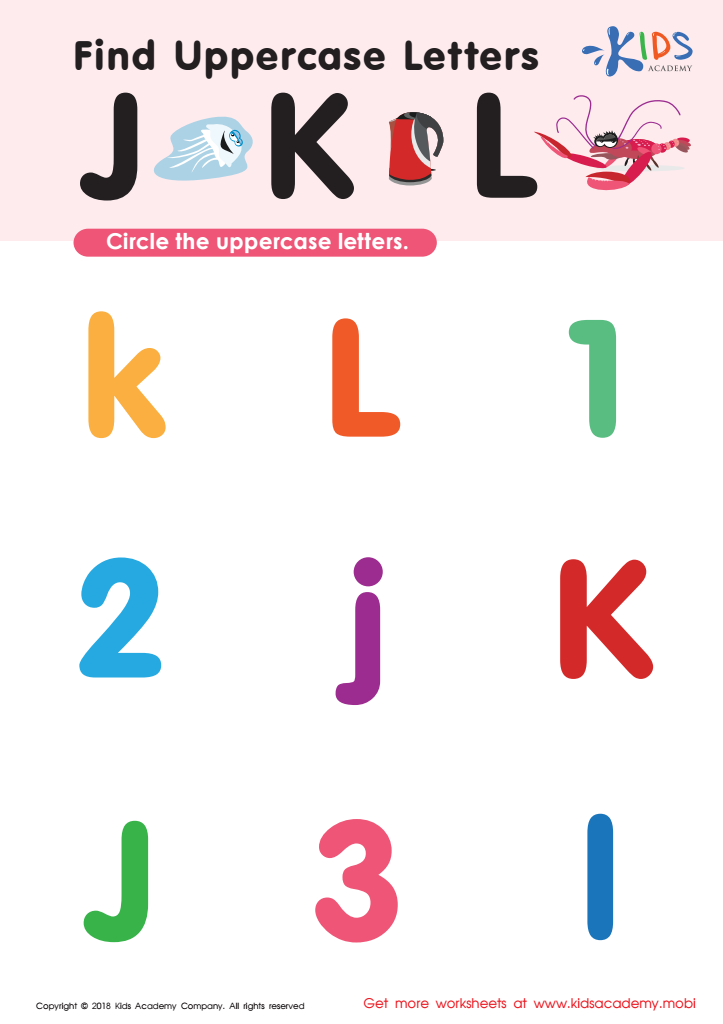
Find Uppercase Letters J, K, and L Worksheet
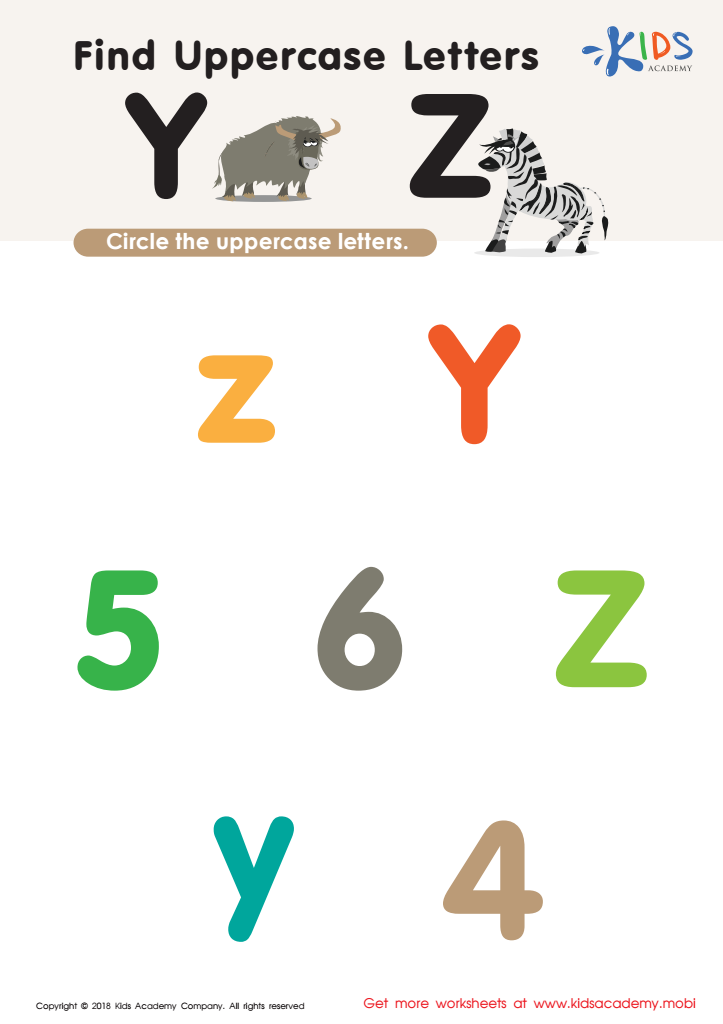
Find Uppercase Letters Y Z Worksheet
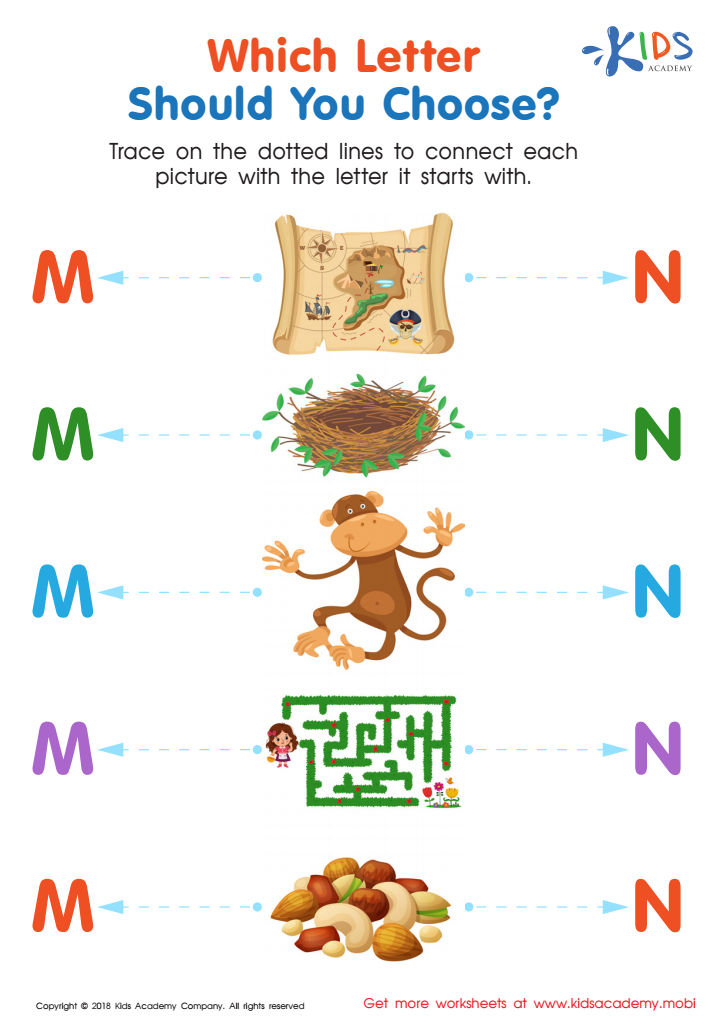
Which Letter Should you Choose? Worksheet
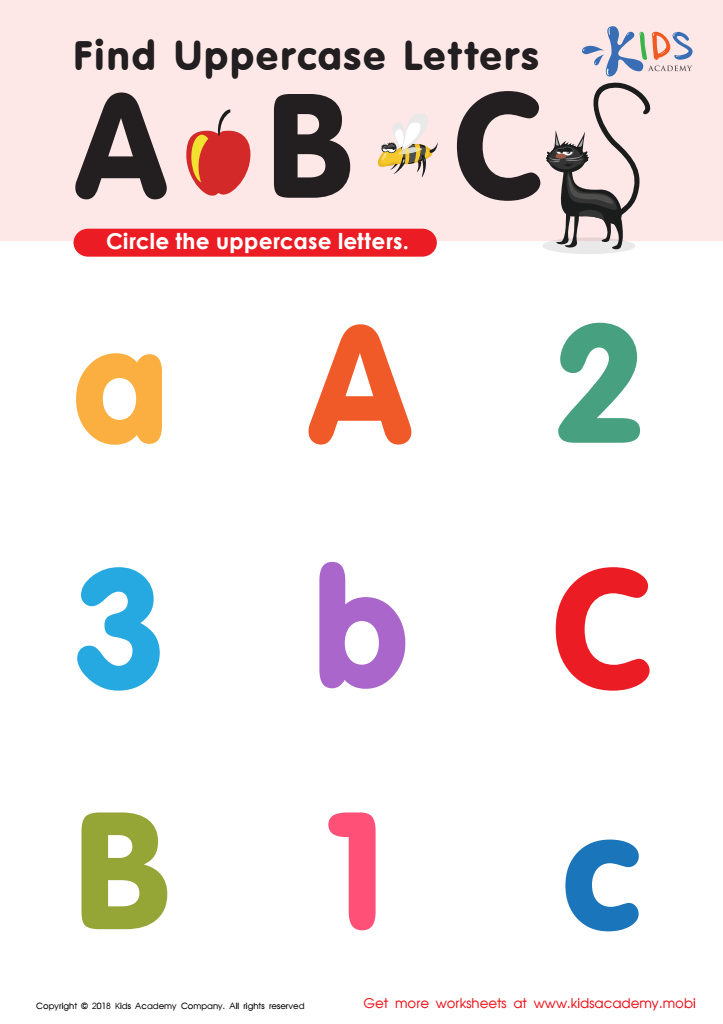
Find Uppercase Letters A, B, and C Worksheet
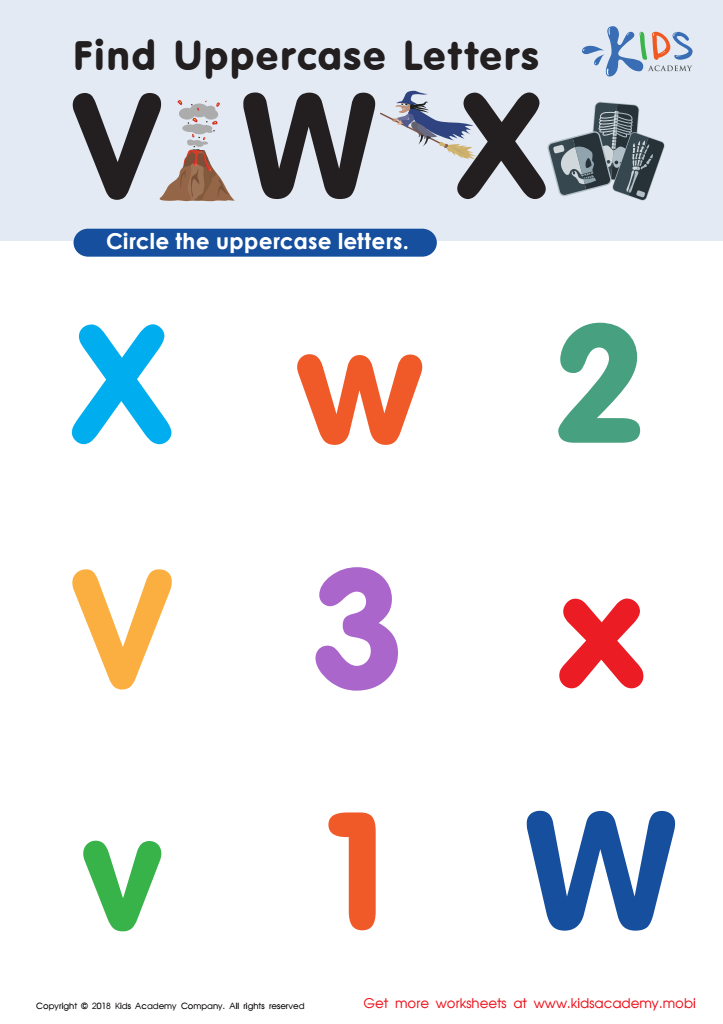
Find Uppercase Letters V, W, X Worksheet
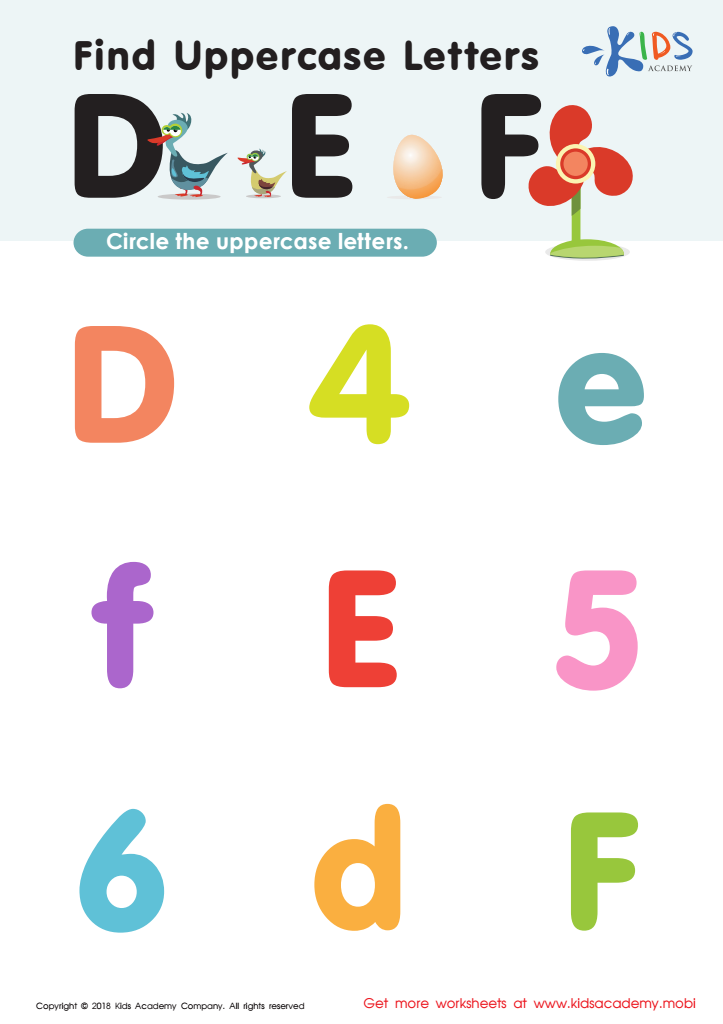
Find Uppercase Letters D, E, and F Worksheet
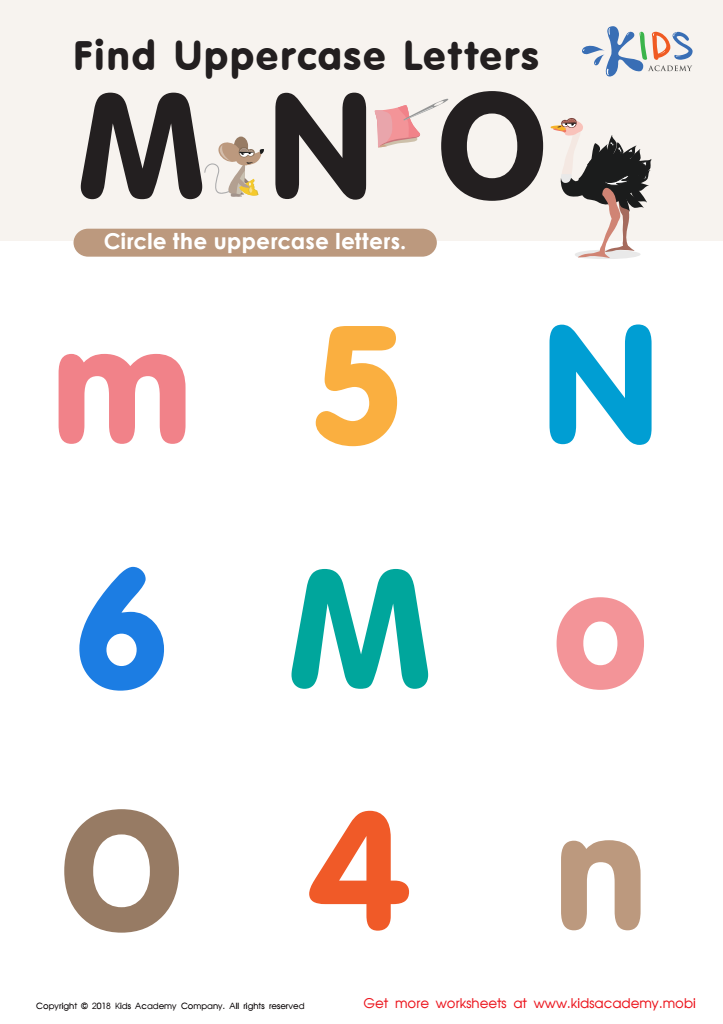
Find Uppercase Letters M, N, and O Worksheet








Letter recognition, particularly of uppercase letters, is crucial for children aged 5-9 as it serves as the foundational step in the process of learning to read and write. During these formative years, children's brains are highly adaptable and responsive to new information, making it the perfect time to introduce the basics of literacy. Recognizing uppercase letters helps kids make connections between spoken language and written symbols. This enables them to comprehend the structure of text and begin the journey towards fluency in reading.
For parents and teachers, focusing on uppercase letter recognition can have multiple benefits. It is a confidence-building exercise; children often find uppercase letters easier to distinguish and reproduce due to their simple and standardized shapes. As they gain confidence in identifying uppercase letters, they will be more motivated to delve into lowercase letters and, subsequently, whole words and sentences.
Acknowledging these skills extends beyond just reading; it enhances cognitive development, including memory, attention, and visual processing skills. Early recognition shapes effective communication skills by offering children the tools they need to express themselves in written form. Therefore, a strong emphasis on teaching uppercase letter recognition from a young age helps pave the way for lifelong literacy and academic success, making it a priority for both teachers and parents.