Shape identification Coloring Pages Worksheets for Ages 5-9
3 filtered results
-
From - To
Unlock creativity and learning with our Shape Identification Coloring Pages Worksheets, designed specifically for children aged 5-9! These engaging worksheets combine artistry and education, helping young learners recognize and differentiate various shapes through fun coloring activities. Each page features delightful illustrations of shapes, encouraging kids to explore their creativity while reinforcing essential geometric concepts. Our shape identification worksheets promote fine motor skills, color recognition, and cognitive development in an enjoyable way. Perfect for classroom settings or at-home learning, these resources will captivate your child’s imagination while making learning shapes a delightful experience. Download now and watch learning come to life!
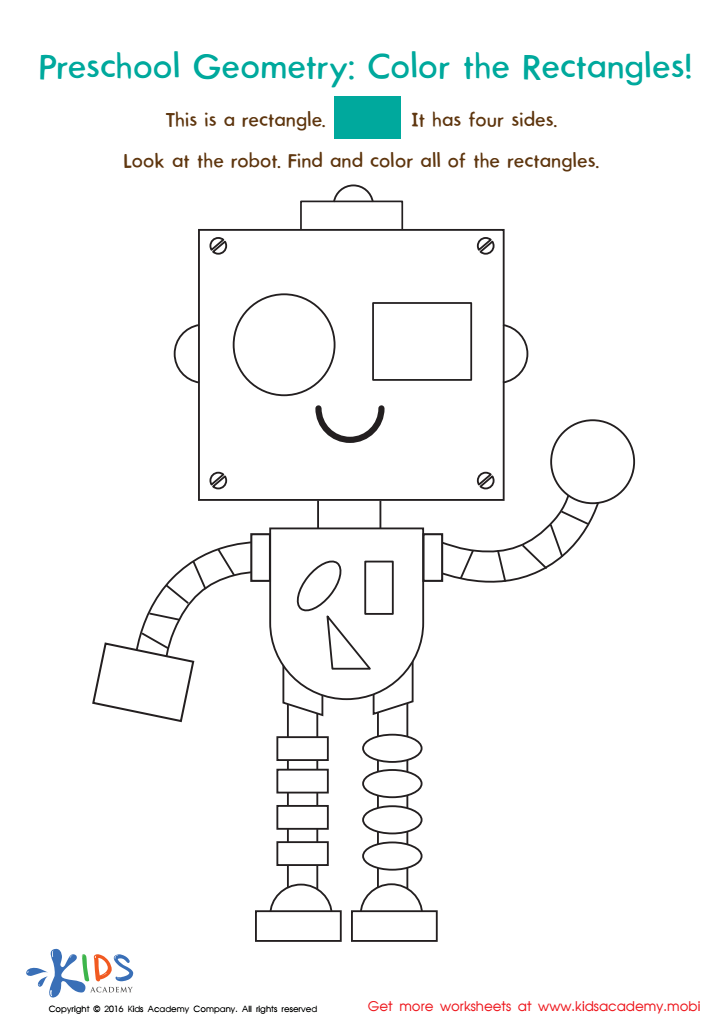
Geometry Worksheet
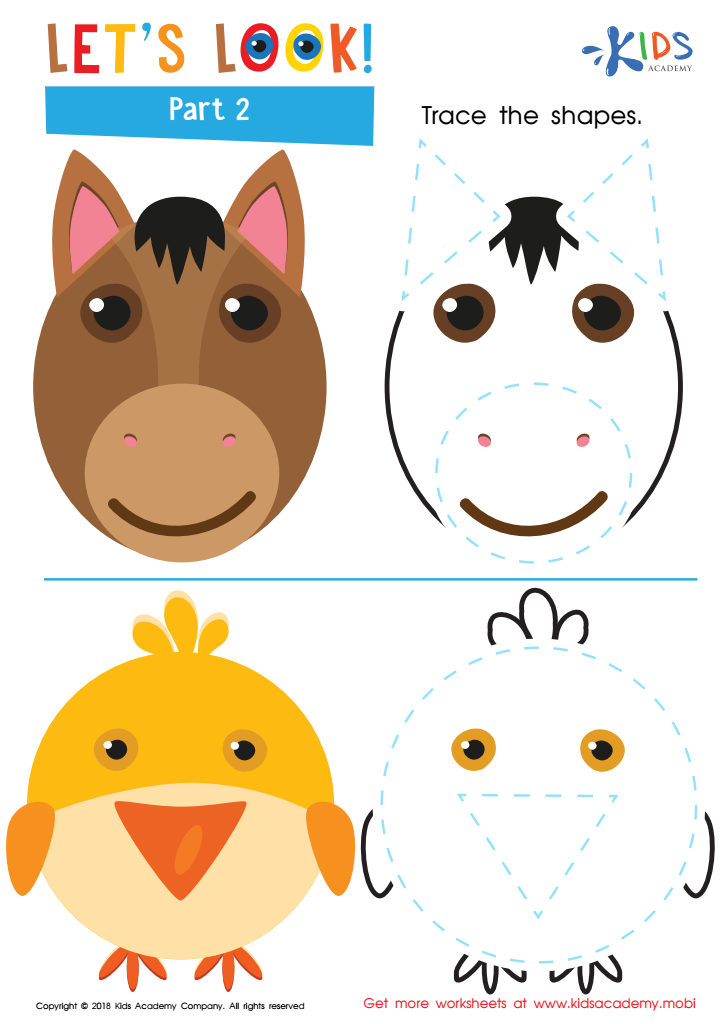
Let's Look! Part 2 Worksheet
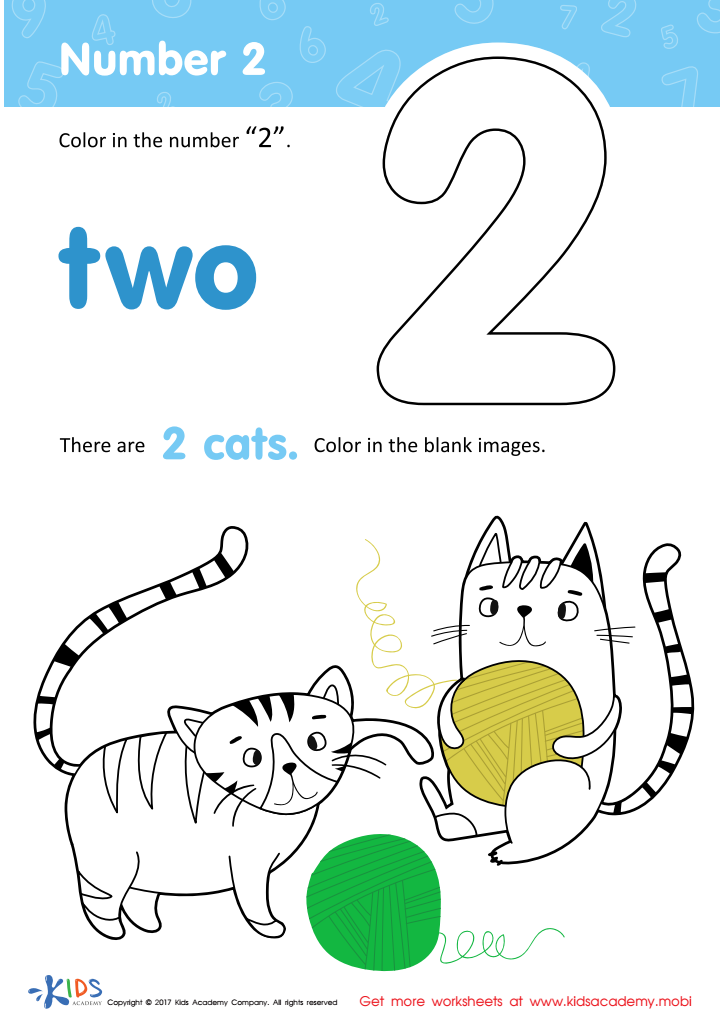
Number 2 Printable
 Assign to My Students



.jpg)




Shape identification coloring pages are an excellent tool for parents and teachers to support the cognitive and creative development of children aged 5-9. These activities offer a fun and engaging way for young learners to develop essential skills, such as shape recognition, fine motor skills, and creativity. Identifying and coloring different shapes enhances spatial awareness and helps children understand the world around them.
By recognizing shapes, children build a foundation for mathematical concepts, which will benefit them in future learning. Coloring also fosters creativity, allowing children to express themselves artistically. Moreover, this activity encourages focus and patience, promoting attention to detail.
Incorporating shape identification coloring pages into daily routines can expand language skills as parents and teachers engage children in conversations about colors, shape names, and objects in their environment. This multifaceted approach supports holistic development—cognitive, social, and emotional.
Ultimately, when parents and teachers prioritize activities like shape identification coloring pages, they contribute to essential skill development while fostering a love for learning. This proactive engagement can inspire children to explore more complex concepts with confidence, laying the groundwork for lifelong learning.