Letter tracing skills English for Beginners Worksheets for Ages 5-9
3 filtered results
-
From - To
Our "Letter Tracing Skills: English for Beginners" worksheets are designed specifically for kids ages 5-9. These fun and engaging activities help young learners mastering the alphabet and improve their handwriting. Ideal for ESL students, each worksheet combines clear examples with ample practice space, enabling children to trace and write letters with confidence. Tracing skills are essential for developing fine motor skills, ensuring students can write English letters accurately. Perfect for both classroom settings and at-home learning, our worksheets make the process enjoyable and educational. Set your child on the path to literacy success with our expertly crafted tracing resources!
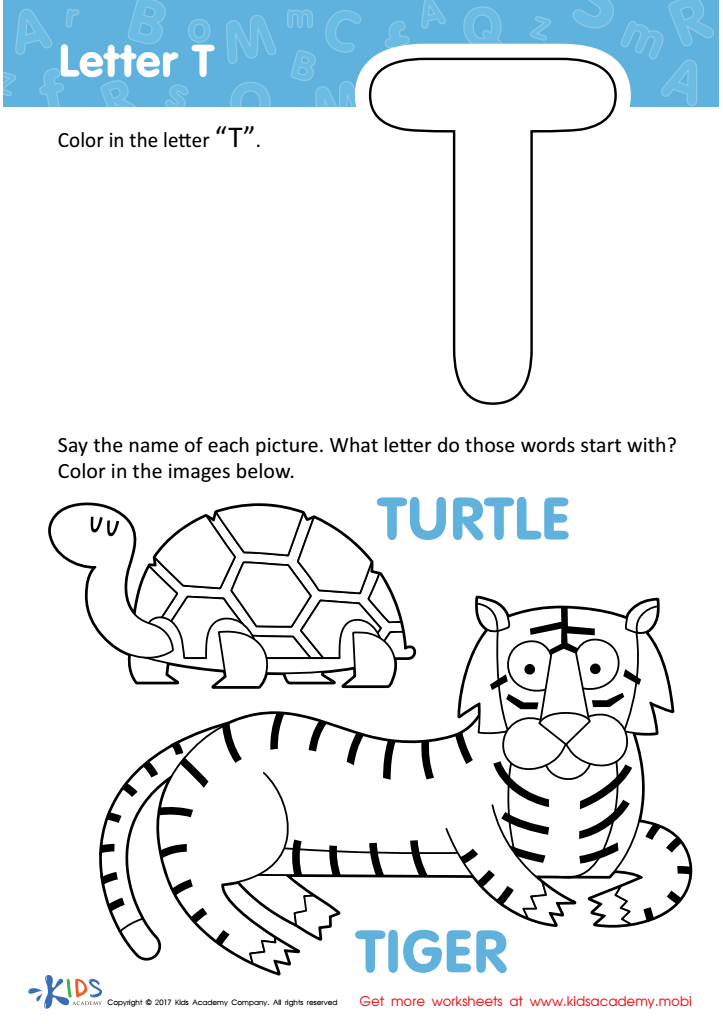
Letter T Coloring Sheet
 Assign to My Students
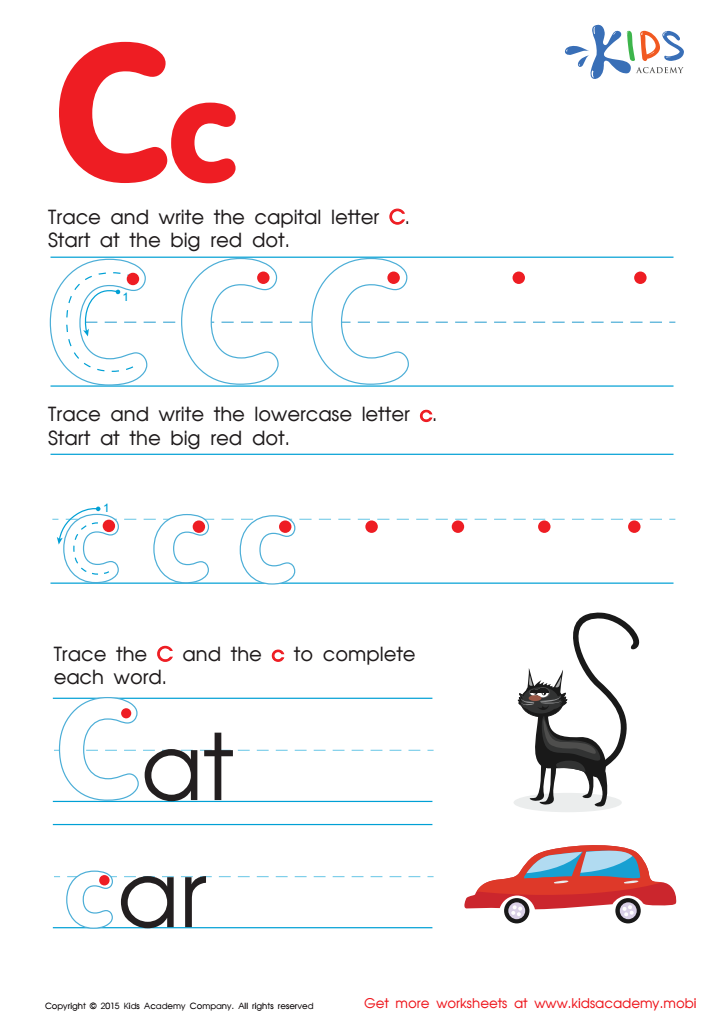
Letter C Tracing Page
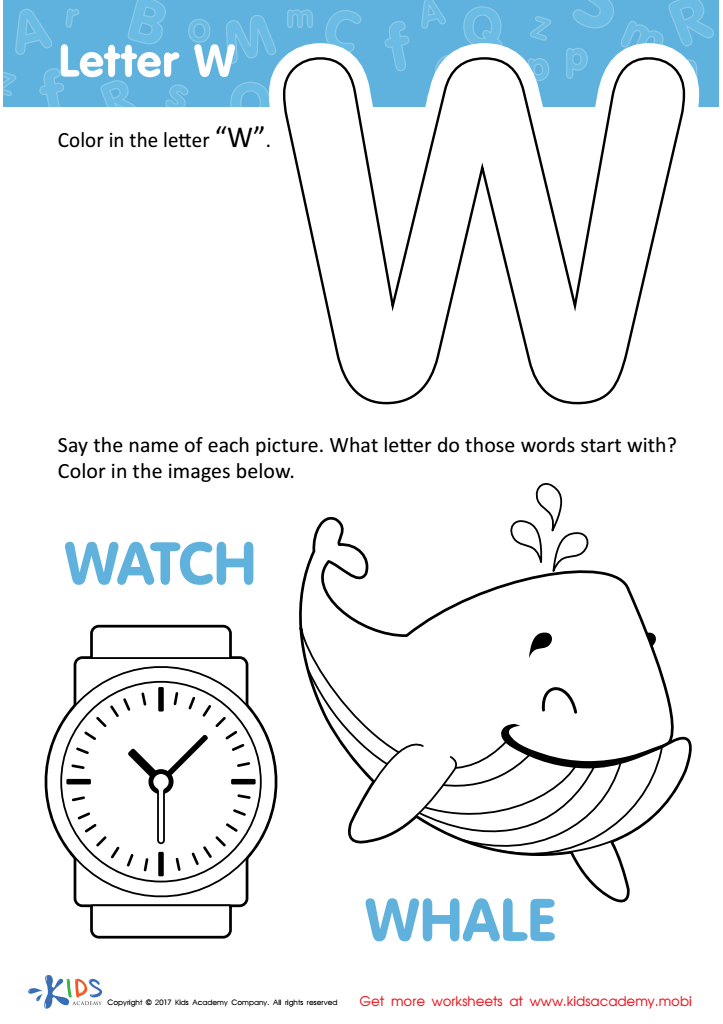
Letter W Coloring Sheet
Assign to My Students





Developing letter tracing skills in children aged 5-9 is essential for multiple aspects of their educational journey. First, fine motor skills are significantly improved through letter tracing. When children trace letters, they fortify the small muscles in their hands and fingers, preparing them for various tasks like writing, cutting, and other classroom activities that require precision.
Moreover, letter tracing lays a foundation for literacy by helping children understand the alphabet’s structure. It teaches the fundamental building blocks of written language, aiding in the recognition of letter shapes and sounds, which is crucial for reading and writing. As children become proficient at tracing letters, they can transition to writing letters independently, fostering a smoother, less frustrating learning experience.
In addition to cognitive benefits, tracing letters also cultivates discipline and focus. The repetitive motion required to accurately trace letters teaches children patience and attention to detail. Such skills are transferable to other learning areas, enhancing overall academic performance.
Lastly, letter tracing is a confidence booster. As children witness their progress, from shaky initial attempts to more precise letters, they gain a sense of achievement and self-esteem, which fuels a positive attitude toward learning. By fostering these critical early skills, parents and teachers set the stage for lifelong educational success.