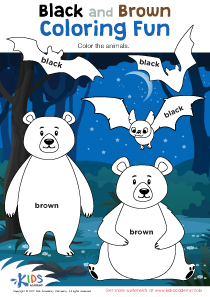
Vocabulary Building English for Beginners Worksheets for Ages 5-9
6 filtered results
-
From - To
Enhance your child’s English language skills with our engaging Vocabulary Building Worksheets, specifically designed for beginners ages 5-9. Our interactive worksheets help young learners expand their vocabulary through fun activities, including matching words to pictures, fill-in-the-blanks, and word searches. Each worksheet is crafted to boost language comprehension and retention, making learning enjoyable. Perfect for ESL learners, these resources promote word recognition and understanding in a playful manner. Support your child’s educational journey and ignite their love for language with our thoughtfully curated vocabulary exercises. Start building their confidence in English today with our user-friendly and effective worksheets!
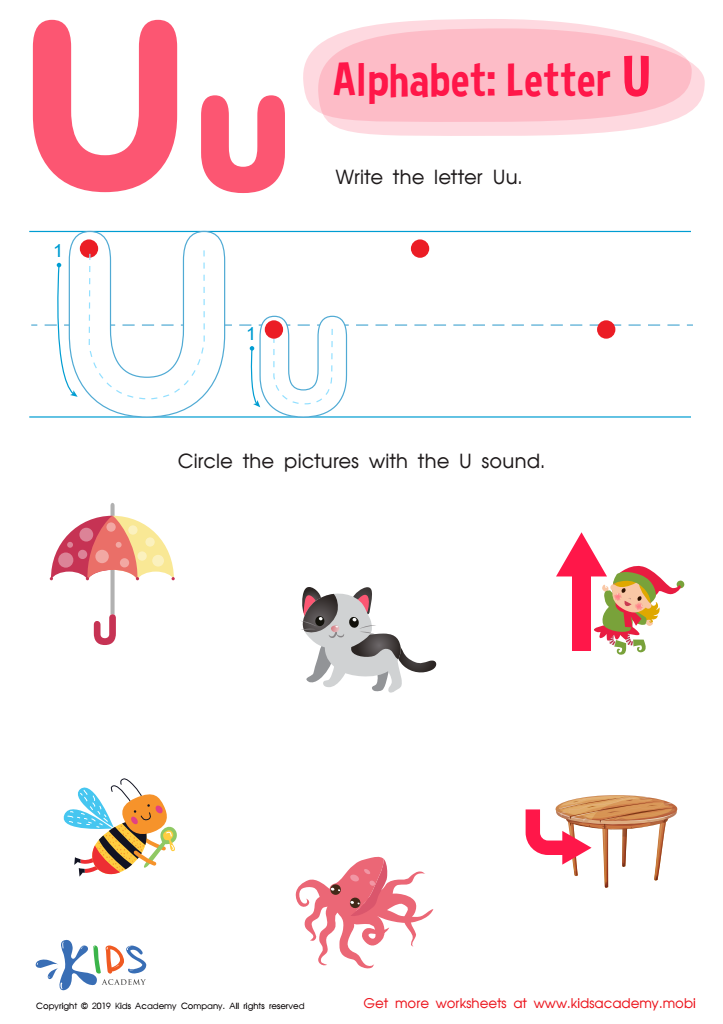
Letter U Tracing Worksheet
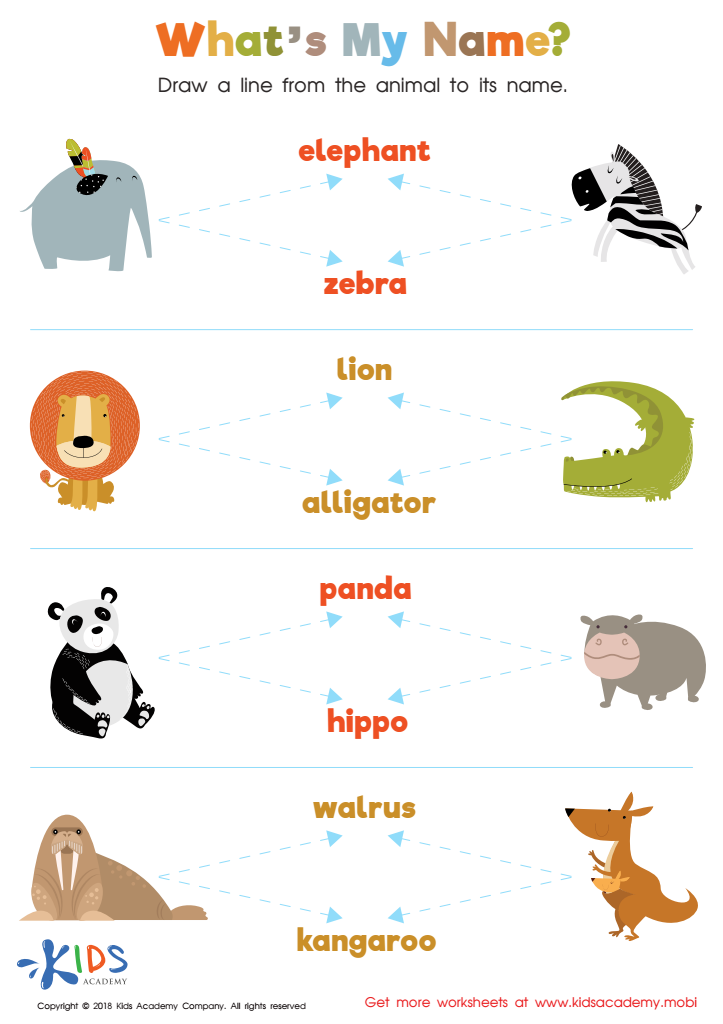
Animals and Their Names Worksheet
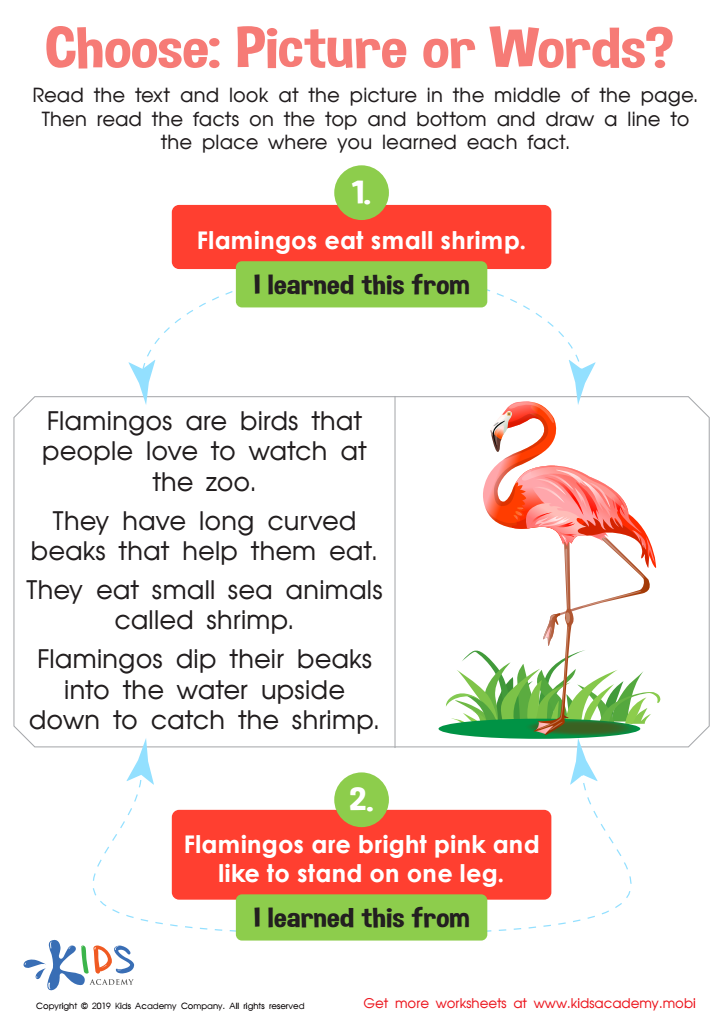
Choose Picture Words Worksheet
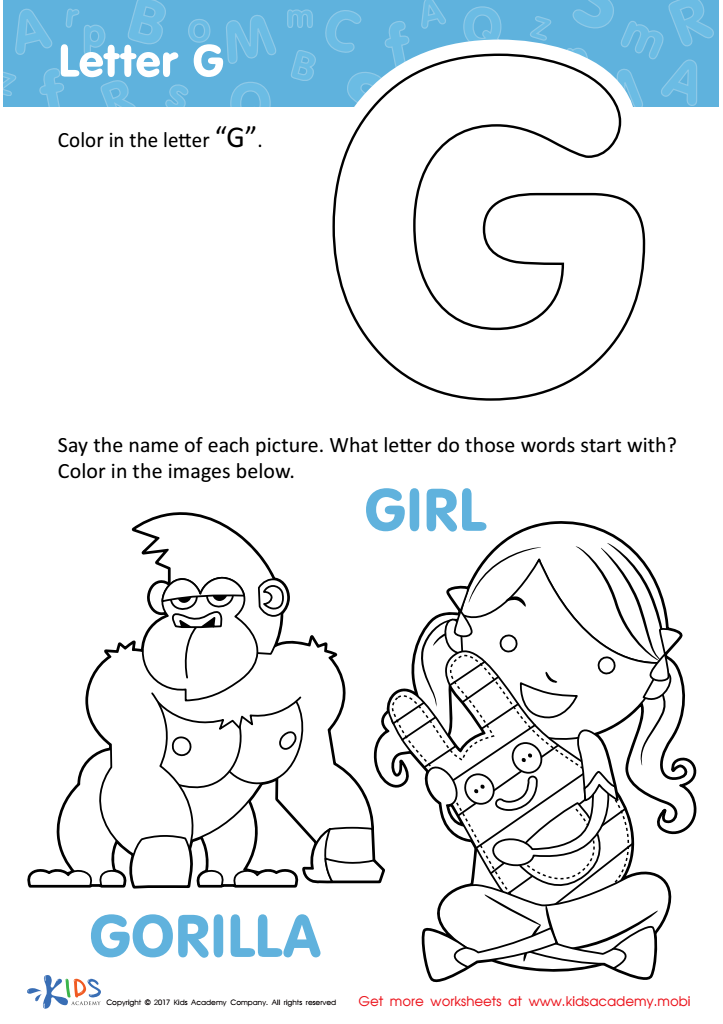
Letter G Coloring Sheet
 Assign to My Students
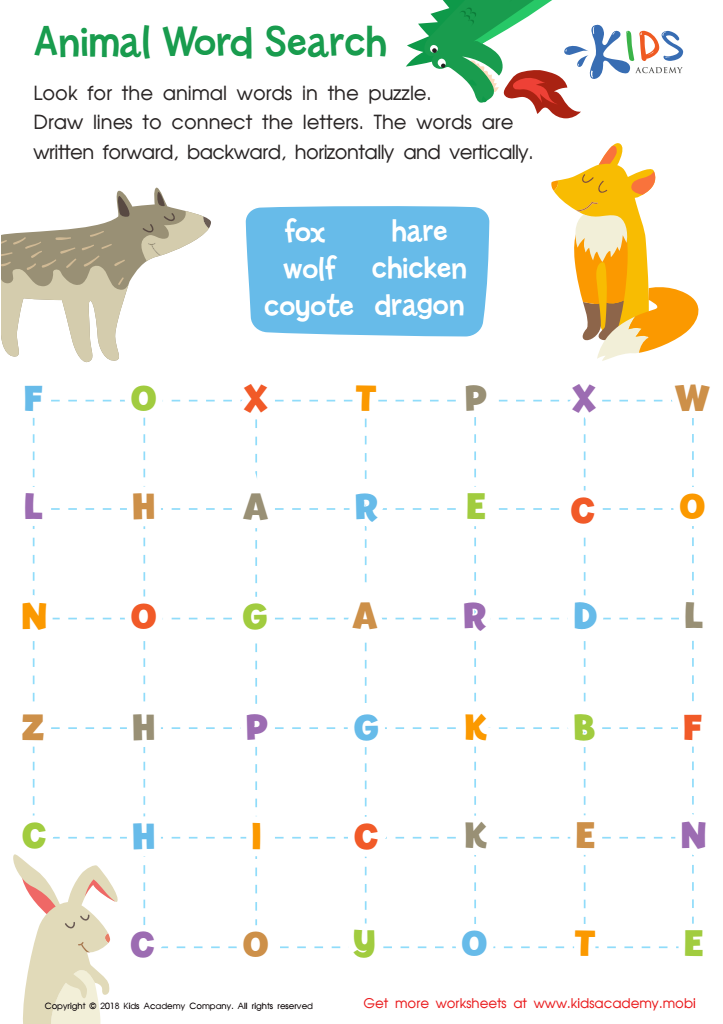
Animal Word Search Worksheet
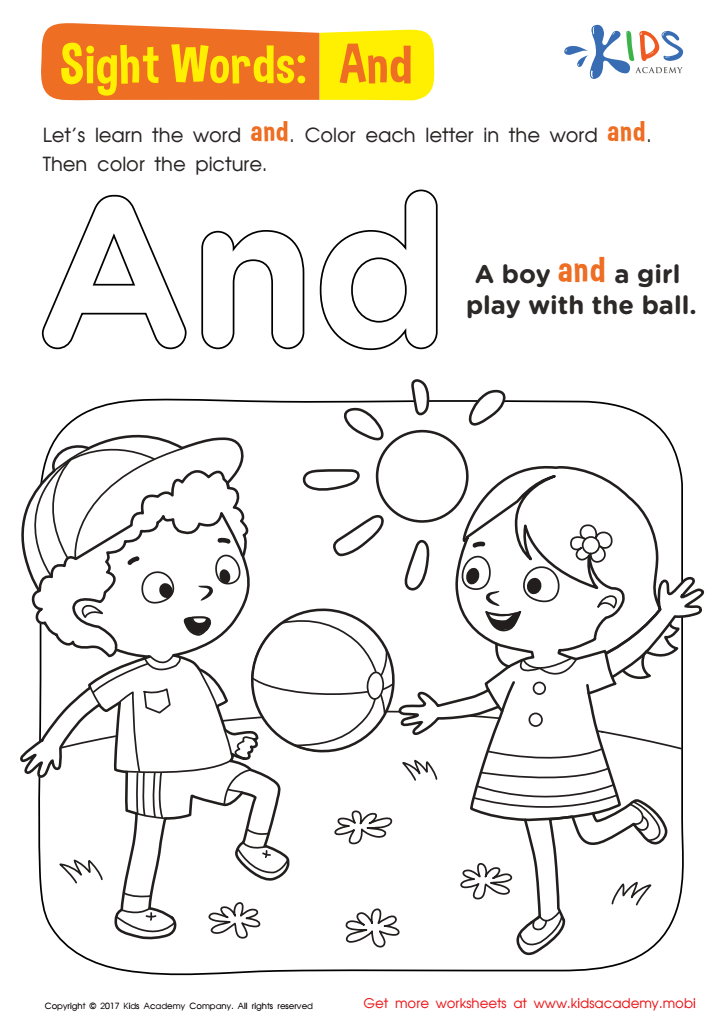
And Worksheet Sight Words Worksheet
Assign to My Students




Parents and teachers should prioritize vocabulary building for English beginners aged 5-9 for several vital reasons. First, a strong vocabulary is foundational to literacy; it enhances reading comprehension and communication skills. Early exposure to diverse words encourages children to express their thoughts, needs, and feelings more effectively. As they develop vocabulary, they also build a love for language, making them more eager to learn.
Furthermore, vocabulary enhancement during these formative years supports cognitive development. Children learn to categorize and associate meanings, laying the groundwork for critical thinking and problem-solving skills. Engaging in vocabulary activities fosters curiosity and encourages exploration, which contributes to overall academic success.
Additionally, children from linguistically rich environments often perform better academically. When parents and teachers actively engage in vocabulary-building activities, they create an enriching learning atmosphere where children feel supported and motivated.
Finally, strong vocabulary skills bolster confidence. As children acquire new words and can use them correctly, they gain a sense of achievement that promotes a positive self-image and fosters a lifelong love for learning. Therefore, investing time and resources in vocabulary development for young learners is essential for their educational journey and personal growth.