Alphabet Recognition Worksheets for Ages 5-9
79 filtered results
-
From - To
Explore our engaging Alphabet Recognition Worksheets designed specifically for children aged 5-9. These worksheets provide an interactive and fun way to enhance your child’s letter identification skills. Featuring colorful illustrations and diverse activities, they cater to various learning styles, ensuring all kids can grasp the basics of the alphabet. From tracing and coloring to matching letters with images, our worksheets offer a comprehensive approach to mastering letter recognition. Perfect for at-home learning or classroom use, these resources foster early literacy skills while keeping children entertained. Start your child's alphabet journey today with our carefully crafted activities!
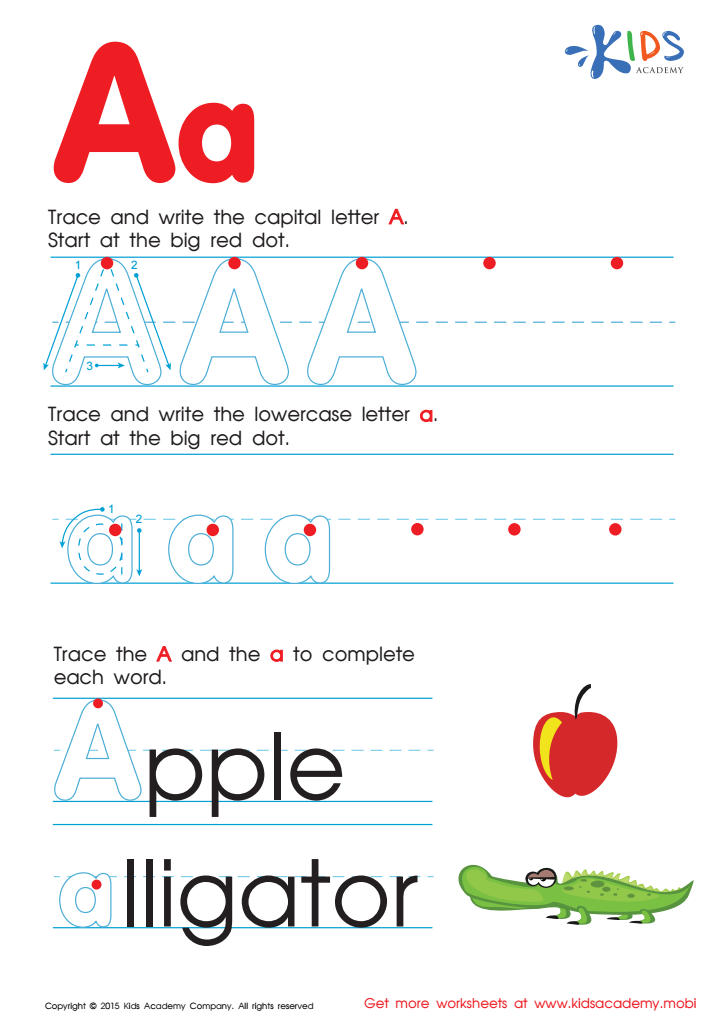
Letter A Tracing Page
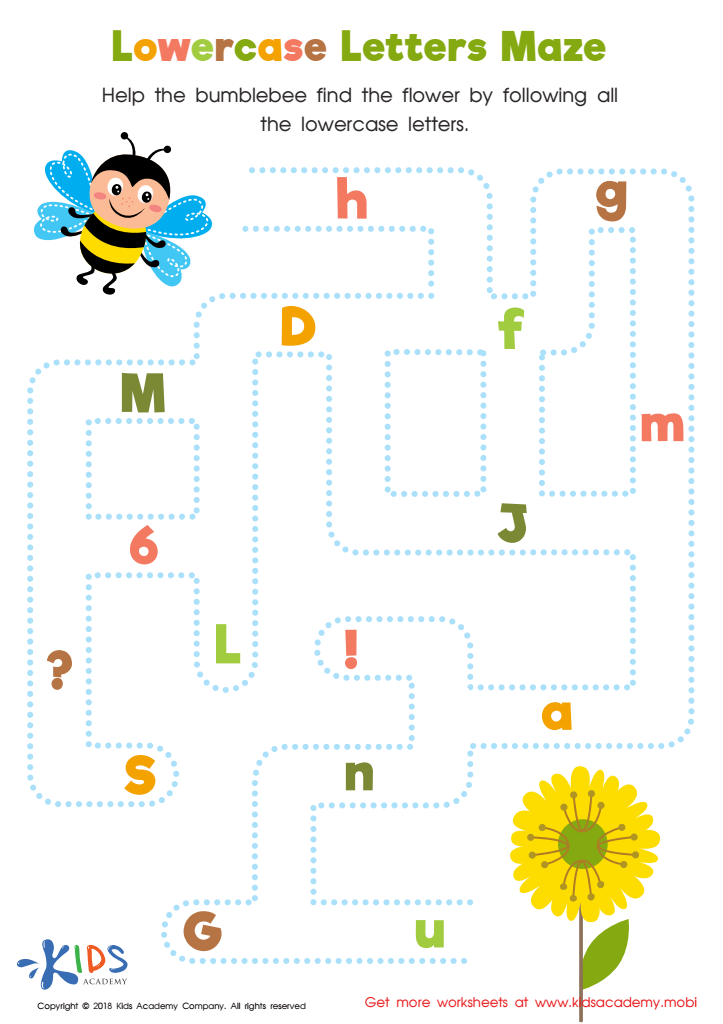
Lowercase Letters Maze Worksheet
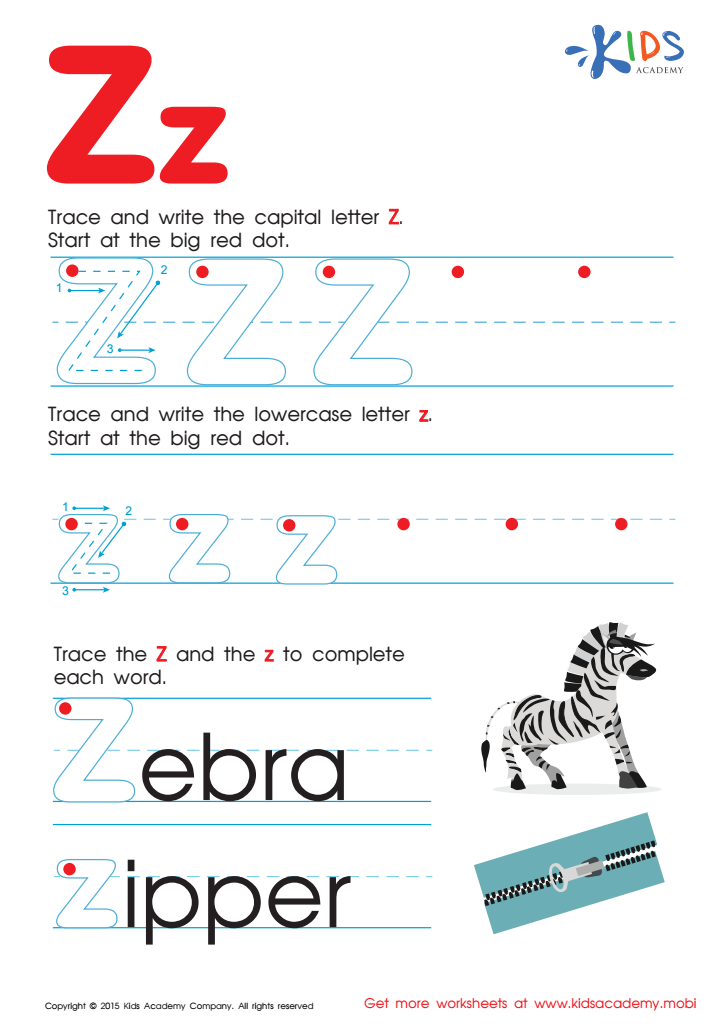
Letter Z Tracing Page
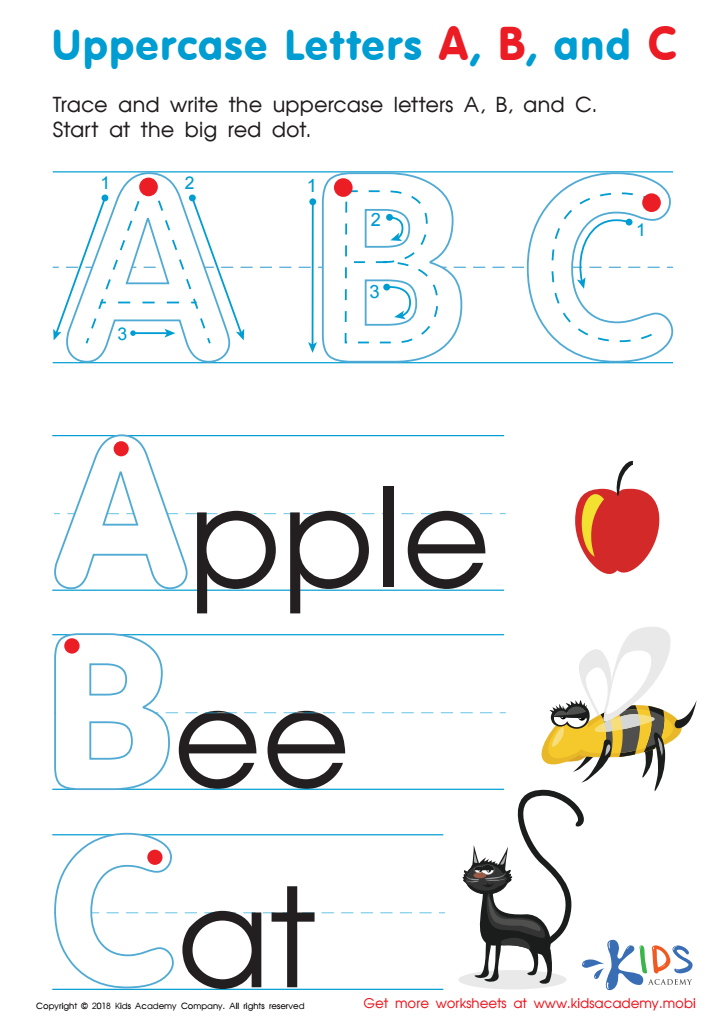
Uppercase Letters A, B, and C Worksheet
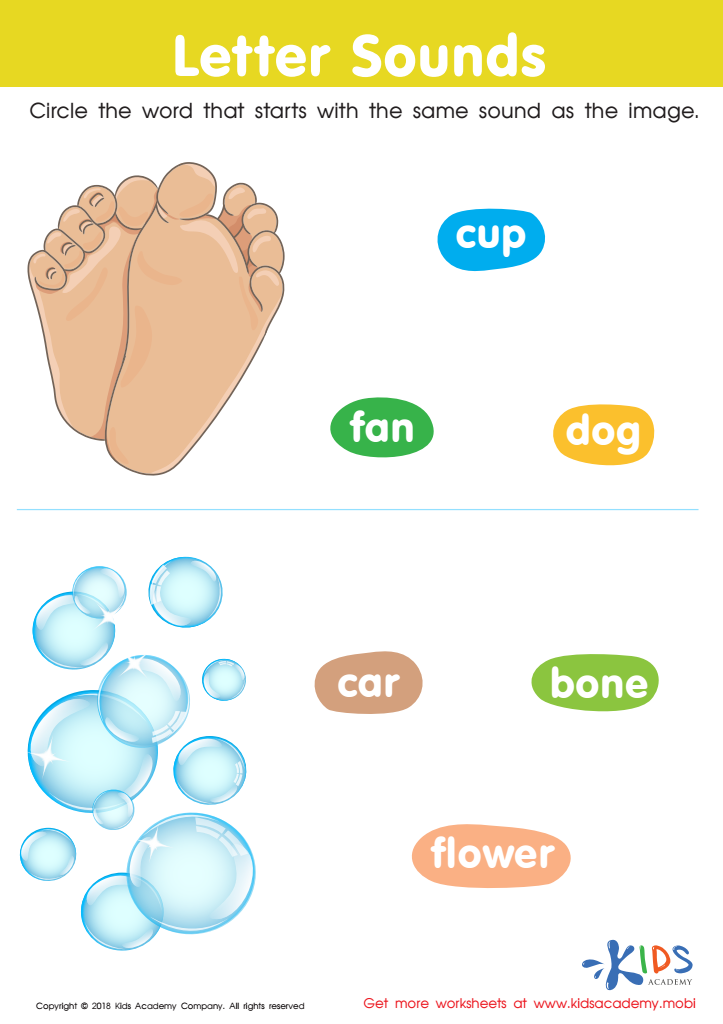
letter sounds Worksheet
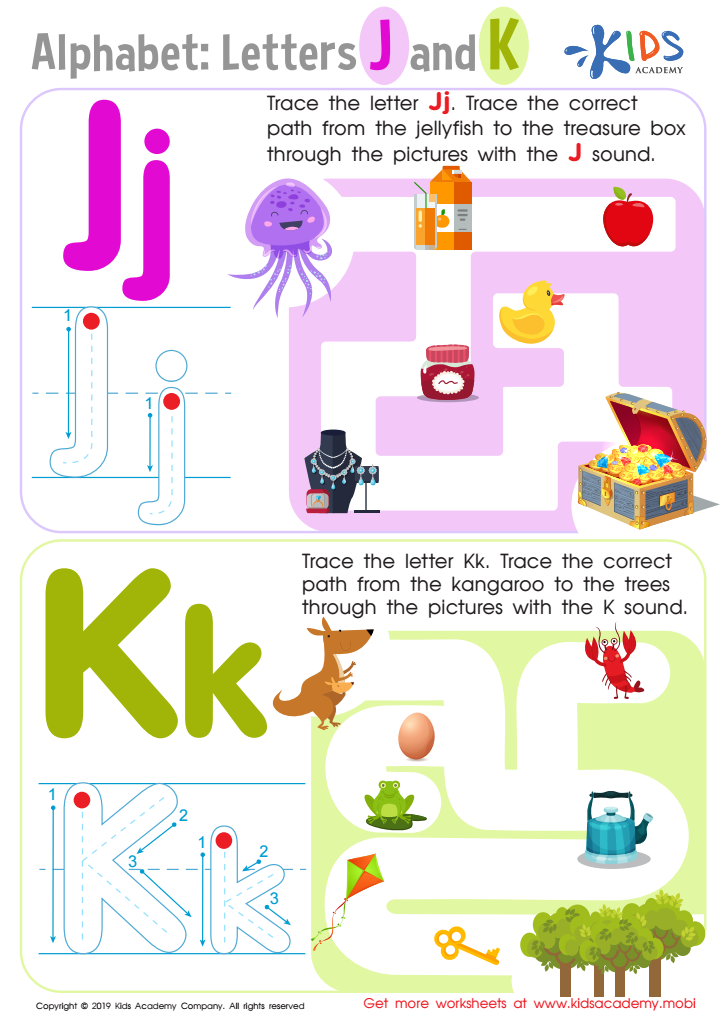
Letters J and K Tracing Worksheet
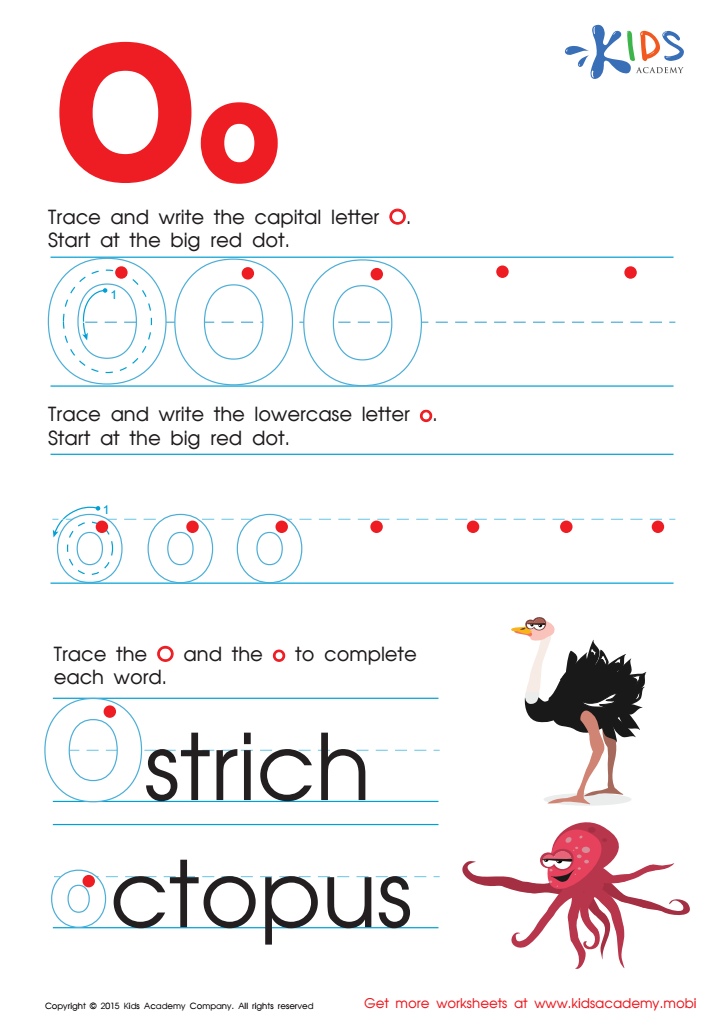
Letter O Tracing Page
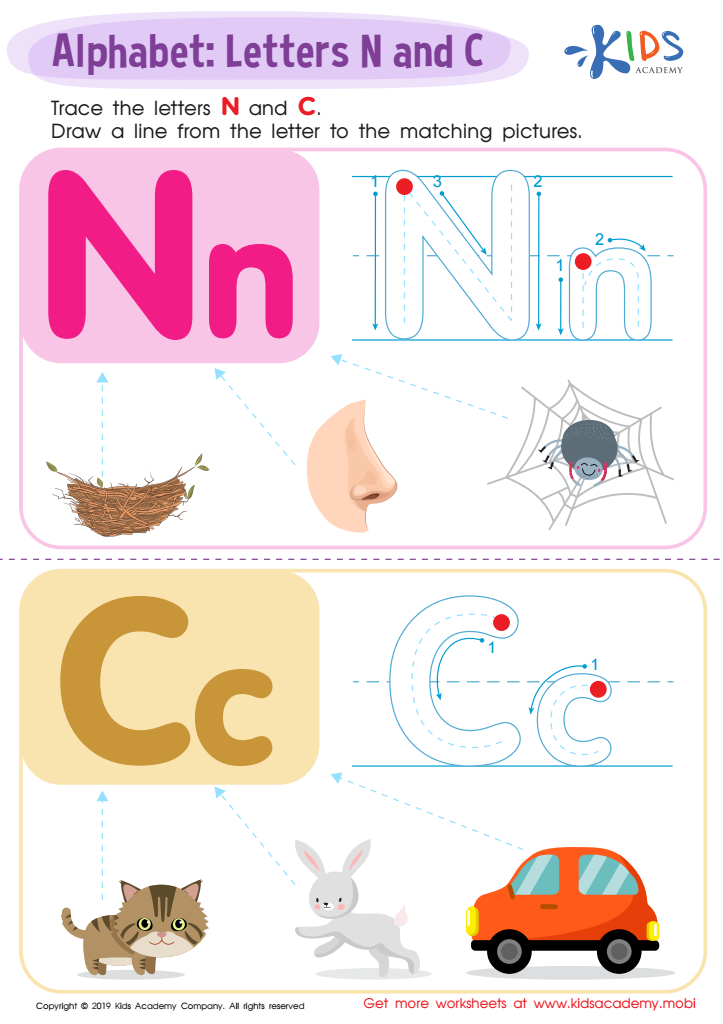
Letter N and C Tracing Worksheet
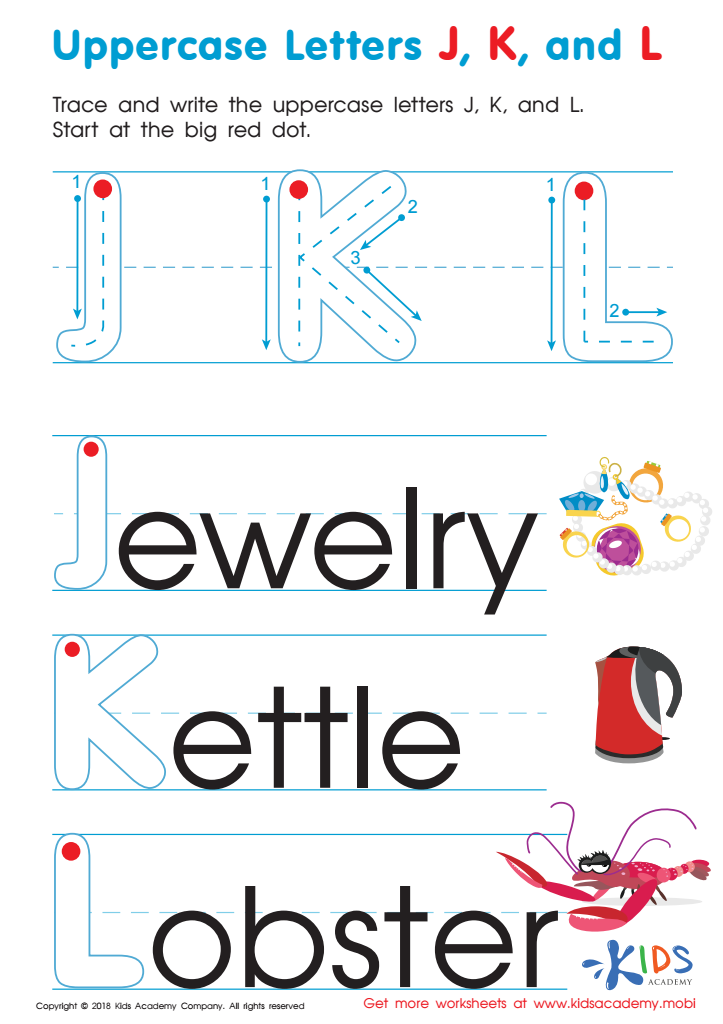
Uppercase Letters J, K, and L Worksheet
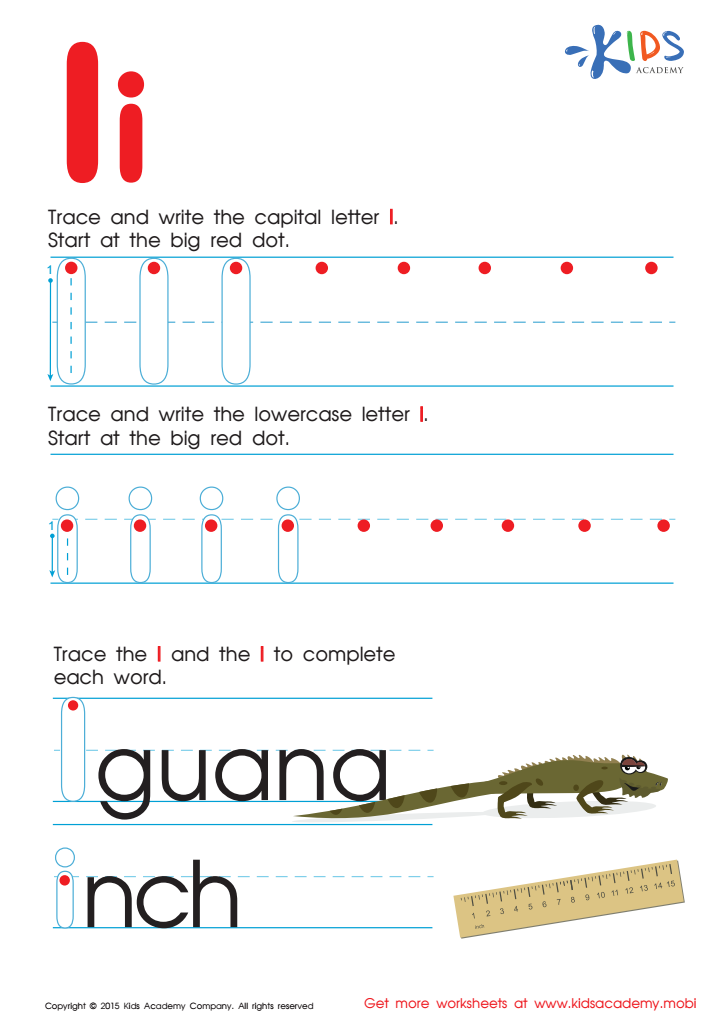
Letter I Tracing Page
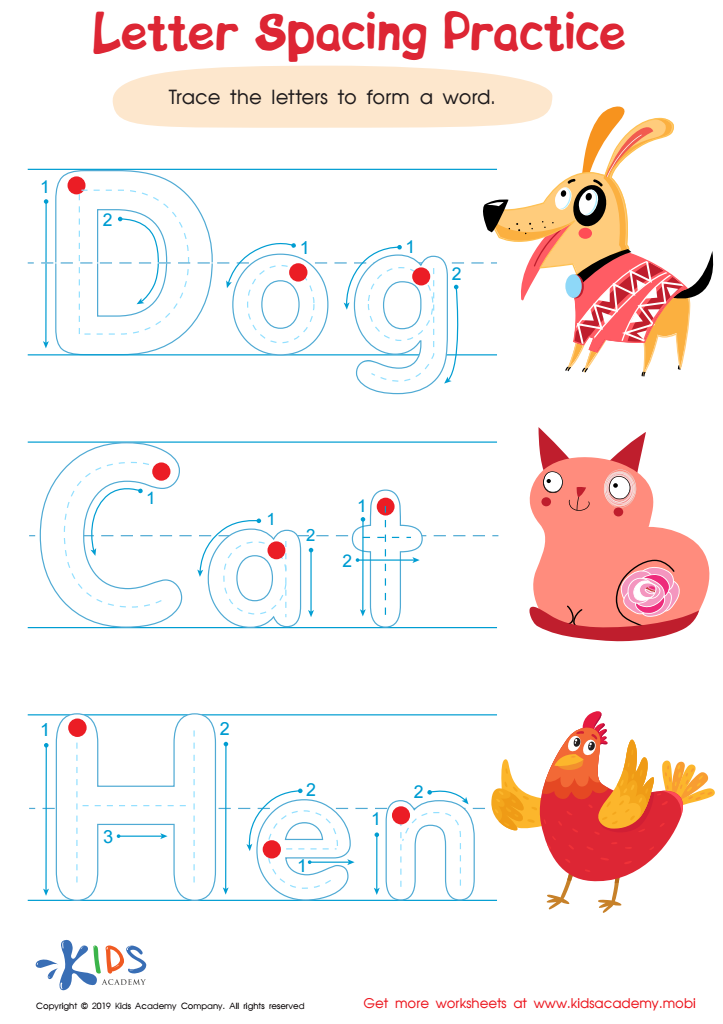
Letter Spacing Practice Worksheet
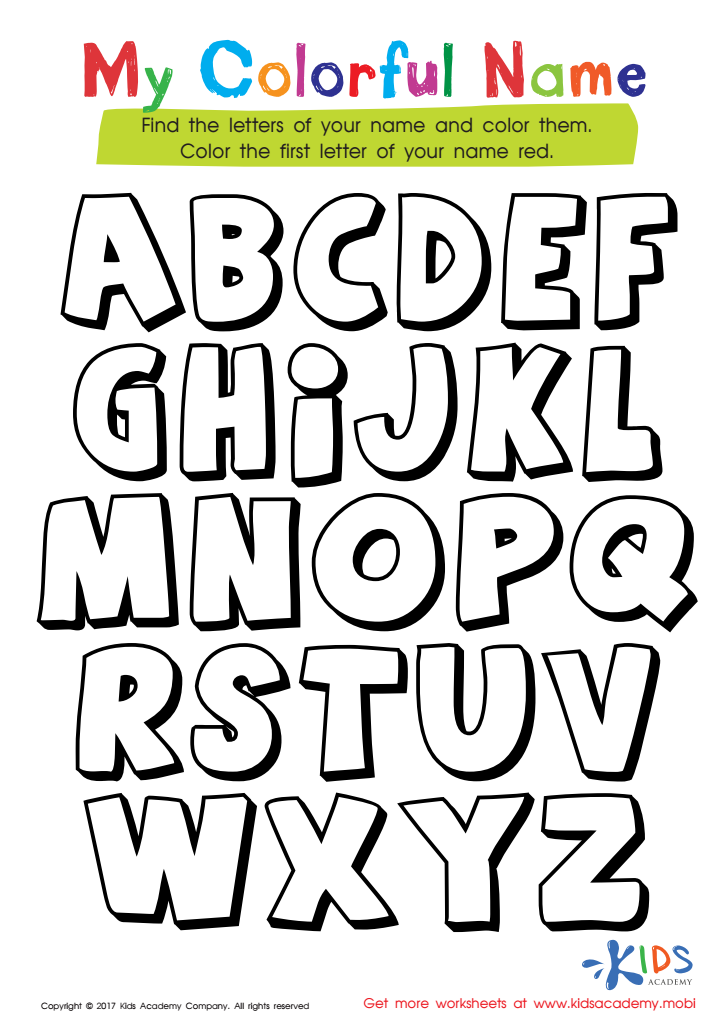
My Colorful Name Worksheet
 Assign to My Students
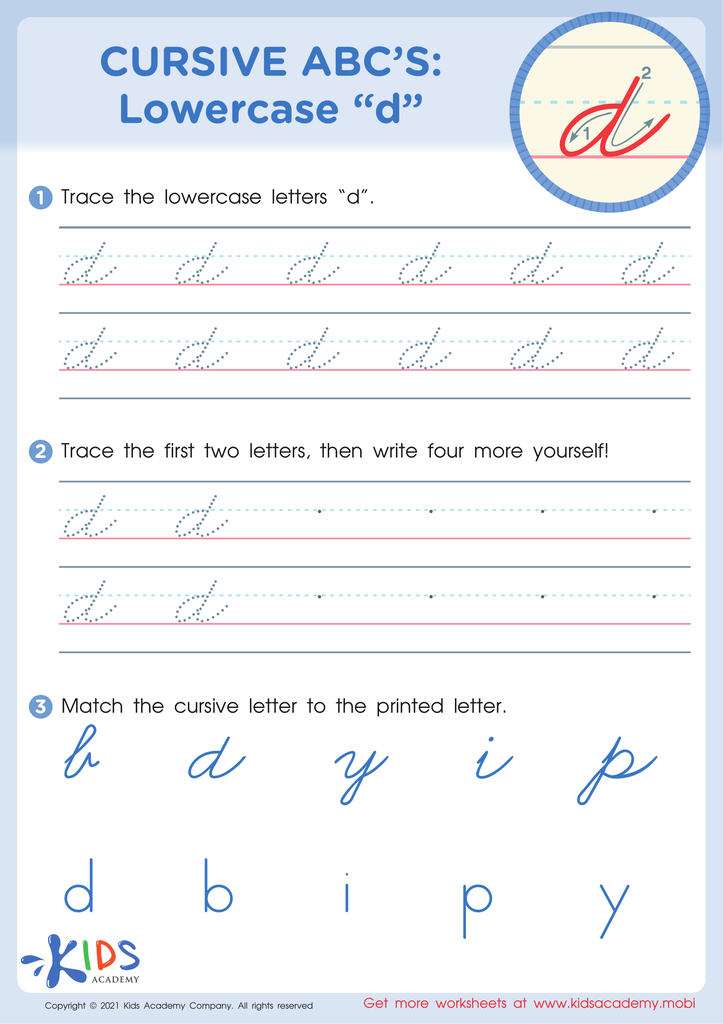
Cursive ABCs: Lowercase d
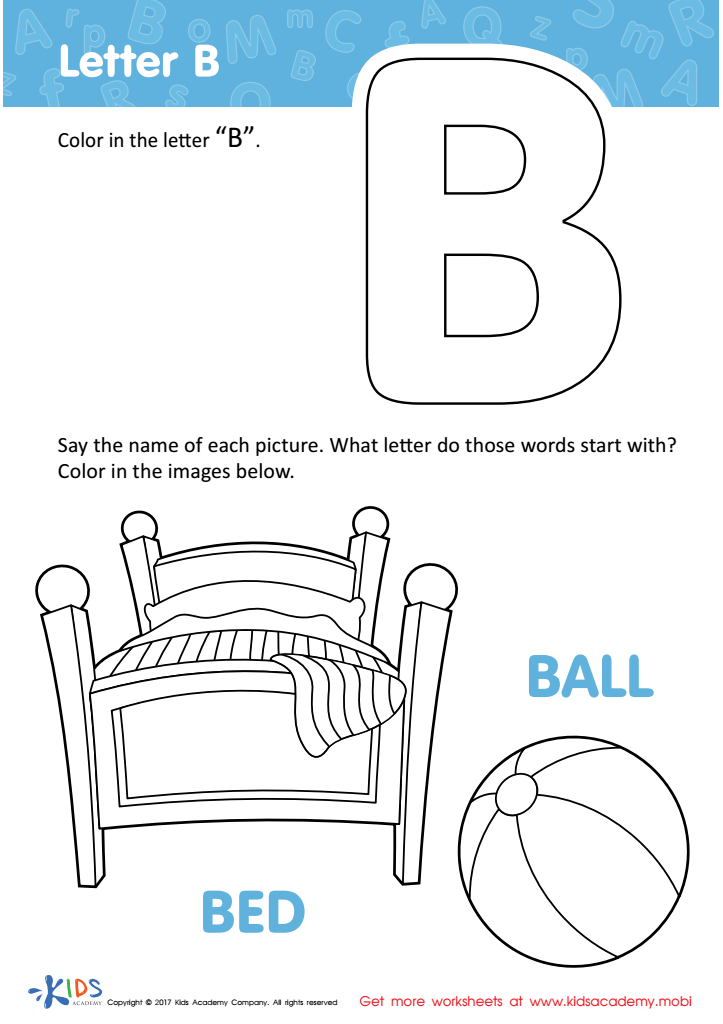
Letter B Coloring Sheet
Assign to My Students
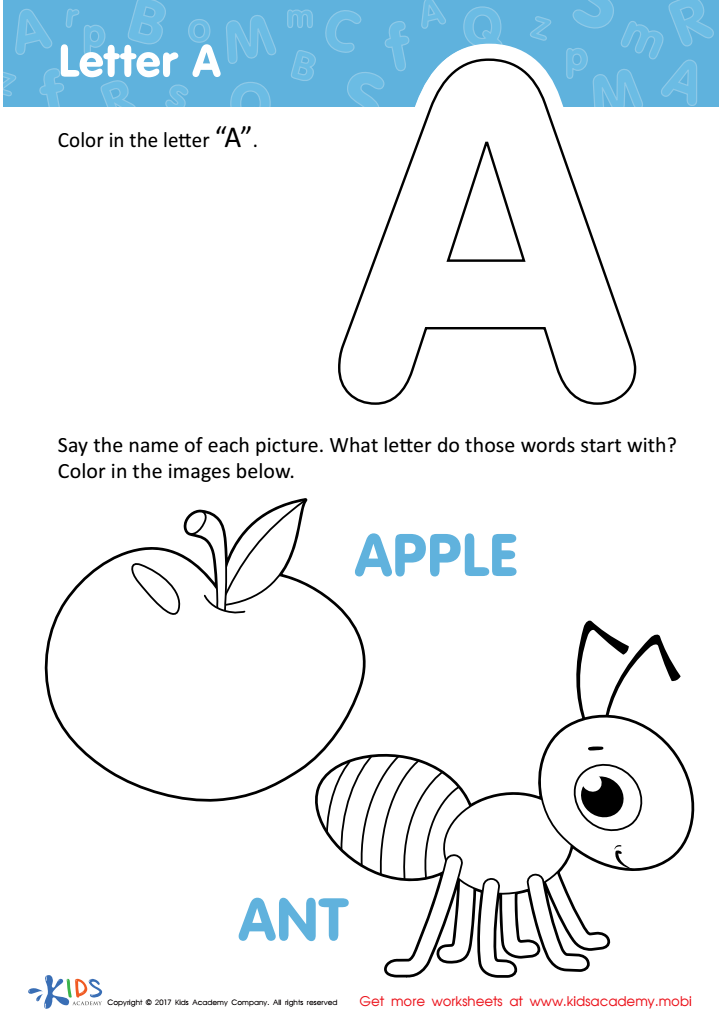
Letter A Coloring Sheet
Assign to My Students
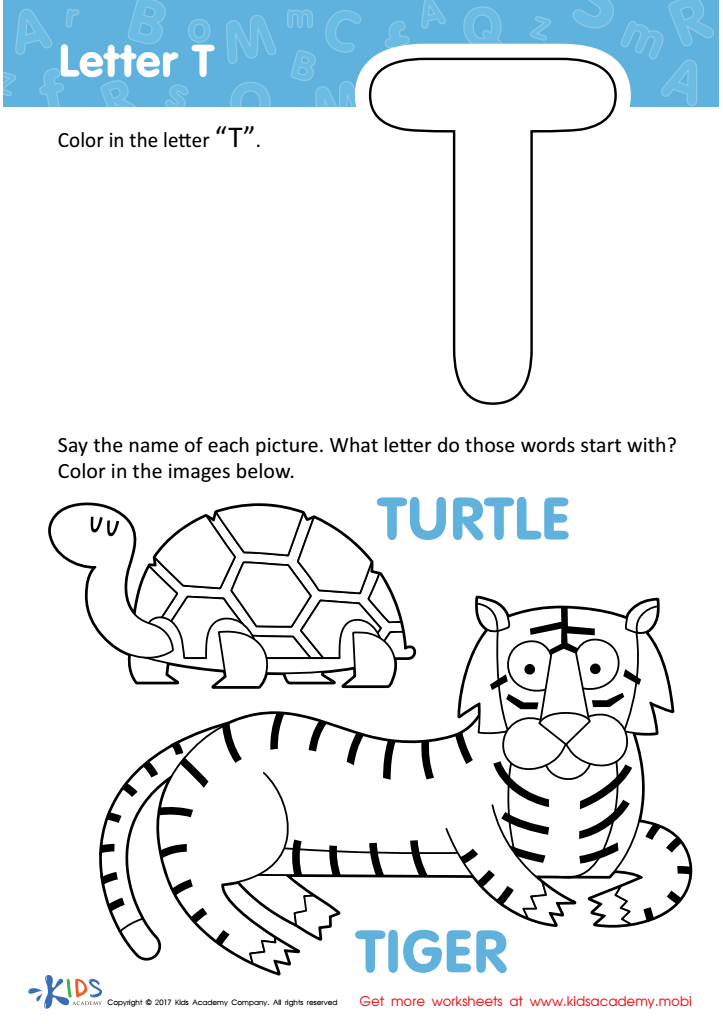
Letter T Coloring Sheet
Assign to My Students
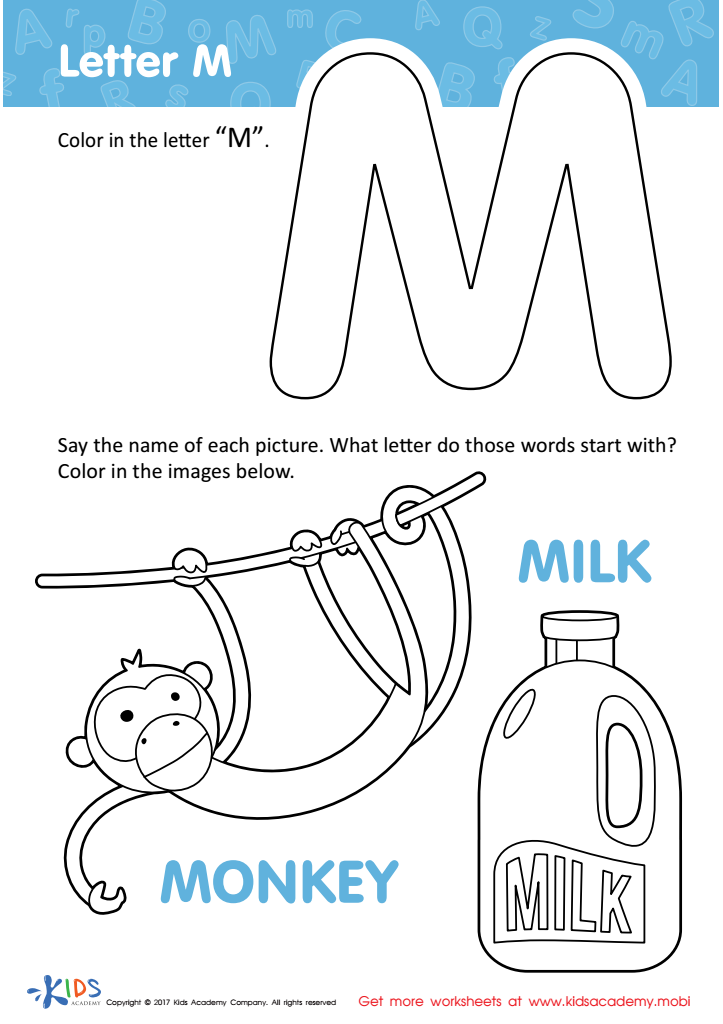
Letter M Coloring Sheet
Assign to My Students
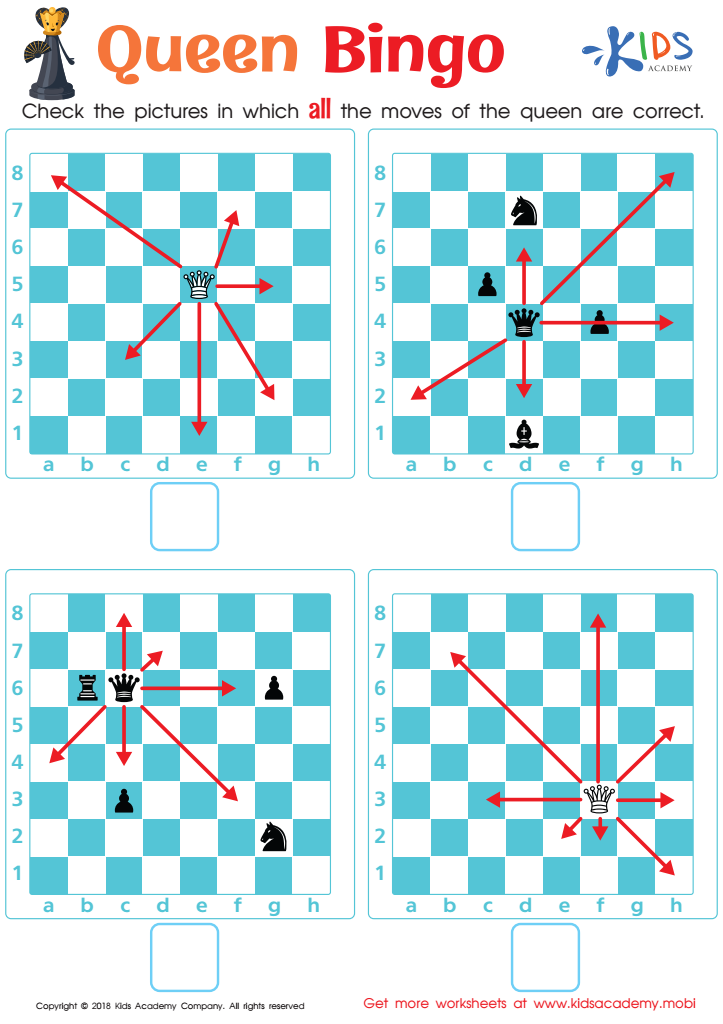
Queen Bingo Worksheet
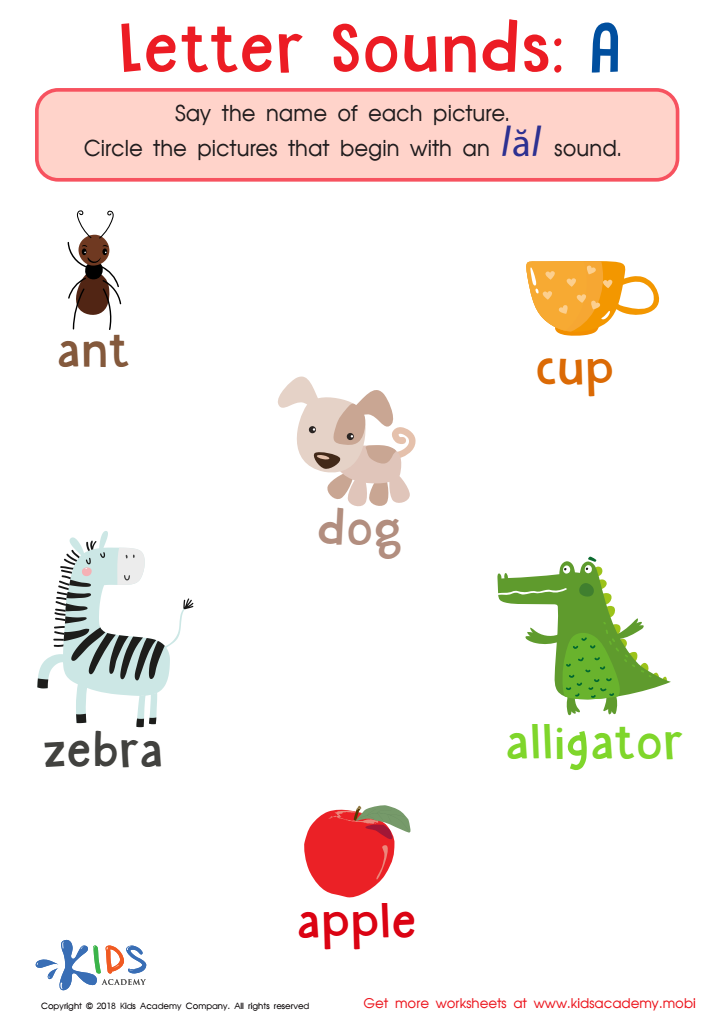
Letter A Sounds Worksheet
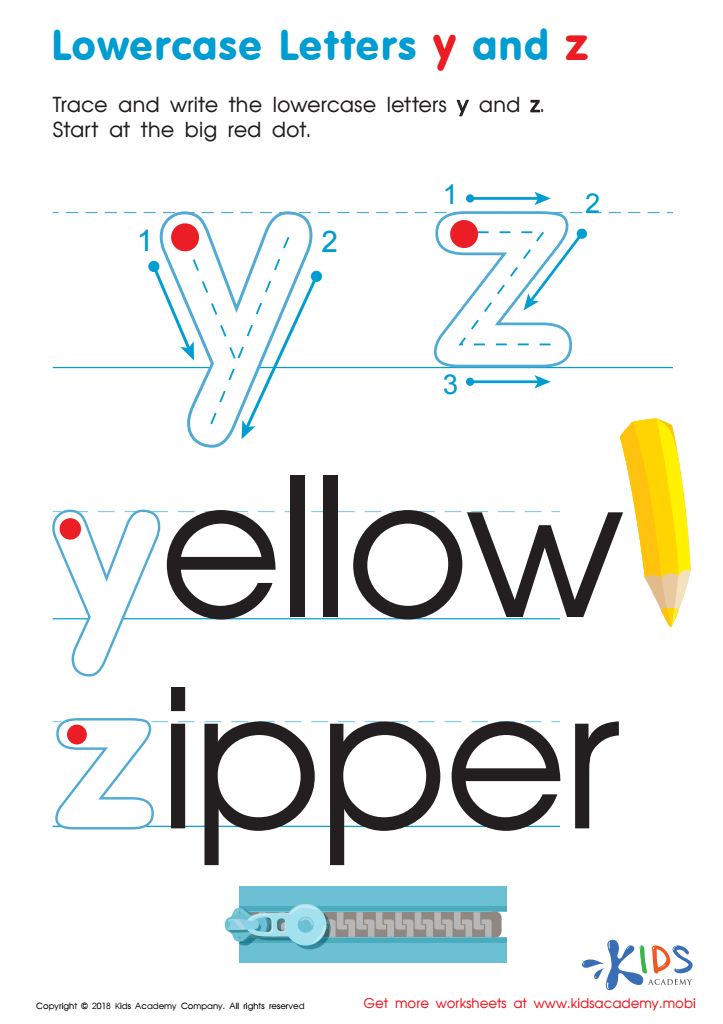
Lowercase Letters y z Worksheet
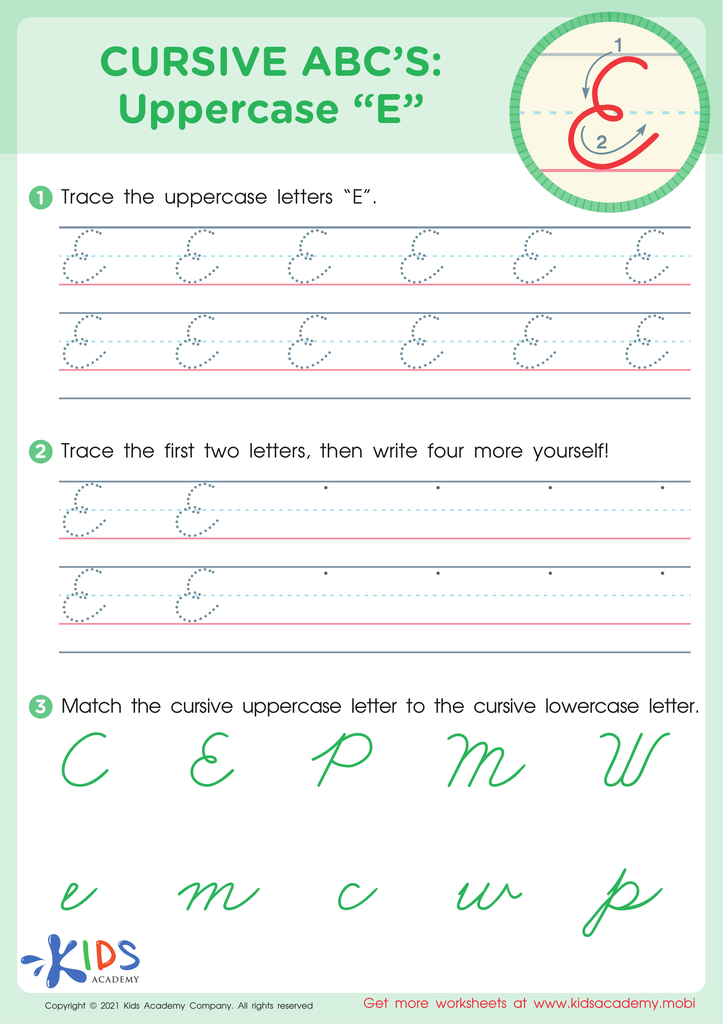
Cursive ABCs: Uppercase E








Alphabet recognition is a fundamental skill essential for early literacy development in children aged 5-9. This skill serves as the foundation for reading and writing, allowing children to decode words and understand print concepts. When kids can identify letters, they gain the ability to sound out words, which is crucial for reading fluency and comprehension.
Parents and teachers should care about this early milestone because it influences a child's overall academic success. Mastery of letter recognition directly impacts not only literacy skills but also cognitive development, as children begin to make connections between letters and sounds, enhancing their language abilities. Furthermore, proficiency in recognizing letters helps boost confidence in young learners, making them more willing to engage with reading materials.
In today's technology-driven world, where literacy is key to navigating everyday life, ensuring that children develop strong alphabet recognition skills goes beyond the classroom. It prepares them for future learning endeavors and helps foster lifelong readers who can critically engage with information. By prioritizing alphabet recognition through fun activities and supportive learning environments, parents and educators can play a crucial role in laying the groundwork for children's educational journeys and their ability to communicate effectively.








