Animal identification Worksheets for Ages 5-9 - Page 3
52 filtered results
-
From - To
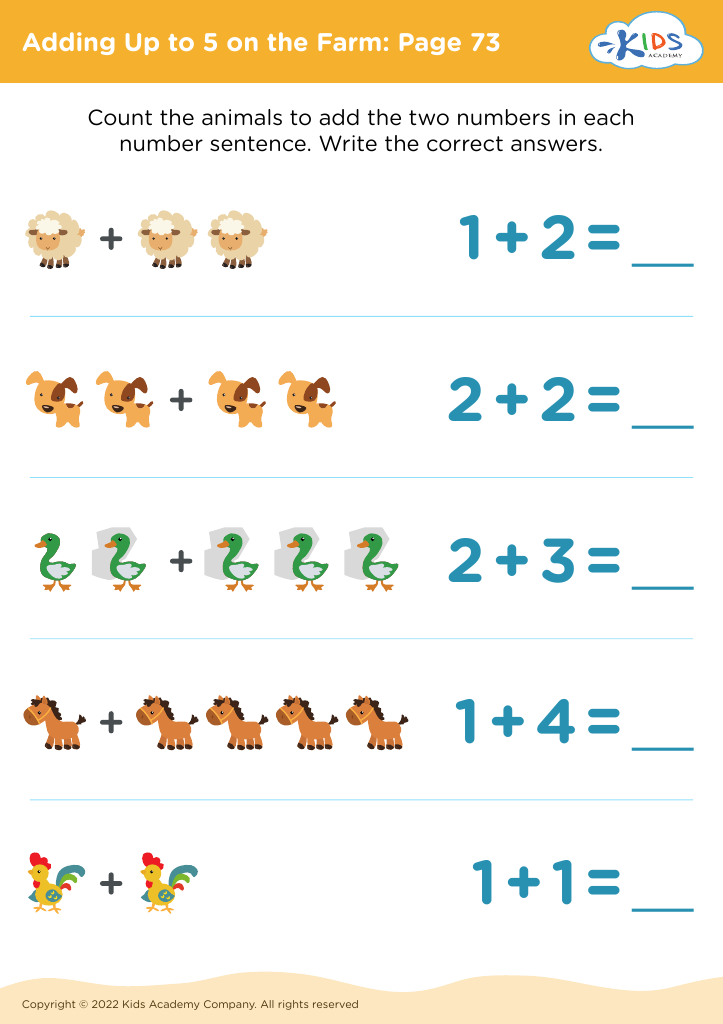
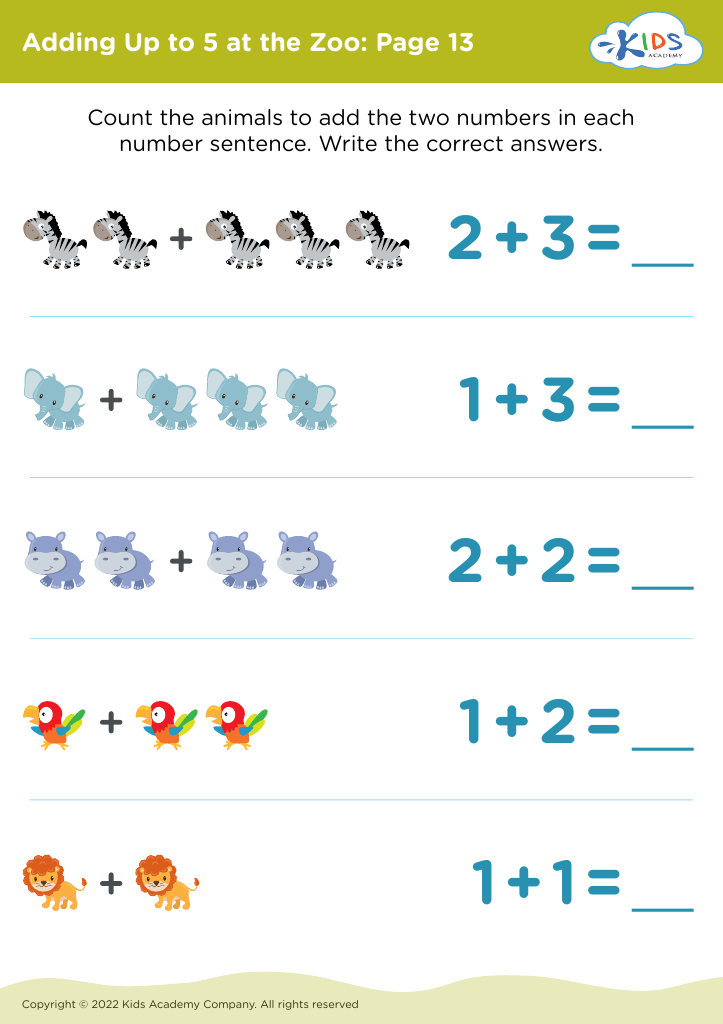
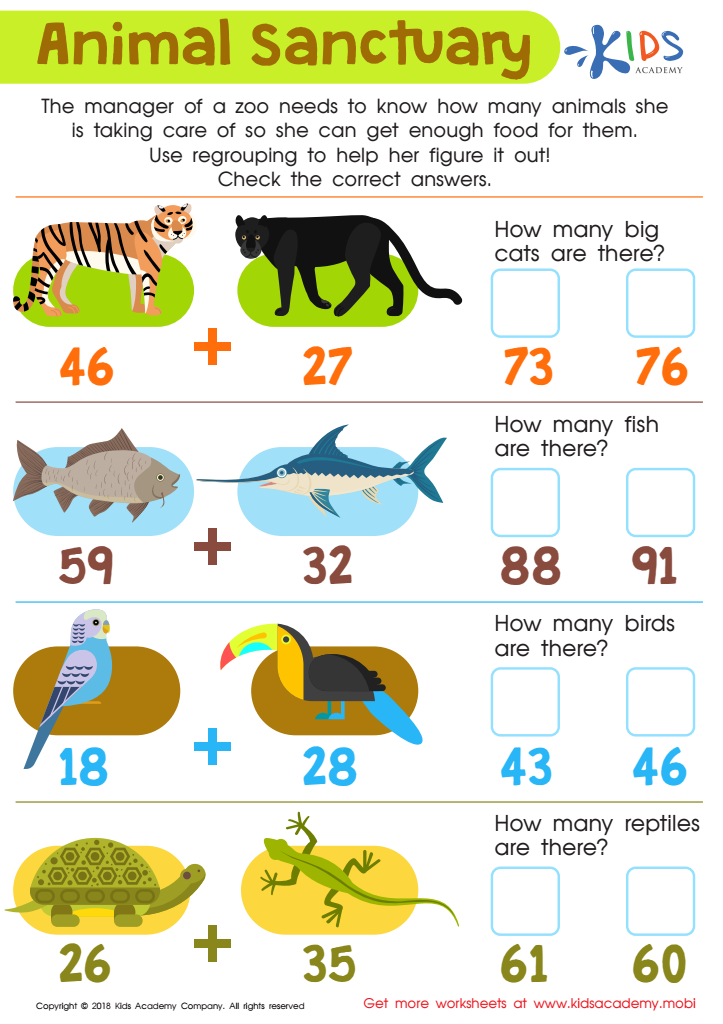
Animal Sanctuary Worksheet
 Assign to My Students








Animal identification is an essential learning topic for children ages 5-9, and it’s important for parents and teachers to understand its value. First, identifying animals helps develop observational skills, which are foundational for scientific inquiry. When children learn to recognize various species, they practice keen observation, enhancing their ability to notice details in their environment.
Moreover, understanding different animals fosters a sense of empathy and respect for living creatures. By learning about habitats, behaviors, and the importance of conservation, kids can connect with nature, developing responsible attitudes toward the environment. This mindfulness paves the way for instilling pro-environmental behaviors from a young age.
Additionally, animal identification enriches vocabulary and communication skills. Children introduce new words through learning about different species and their characteristics, enhancing their language abilities that are crucial for effective communication.
Lastly, animal identification can be a fun and interactive learning experience. Engaging activities, games, and field trips can spark curiosity while making education enjoyable. This combination of knowledge, empathy, and excitement about wildlife can lead to a lifelong love for learning and nature conservation. Therefore, it is vital for parents and teachers to emphasize animal identification in early education.








