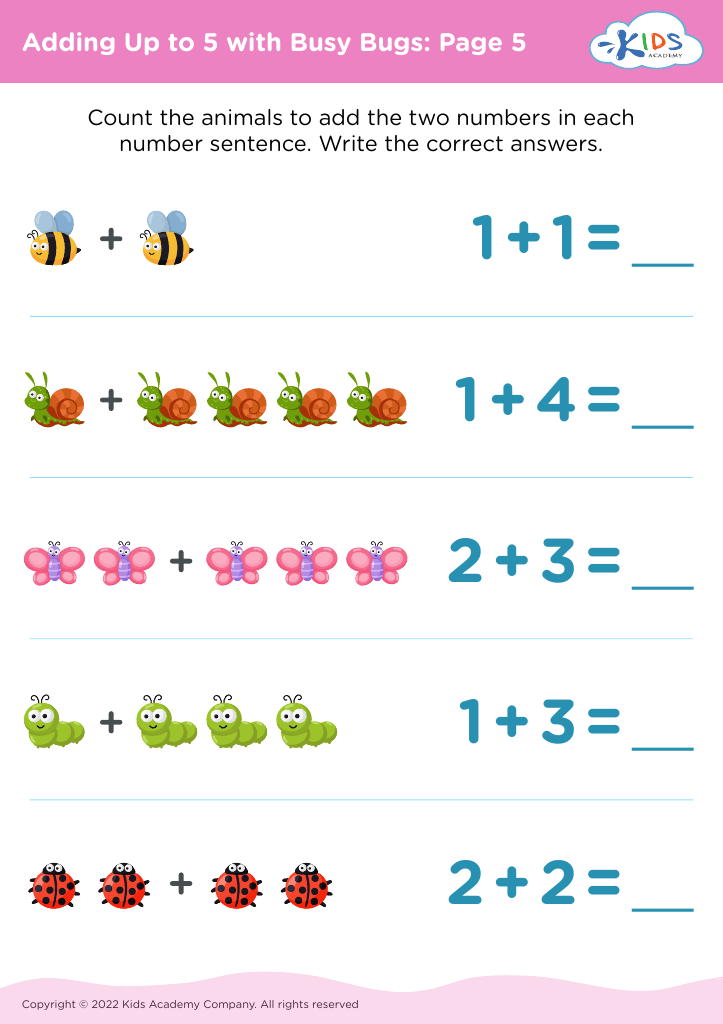
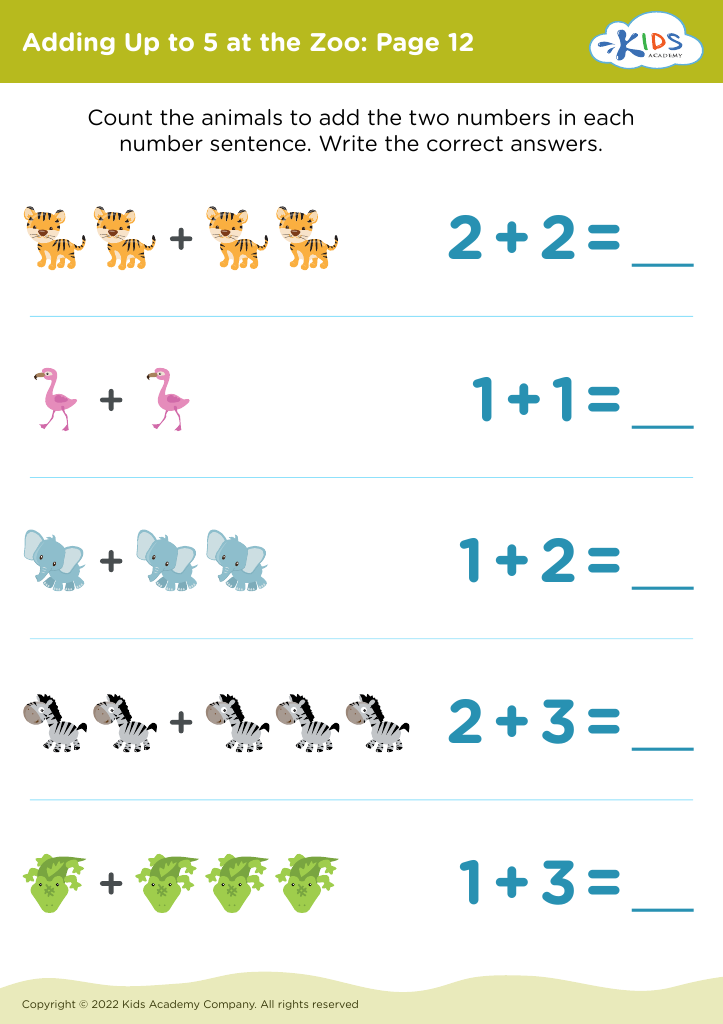
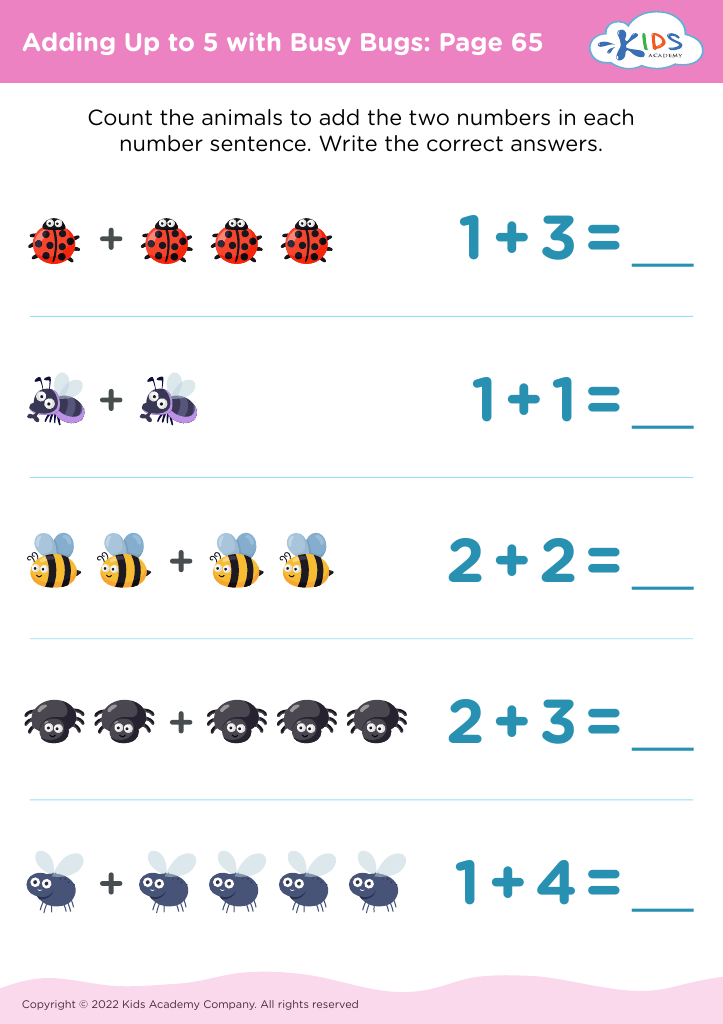
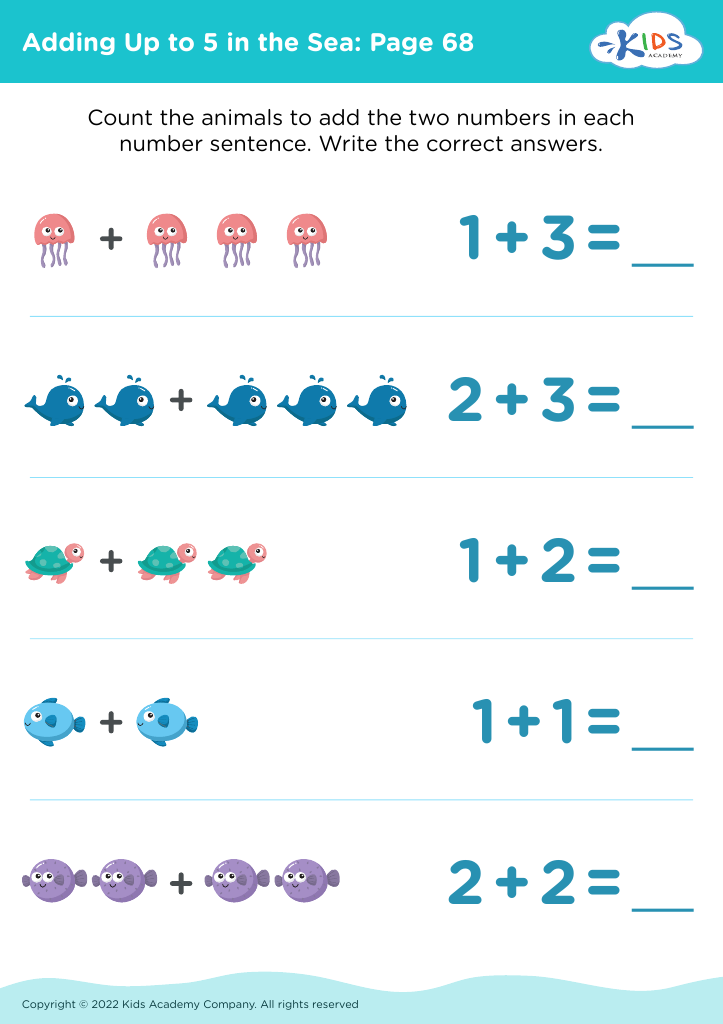
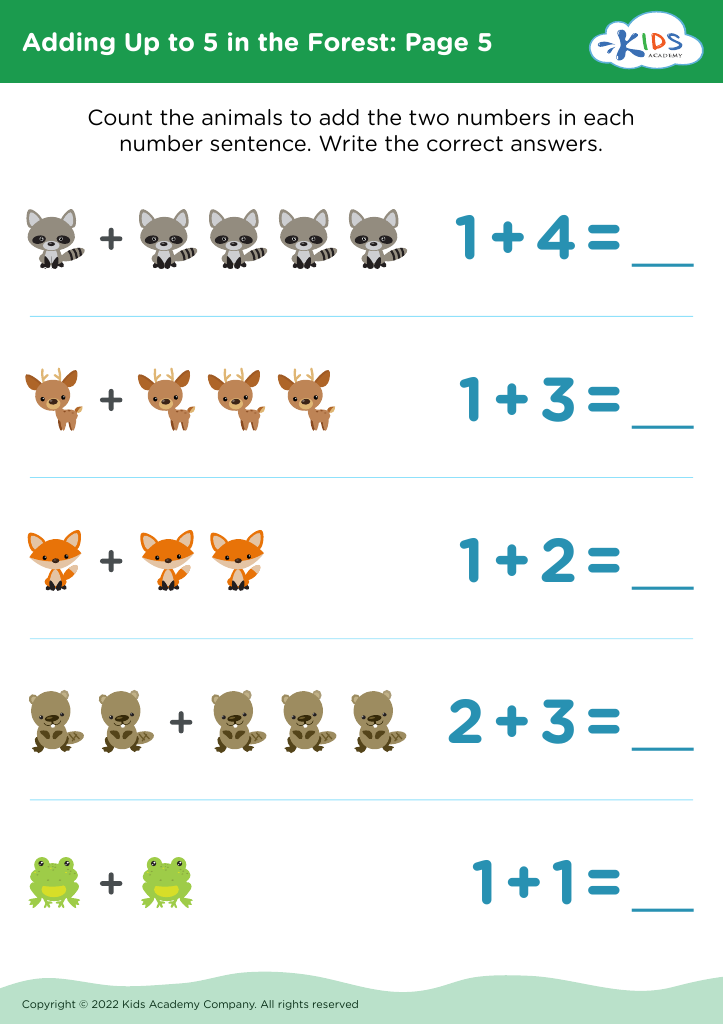
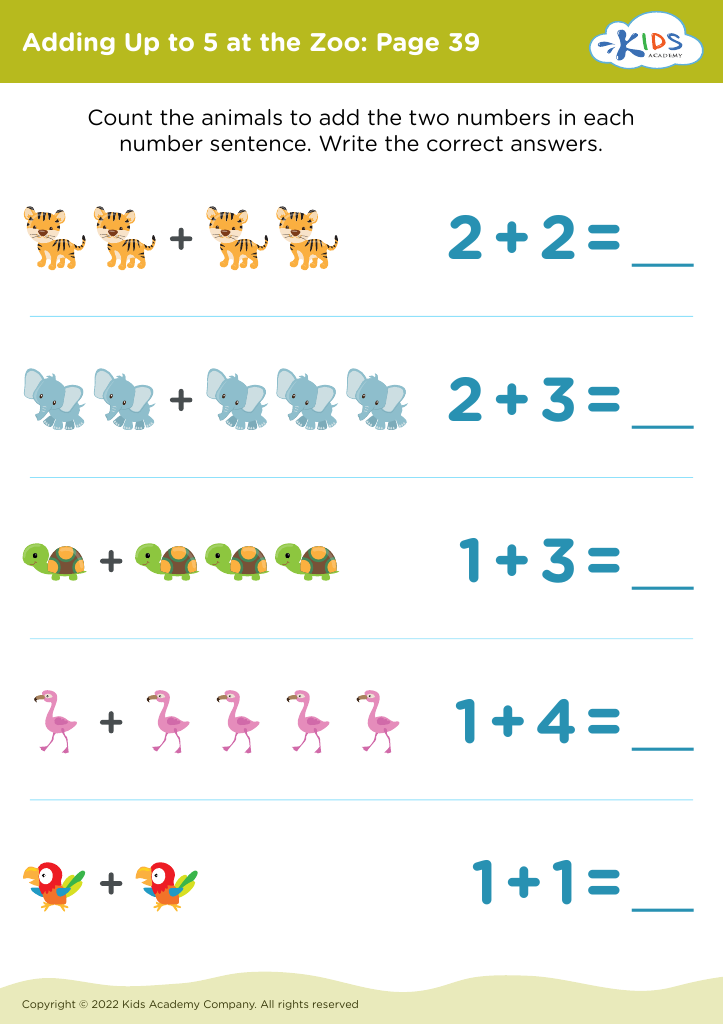
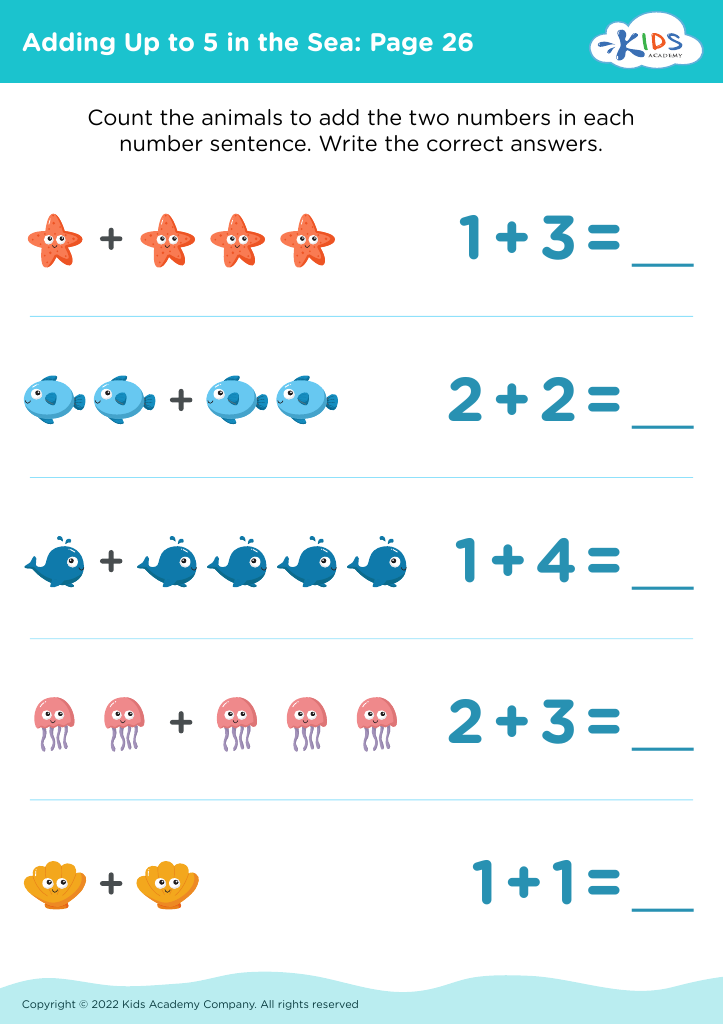
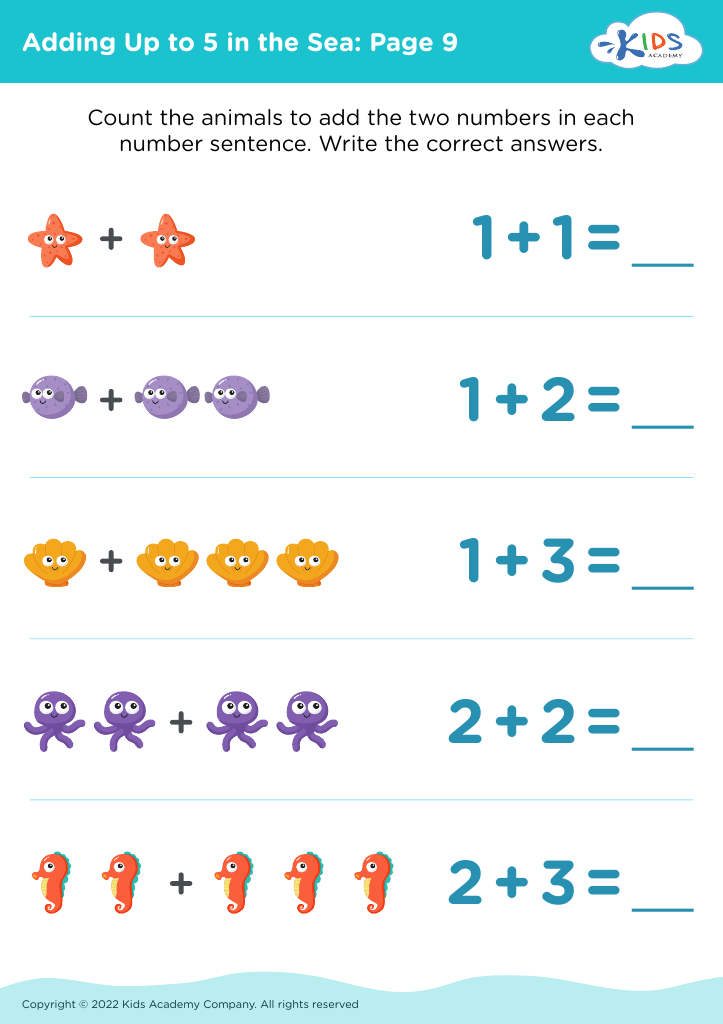








Parents and teachers should care deeply about basic arithmetic for ages 5-9 because it lays the essential foundation for future academic success and everyday life skills. At an early age, children are remarkably receptive to learning, and introducing basic arithmetic concepts like addition, subtraction, multiplication, and division helps develop critical thinking and problem-solving abilities that they will use throughout their lives.
Mastering basic arithmetic not only prepares children for more complex mathematical concepts but also fosters a sense of confidence and competence in their abilities. This early competence in math encourages a positive attitude toward learning and school in general, which can influence their academic trajectory and motivation in other subjects.
Moreover, arithmetic skills are crucial for daily activities such as telling time, handling money, and measuring objects, helping children gain a practical understanding of the world around them. Strong arithmetic skills are associated with better logical reasoning, improved memory, and enhanced pattern recognition—all vital cognitive skills.
In sum, prioritizing basic arithmetic during these formative years equips children with critical tools for successful participation in academics and life, making it an indispensable component of their education.








