Basic math learning Worksheets for Ages 5-9
3 filtered results
-
From - To
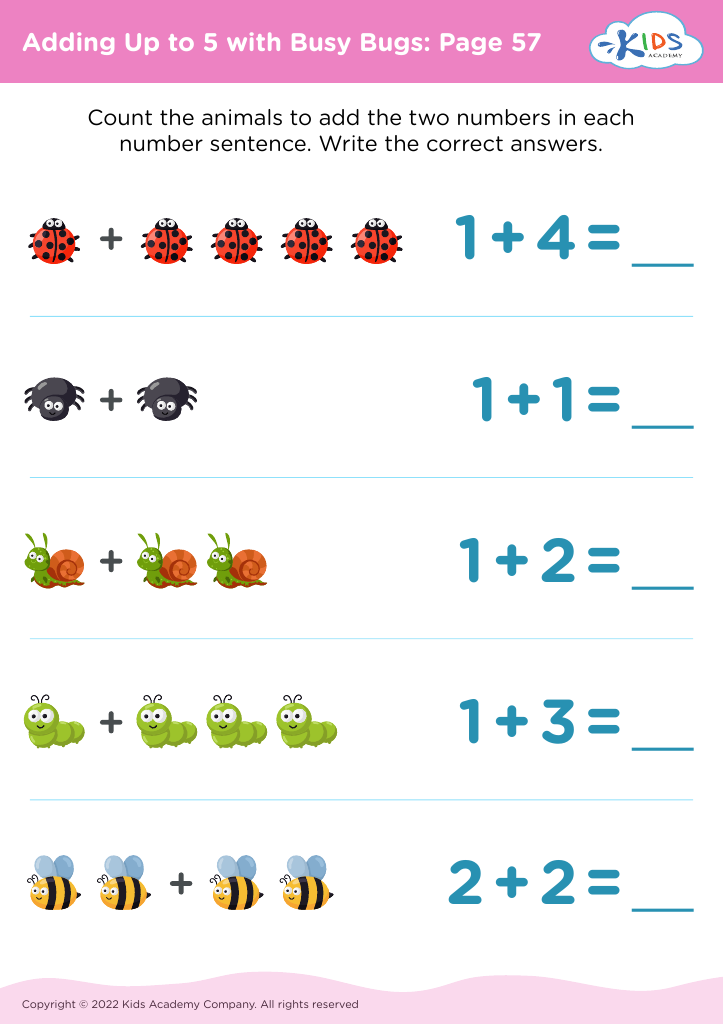
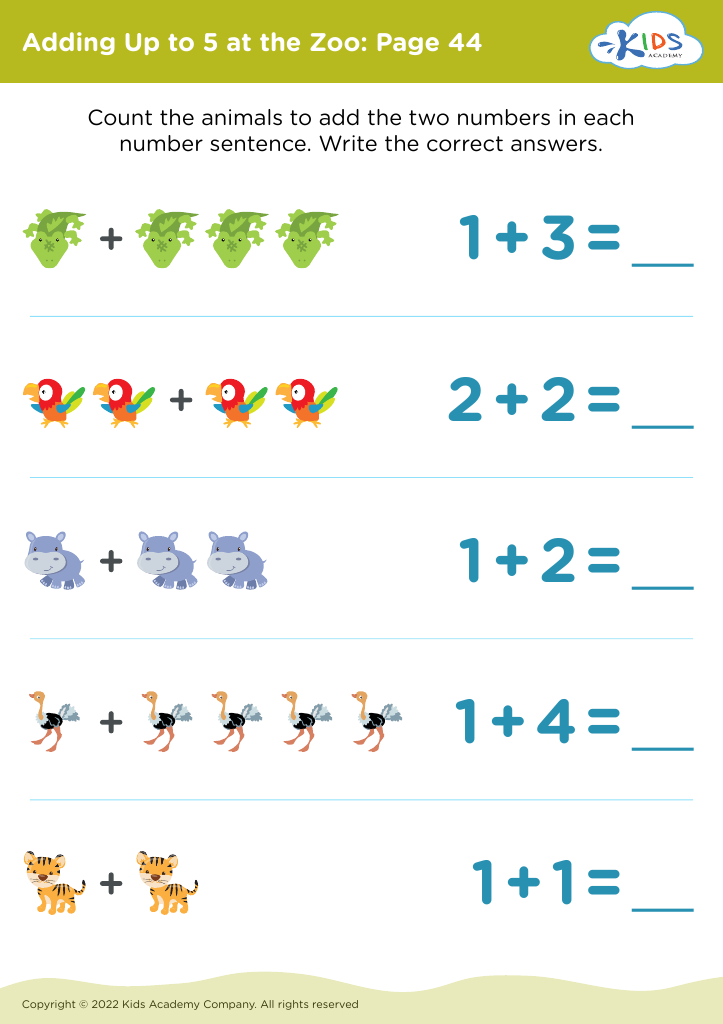
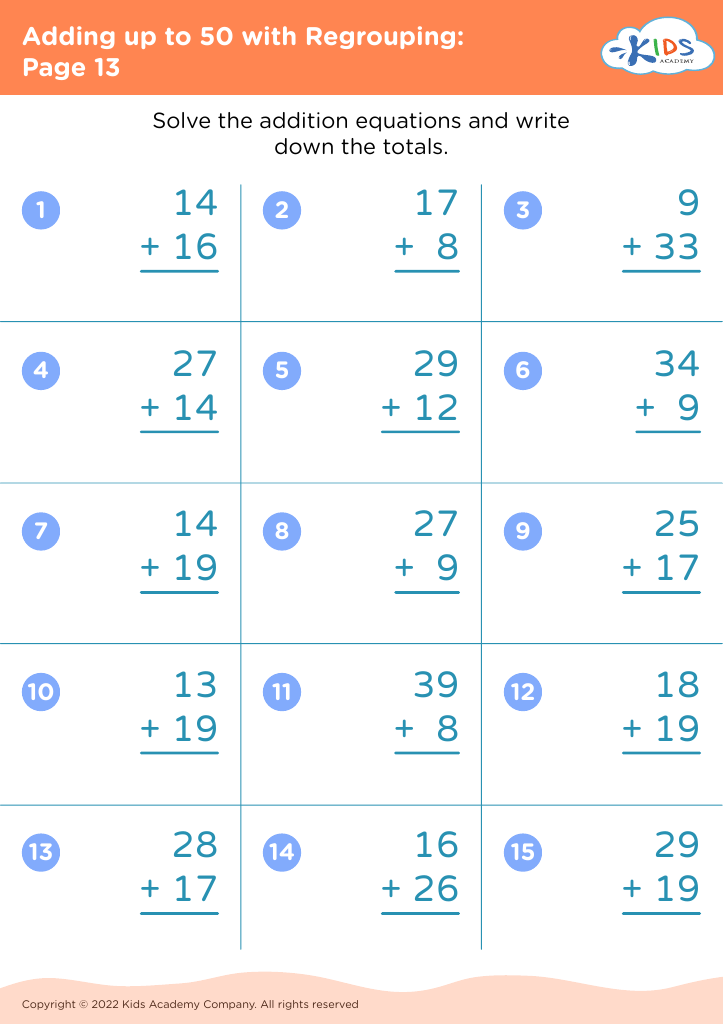
Explore our engaging Basic Math Learning Worksheets designed specifically for children ages 5-9! These resources include a variety of fun activities that help young learners master essential math concepts like addition, subtraction, counting, and more. Created with colorful designs and interactive exercises, our worksheets aim to foster a love for math while building confidence in basic numeracy skills. Perfect for both classroom and home use, these printable worksheets make learning math enjoyable and effective. Help your child develop a strong math foundation that will support their future academic success. Dive into our collection and watch their skills grow!






Basic math learning for children ages 5-9 is crucial for several reasons. First, foundational mathematical skills form the building blocks for future academic success. Mastering concepts like addition, subtraction, and early geometry during these formative years sets the stage for more complex math later on.
These early years are also when children develop critical thinking and problem-solving skills. Engaging with math helps them learn how to analyze situations, make decisions, and reason logically. Additionally, math is intertwined with daily life—whether it’s counting change, managing time, or understanding measurements—and these skills enhance real-world competence.
Furthermore, fostering a positive attitude toward math early on can diminish math anxiety, which many students face as they advance in school. When parents and teachers prioritize basic math learning, they contribute to building a child's confidence in their abilities.
Lastly, collaborative learning environments, where parents and teachers work together to teach math concepts, promote a sense of community and support for the child. This not only enriches the learning experience but also helps kids understand the importance of teamwork in problem-solving. In essence, investing time and energy into early math learning is an investment in a child’s overall cognitive and emotional development.








