Basic Math Skills Worksheets for Ages 5-9 - Page 9
198 filtered results
-
From - To
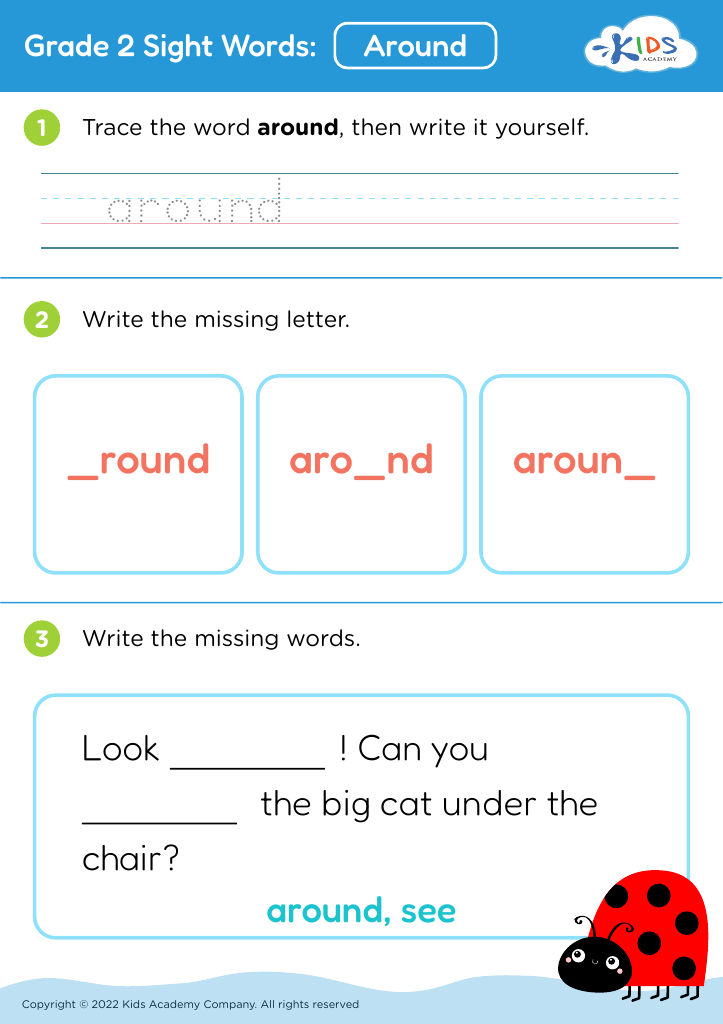
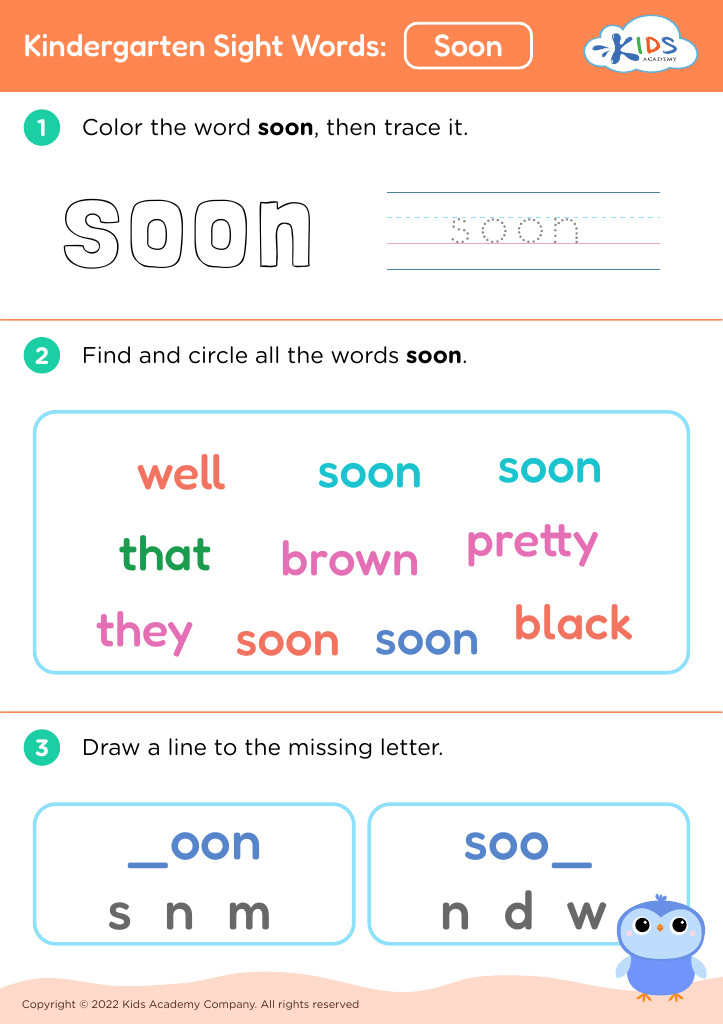
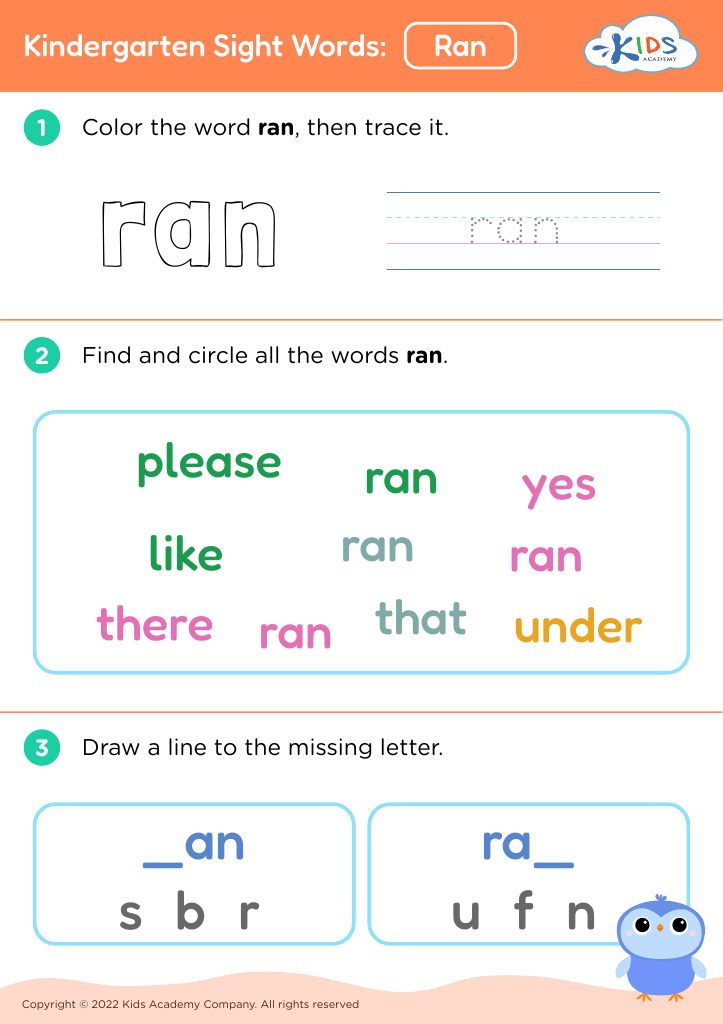
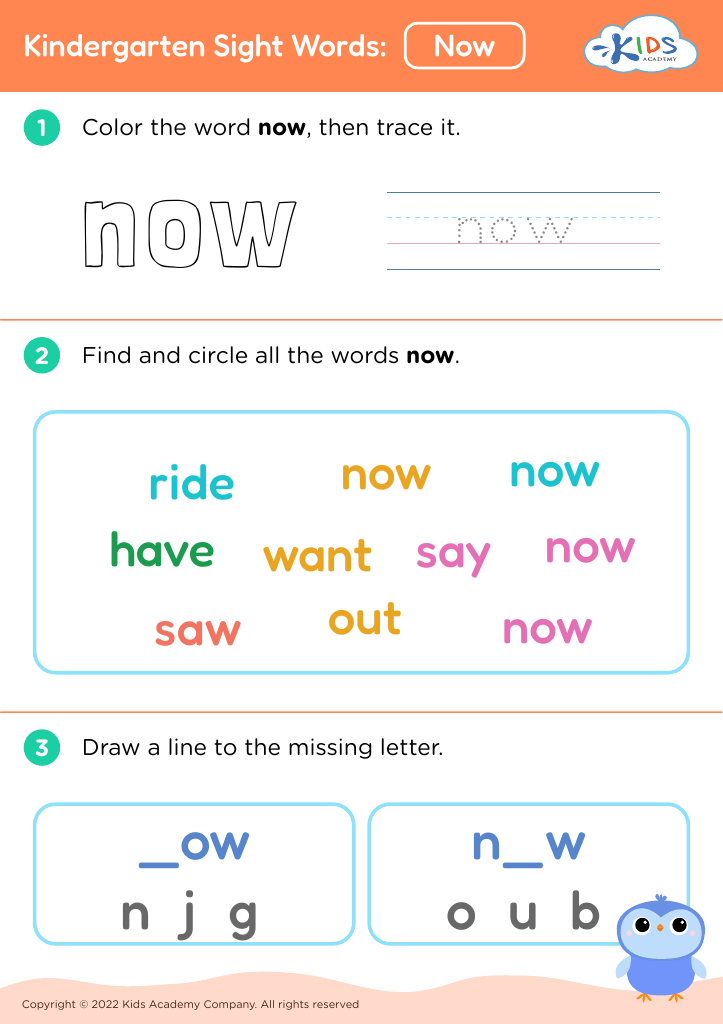








Basic math skills are crucial for children aged 5-9 as they lay the foundation for future learning and everyday life. Mastering fundamental concepts like counting, addition, subtraction, shapes, and time develops critical thinking and problem-solving abilities. Children who grasp these skills early are more likely to excel academically, as mathematical understanding is intertwined with literacy and science.
Parents and teachers should prioritize basic math skills to foster confidence and a positive attitude towards learning. Early success in math builds a growth mindset, encouraging kids to tackle challenges with resilience. Moreover, these skills are not just academic; they enhance logical reasoning, enhance memory, and improve social interactions through cooperative learning activities.
Additionally, in our increasingly technology-driven world, math skills are vital. Children use math in daily scenarios, such as budgeting, cooking, and understanding time. By nurturing these skills during formative years, parents and teachers equip young learners for future academic and personal success. Ultimately, investing time and effort in developing basic math skills ensures children are not only prepared for the complexities of higher-level mathematics but also function more effectively in everyday situations.








