Basic problem-solving Worksheets for Ages 5-9
3 filtered results
-
From - To
Our "Basic Problem-Solving Worksheets for Ages 5-9" offer engaging and interactive activities designed to enhance critical thinking and logical reasoning in young learners. Perfect for home or classroom use, these worksheets present age-appropriate problems that help children develop essential skills such as pattern identification, sequencing, and decision-making. With colorful illustrations and fun challenges, each worksheet motivates kids to think creatively and solve problems independently, building a solid foundation for future academic success. Equip your child with the tools they need to excel in problem-solving with our expertly crafted resources. Explore our collection today and watch them thrive!
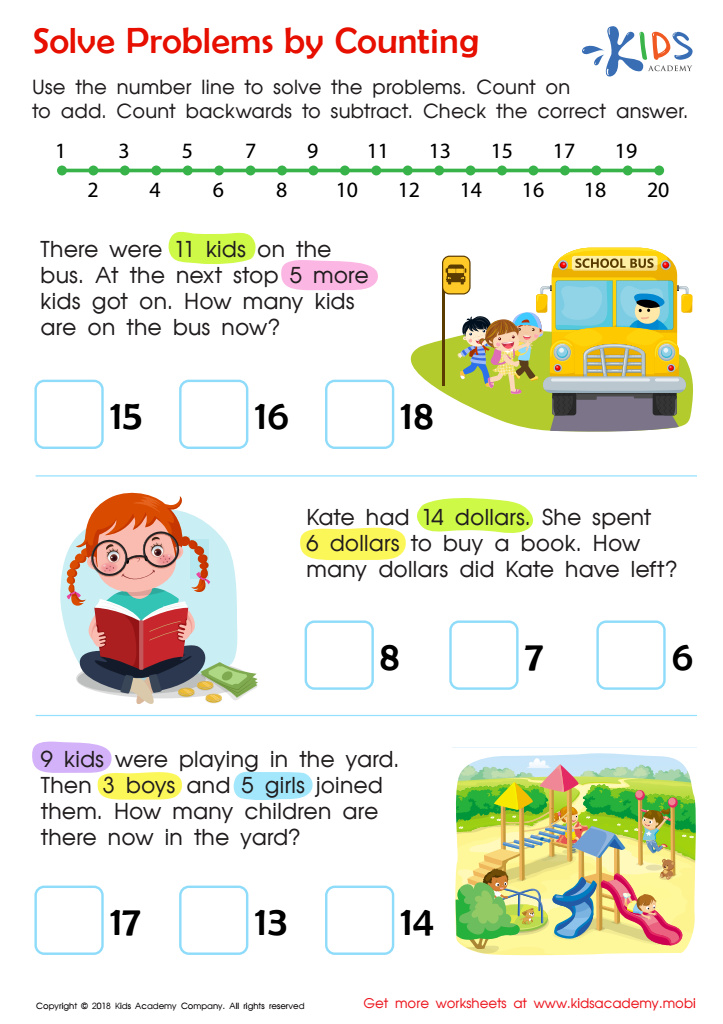
Solve Problems by Counting Worksheet
 Assign to My Students
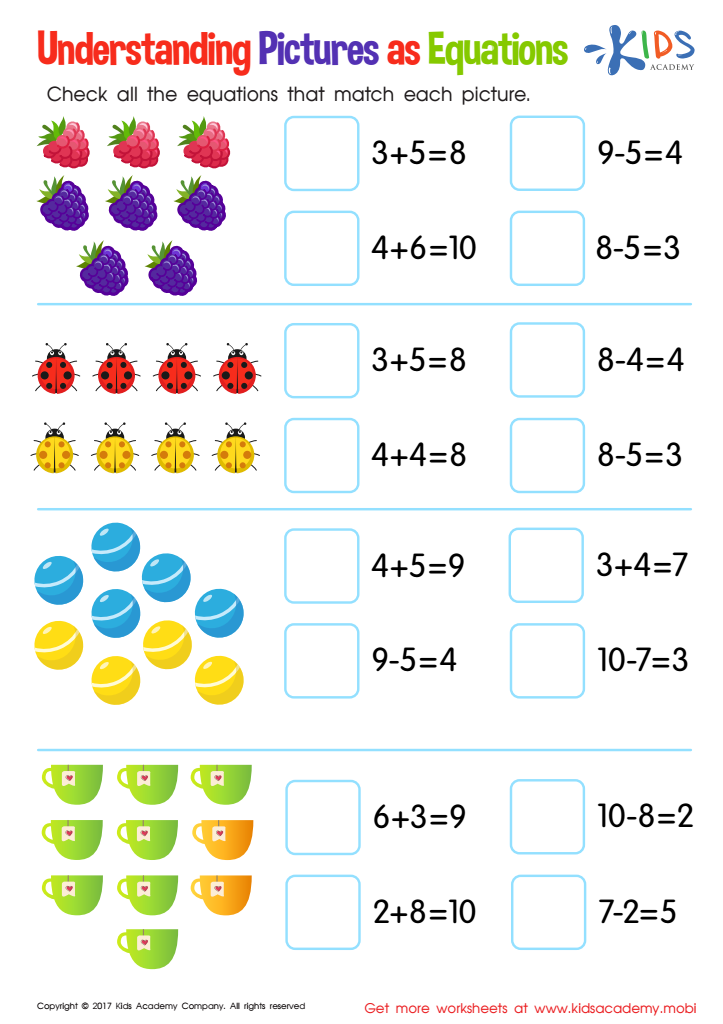
Understanding Pictures as Equations Worksheet
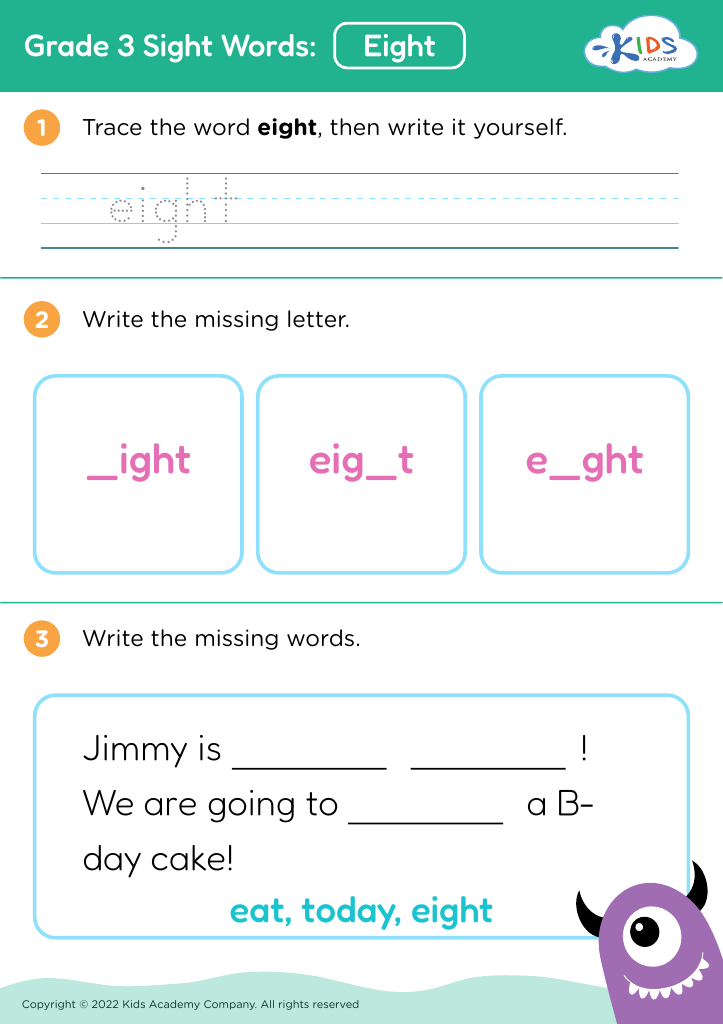








Basic problem-solving skills are crucial for children ages 5-9 as they lay the foundation for critical thinking, independence, and resilience. At this age, children are naturally curious and their brains are exceptionally receptive to new concepts. By encouraging problem-solving, parents and teachers can harness this natural curiosity to foster cognitive development.
Problem-solving helps children develop important skills such as logical reasoning, creativity, and the ability to navigate obstacles. These skills are essential across all areas of learning, from math and science to reading and social interactions. Additionally, early problem-solving skills build confidence as children gain the satisfaction of resolving challenges independently. This nurtures a growth mindset, where children view challenges as opportunities to learn and grow rather than insurmountable hurdles.
Moreover, problem-solving promotes social-emotional development. When children work with peers to solve problems, they practice communication, cooperation, and empathy. They learn to listen to diverse viewpoints, negotiate, and support one another which is vital for effective teamwork later in life.
In essence, fostering problem-solving skills in early childhood empowers children not only academically but also personally and socially, setting the stage for lifelong learning and success.








